
Developing logical thinking Normal Worksheets for Ages 3-7
4 filtered results
Difficulty Level
Grade
Age
-
From - To
Subject
Activity
Standards
Explore our engaging "Developing Logical Thinking Worksheets" designed for children ages 3 to 7! These expertly crafted worksheets promote critical thinking and problem-solving skills through fun activities and challenges. Tailored to young learners, our resources include puzzles, sorting tasks, and pattern recognition exercises that ignite curiosity and creativity. Each worksheet encourages children to think independently while enhancing cognitive abilities essential for their educational journey. Perfect for home or classroom use, our worksheets support early learning and lay a strong foundation for future academic success. Let your child's logical skills flourish with our playful and interactive printables that make learning an enjoyable adventure!
Favorites
With answer key
Interactive
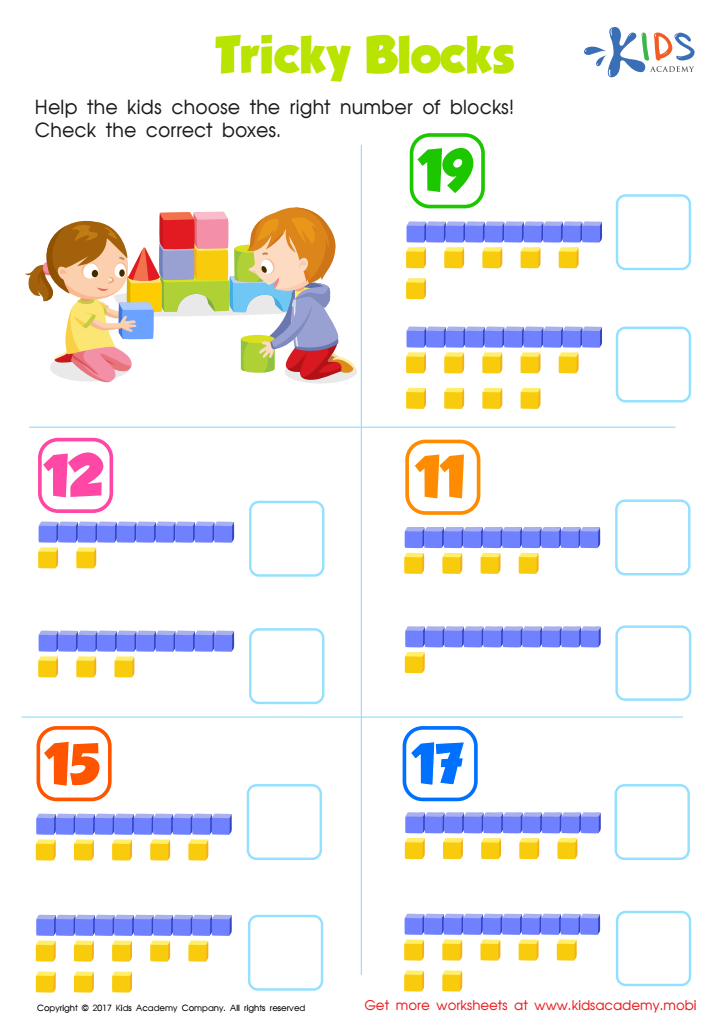
Tricky Blocks Worksheet
Help your child count with this printable worksheet. You'll be able to explain the technicalities of each answer as you work together to count the boxes and choose the correct number in the spaces provided. This will help your child better understand the concept and will go faster than if they do it alone.
 Assign to My Students
Tricky Blocks Worksheet
Worksheet
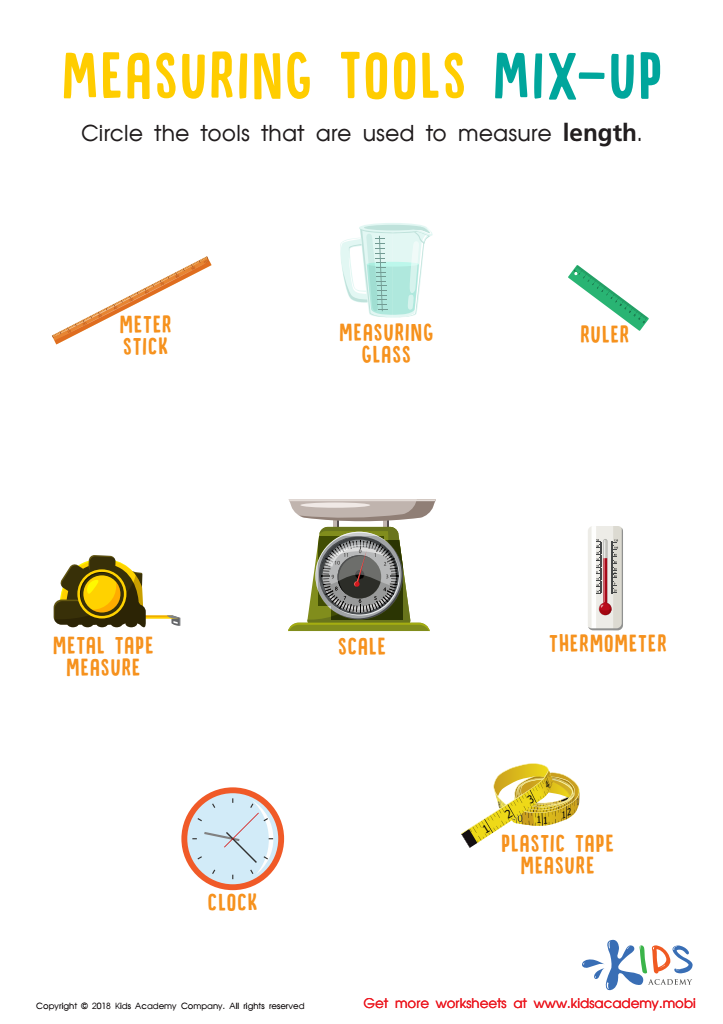
Measuring Tools Mix–up Worksheet
Test your child's knowledge of measuring instruments! In this worksheet, have them identify which items are used for measuring length. Talk through the items with them, then ask them to circle the right answer. Use this PDF to challenge your child and learn more about measuring tools.
Measuring Tools Mix–up Worksheet
Worksheet
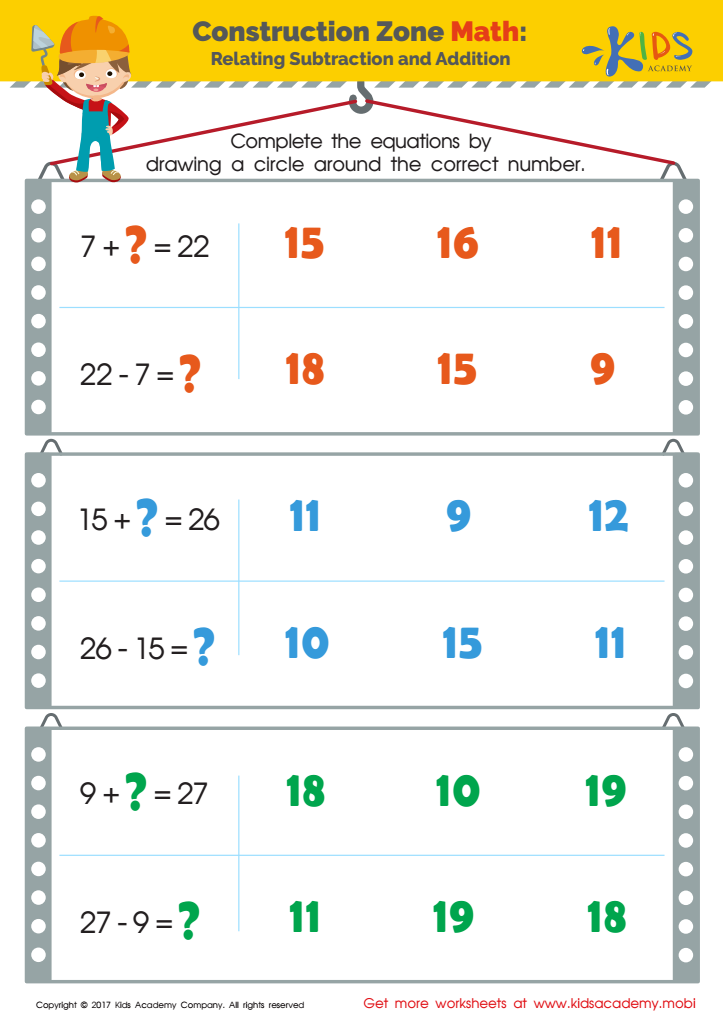
Related Addition and Subtraction Facts Worksheet
Help your child nurture their numeracy skills by introducing them to related addition and subtraction facts. Worksheets like this will give them a fun and easy way to learn how numbers work.
Related Addition and Subtraction Facts Worksheet
Worksheet
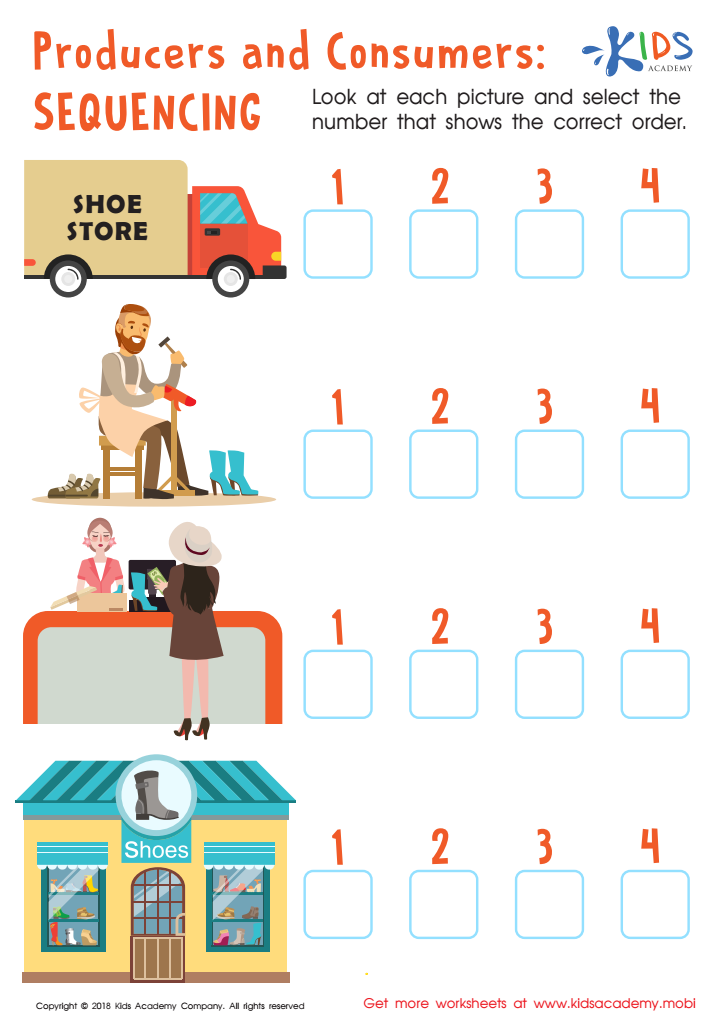
Producers and Consumers: Sequencing Worksheet
Ask your child: Who are producers? Can you give an example? Here's one: a shoe maker. What's happening in each picture? Can you arrange them in the right order? Select the number that shows the correct answer.
Producers and Consumers: Sequencing Worksheet
Worksheet
Learning Skills
Join Kids Academy for Free
Who is primarily going to use this learning content?








Developing logical thinking skills in children aged 3-7 is crucial for their overall cognitive growth and success in school and life. During these formative years, kids are naturally curious and begin to navigate their understanding of the world. Fostering logical thinking helps them critically analyze situations, solve problems, and make decisions based on reason rather than impulse.
Parents and teachers play an essential role in this development by providing activities that stimulate thinking, such as puzzles, pattern recognition, and open-ended questions. These activities encourage children to observe, hypothesize, and test their ideas, laying the foundation for later learning in subjects like math and science. Moreover, logical thinking enhances essential social skills, allowing children to communicate effectively, collaborate with peers, and empathize with others.
Additionally, children who develop logical reasoning skills early are often more prepared for academic challenges and tend to excel in school. By nurturing a child's ability to think logically, adults empower them to become confident learners, facilitating adaptability and resilience in an ever-changing world. Investing in logical thinking at a young age sets the stage for lifelong learning and problem-solving abilities, benefiting the child in countless ways as they grow.








