Fine Motor Skills Normal Worksheets for Ages 3-7 - Page 6
129 filtered results
-
From - To

Astronomer Maze: Telescope Worksheet
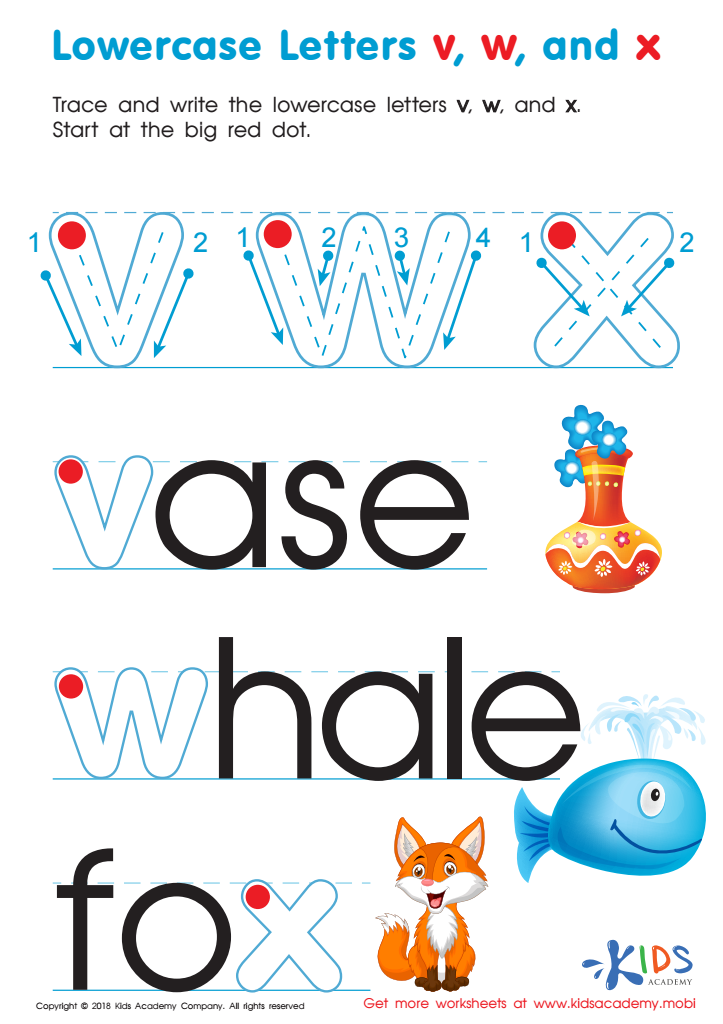
Lowercase Letters v w x Worksheet
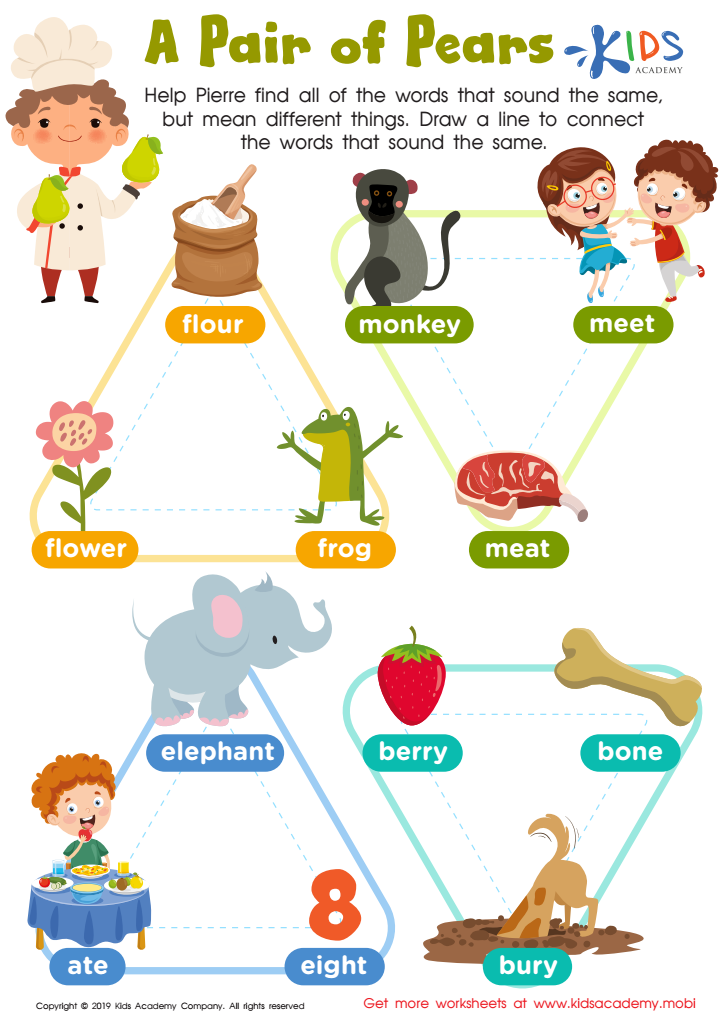
Pair Pears Worksheet
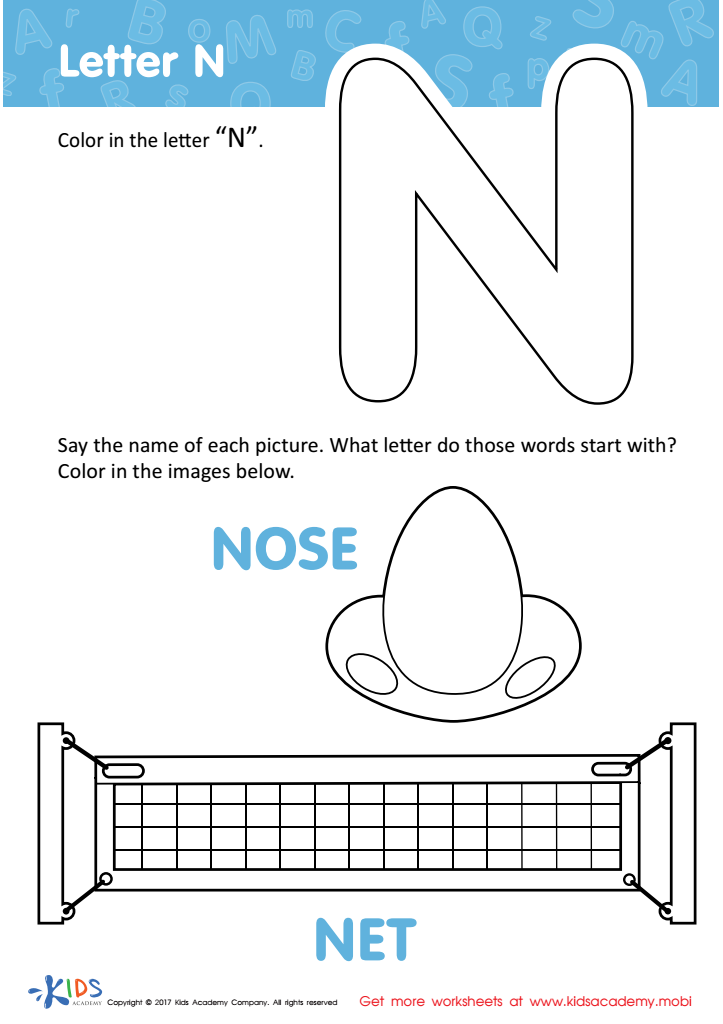
Letter N Coloring Sheet
 Assign to My Students
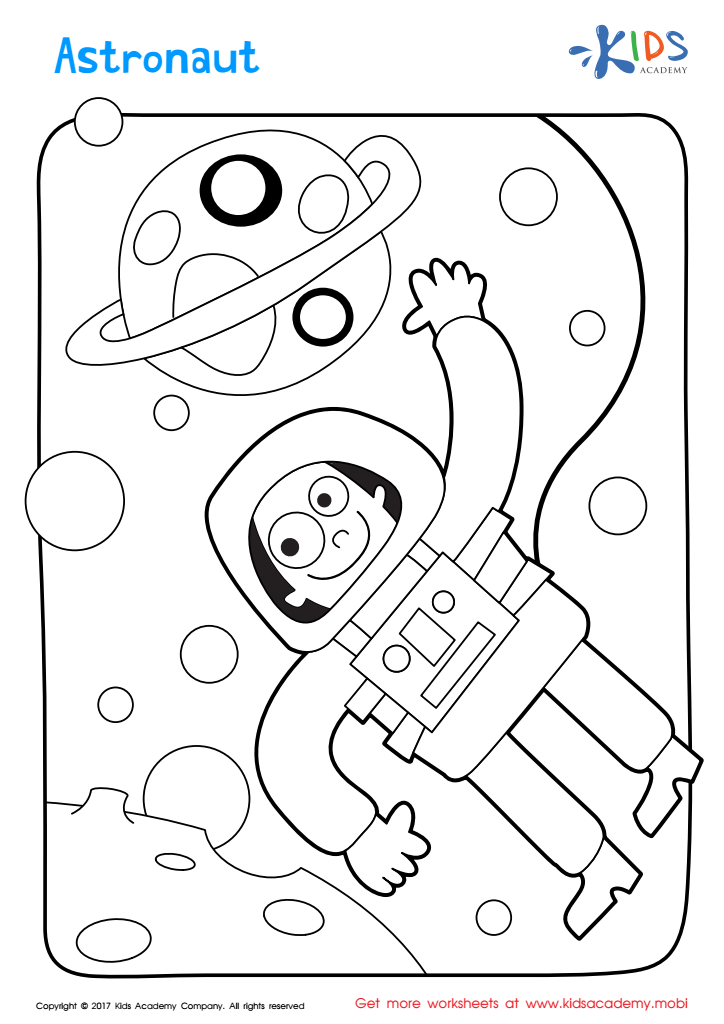
Astronaut Coloring Page
Assign to My Students
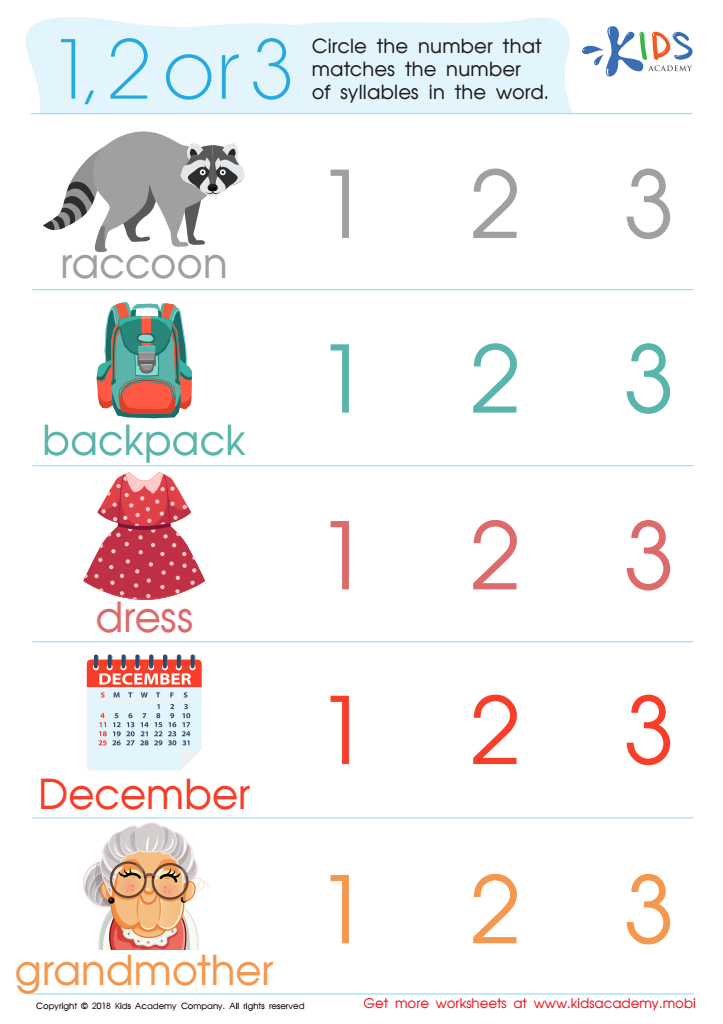
1, 2 or 3? Worksheet

Letter D Tracing Page
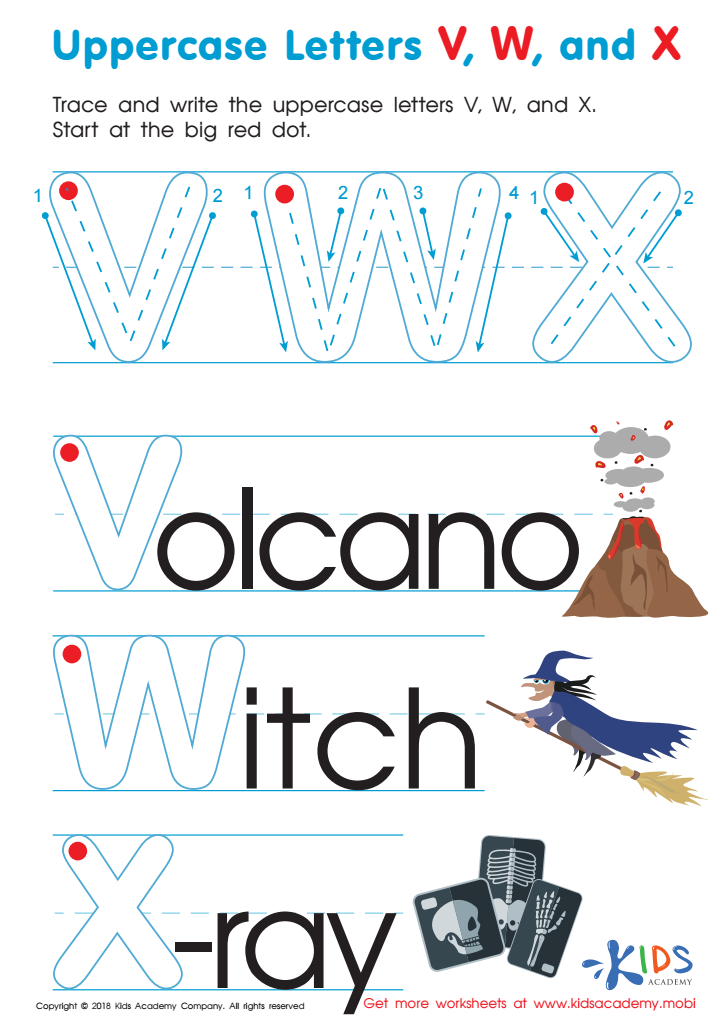
Uppercase Letters V, W, and X Worksheet
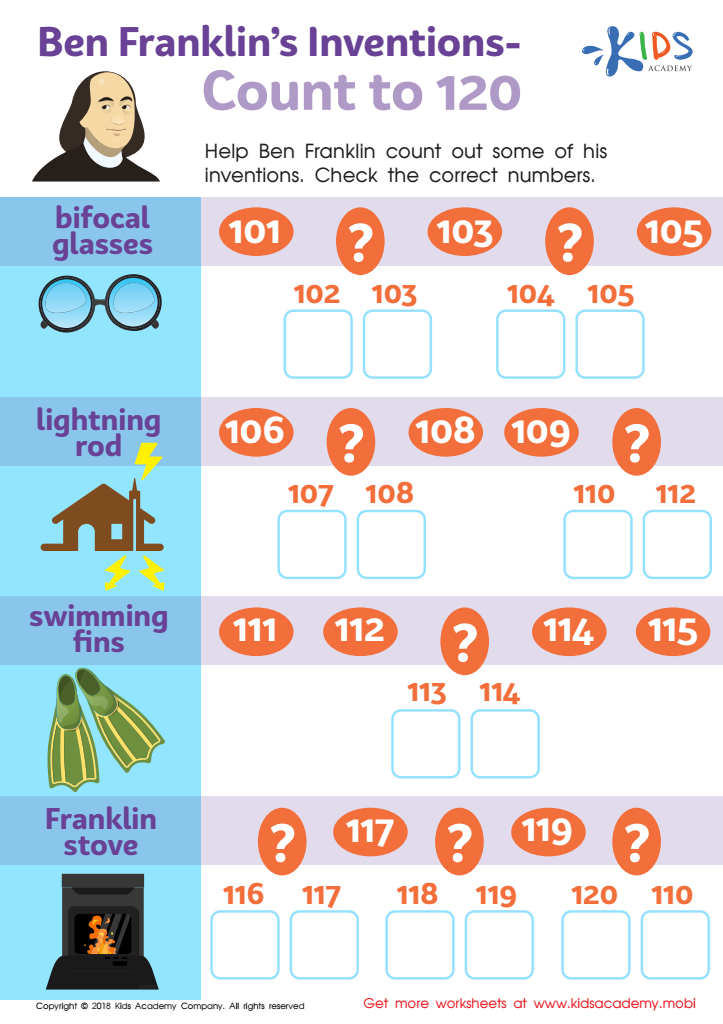
Ben Franklin’s Inventions – Count to 120 Worksheet








Fine motor skills, which involve the coordination of small muscles in movements like grasping, writing, and buttoning, are critical for children aged 3-7 as they form the foundation for academic and personal independence. Parents and teachers need to pay attention because these skills directly impact a child's ability to perform essential daily tasks and participate fully in school activities.
At this developmental stage, children are beginning to hold pencils, use scissors, fasten buttons, and tie shoelaces. If they struggle with fine motor skills, it can lead to frustration and decreased confidence. As a result, children may shy away from tasks involving these skills, hindering their academic progress and leading to gaps in learning.
Furthermore, age-appropriate fine motor skills are linked to cognitive development, including problem-solving and critical thinking. Activities that involve manipulating small objects not only enhance motor coordination, but also perseverance and focus. Early learners with strong fine motor skills often find it easier to transition to more complex educational tasks, such as reading and math.
Therefore, parents and teachers play a pivotal role in identifying and nurturing the development of these skills. Through structured activities, such as arts and crafts, puzzles, and playdough, they can support children in building their fine motor abilities, setting a strong foundation for both academic success and everyday competency.








