Geographic knowledge Normal Worksheets for Ages 3-7
3 filtered results
-
From - To
Unlock the world with our Geographic Knowledge Worksheets for Ages 3-7! Designed specifically for young explorers, these engaging worksheets introduce basic geography concepts, fostering curiosity and understanding of the world around them. Each worksheet is crafted to develop map-reading skills, recognize landforms, and identify continents and oceans through fun activities and illustrations. Perfect for home or classroom use, our worksheets support early learners in grasping essential geographical terms and concepts, all while nurturing a love for learning. Spark your child’s adventure and broaden their horizons with Kids Academy’s delightful geographic worksheets!
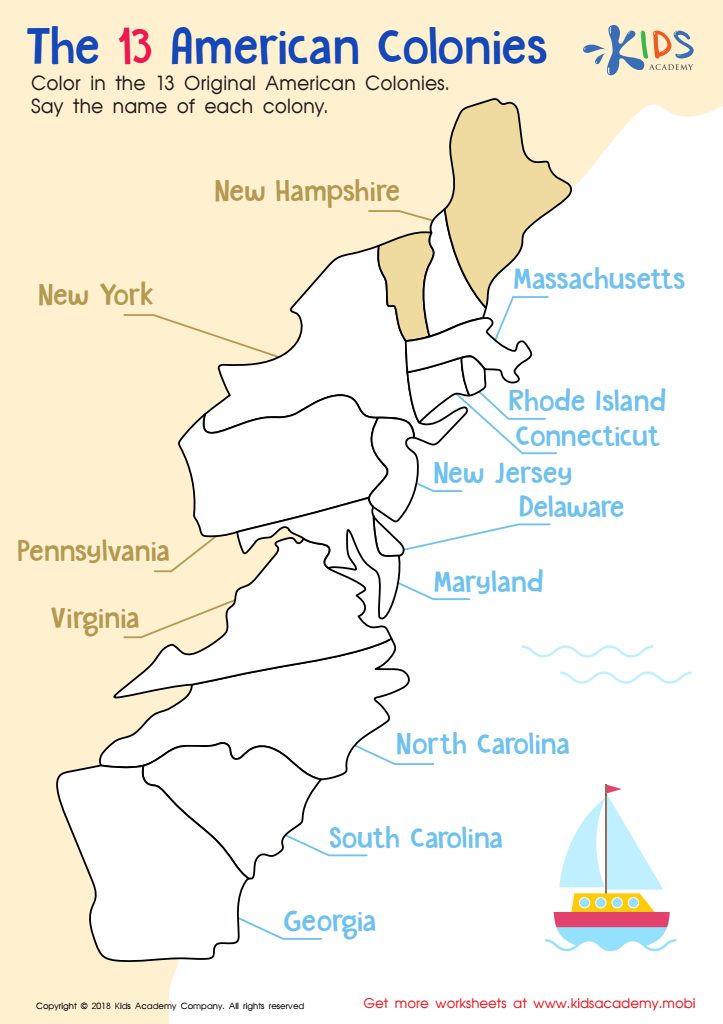
The 13 American Colonies Worksheet
 Assign to My Students
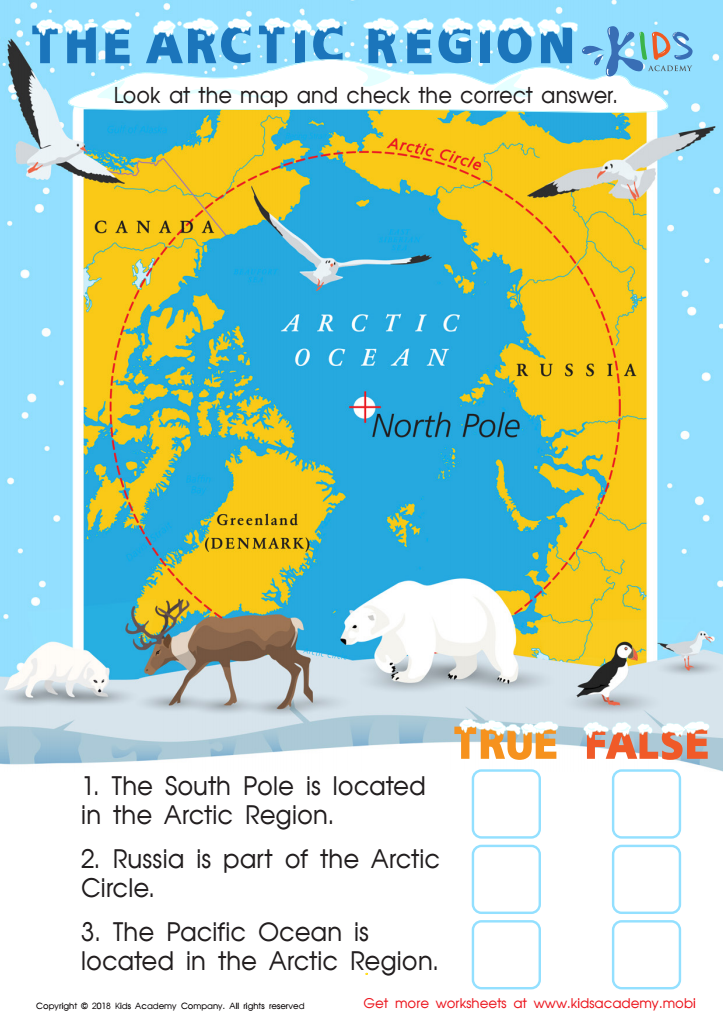
The Arctic Region Worksheet
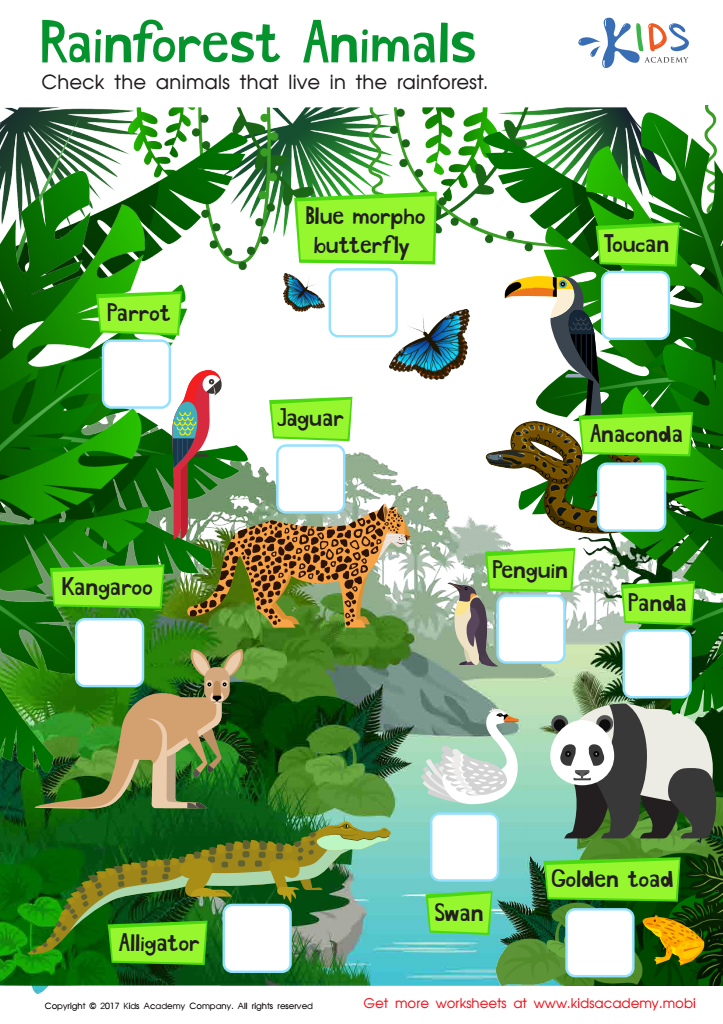
Rainforest Animals Worksheet





Understanding geography is essential for young children (ages 3-7), and both parents and teachers should prioritize it because it lays the foundation for cognitive, social, and emotional development. At this age, kids are naturally curious about the world around them. Introducing them to basic geographic concepts helps them understand their environment, fostering an early appreciation for the diversity and vastness of the world.
Geographic knowledge enhances spatial thinking, which is crucial for problem-solving and logical reasoning. Learning about maps, directions, and physical landscapes allows children to make connections between different places and comprehend their own location in a broader context.
Furthermore, geography cultivates empathy and cultural awareness. Understanding geographic differences teaches children about various cultures, lifestyles, by lands and people from other parts of the world, children learn to value diversity, promoting inclusivity and tolerance.
Early geographic knowledge also aligns with the development of other academic skills. It supports literacy through the introduction of new vocabulary and nurtures mathematical abilities by teaching concepts like distance and direction.
Involving geographic education through fun, interactive activities and outdoor exploration, parents and teachers empower children with the tools they need for lifelong learning and global citizenship. It inspires curiosity and creates a solid foundation for understanding complex global issues as they grow older.








