Letter Tracing Practice Normal Worksheets for Ages 3-7
6 filtered results
-
From - To
Enhance your child’s writing skills with our "Letter Tracing Practice Normal Worksheets" designed for ages 3-7! These engaging worksheets provide young learners with a fun and interactive way to master letter formation. Each worksheet features uppercase and lowercase letters along with guided tracing lines to help children build confidence and coordination in their handwriting. Perfect for use at home or in the classroom, our resources promote fine motor skills, letter recognition, and early literacy. Download these valuable, age-appropriate worksheets today and watch your child develop essential writing skills while enjoying the learning process!
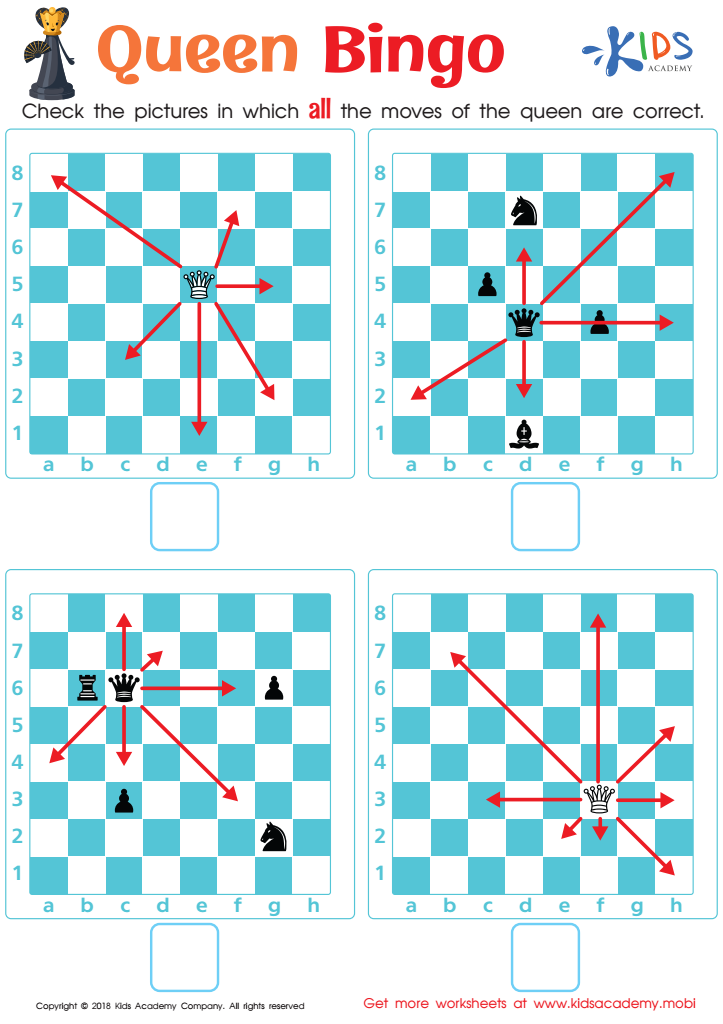
Queen Bingo Worksheet
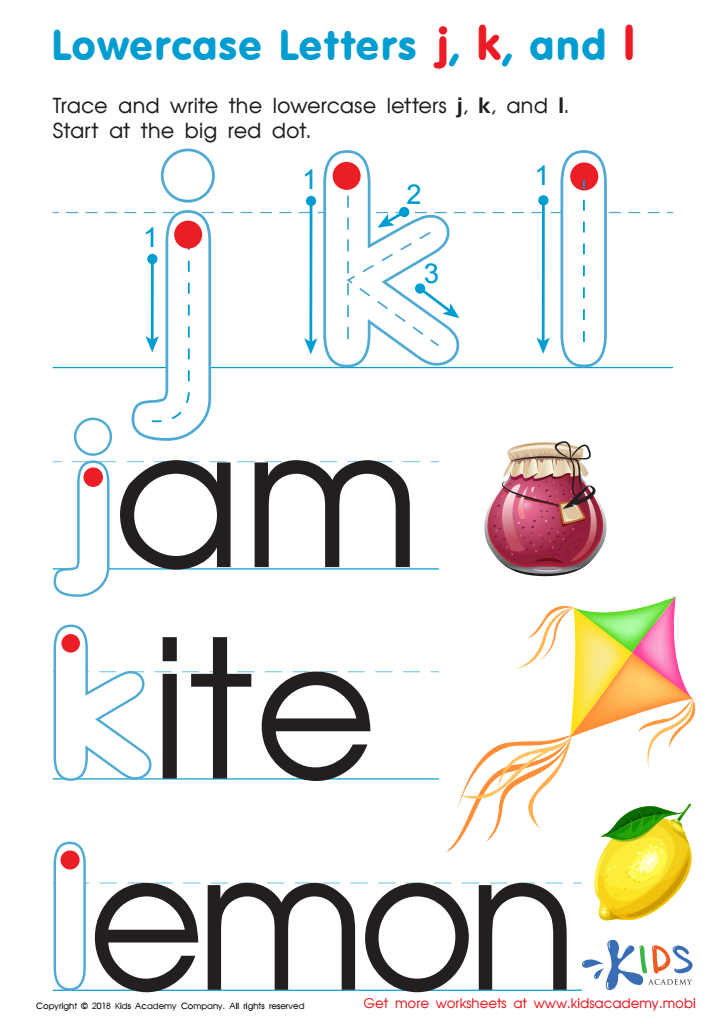
Lowercase Letters j k l Worksheet
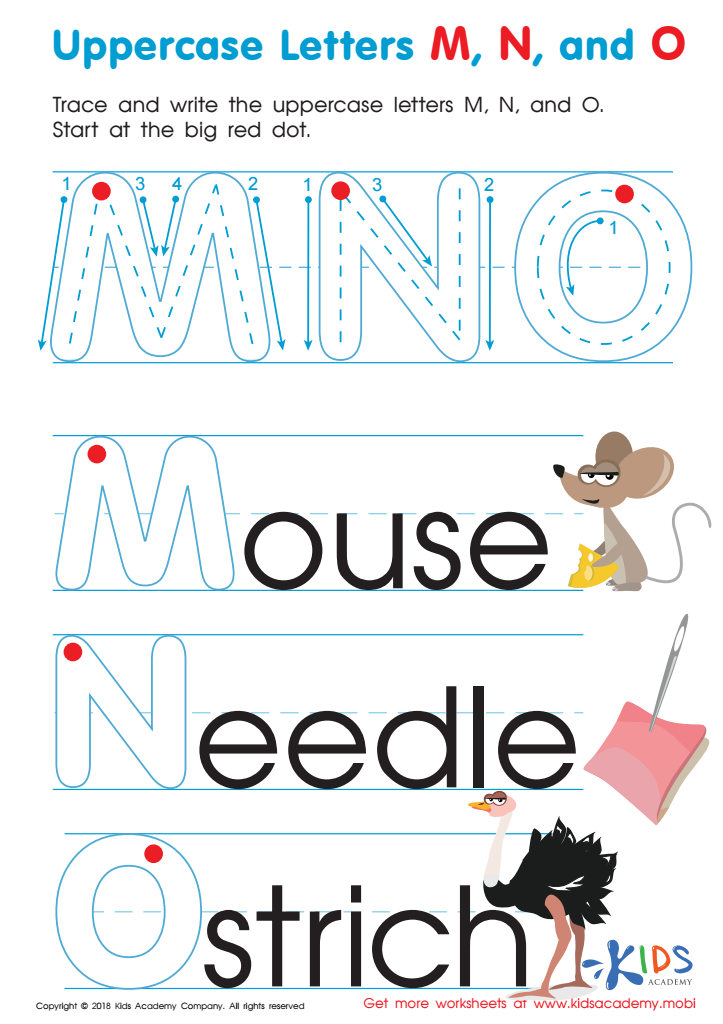
Uppercase Letters M, N, and O Worksheet
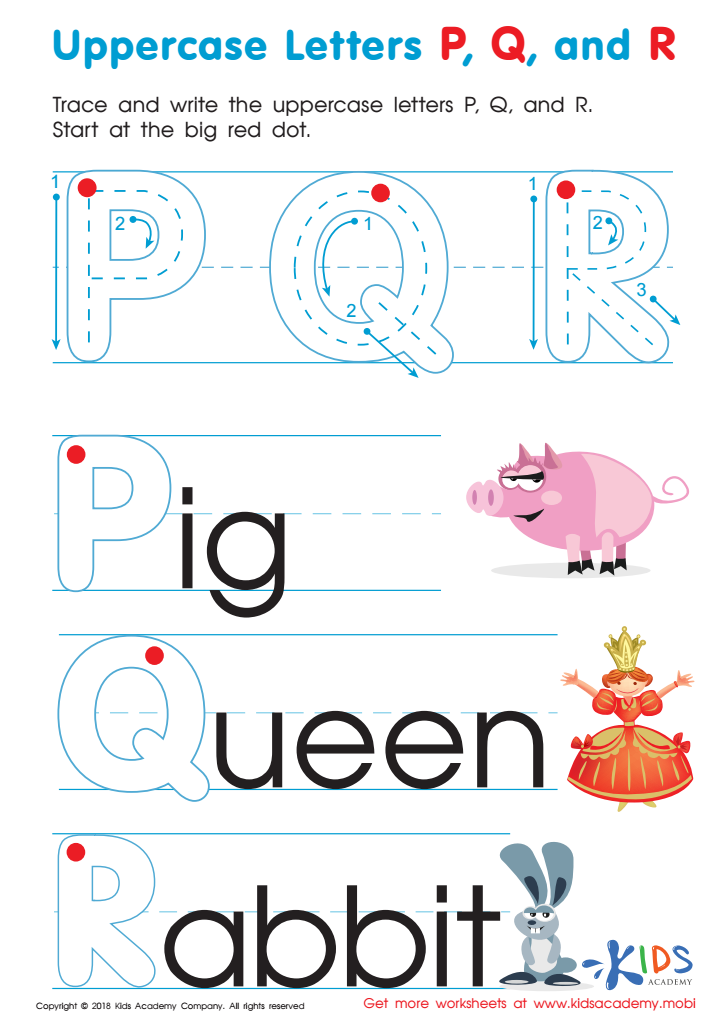
Uppercase Letters P, Q, and R Worksheet
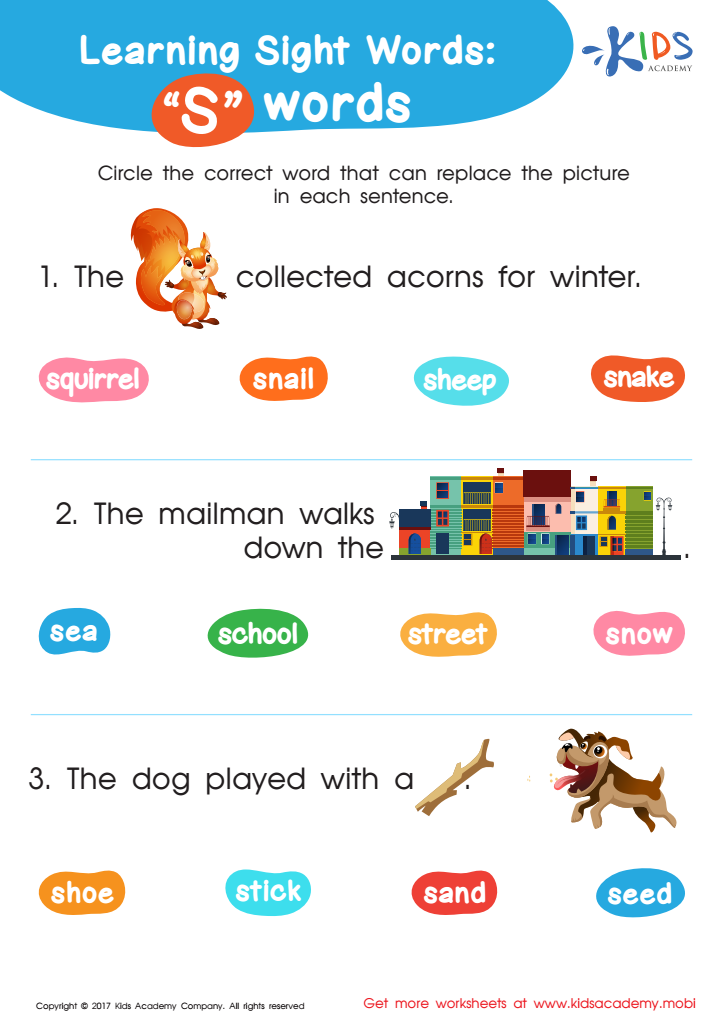
S Words Sight Words Worksheet
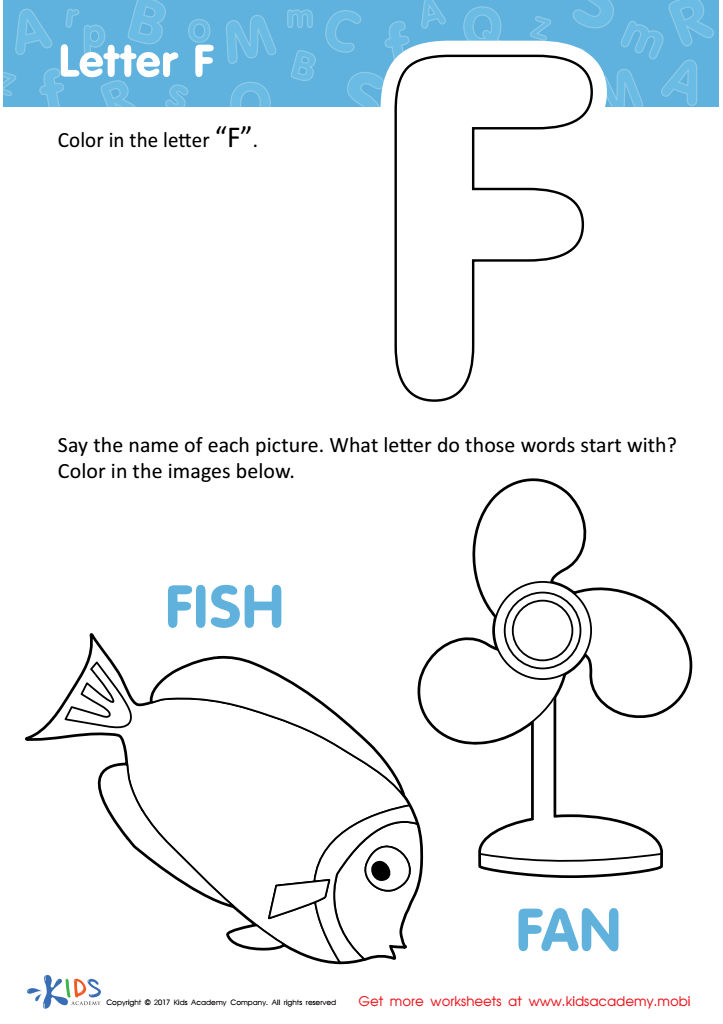
Letter F Coloring Sheet
 Assign to My Students








Letter tracing practice is crucial for children aged 3-7 as it lays the foundation for future literacy and writing skills. First and foremost, tracing helps young learners develop fine motor skills and hand-eye coordination, essential for writing effectively. Through repetitive motion, children practice holding a pencil and controlling their movements, which is fundamental for overall handwriting legibility.
Moreover, letter tracing reinforces letter recognition and phonemic awareness, both of which are key components of reading readiness. As children trace letters, they simultaneously learn the shapes and sounds of letters, facilitating a stronger connection between written and spoken language.
It also fosters a sense of achievement. When children see their own progress from tracing basic shapes to writing complete letters independently, it boosts their confidence and motivation to learn. This positive reinforcement can encourage a lifelong love for writing and reading.
For parents and teachers, incorporating letter tracing activities into daily routines not only supports academic growth but also creates engaging, hands-on learning experiences that resonate with young learners. In a digital age,such tangible skill-building activities are vital for developing resilient and capable learners who are prepared to excel in their educational journey.








