Recognizing shapes Normal Worksheets for Ages 3-7
3 filtered results
-
From - To
Discover our "Recognizing Shapes Normal Worksheets for Ages 3-7," designed to engage young learners in shape recognition through fun and interactive activities. These worksheets help children identify, match, and categorize various shapes while enhancing their fine motor skills and critical thinking abilities. Ideal for home or classroom use, our printable resources feature captivating illustrations and easy instructions, making learning enjoyable. Tailored to meet the developmental needs of preschool and early elementary students, these worksheets encourage creativity and boost confidence in young learners. Download now and give your child a head start on their journey to shape mastery!
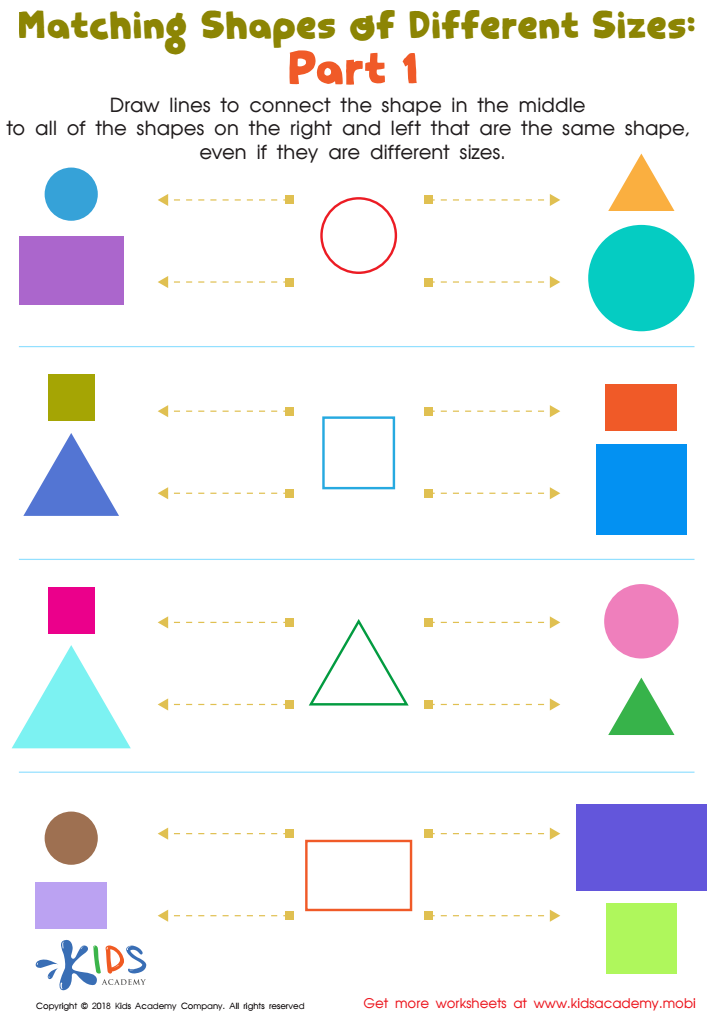
Geometry: part 1 Worksheet
 Assign to My Students
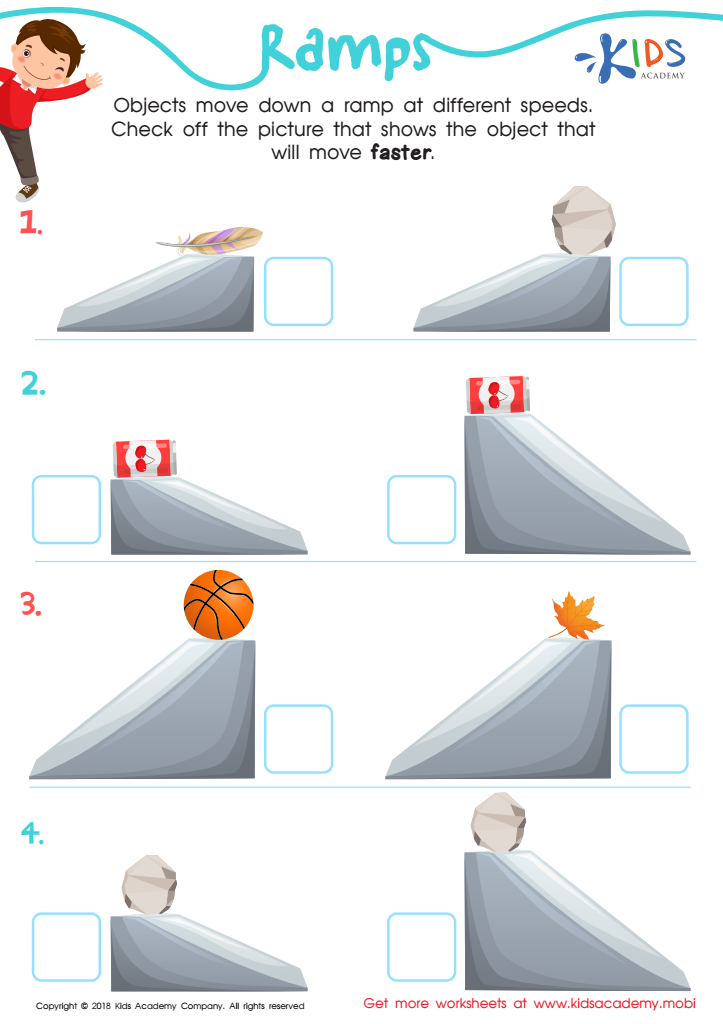
Ramps Worksheet
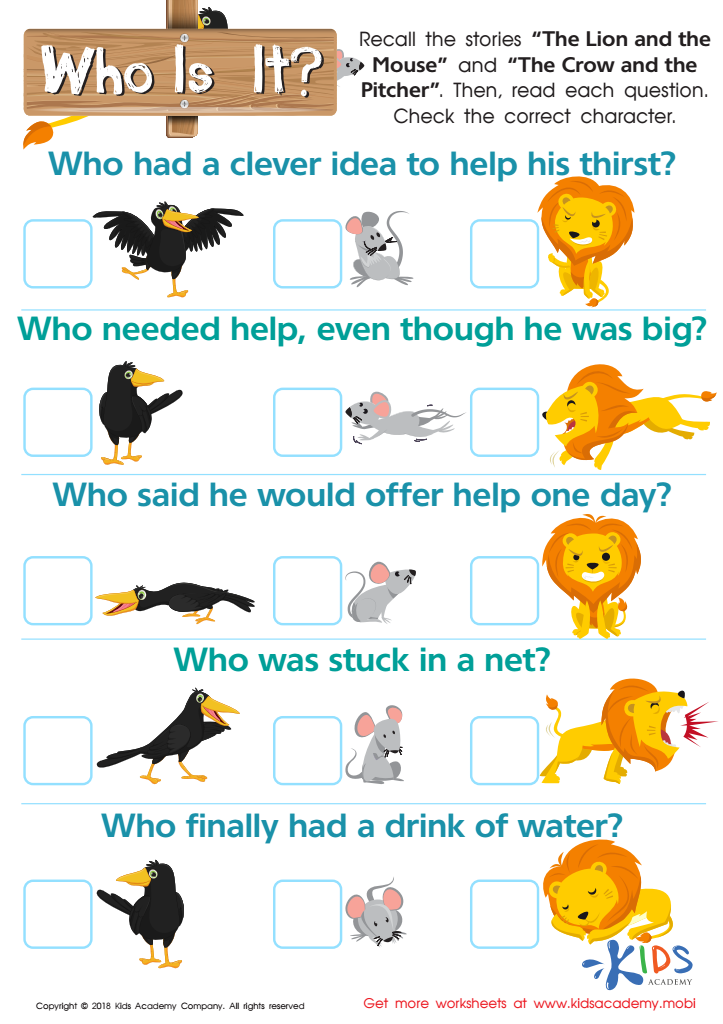
Who Is It? Worksheet








Recognizing shapes is a fundamental skill that lays the groundwork for essential learning in young children aged 3-7. For parents and teachers, nurturing shape recognition is crucial for several reasons. First, it enhances cognitive development by promoting critical thinking and spatial awareness. When children identify and categorize shapes, they learn to distinguish between different properties and relationships, which is vital for math skills later on.
Furthermore, recognizing shapes is a precursor to understanding more complex concepts such as geometry and measurement. By engaging in activities that involve shapes, children also develop fine motor skills through tracing or manipulating objects, supporting their overall physical development.
Socially, recognizing shapes can also encourage collaboration and communication among peers during group activities, fostering teamwork and language development. Ultimately, early shape recognition lays the foundation for more profound learning experiences. By valuing this skill, parents and teachers can assist children in building confidence, enhancing their curiosity, and preparing them for future academic success, particularly as they transition to more structured learning environments. Prioritizing shape recognition at this developmental stage can significantly impact a child's overall educational journey.








