Understanding life cycles Normal Worksheets for Ages 3-7
4 filtered results
-
From - To
Explore engaging and educational life cycle worksheets tailored for children aged 3-7 at Kids Academy. Our carefully designed printable resources help young learners grasp the fascinating stages of various life cycles across the animal and plant kingdoms. With bright illustrations, simple instructions, and age-appropriate activities, these worksheets foster a deeper understanding of nature and scientific concepts. Ideal for both home and classroom settings, these tools make early learning enjoyable and informative, laying a strong foundation for future scientific curiosity. Visit Kids Academy to download these free, high-quality worksheets and encourage your child's curiosity and blossoming knowledge today!
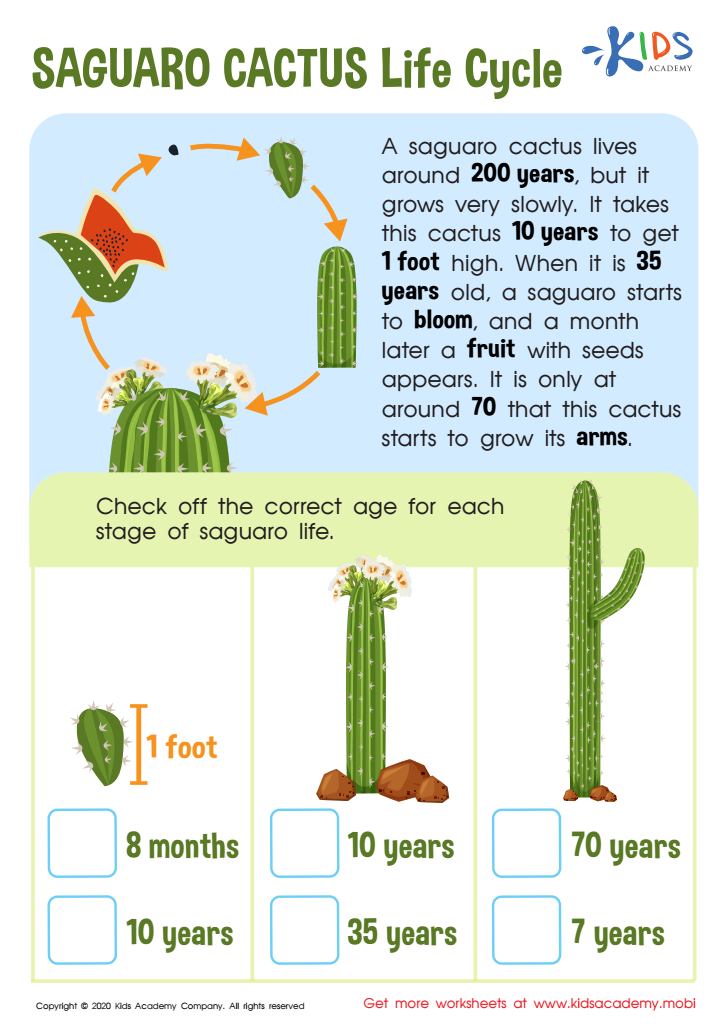
Saguaro Cactus Life Cycle Worksheet
 Assign to My Students
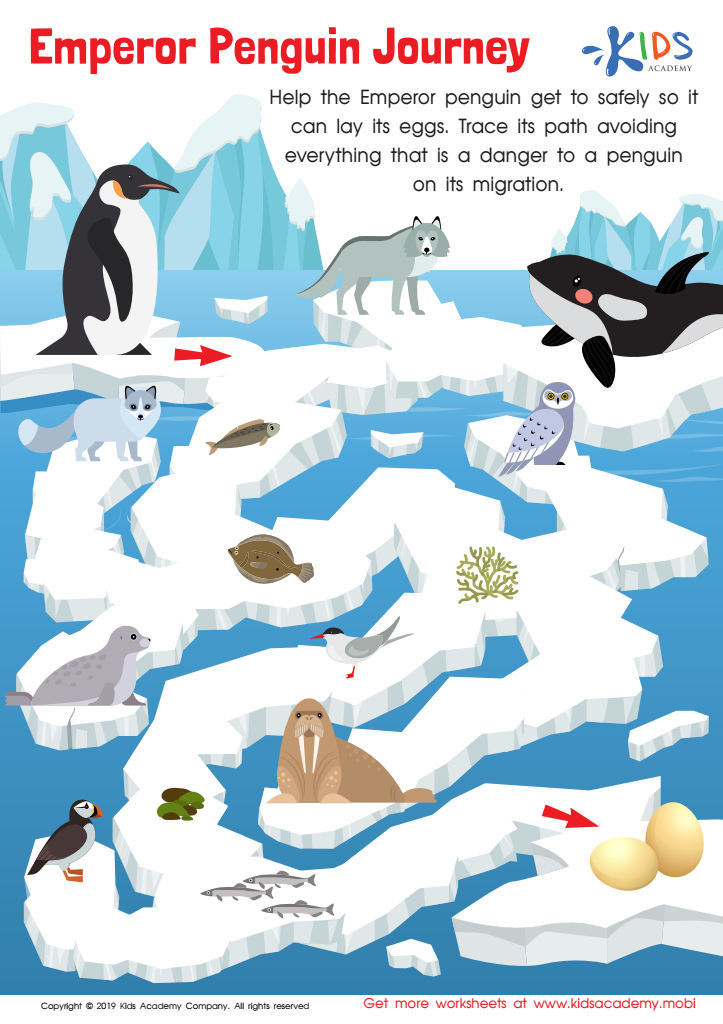
Emperor Penguin Journey Worksheet
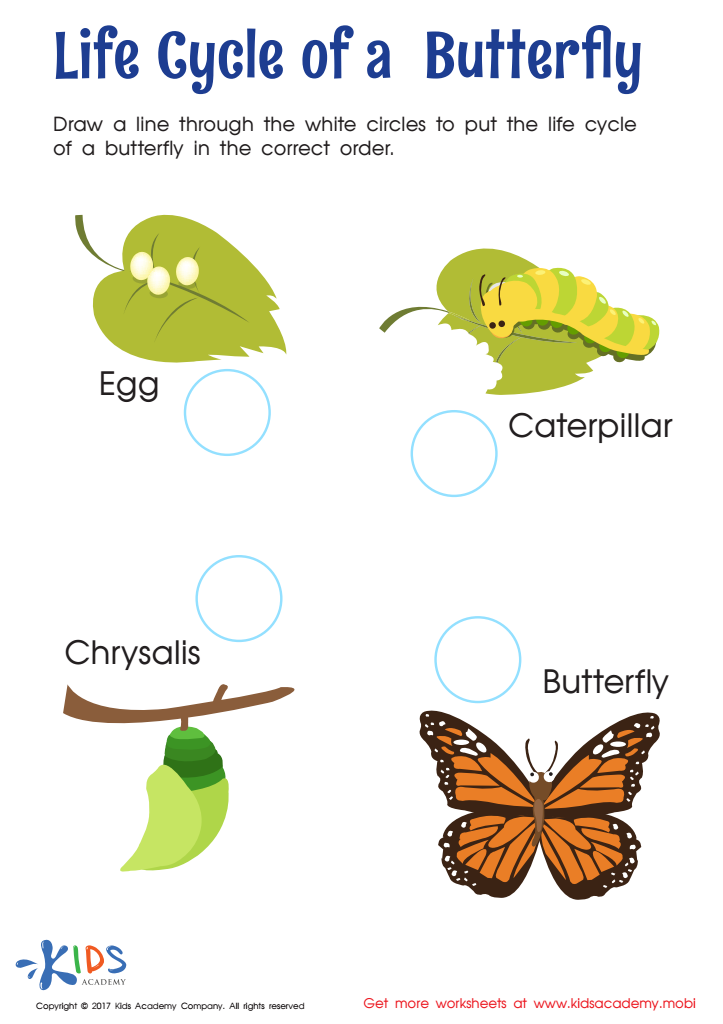
Life Cycle of Butterfly Worksheet
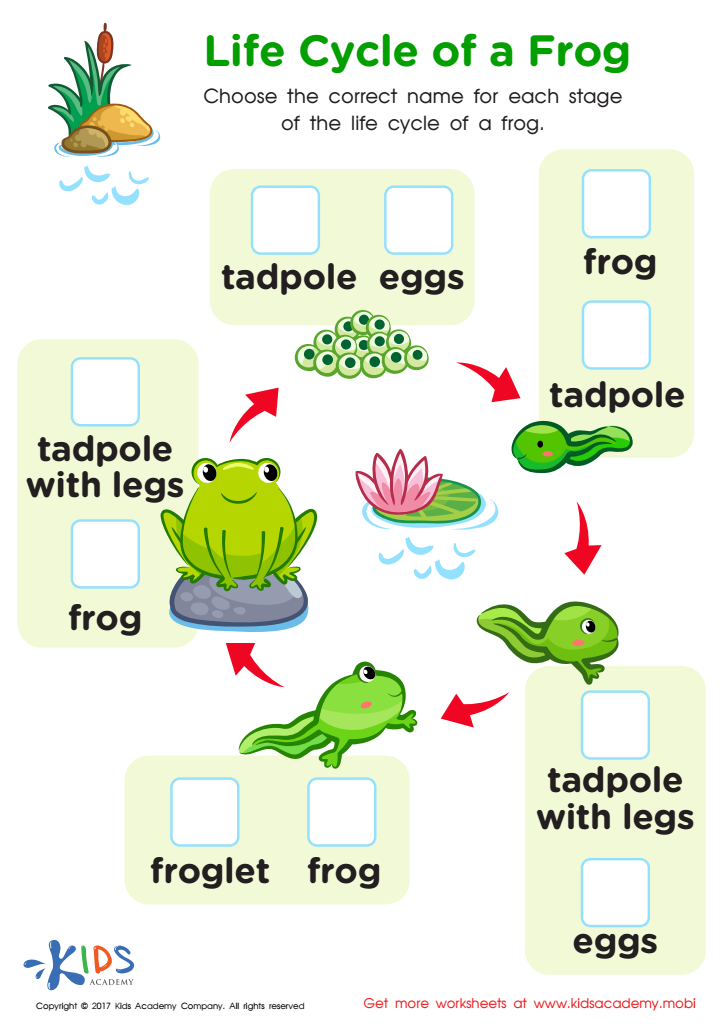
Life Cycle Frog Printable







Understanding life cycles is fundamental for young children as it fosters both intellectual curiosity and emotional development. For parents and teachers, bringing this concept into the lives of children aged 3-7 provides numerous benefits. First, learning about life cycles promotes critical thinking. Children begin to comprehend how living things grow, change, and reproduce.
This foundational knowledge encourages observation skills and logical sequencing—key components of scientific thinking. They learn, for instance, how a caterpillar transforms into a butterfly or how a seed grows into a plant, which also instills an appreciation for nature and environmental stewardship.
Emotionally, understanding life cycles can help children cope with changes and transitions in their own lives. Recognizing that growth and change are natural processes can be reassuring, particularly during periods of stress or when faced with new experiences. It also aids in developing empathy, as children understand living beings' various stages and needs.
Socially, discussing life cycles in a classroom or at home prompts collaborative learning and conversation, enhancing communication skills and team spirit. In essence, knowledge of life cycles is a seed that can cultivate a well-rounded, curious, and empathetic individual. Parents and teachers who prioritize this area of learning are laying the groundwork for a lifetime of inquiry and understanding.








