Reading comprehension Normal 2D Shapes Worksheets for Ages 3-7
4 filtered results
-
From - To
Our Reading Comprehension Normal 2D Shapes Worksheets for Ages 3-7 combine engaging activities with fundamental math concepts to enhance young learners' skills. Designed to be both fun and educational, these worksheets help children recognize and understand basic 2D shapes while boosting their reading comprehension. Each sheet presents colorful shapes paired with simple, age-appropriate text to make learning enjoyable. Perfect for early grade students, our resources support the development of critical thinking and problem-solving abilities through interactive exercises. Give your child a head start in math and reading with these thoughtfully crafted educational tools.
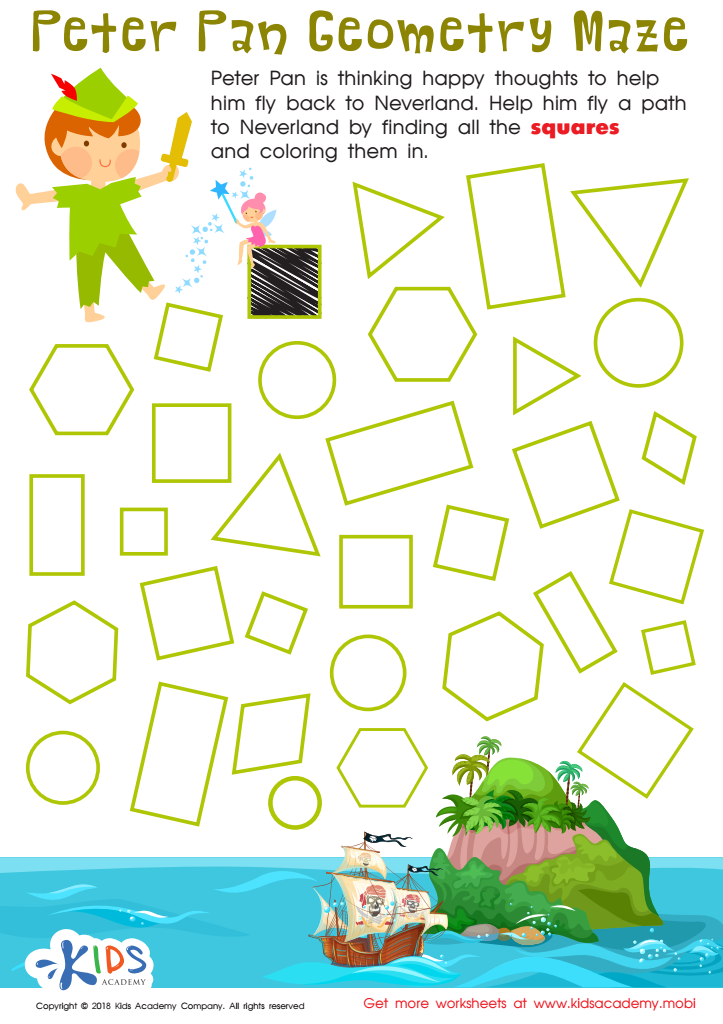
Peter Pan Worksheet
 Assign to My Students











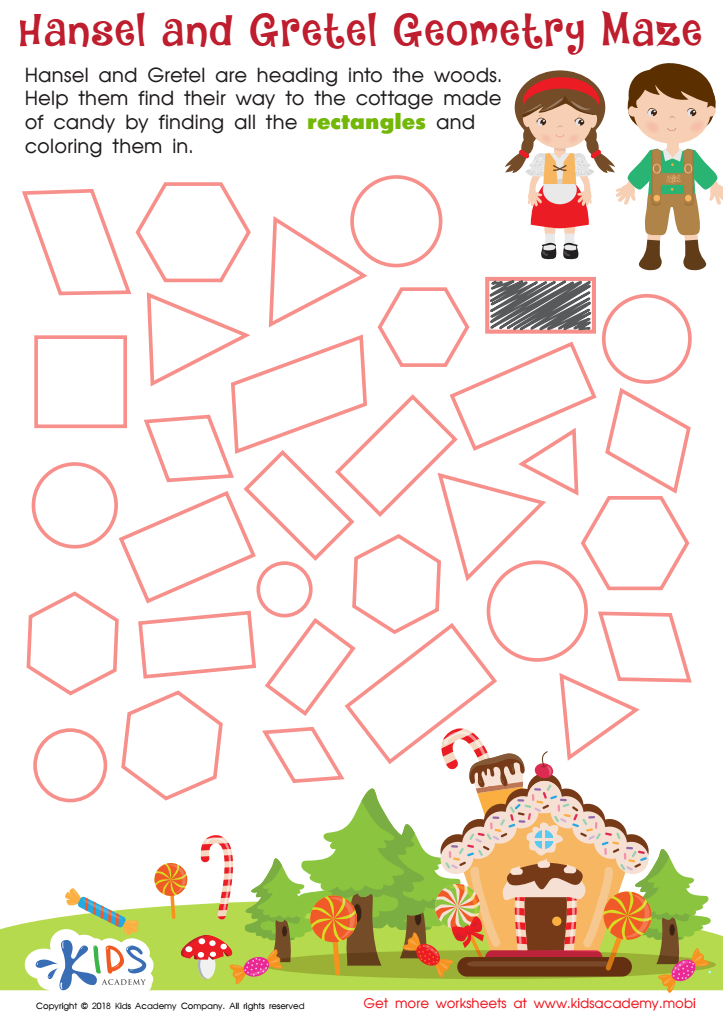
Hansel and Gretel Geometry Maze Worksheet
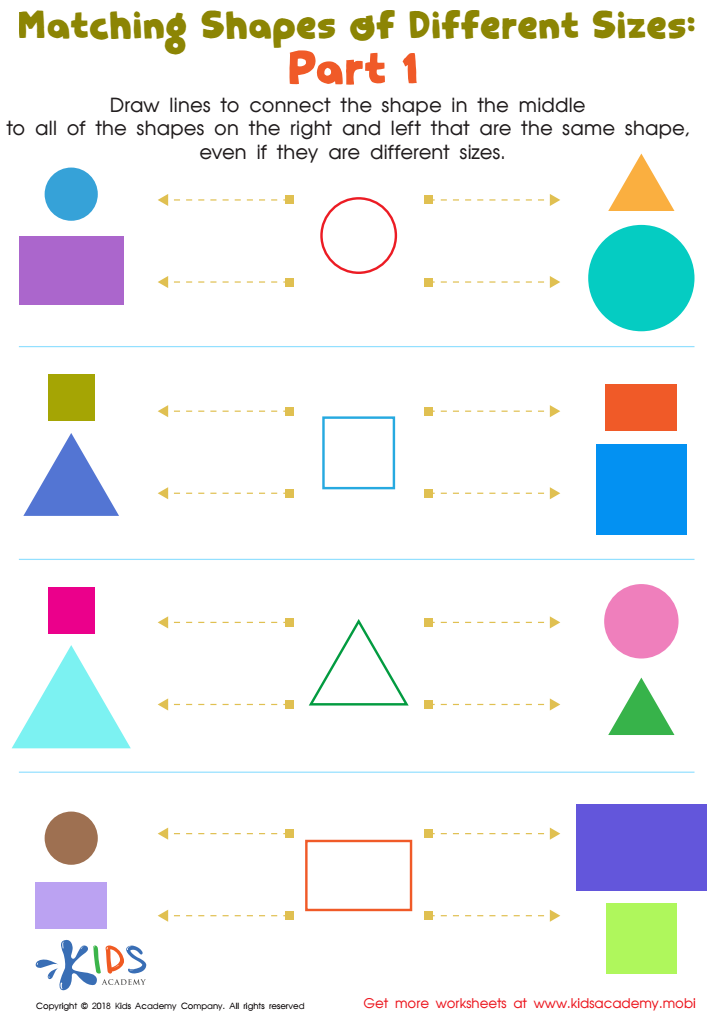
Geometry: part 1 Worksheet
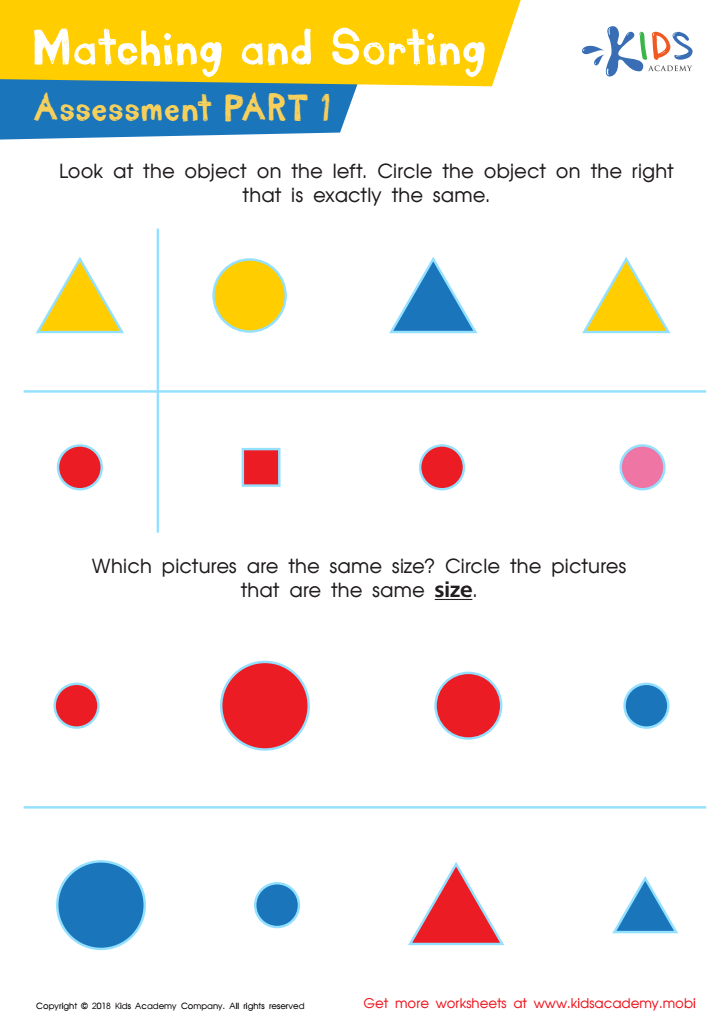
Matching and Sorting for Kindergarten: Assessment 1 Worksheet








Understanding reading comprehension and normal 2D shapes in early childhood (ages 3-7) is essential for parents and teachers as these skills form the bedrock of future academic success and everyday functioning.
Reading comprehension at this tender age ensures that children not only recognize and pronounce words but also grasp their meanings. This early comprehension sparks a love for reading, fuels imagination, and builds vocabulary, setting children on a path to becoming confident, lifelong learners. It's crucial for developing critical thinking and problem-solving abilities, enabling them to understand instructions, follow narratives, and engage in complex thinking later on.
Likewise, familiarity with 2D shapes (such as circles, squares, triangles) introduces children to geometry and spatial awareness. Recognizing and naming shapes helps refine their cognitive skills and fine motor abilities, aiding in writing and drawing. It's these skills that feed into more complex math and science concepts as they progress in school.
Additionally, understanding shapes and patterns also strengthens their ability to notice relationships and patterns in the world, fostering analytical skills. Real-world activities, like recognizing stop signs or sorting blocks, become manageable and educational. By integrating these basics into early learning, parents and teachers are not just teaching children facts but building their confidence and setting a structure for all future learning disciplines.