Normal Comparing Numbers Worksheets for Ages 3-7 - Page 2
25 filtered results
-
From - To
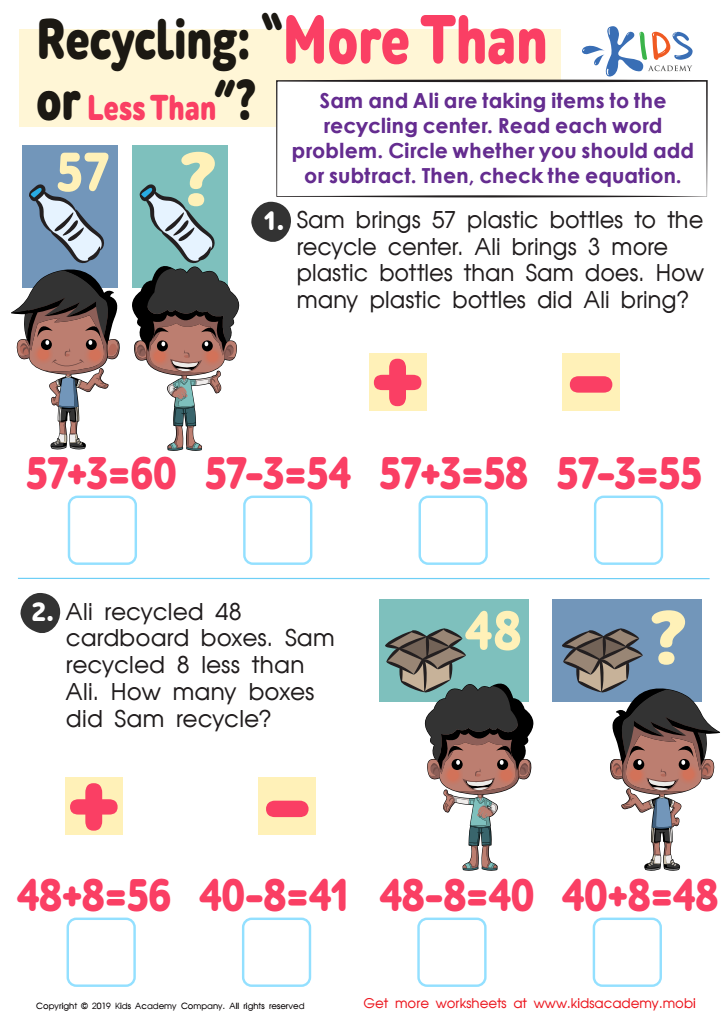
Recycling - More or Less Worksheet
 Assign to My Students
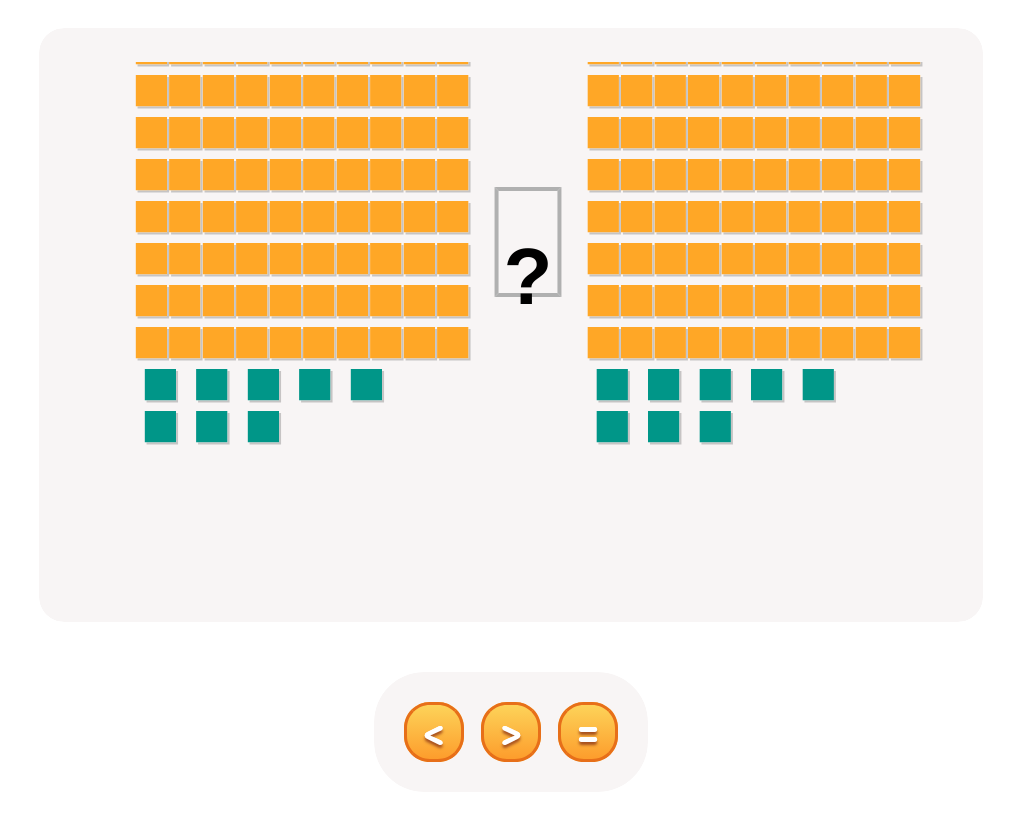

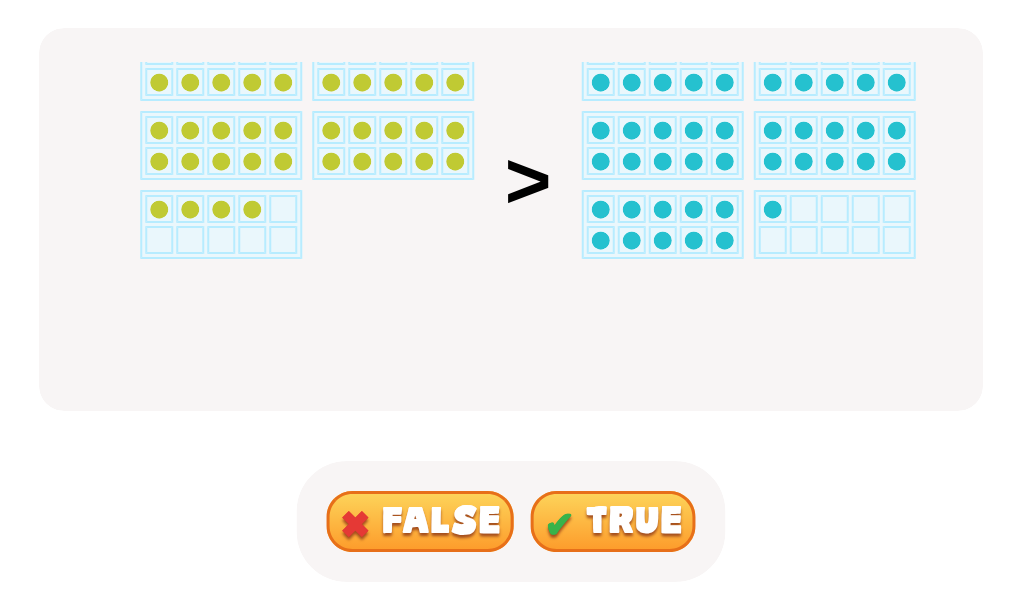
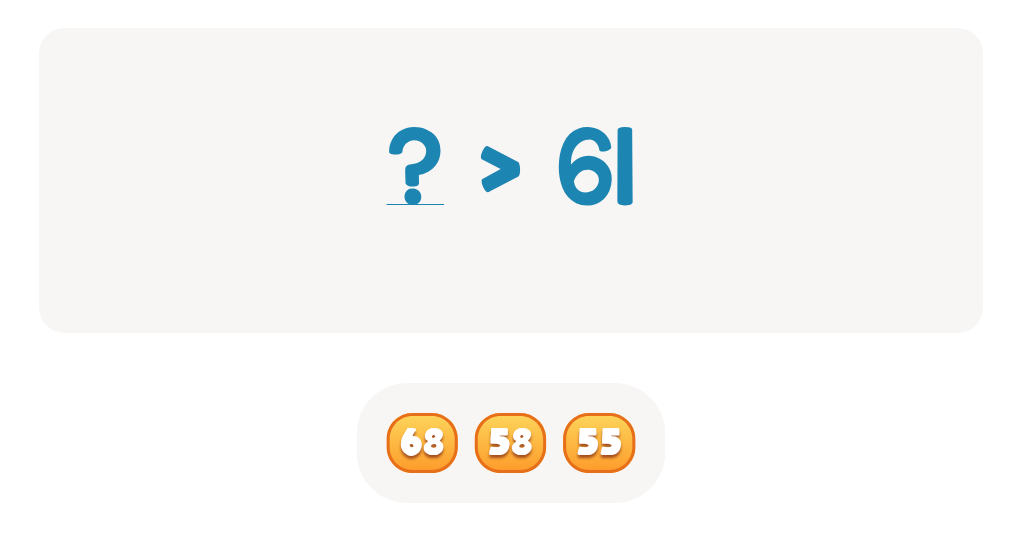
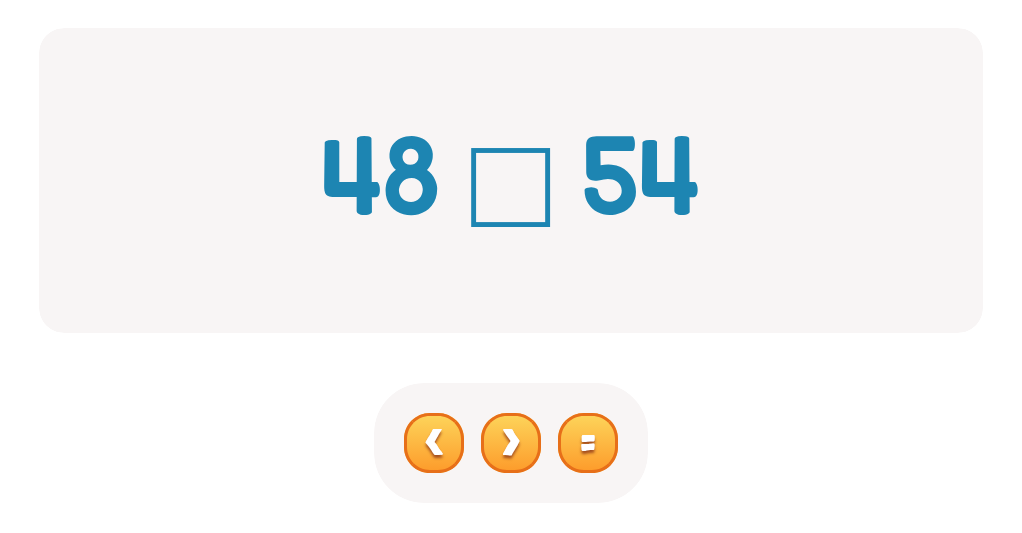
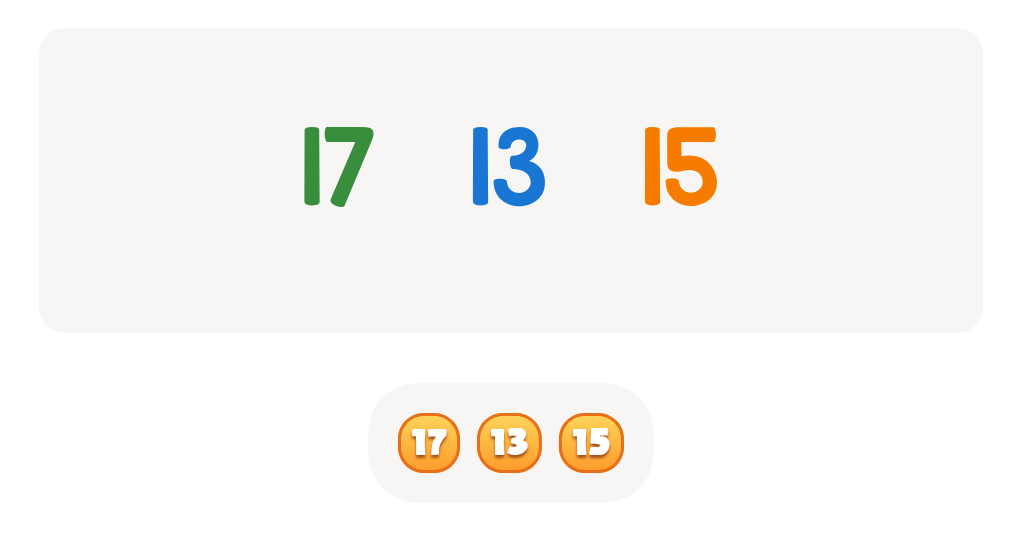
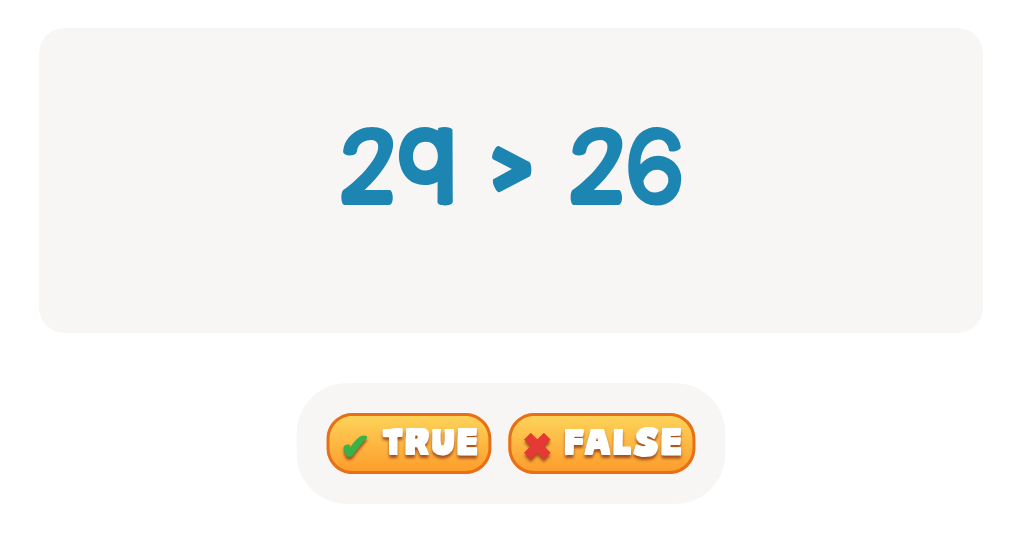
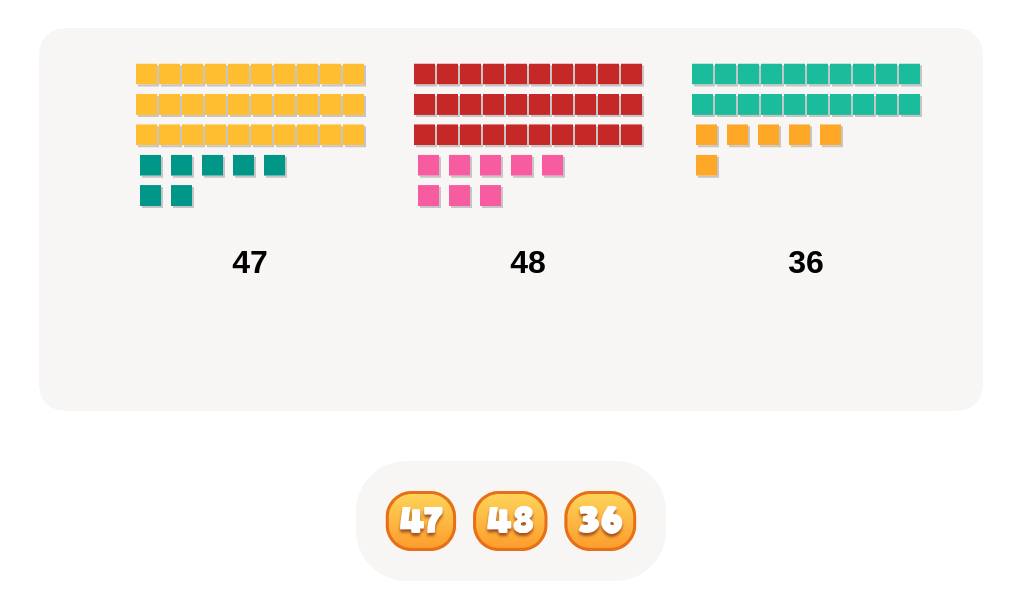
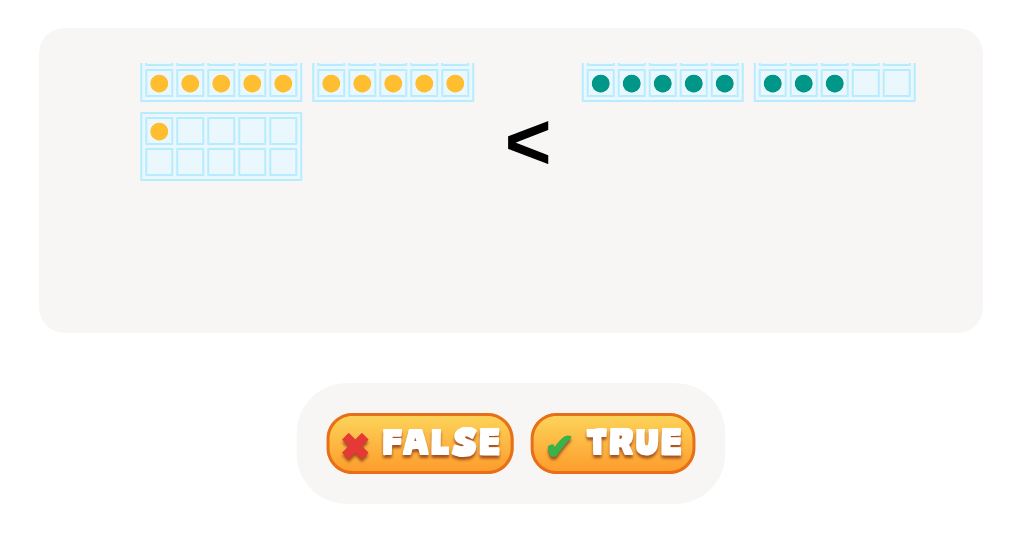





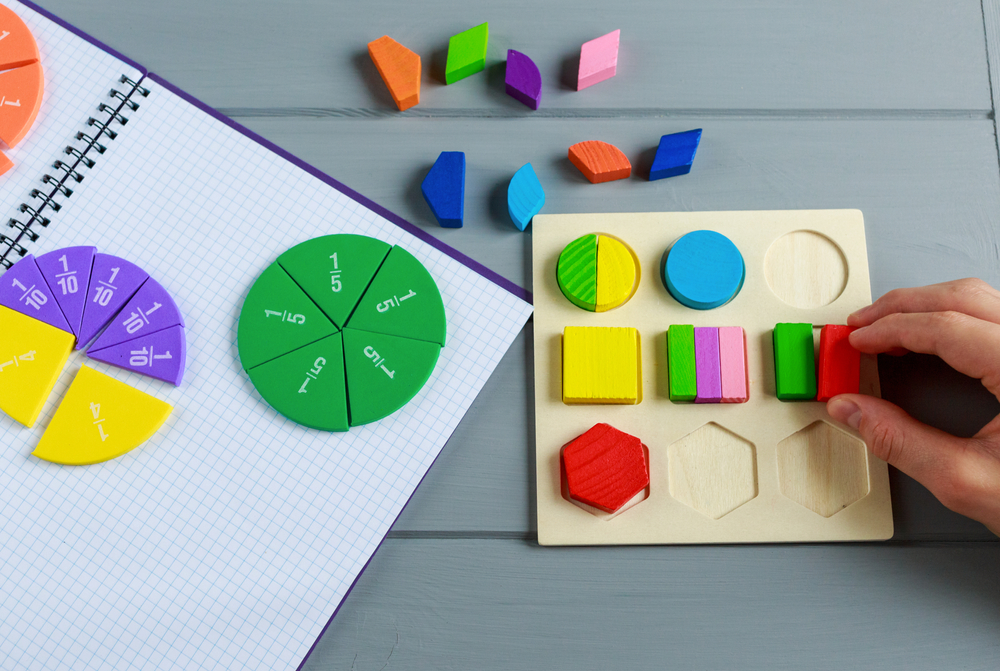


Normal Comparing Numbers for ages 3-7 is fundamentally important for a child’s early development and can lay the foundation for future math skills. At this stage, children are naturally curious and developing cognitive skills, and comparing numbers helps to enhance these abilities in an engaging way.
Firstly, comparing numbers aids in understanding size relationships, quantity, and value. This forms the bedrock for more complex mathematical concepts, including addition, subtraction, and understanding number sequences. When children compare numbers, they begin to grasp which numbers are larger or smaller, fostering their ability to make decisions based on numerical information.
Secondly, this activity improves logical thinking and critical problem-solving skills. It encourages kids to make judgments, analyze differences, and arrive at conclusions, all of which are essential life skills beyond mathematics.
Moreover, comparing numbers contributes to language development. Phrases such as "greater than," "less than," and "equal to" enrich a child's vocabulary and comprehension abilities. This verbal-number connection is crucial for effective communication and literacy.
Lastly, incorporating comparing numbers into playtime activities makes learning fun and instills a positive attitude towards math. This early positive exposure can increase confidence and reduce fear associated with math in later years.
Overall, caring about and engaging in comparing numbers with young children plays a significant role in their overall intellectual growth and future academic success.