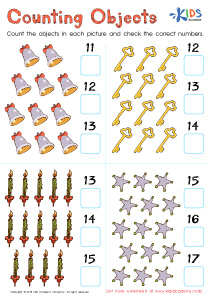
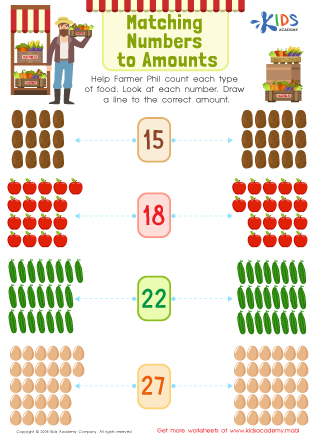
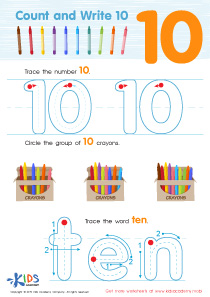
Problem-Solving Skills Normal Comparing Numbers Worksheets for Ages 3-7
3 filtered results
-
From - To
Enhance your child's problem-solving abilities with our engaging "Comparing Numbers" worksheets, designed for ages 3-7. These fun and educational activities introduce young learners to fundamental math concepts, helping them understand the values of different numbers through direct comparison. By participating in interactive exercises, children will develop critical thinking skills, improve their number recognition, and learn how to make informed predictions and judgments. Our worksheets provide a variety of formats, ensuring that learning remains exciting and accessible. Perfect for classroom work or homework, these resources foster a love for math while building essential problem-solving skills that lay the foundation for future success.
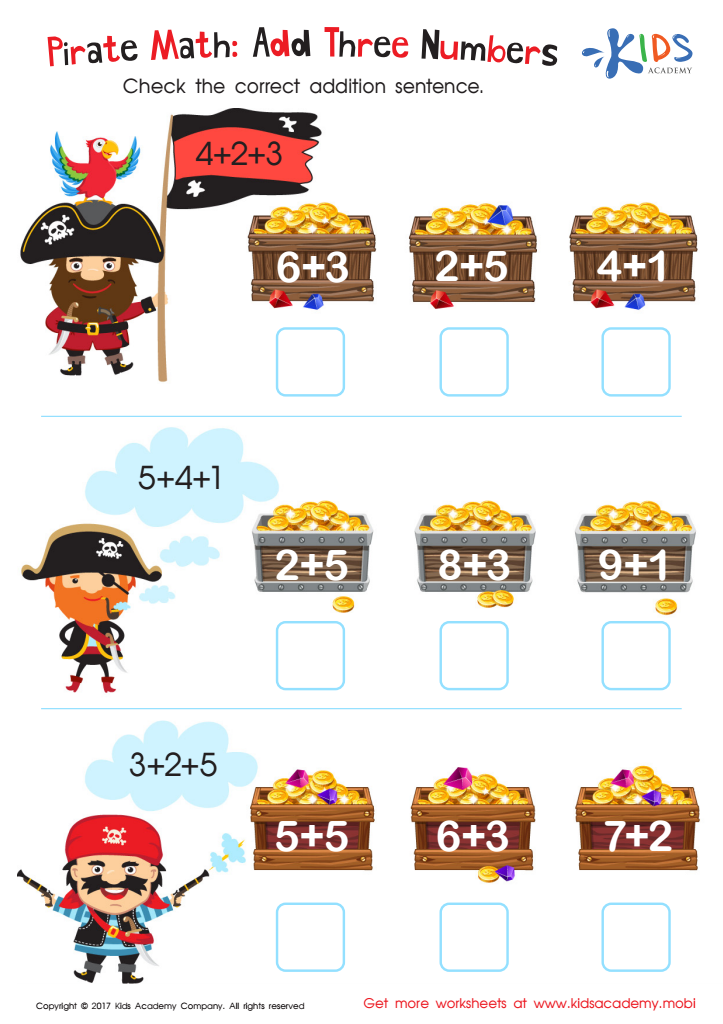
Pirate Math Printable
 Assign to My Students
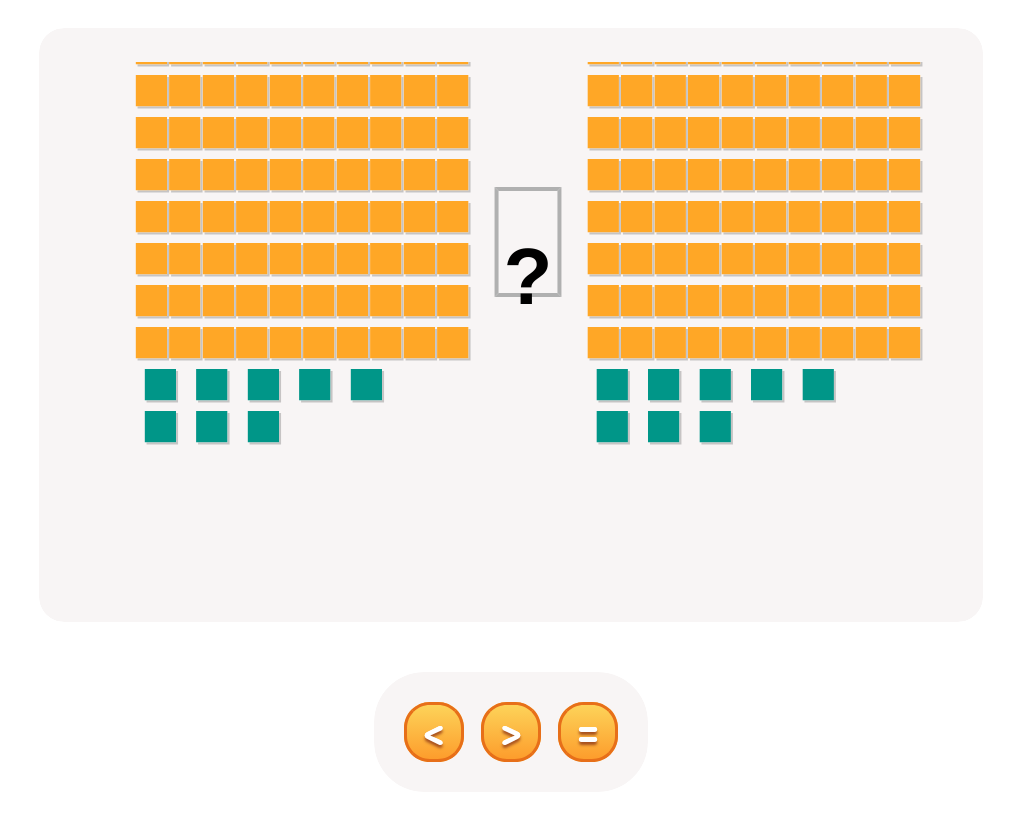

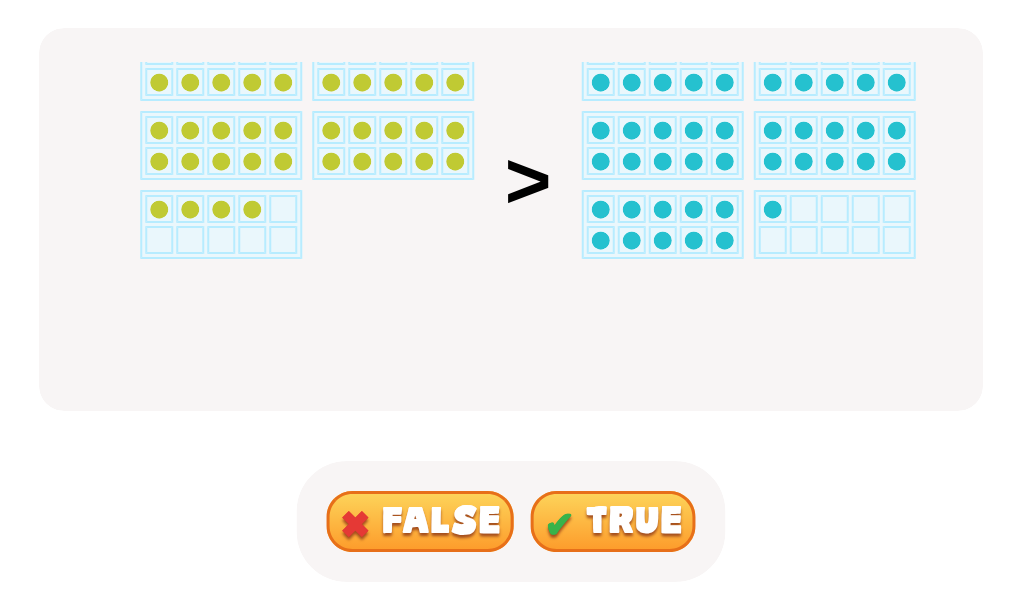
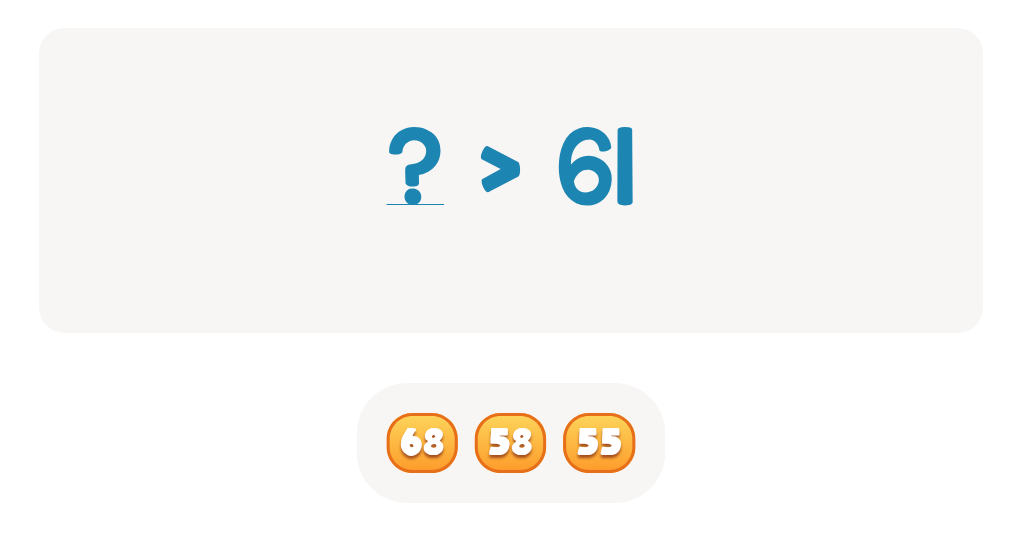
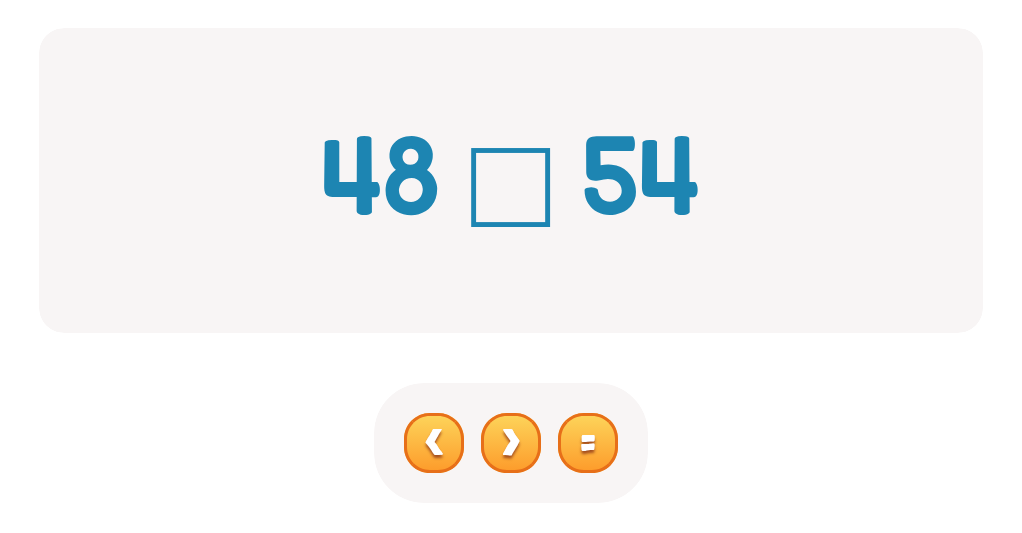
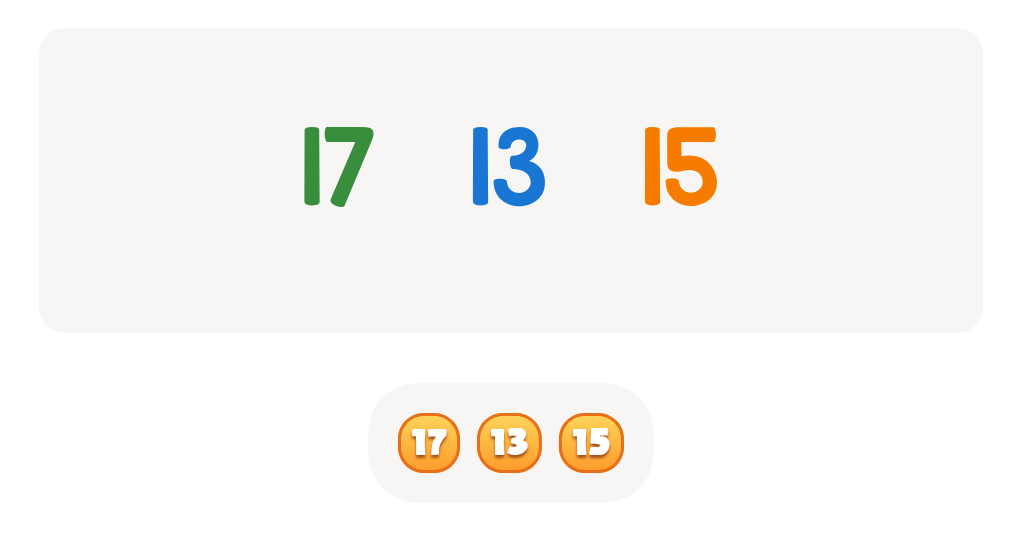
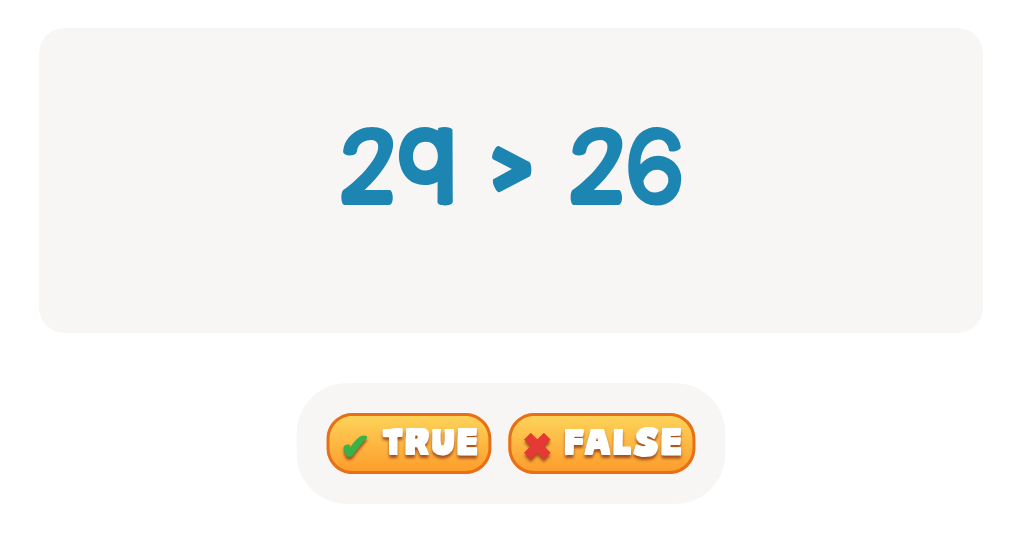
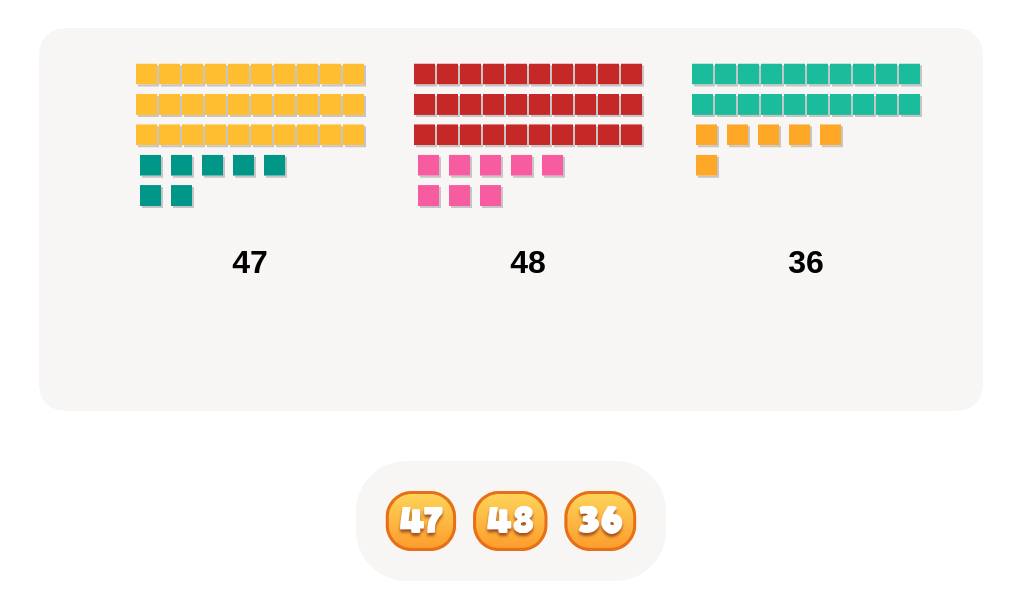
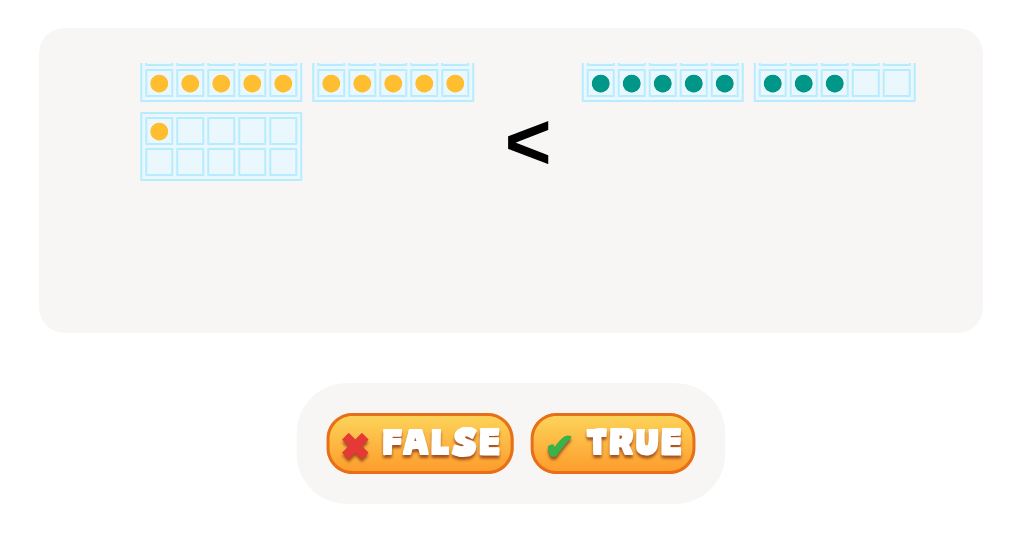
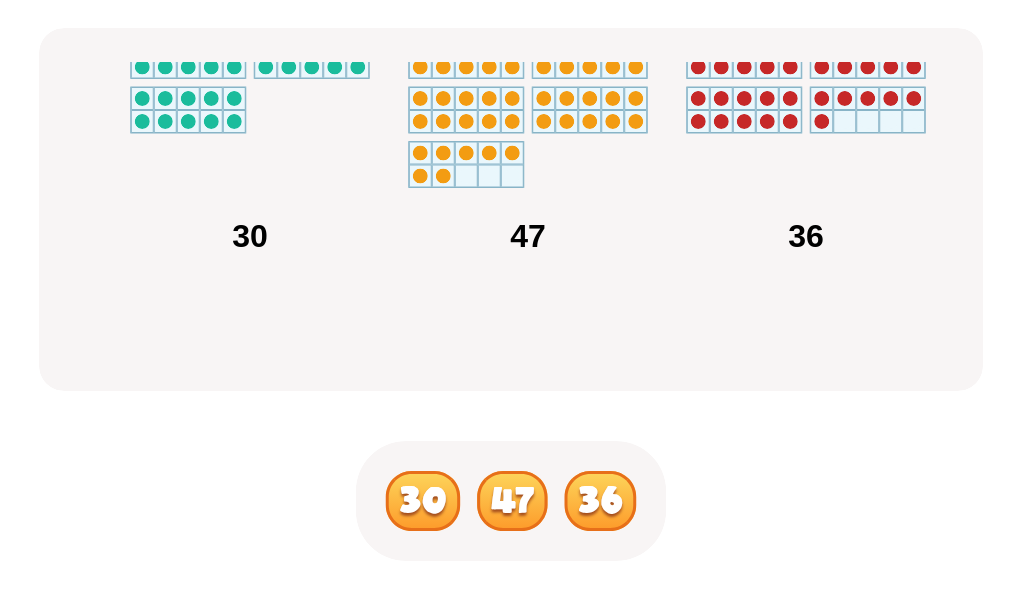
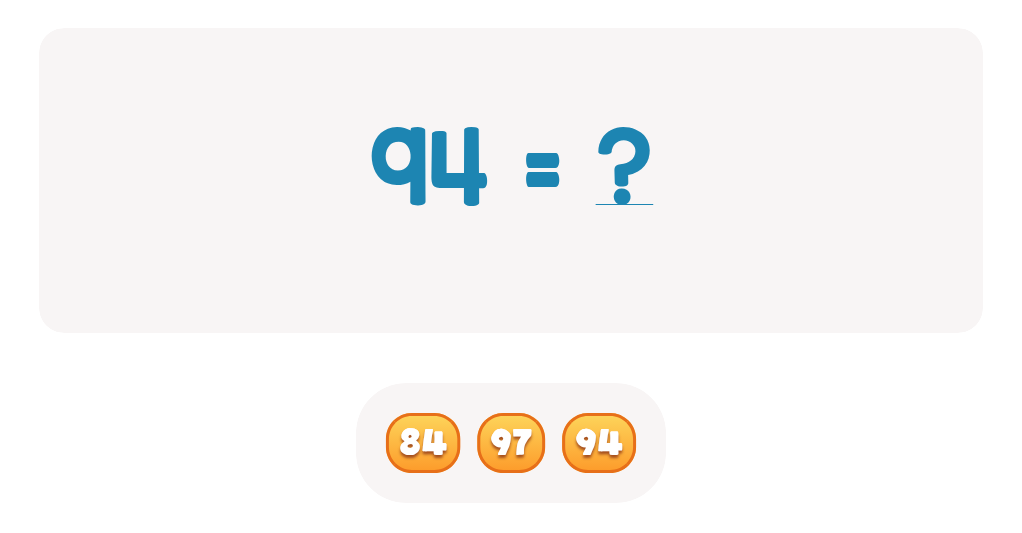
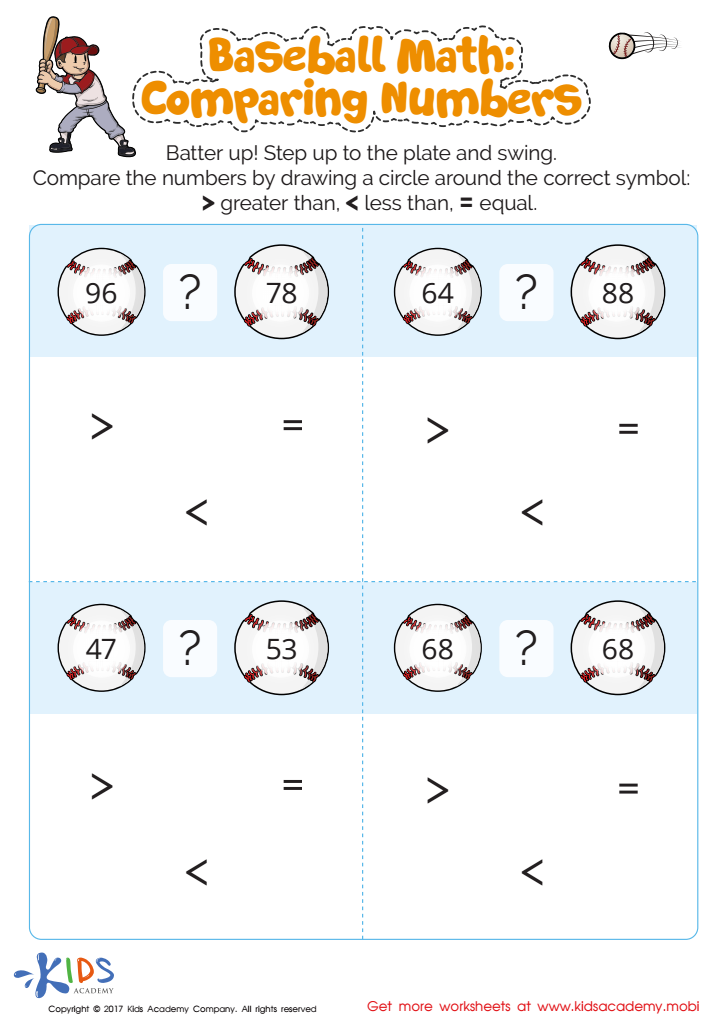
Compare Numbers Printable
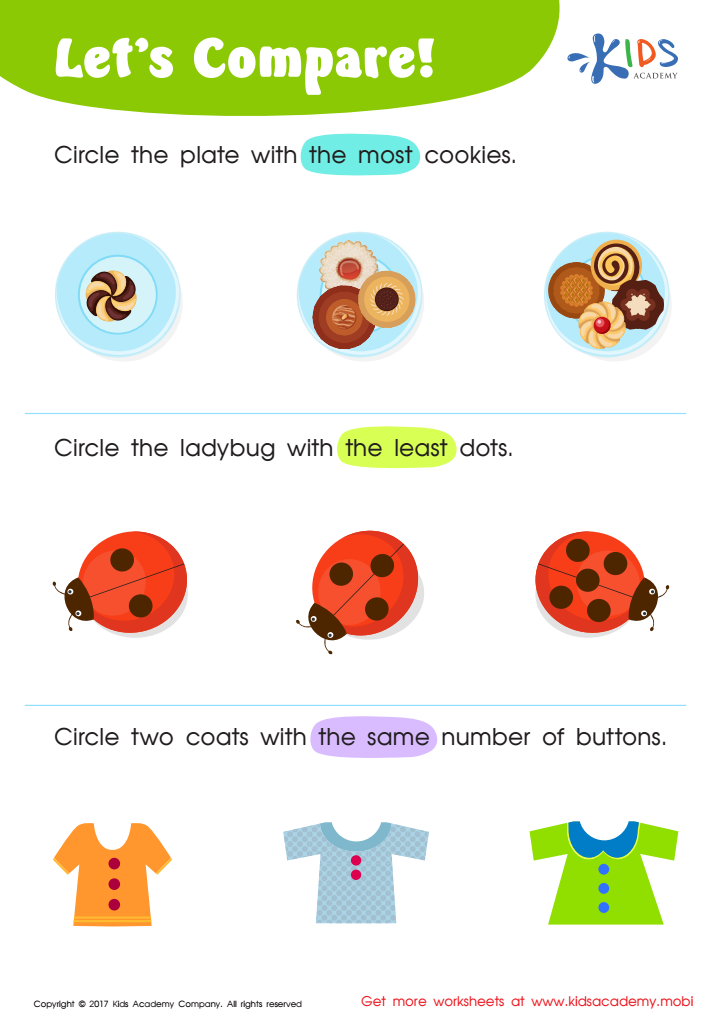
Matching: Classifying Toys by Size Worksheet








Parents and teachers should prioritize problem-solving skills, particularly in the context of comparing numbers, for children ages 3-7 due to its foundational role in cognitive development. These early years are crucial for building a child's mathematical understanding and fostering critical thinking abilities. Problem-solving involves analyzing a situation, recognizing patterns, and drawing logical conclusions, all of which are vital skills not just in math, but in everyday life.
Comparing numbers helps children develop number sense—the ability to understand and work with numbers. As children learn to identify which numbers are larger or smaller, they're honing their analytical skills, which can improve their capacity for more complex math concepts later on. Furthermore, engaging in problem-solving activities encourages persistence and resilience. Children learn that challenges can be tackled systematically, which boosts their confidence and empowers them in other areas of learning.
By nurturing these skills at an early age, parents and teachers help lay a strong educational foundation that supports future academic success and real-world applications. Emphasizing problem-solving through fun and interactive activities not only enriches children's learning experiences but also helps them become effective thinkers and planners. Ultimately, this prepares them for a lifetime of challenges and opportunities.