Developing analytical thinking Normal Math Worksheets for Ages 3-7
3 filtered results
-
From - To
Unlock your child's potential with our Developing Analytical Thinking Normal Math Worksheets, specially designed for ages 3-7. These engaging worksheets foster critical thinking and problem-solving skills while making learning fun. Each activity encourages children to explore concepts through playful and interactive challenges, helping them to understand relationships, patterns, and numbers effectively. With age-appropriate tasks that capture their interest, your little learners will gain confidence in their analytical abilities. Ideal for home or classroom use, these resources provide a solid foundation for future math concepts. Start nurturing your child's analytical thinking skills today with our easy-to-use worksheets!
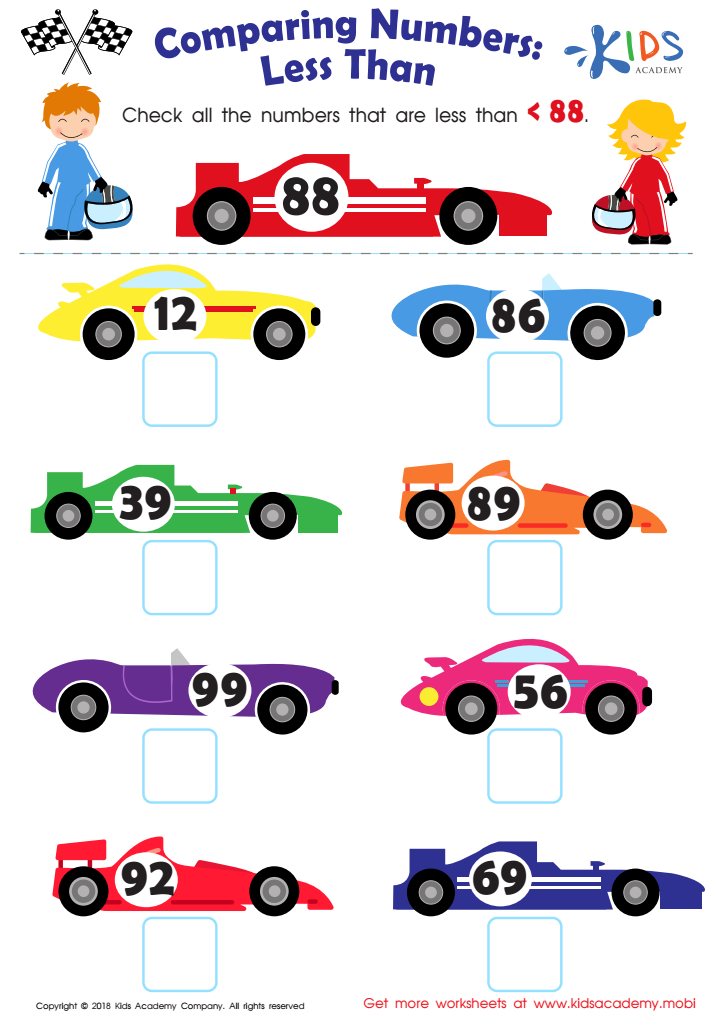
Less Than Worksheet
 Assign to My Students
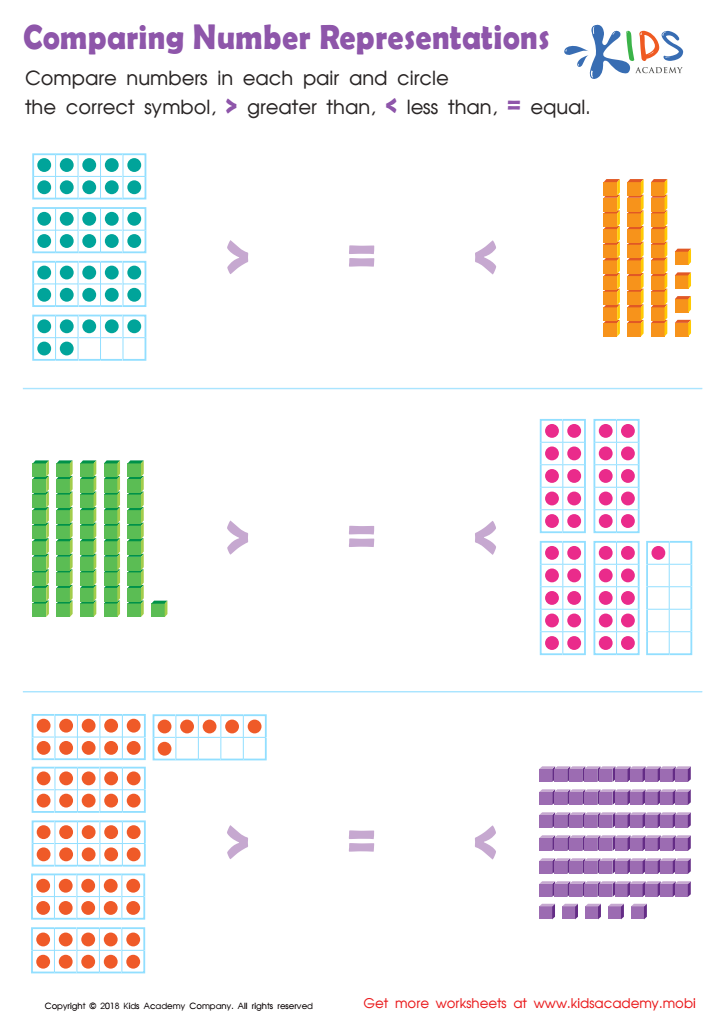
Comparing Number Representations Worksheet
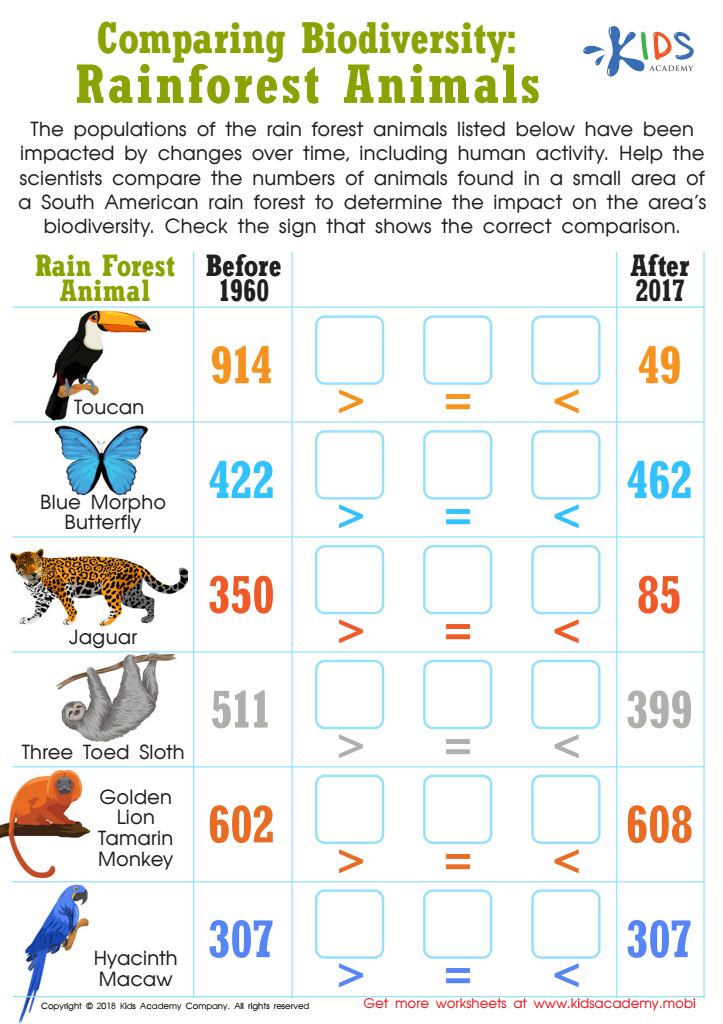
Comparing Biodiversity: Rainforest Animals Worksheet





.jpg)


Developing analytical thinking through normal math for children aged 3-7 is crucial for several reasons. At this early age, children are like sponges, eager to absorb new information and skills. Introducing mathematical concepts fosters cognitive development, enhancing their ability to reason, categorize, and solve problems. Analytical thinking goes beyond numbers—it's about understanding patterns, relationships, and logical sequences that are fundamental in everyday life.
When parents and teachers prioritize math instruction, they empower kids to critically evaluate situations, which translates into better decision-making skills as they grow. Early exposure to math concepts boosts confidence, instilling a sense of achievement that encourages further exploration and learning. Additionally, these skills lay the groundwork for future academic success in more complex subjects such as science and technology.
Moreover, analytical thinking nurtured through math supports social skills. Kids learn to collaborate, share ideas, and approach challenges tools for effective communication. As we navigate an increasingly data-driven world, these foundational math skills will become even more essential. Ultimately, by investing in the development of analytical thinking in these formative years, parents and teachers pave the way for a generation of critical thinkers and problem solvers, better equipped to face tomorrow's challenges.








