Handwriting Skills Normal Math Worksheets for Ages 3-7
3 filtered results
-
From - To
Explore our engaging Handwriting Skills Normal Math Worksheets designed specifically for children aged 3 to 7! These worksheets seamlessly blend early math concepts with essential handwriting practice, helping little learners develop fine motor skills while mastering numbers and basic math operations. Each activity is crafted to be fun and educational, encouraging young minds to express their creativity and improve their writing abilities. From tracing numbers to simple math problems, our resources are perfect for at-home learning or classroom support. Inspire your child's love for learning with our colorful, kid-friendly worksheets that make math a delightful adventure in handwriting!
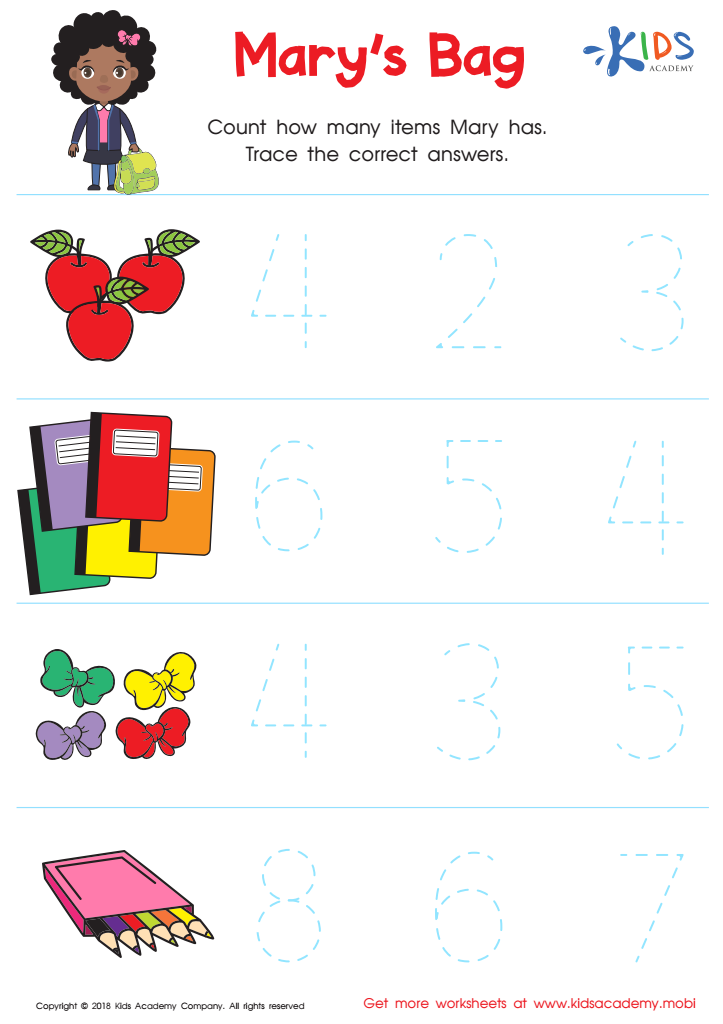
Kindergarten Number Tracing: Mary's Bag Worksheet
 Assign to My Students
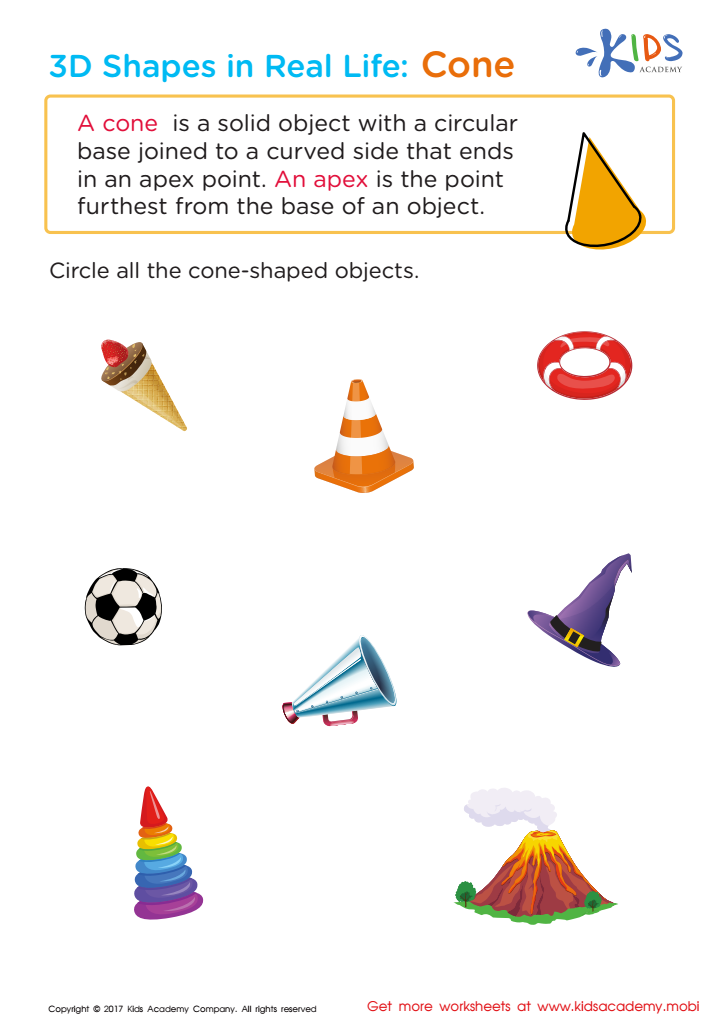
Shapes in Real Life: Cone Worksheet
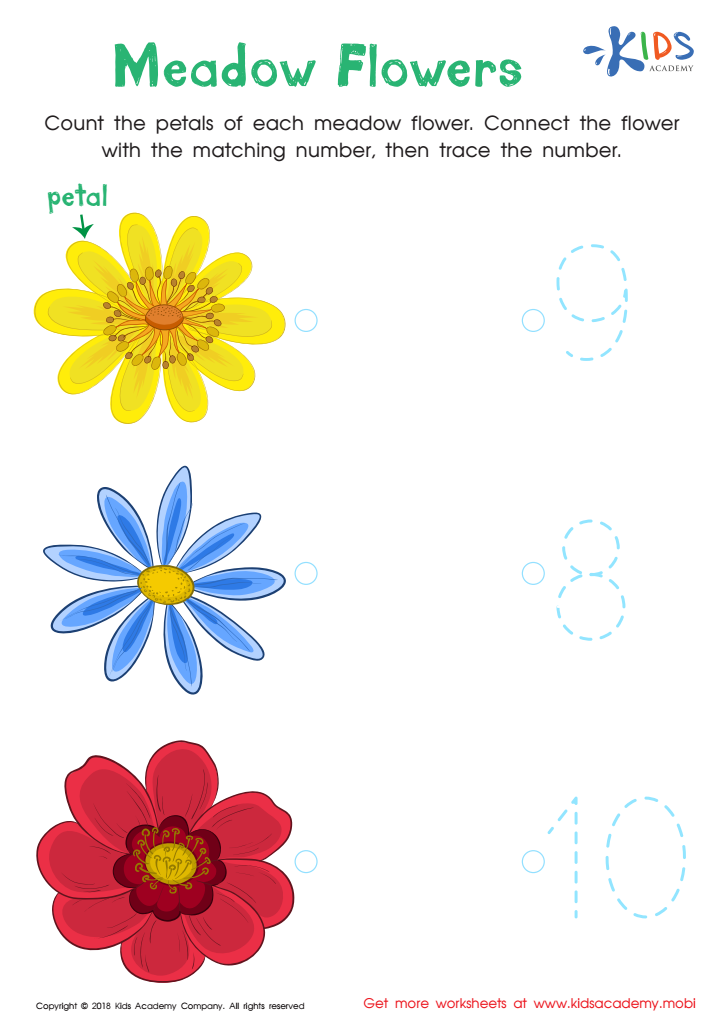
Kindergarten Number Tracing: Medow Flowers Worksheet







Handwriting skills and foundational math concepts are critical for children ages 3-7, as they serve as essential building blocks for future learning. For handwriting, developing fine motor skills and letter recognition in early years is vital. Children who master handwriting are better prepared to communicate effectively, express their thoughts, and develop a positive attitude towards writing as they progress. Good handwriting contributes to academic success and boosts self-confidence.
On the other hand, early math skills—such as counting, number recognition, and basic problem-solving—lay the groundwork for logical thinking and everyday life skills. These competencies enhance cognitive development and encourage curiosity about the world. Engaging children with math through hands-on activities and playful learning fosters a love for the subject at a young age.
Parents and teachers play a crucial role in nurturing and promoting these skills. Their support and encouragement ensure that children become proficient in both areas, contributing to their overall academic performance. Moreover, developing strong handwriting and math skills at an early stage helps instill a sense of discipline, persistence, and creativity, fostering well-rounded individuals prepared for future challenges in their educational journeys.








