Shape identification Normal Math Worksheets for Ages 3-7
6 filtered results
-
From - To
Discover our engaging Shape Identification Normal Math Worksheets, specially designed for children ages 3-7. These printable worksheets enhance early learning by helping young learners recognize and name different shapes in a fun and interactive way. Our resources include colorful illustrations and simple exercises that stimulate critical thinking and promote spatial awareness. Perfect for both classroom and home use, these worksheets cater to various learning styles and ensure that young students grasp essential mathematical concepts early on. Foster your child's love for learning with our shape identification worksheets, and watch them build confidence as they explore the world of shapes!
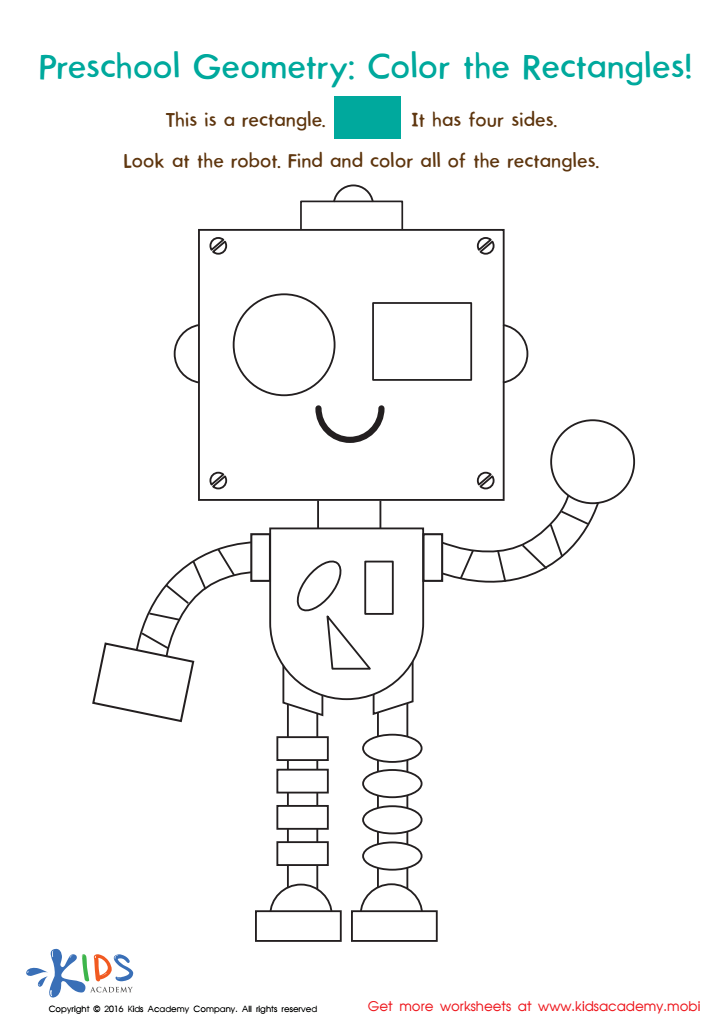
Geometry Worksheet
 Assign to My Students
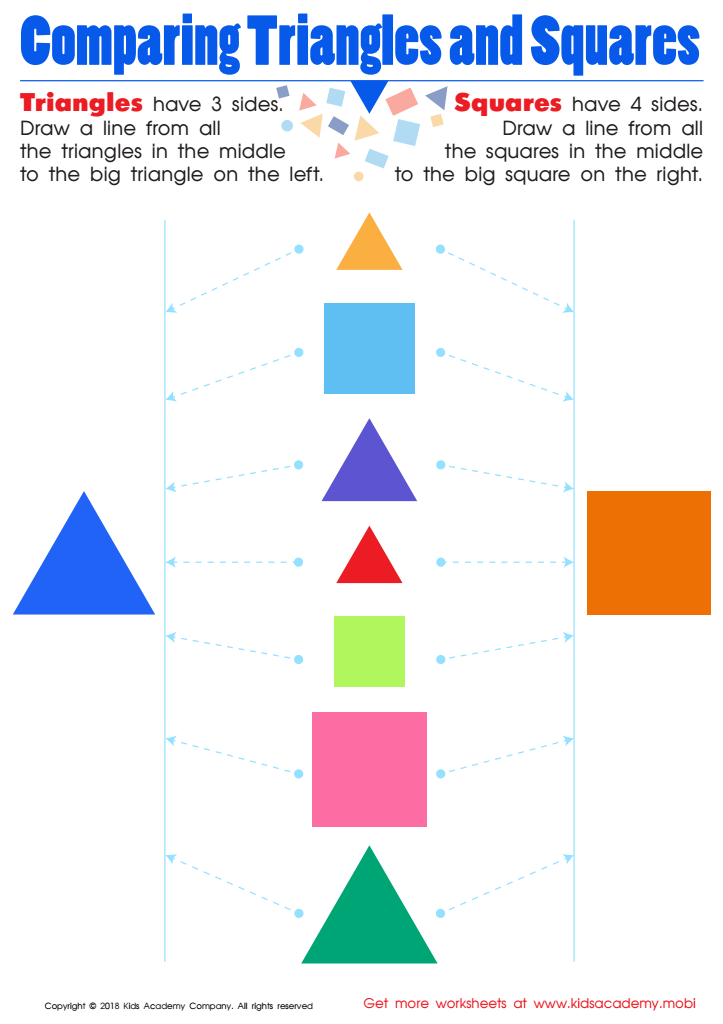
Comparing Triangles Squares Worksheet
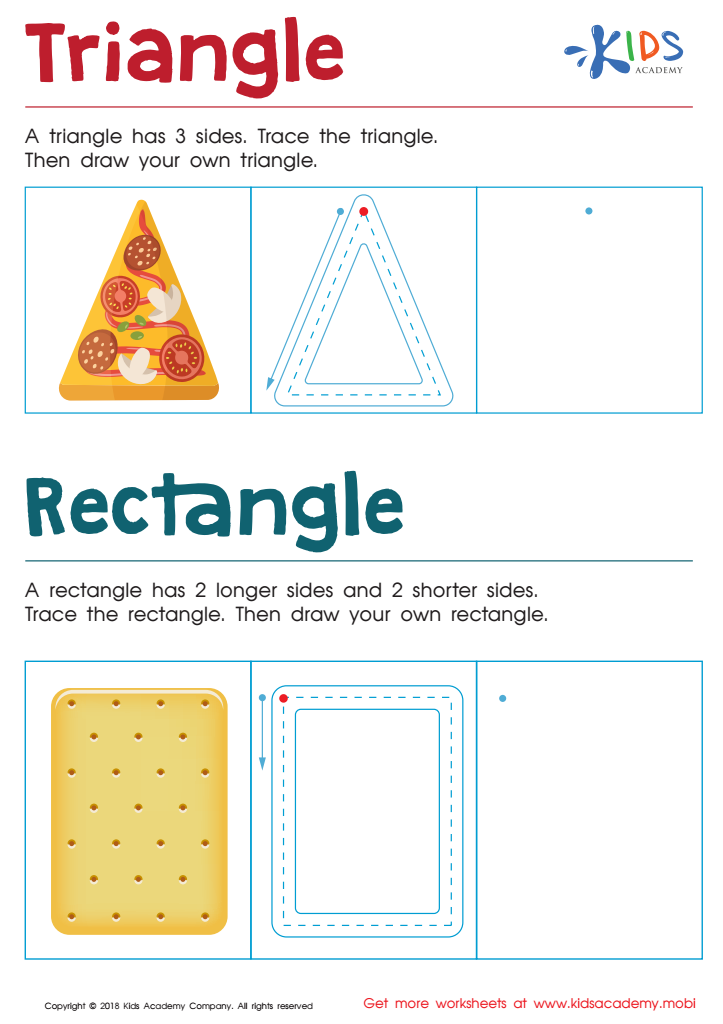
Triangle Rectangle Worksheet
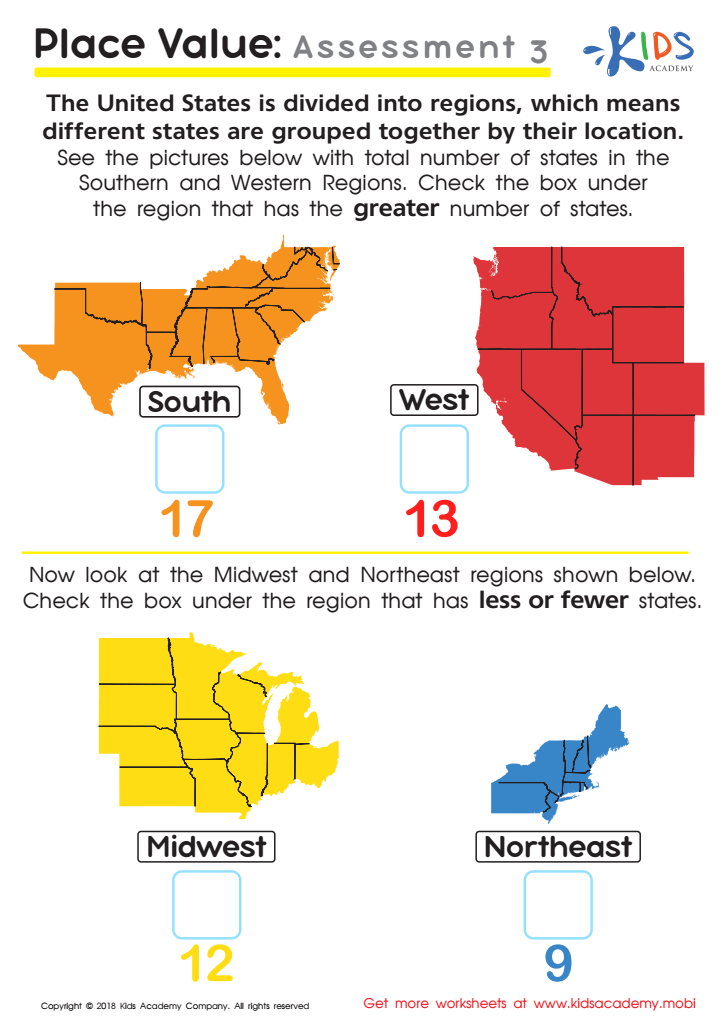
Place Value: Assessment 3 Worksheet
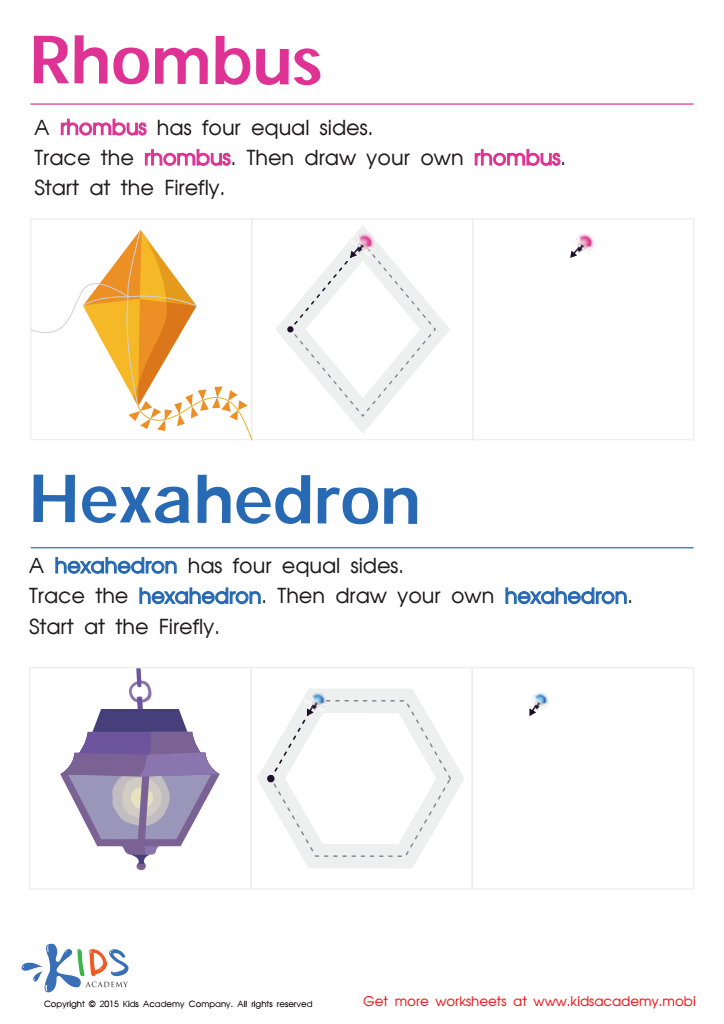
Draw a Rhombus And a Hexahedron Printable
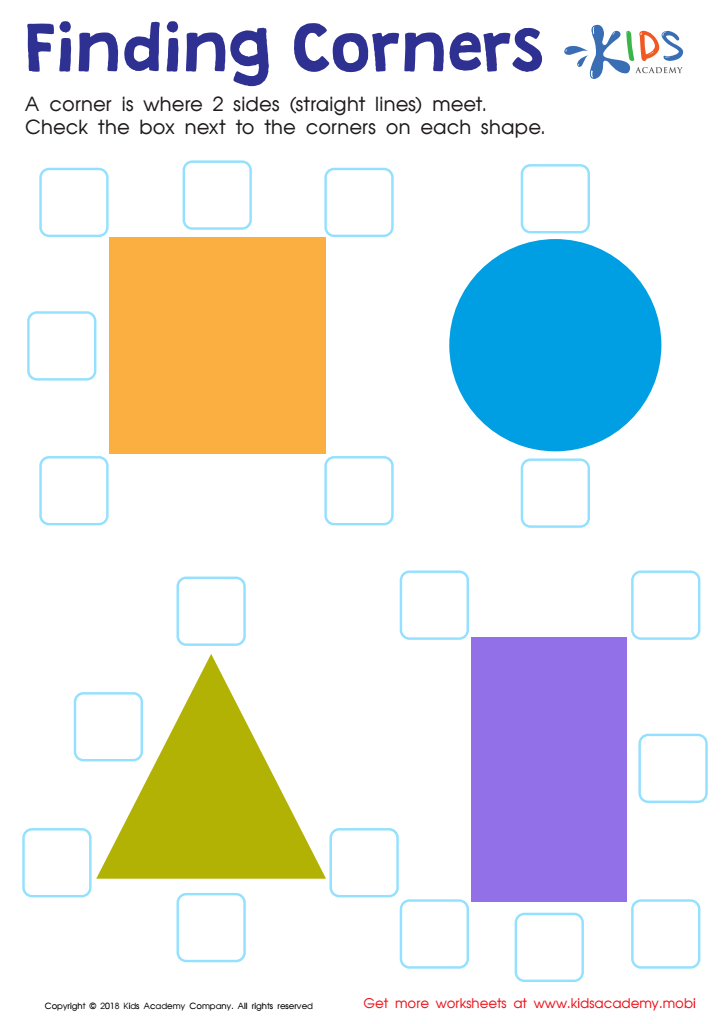
Finding Corners Worksheet



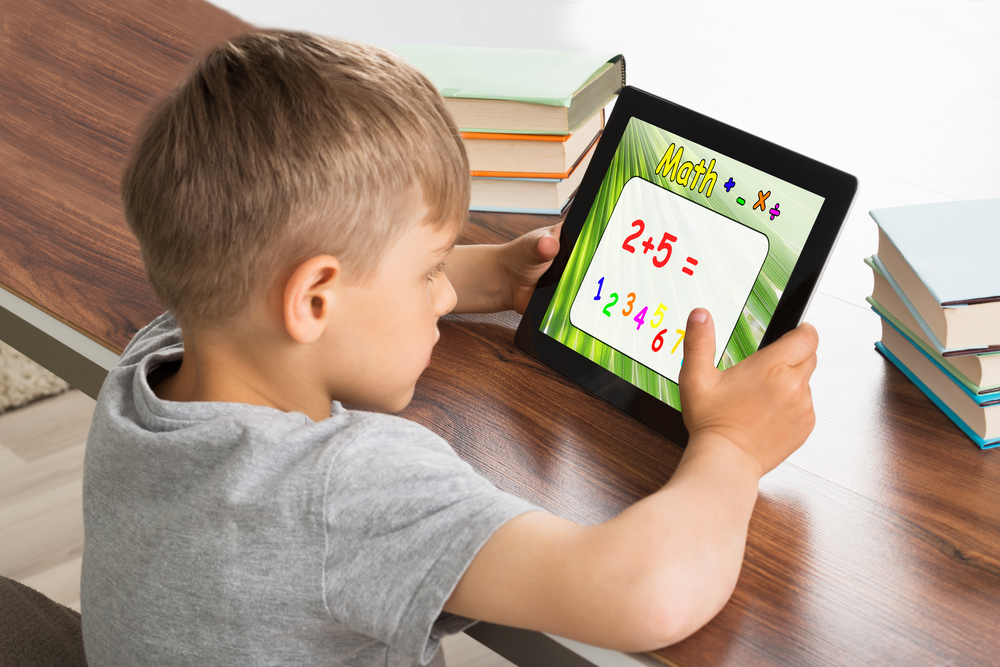




Shape identification is a fundamental aspect of early math education for children ages 3-7 that plays a crucial role in cognitive development and learning. Parents and teachers should care about this topic because recognizing, naming, and manipulating shapes helps children build essential spatial awareness, which is vital for understanding more complex mathematical concepts later on.
Understanding shapes aids in developing visual discrimination skills and enhances problem-solving and critical thinking abilities. Children learn to categorize objects based on their properties, which fosters logic and reasoning. Moreover, early shape identification encourages creativity, as children can combine shapes to form new structures and designs, spurring their imaginative play.
Shapes are also a gateway to concepts such as symmetry, transformations, and measurement. By fostering shape identification at a young age, parents and teachers lay the groundwork for understanding geometry and mathematical relationships in the future.
Additionally, engaging activities involving shapes can enhance fine motor skills and hand-eye coordination. Ultimately, prioritizing shape identification can enrich early learning experiences, resulting in well-rounded development and a strong foundation for future success in mathematics and other subjects. This holistic approach to education is crucial in equipping children with the tools they need for lifelong learning.








