Number Recognition Normal Place Value Worksheets for Ages 3-7
8 filtered results
-
From - To
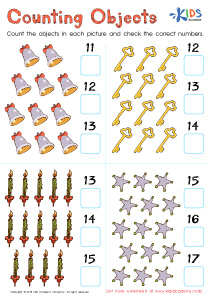
Discover our engaging Number Recognition Normal Place Value Worksheets designed for children ages 3-7! These fun, interactive worksheets help young learners master basic number recognition and understand the concept of place value. With colorful illustrations and diverse activities, kids can confidently practice identifying and categorizing numbers. Our carefully crafted resources cater to various learning styles, making it easy for educators and parents to reinforce essential math skills at home or in the classroom. Perfect for early grade lessons, our worksheets provide a solid foundation for future math success. Start your child's mathematical journey today with our engaging and educational worksheets!
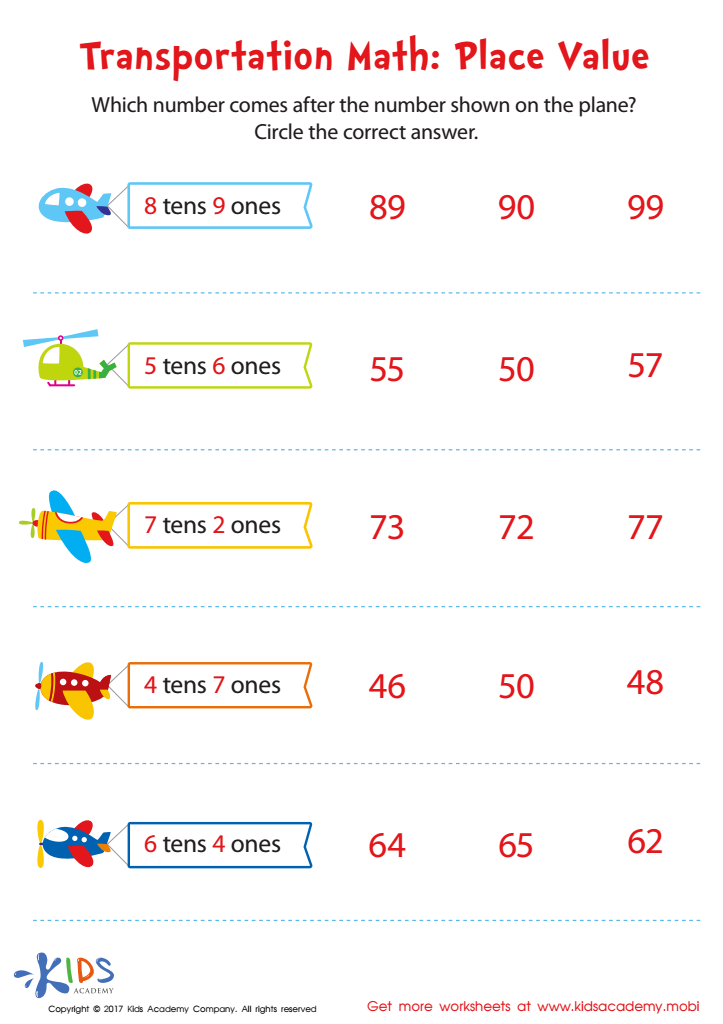
Transportation Math Printable
 Assign to My Students
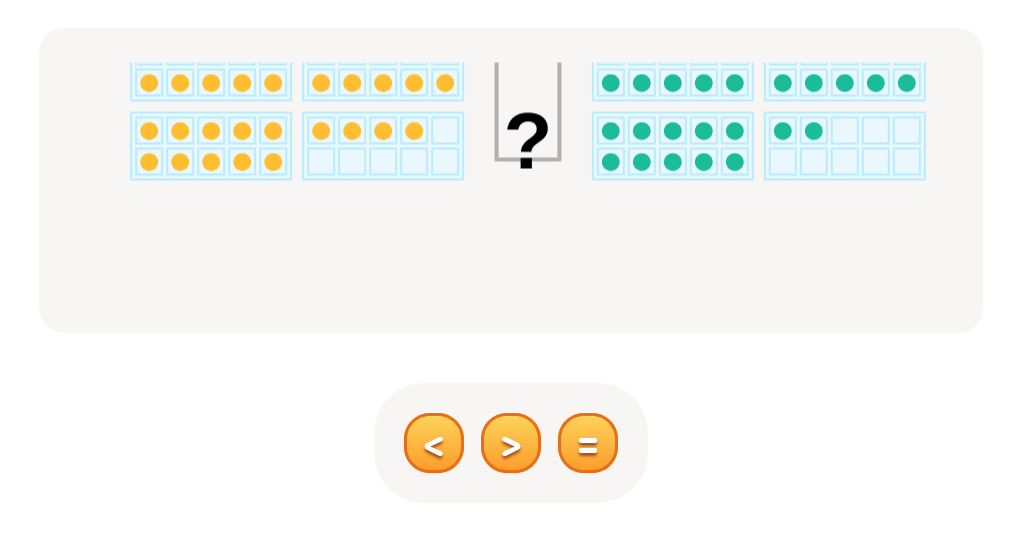

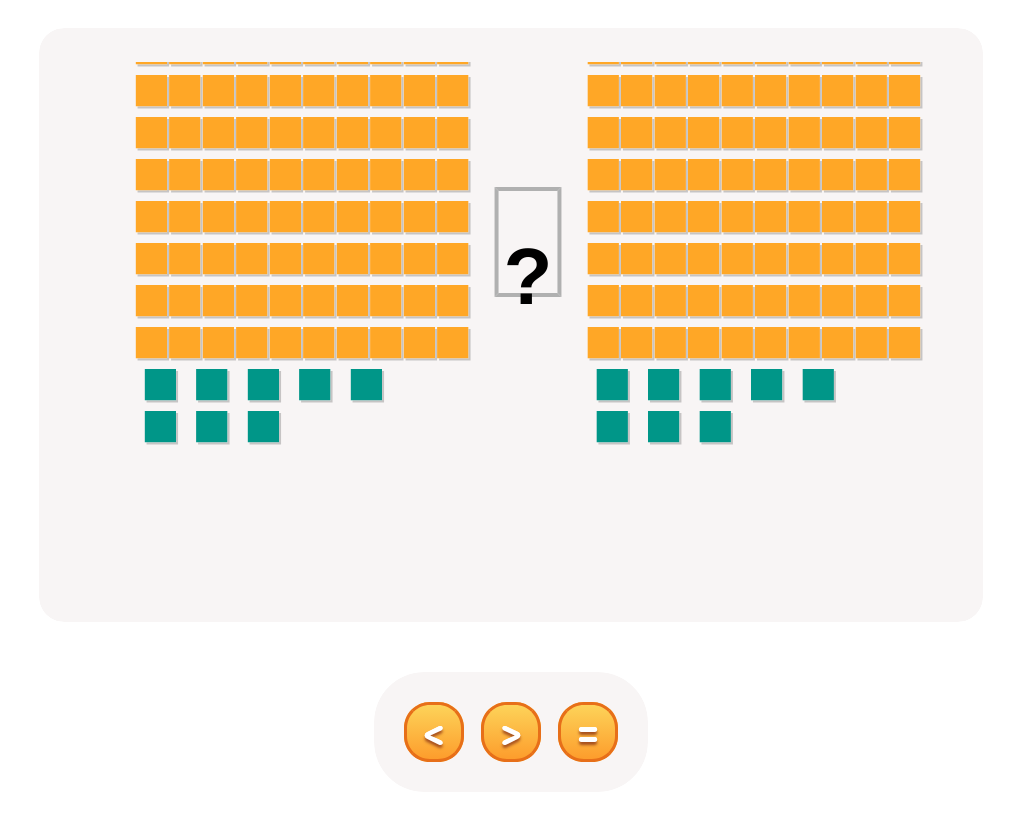
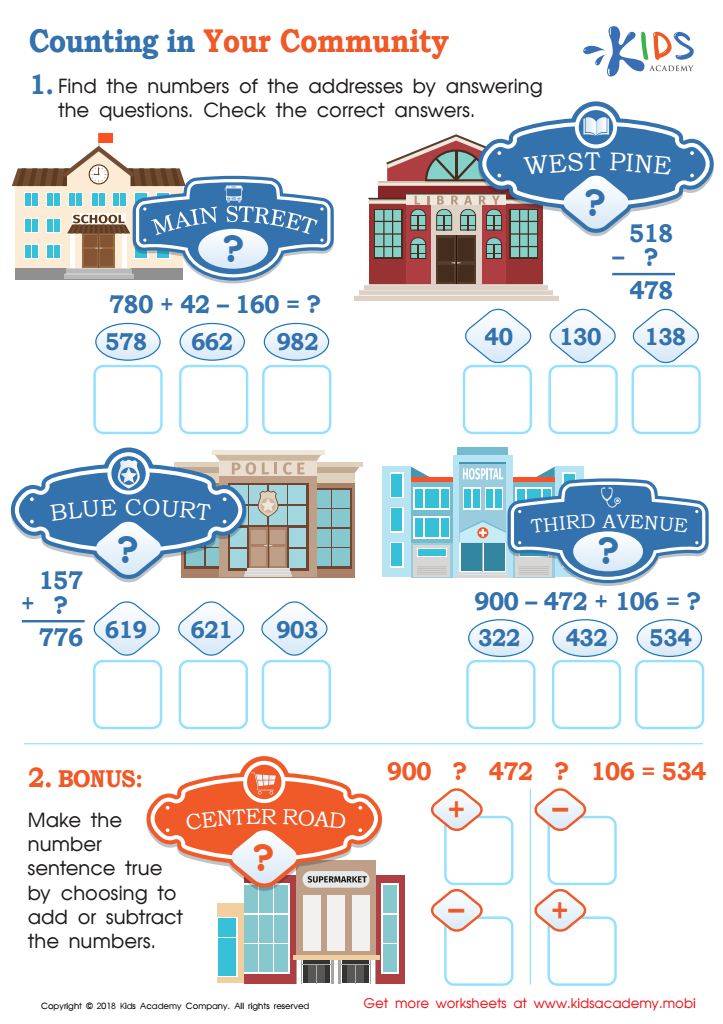
Counting in Your Community Worksheet
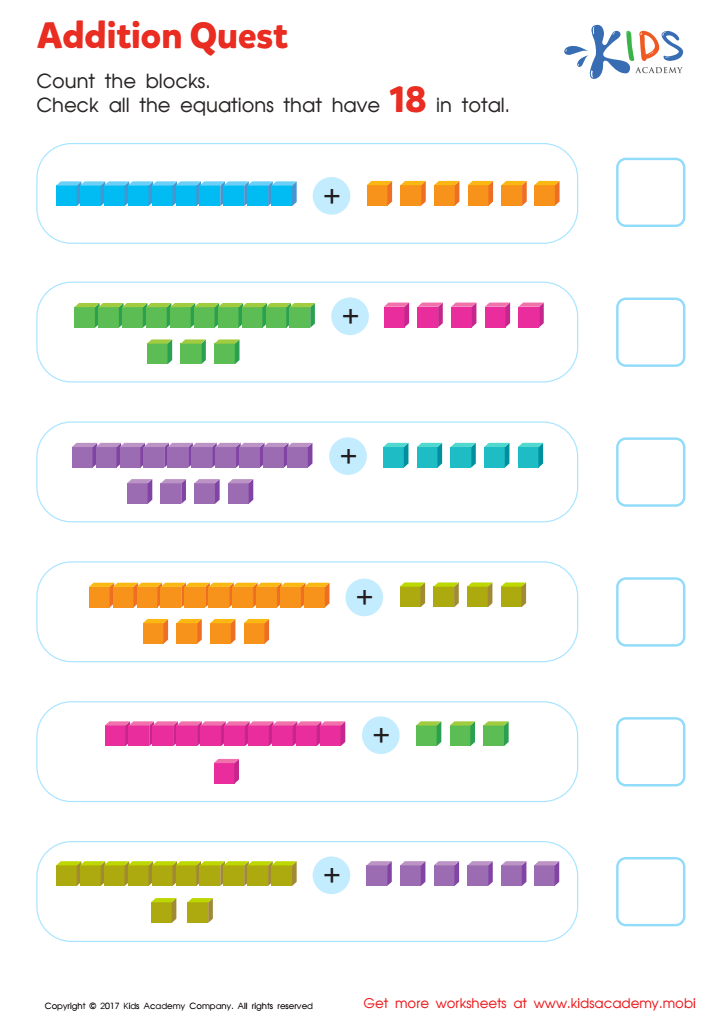
Addition Quest Worksheet: Part 2
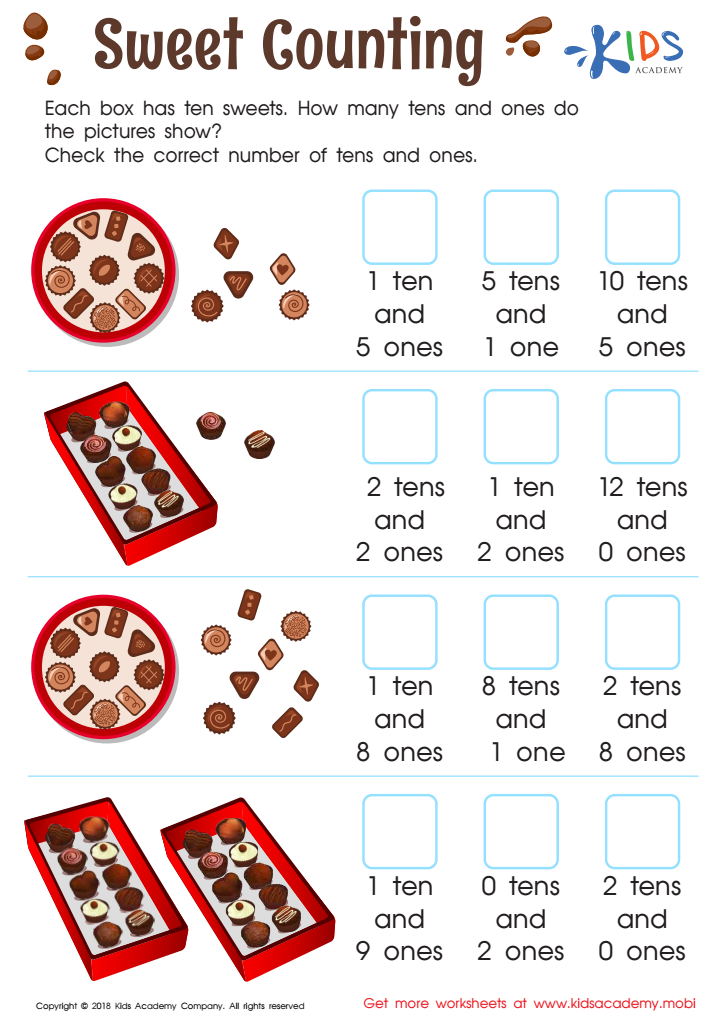
Sweet Counting - Part 2 Worksheet
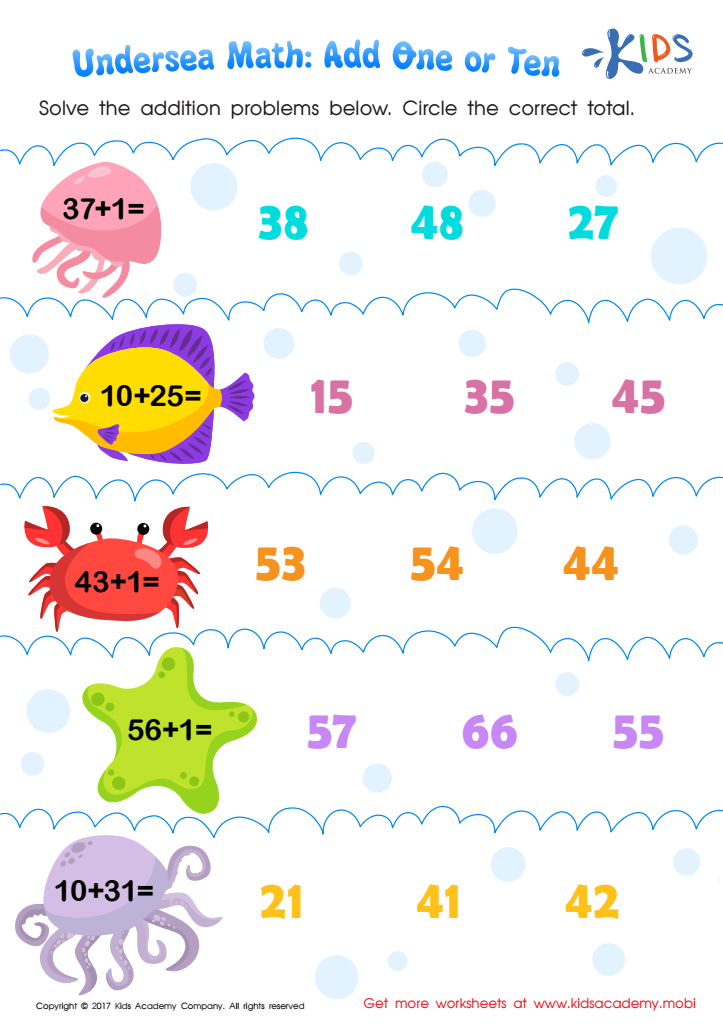
Undersea Math Worksheet
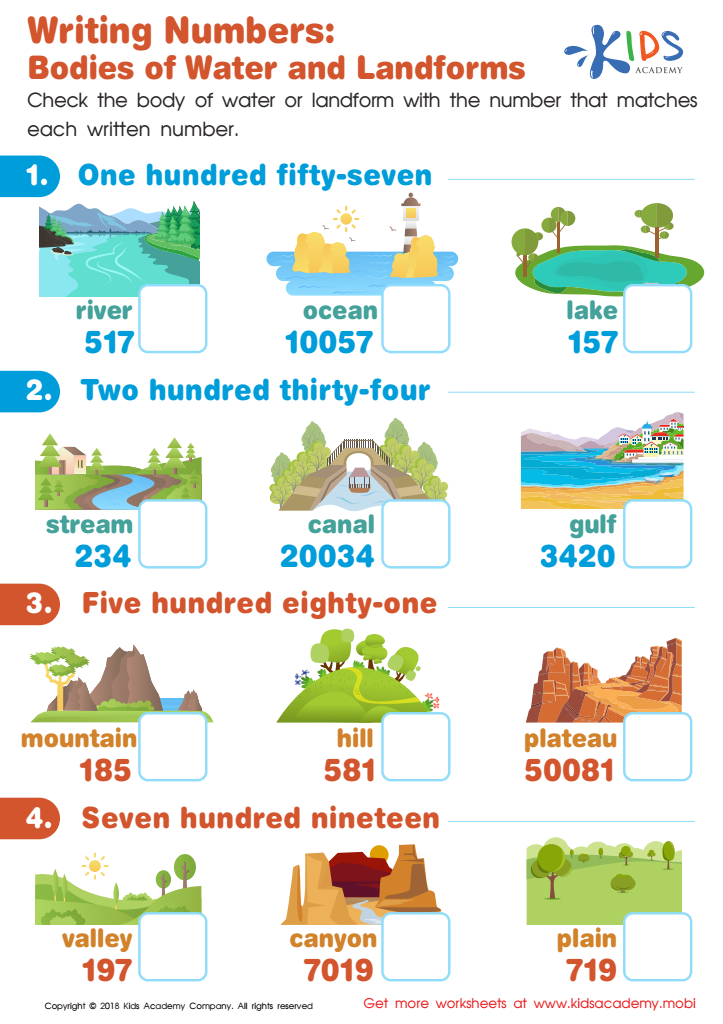
Bodies of Water and Landforms Writing Numbers Worksheet
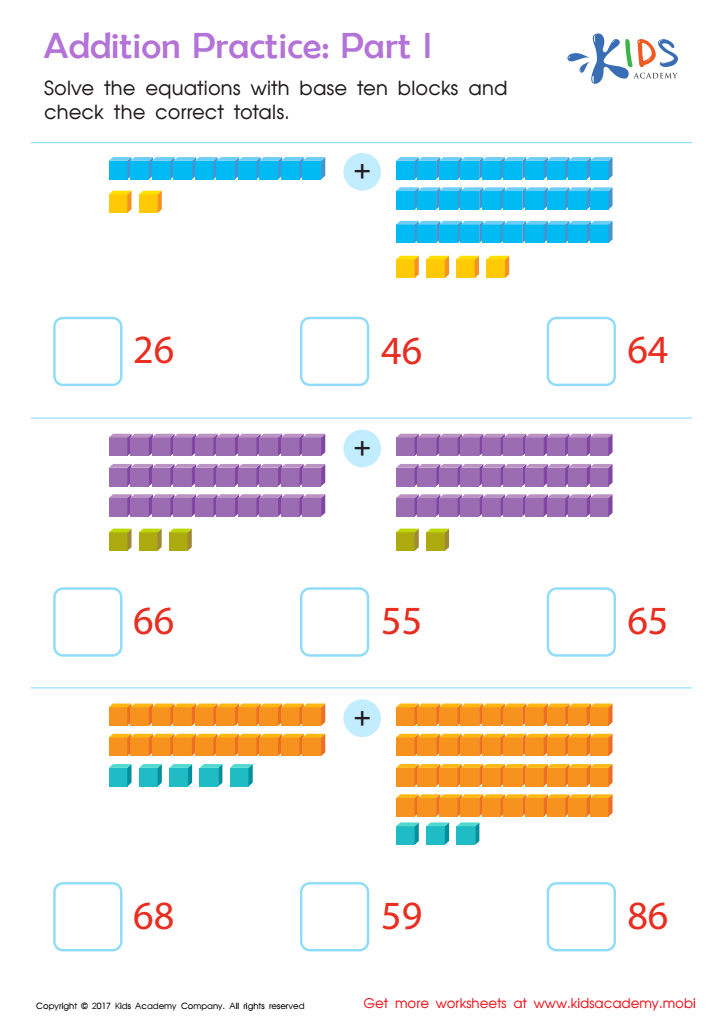
Addition Practice Sheet: Part 1
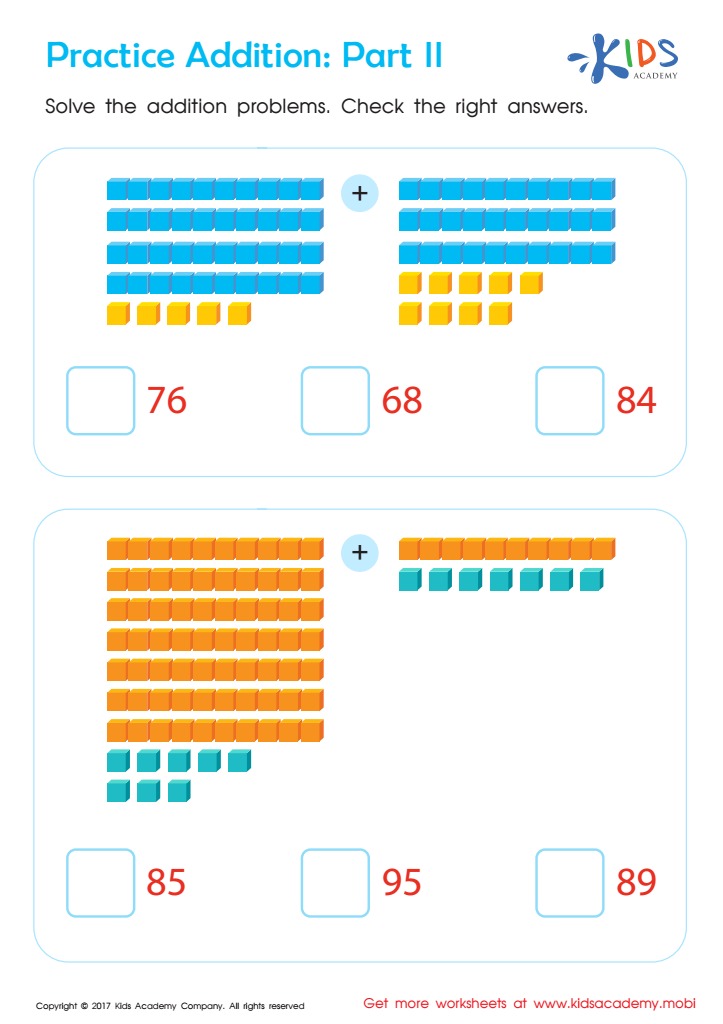
Practice Addition: Part 2 Worksheet








Number recognition and understanding normal place value are foundational skills essential for children aged 3 to 7. Early proficiency in these areas lays the groundwork for future mathematical learning and overall academic success. When children recognize numbers, they can identify quantities, compare values, and engage with basic arithmetic concepts.
Understanding place value helps children break down numbers into manageable parts, fostering a deeper comprehension of mathematics. For example, comprehending that the number 42 consists of '4' in the tens place and '2' in the units place enables them to grasp more complex ideas such as addition, subtraction, and even the concept of carrying over in arithmetic operations.
Furthermore, these skills directly impact problem-solving, logical reasoning, and critical thinking abilities. By incorporating number recognition and place value discussions in everyday activities and play, parents and teachers can make learning enjoyable and engaging. This not only builds a strong numerical foundation but also encourages a positive attitude towards math.
Care for these developmental milestones ensures that children develop confidence and competence, setting them on a path to becoming proficient learners and empowering them in future academic challenges. Investing time and resources into these skills fosters lifelong learners who appreciate the importance of mathematics in everyday life.