Phonics Skills Normal Building Vocabulary Worksheets for Ages 3-7
5 filtered results
-
From - To
Enhance your child's reading journey with our Phonics Skills Normal Building Vocabulary Worksheets, designed specifically for ages 3-7. These engaging worksheets focus on foundational phonics skills that are essential for early literacy development. Through fun activities, children will build vocabulary, improve word recognition, and boost their confidence in reading. Our printable resources are suitable for both classroom settings and at-home learning, making them an excellent tool for parents and educators alike. Foster a love for reading and language in young learners as they master phonics concepts essential for their educational growth. Explore our worksheets and watch your child's skills flourish!
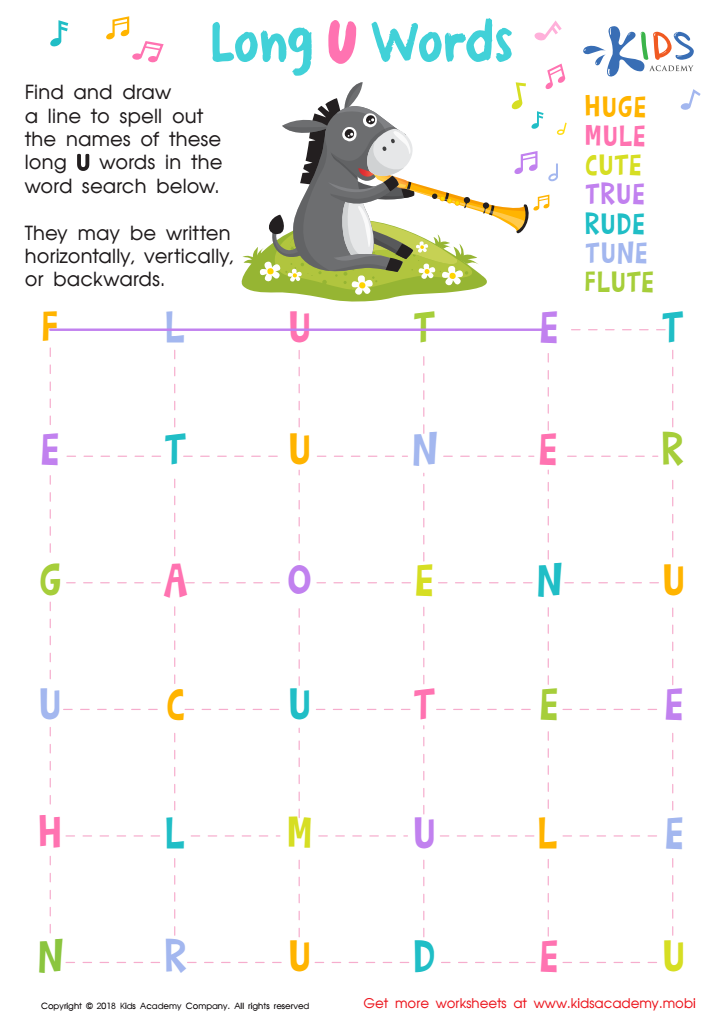
Long /u/ Words Worksheet
 Assign to My Students











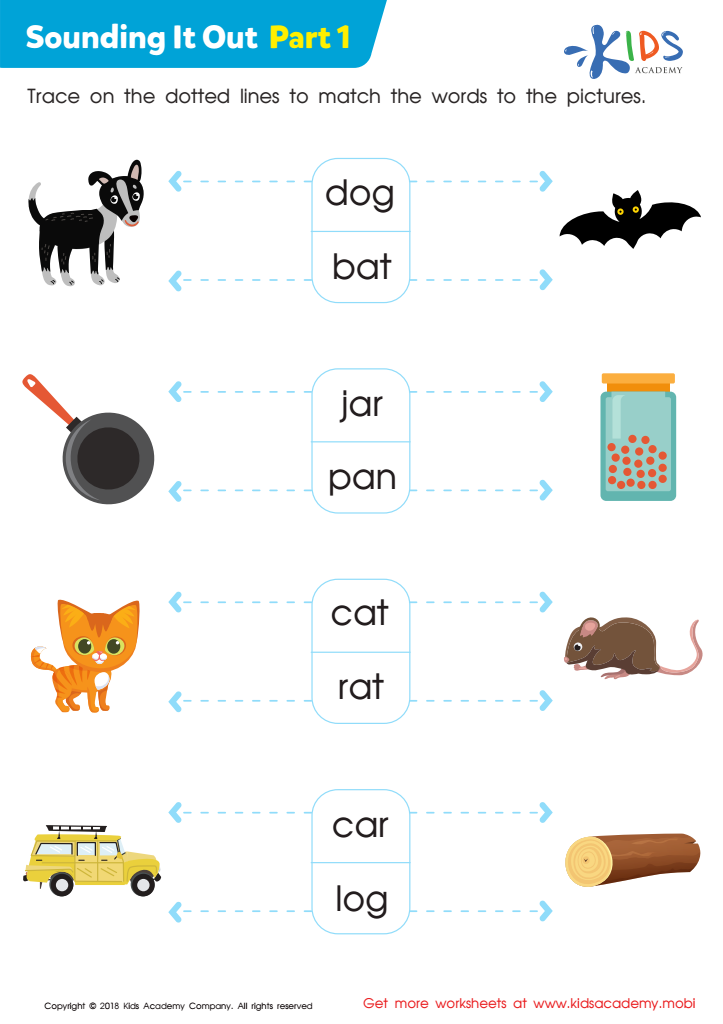
Sounding it Out: Part 1 Worksheet
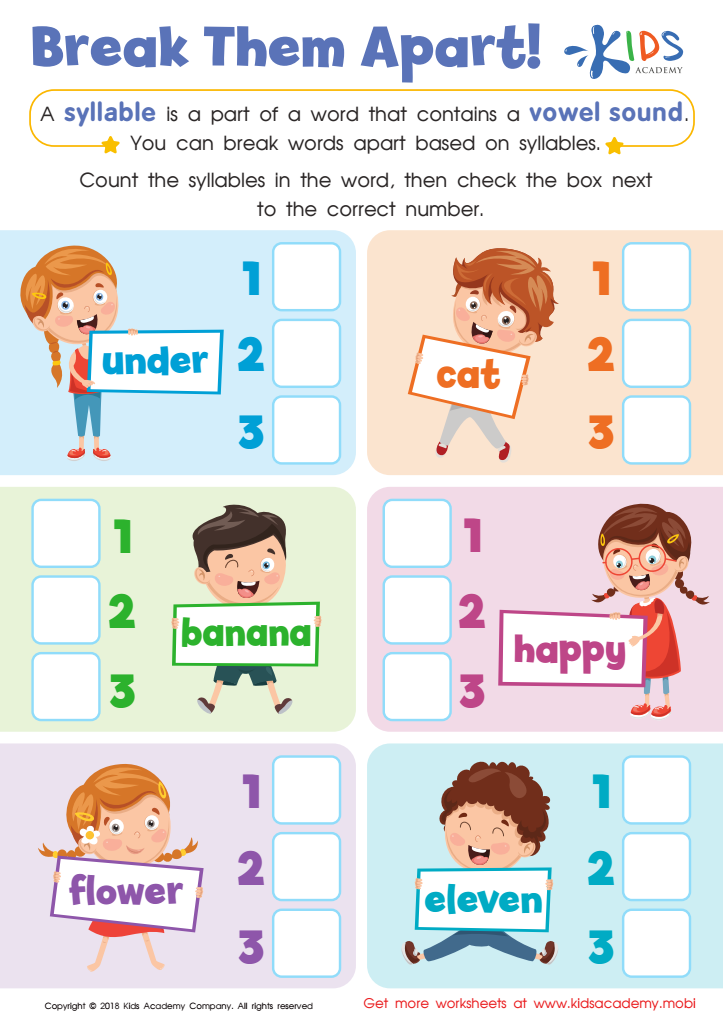
Reading: Break Them Apart Worksheet
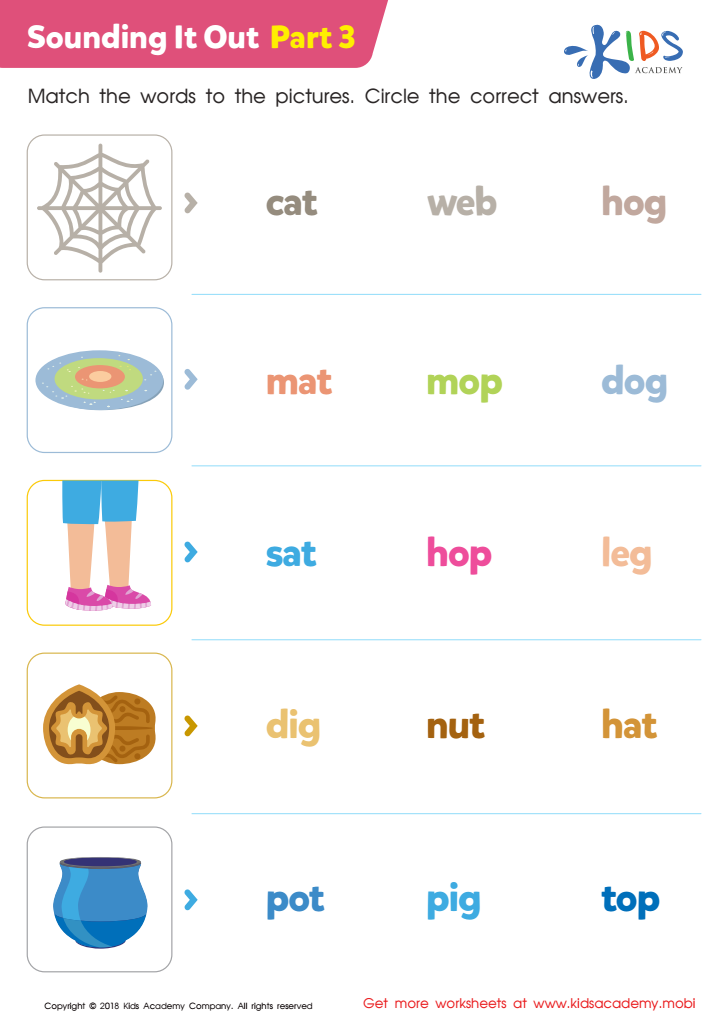
Sounding it Out: Part 3 Worksheet
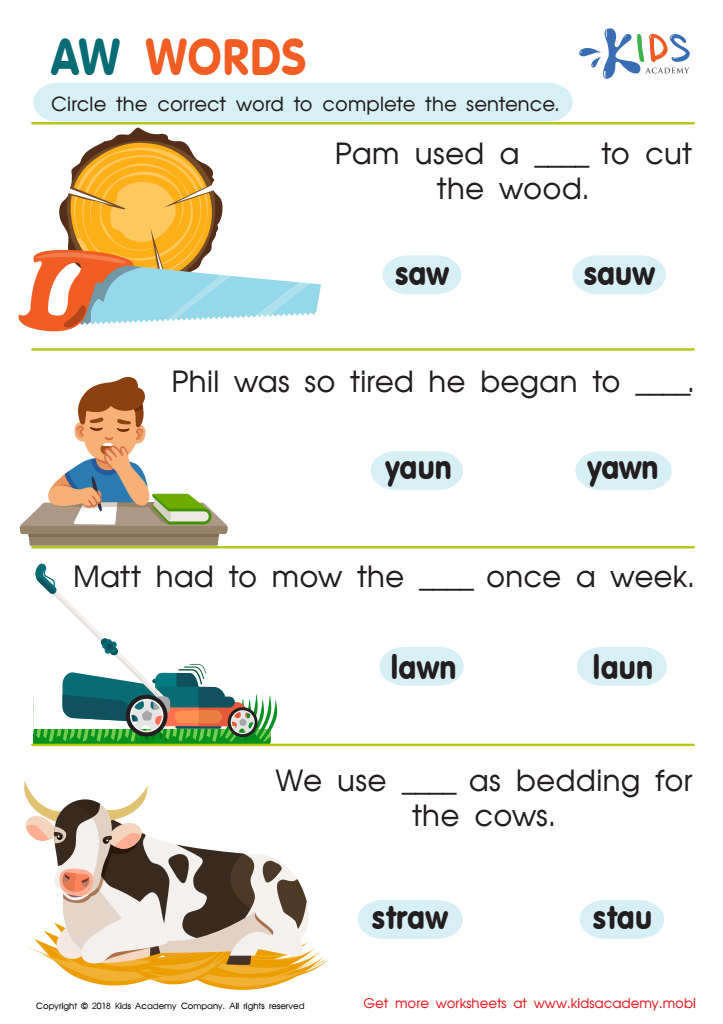
Reading: AW Words Worksheet








Phonics skills are crucial for building vocabulary in children aged 3 to 7, as they form the foundation for literacy development. At this age, children are naturally curious and eager to learn, making it an ideal time for introducing phonics. Understanding the relationship between sounds and letters helps children decode words, improving their reading ability and fostering confidence in their literacy skills.
Parents and teachers who prioritize phonics contribute to enhanced vocabulary acquisition. Phonics instruction aids children in recognizing and sounding out unfamiliar words, allowing them to access a broader range of texts and ideas. As they decode words more fluently, they encounter new vocabulary, which can be discussed and contextualized, further enriching their language skills.
Additionally, the development of phonics skills is linked to overall academic success. Strong reading abilities not only impact literacy but also provide a solid foundation for other subjects, such as math and science, where comprehension is key. Investing time in phonics education during these formative years can have lasting effects, promoting a lifelong love for reading and learning. Ultimately, equipping young learners with these skills lays the groundwork for effective communication, critical thinking, and a vibrant educational journey ahead.








