Reading comprehension Normal Building Vocabulary Worksheets for Ages 3-7 - Page 3
52 filtered results
-
From - To
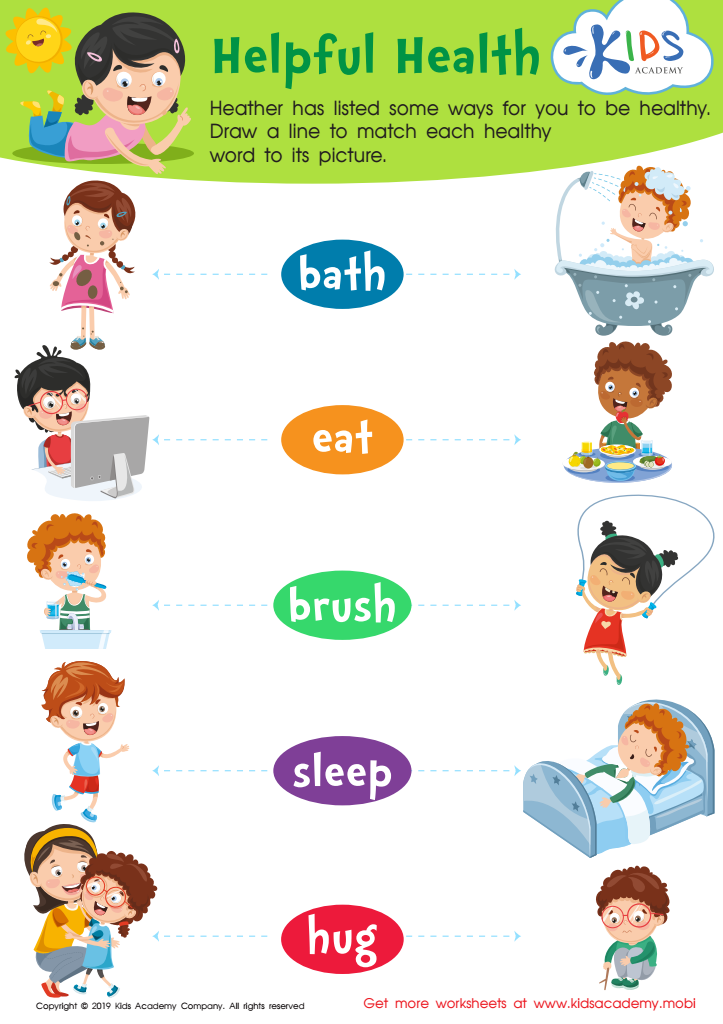
Helpful Health Worksheet
 Assign to My Students











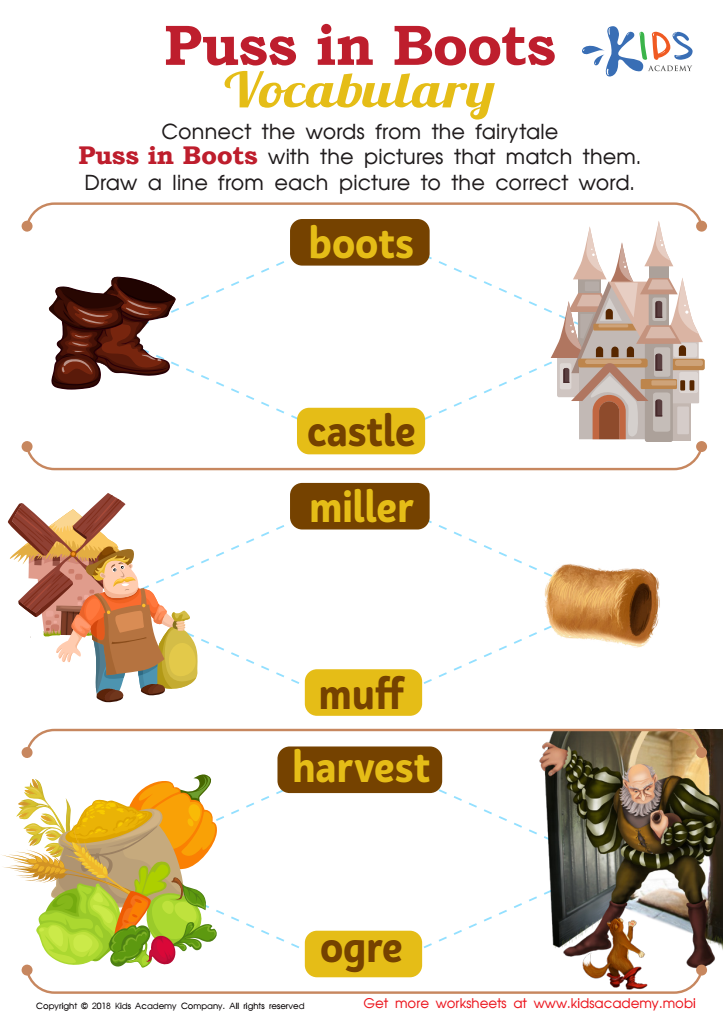
Puss in Boots Vocabulary Worksheet
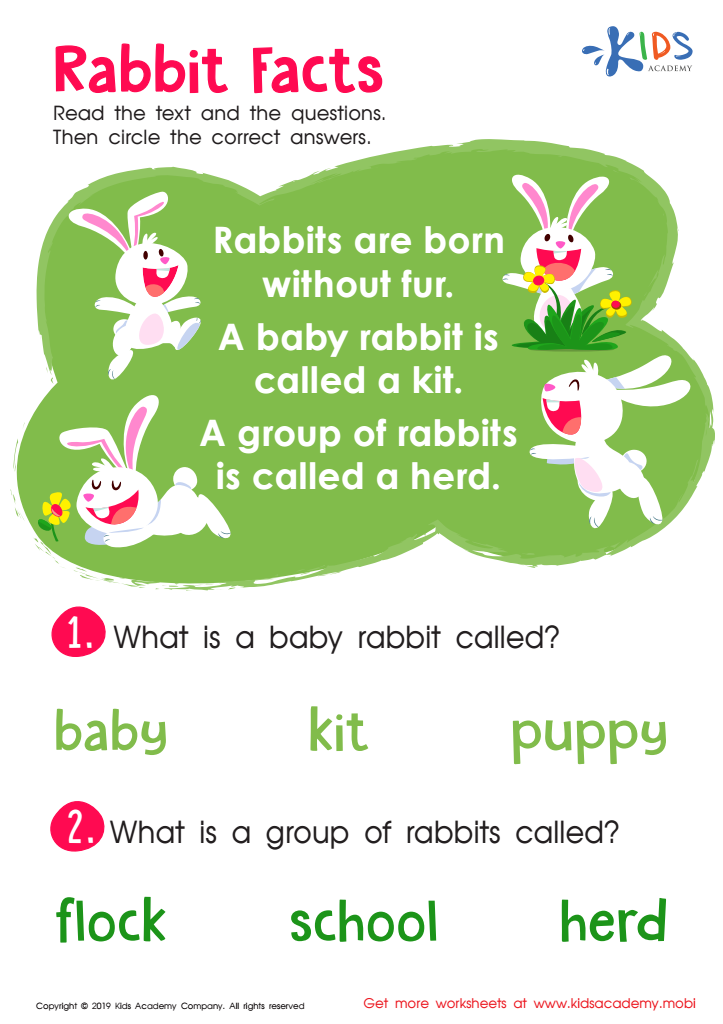
Rabbit Facts Worksheet
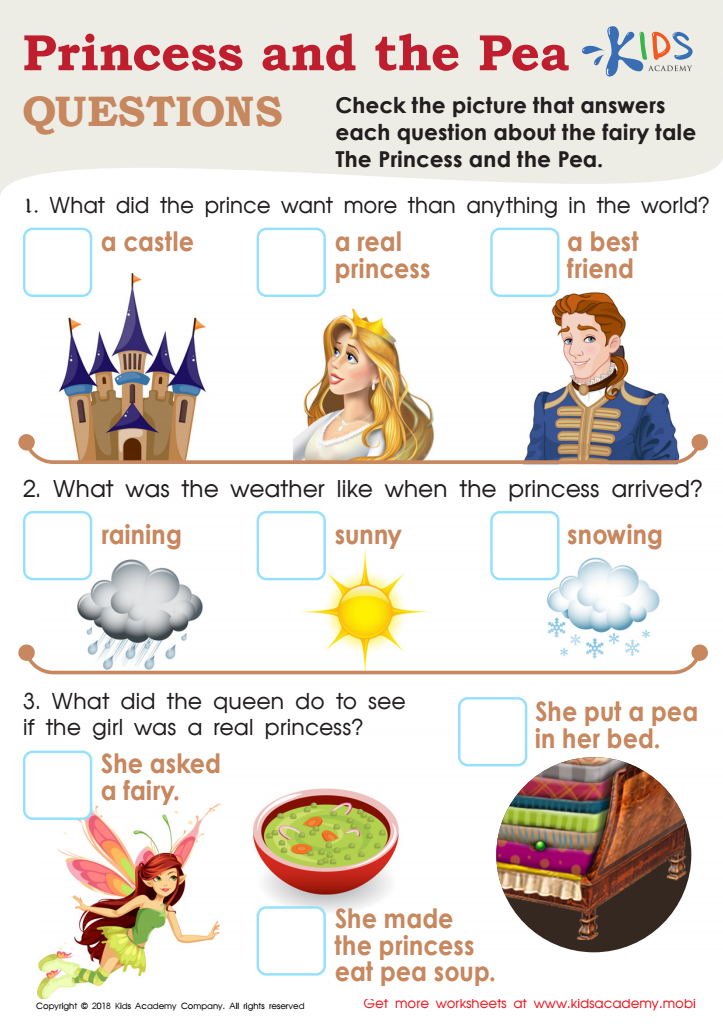
Princess and the Pea Questions Worksheet


.jpg)





Reading comprehension and vocabulary building are essential components of early literacy development for children aged 3-7. During these critical years, children rapidly absorb language and develop foundational skills that will support their academic journeys. Parents and teachers should prioritize fostering strong reading comprehension and vocabulary for several reasons.
Firstly, a robust vocabulary enables children to better understand spoken and written language. When they encounter new words, they can make connections, form meanings, and engage in conversations, enhancing their social skills. A rich vocabulary also aids in comprehension, allowing children to grasp the nuances and complexities of stories, which is vital for critical thinking.
Secondly, strong reading comprehension skills lay the groundwork for successful learning across all subjects. Children who understand what they read are better equipped to tackle challenges in their academic careers, leading to improved performance in school. Furthermore, reading comprehension fosters a love for reading, encouraging lifelong learning.
Lastly, parent and teacher involvement in vocabulary building—through reading together, engaging discussions, and interactive activities—creates a supportive environment that nurtures children’s curiosity and enthusiasm for learning. By emphasizing reading comprehension and vocabulary from an early age, we empower children to become confident readers and learners, setting them on a path to success.








