
Spelling improvement Normal Building Vocabulary Worksheets for Ages 3-7
7 filtered results
Difficulty Level
Grade
Age
-
From - To
Subject
Activity
Standards
Boost your child's spelling skills with our engaging Normal Building Vocabulary Worksheets, specially designed for ages 3-7! These interactive activities make learning to spell fun and effective, helping young learners expand their vocabulary in an enjoyable way. Each worksheet promotes essential learning skills through playful exercises, ensuring a solid foundation for future reading and writing success. Ideal for both classroom and home use, our resources foster a love for language while developing critical thinking and comprehension. Watch as your little ones thrive in confidence and creativity—perfect for nurturing early literacy skills! Start your spelling journey today!
Favorites
With answer key
Interactive
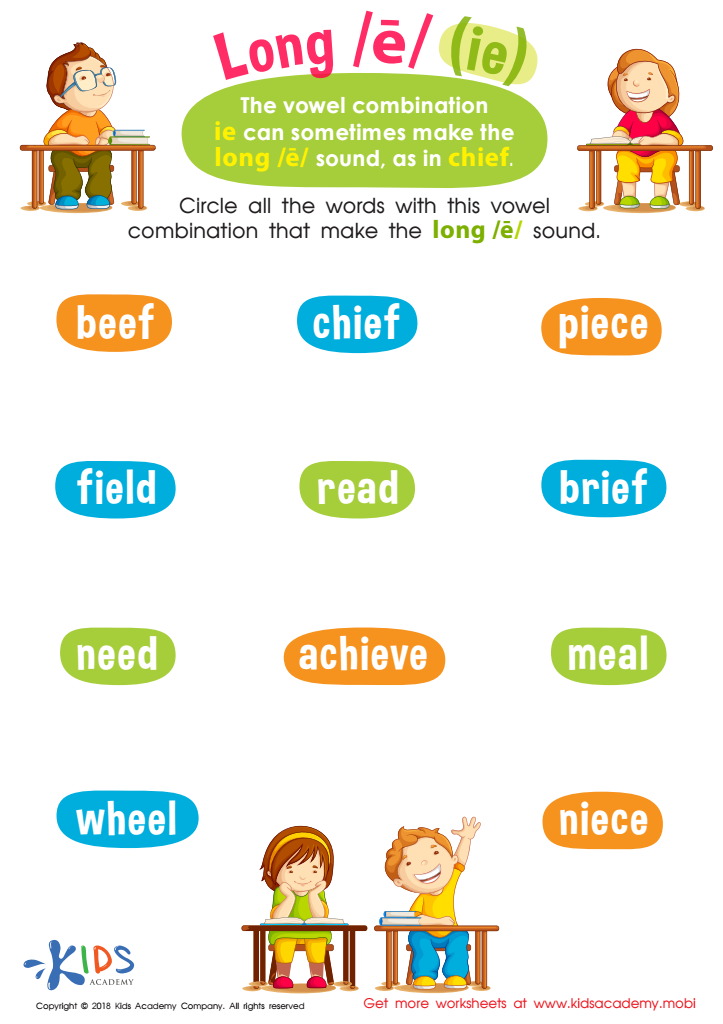
Reading: Long E and IE Worksheet
Ask your child to name some words with the long /e/ sound they hear every day. Then, read aloud all the words in the worksheet with them. Ask them to circle the words containing ie that make this sound.
 Assign to My Students
Reading: Long E and IE Worksheet
Worksheet











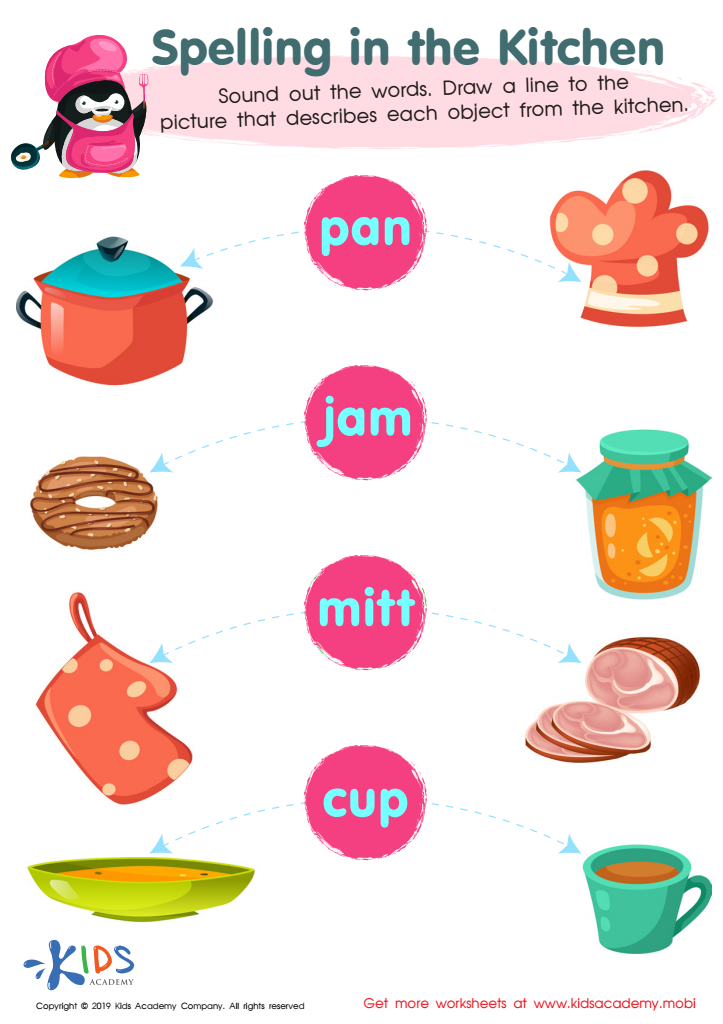
Spelling in the Kitchen Worksheet
Your little ones can learn a lot if they help in the kitchen. Get them to identify and say the name of each item in the picture in this worksheet. Sound out the words for them and help draw a line to the right picture. It's a great way for them to learn about kitchen items!
Spelling in the Kitchen Worksheet
Worksheet
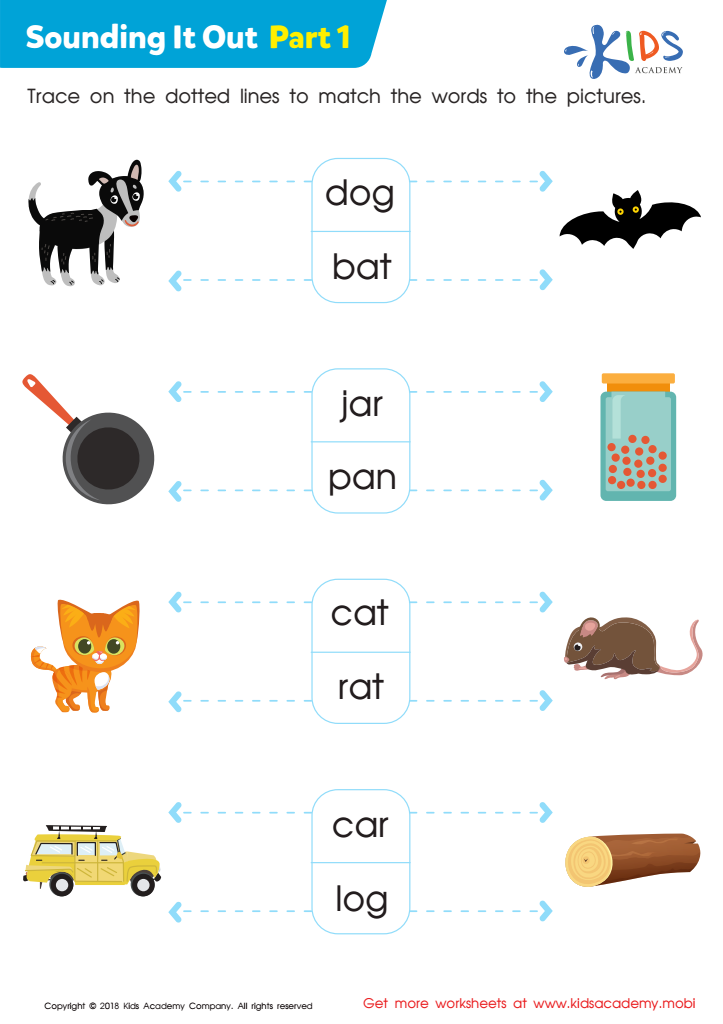
Sounding it Out: Part 1 Worksheet
Help kids learn to read with this fun worksheet! Kids use picture clues to sound out words and trace the dotted lines to match each word to its corresponding image. Stimulating and interactive, this printable is a great way for little learners to practice phonics.
Sounding it Out: Part 1 Worksheet
Worksheet
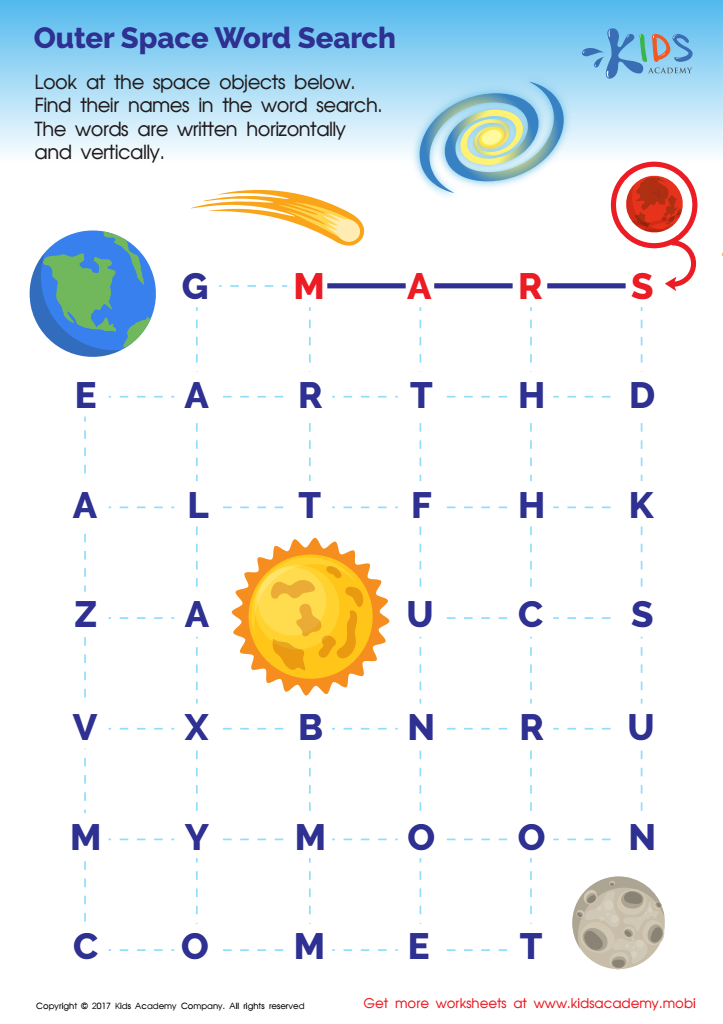
Outer Space Word Search Printable
Test your child's space knowledge with this fun outer space word search printable! With pictures as clues, they'll hardly realize they're learning and thinking hard. Let them have a blast finding each of the words!
Outer Space Word Search Printable
Worksheet
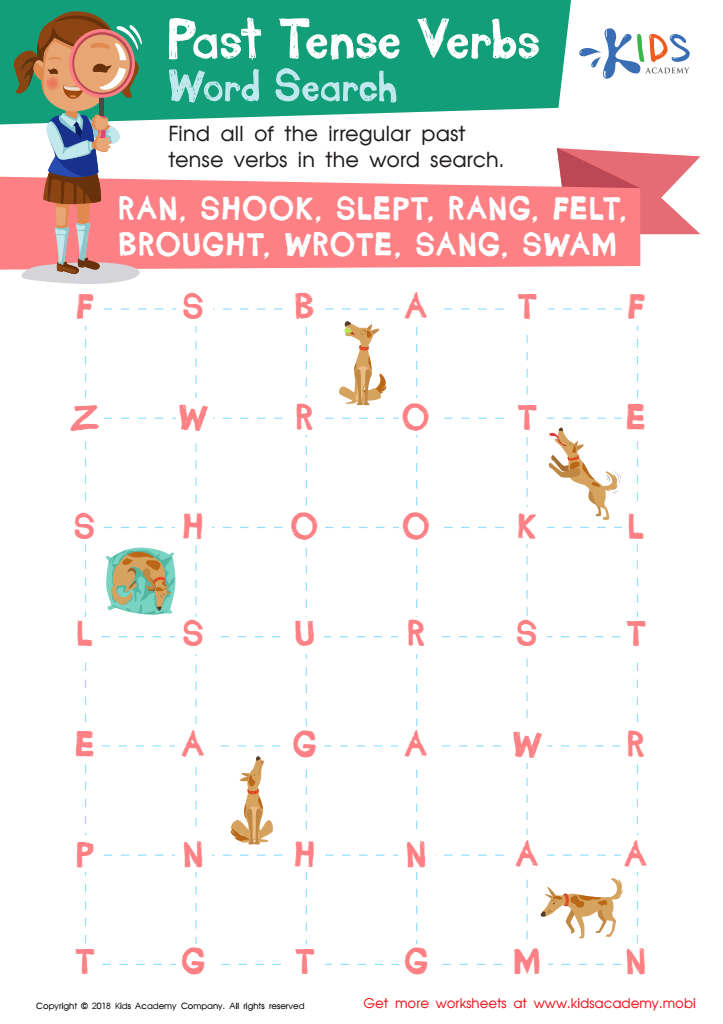
Past Tense Verbs Word Search Worksheet
Kids must learn the rules of past tenses to speak English correctly. This worksheet helps them understand irregular past tense verbs. As they search for them, ask them to read the words aloud; this reinforces the learning.
Past Tense Verbs Word Search Worksheet
Worksheet
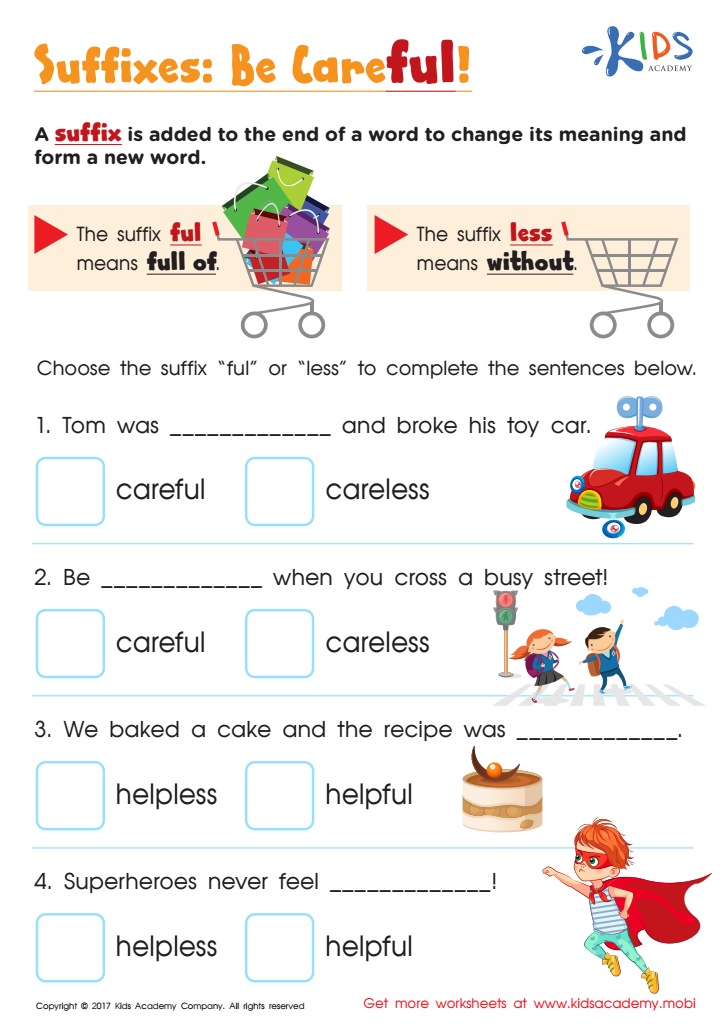
Suffixes Ful and Less Worksheet
Uh oh! Careful and careless might look similar, but have very different meanings. To avoid mix-ups, learn to spot and use the right suffixes. Use this suffixes ful and less worksheet to help your child master common suffixes!
Suffixes Ful and Less Worksheet
Worksheet
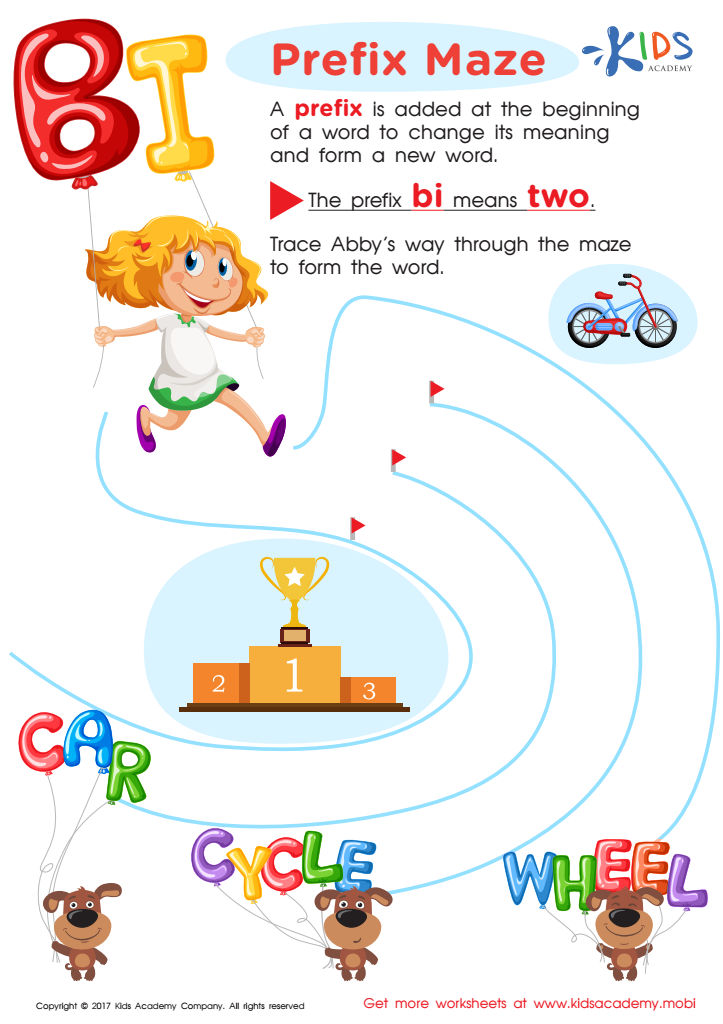
Prefix Bi Words Worksheet
Help "bi" find its root word in this fun and colorful prefix worksheet! Your child will learn how words are built while having a great time!
Prefix Bi Words Worksheet
Worksheet
Join Kids Academy for Free
Who is primarily going to use this learning content?








Spelling and vocabulary development are critical components of early childhood education, particularly for children aged 3-7. During this formative stage, children are building the foundational language skills essential for effective communication and literacy. Parents and teachers play a vital role in fostering an environment where spelling improvement and vocabulary building can thrive.
Improving spelling helps children develop phonetic awareness and understand the relationship between letters and sounds. This skill not only enhances reading fluency but also boosts confidence in writing, allowing young learners to express themselves more clearly. Furthermore, a rich vocabulary supports cognitive development by exposing children to new ideas and concepts, which aids in their comprehension skills across various subjects.
Research demonstrates that strong vocabulary skills in early childhood correlate with success in later education. By prioritizing vocabulary enrichment—through reading, speaking, and interactive activities—parents and teachers can help children articulate thoughts and emotions more effectively. This skill set is essential not just for academic achievement but also for social interactions and emotional intelligence.
Ultimately, investing time and effort in spelling improvement and vocabulary building during these early years lays the groundwork for lifelong learning and communication skills, directly impacting a child's overall development.








