
Analytical thinking Normal Reading Worksheets for Ages 3-7
4 filtered results
Difficulty Level
Grade
Age
-
From - To
Subject
Activity
Standards
Unlock your child's potential with our Analytical Thinking Normal Reading Worksheets designed for ages 3-7. These engaging worksheets foster critical reasoning and problem-solving skills, helping young learners analyze information effectively. Our carefully crafted activities promote cognitive development through fun and interactive exercises, making learning enjoyable. Each worksheet encourages children to recognize patterns, draw conclusions, and make connections, enhancing their overall literacy skills. Ideal for preschool and early grade educators, these printable resources support diverse learning styles and can be integrated into your curriculum seamlessly. Start your child's journey to becoming a thoughtful reader and thinker today!
Favorites
With answer key
Interactive
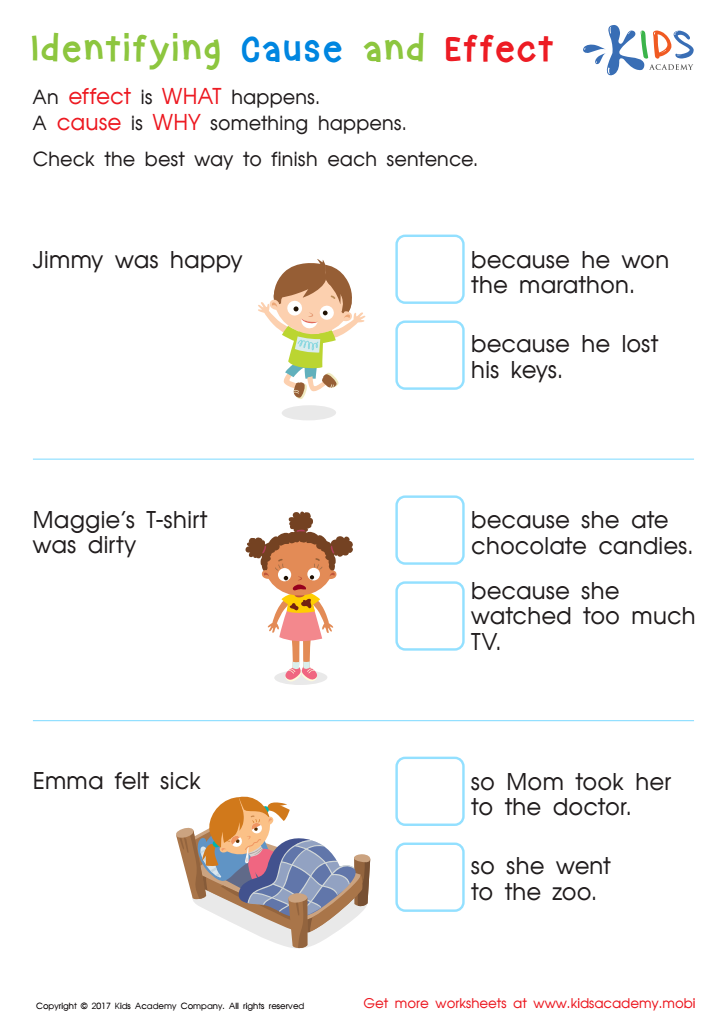
Indentifying Cause and Effect Worksheet
2nd grade cause & effect worksheets give your child practice making connections between events and their results. Fun activities help develop reading and critical thinking skills.
 Assign to My Students
Indentifying Cause and Effect Worksheet
Worksheet
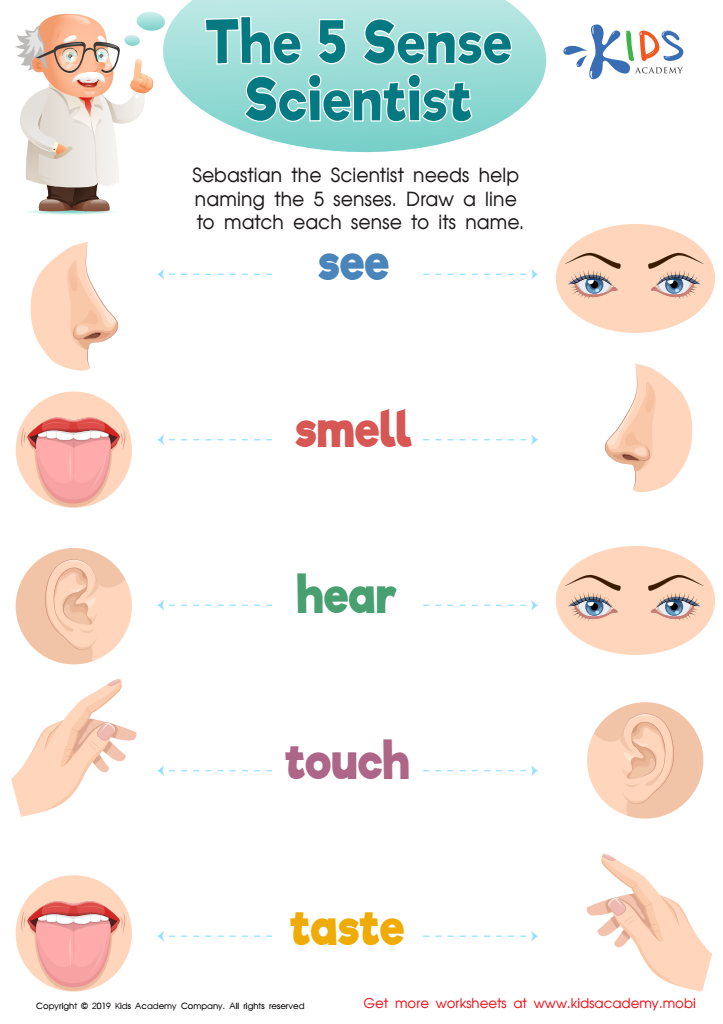
The 5 Sense Scientist Worksheet
Our young children will have fun learning about their five senses with this free Sense Scientist worksheet. Helping Sebastian the Scientist, they'll name the five senses and use traceable lines to connect each picture with its correct sense. Colorful words and pictures will create a memorable picture representation.
The 5 Sense Scientist Worksheet
Worksheet
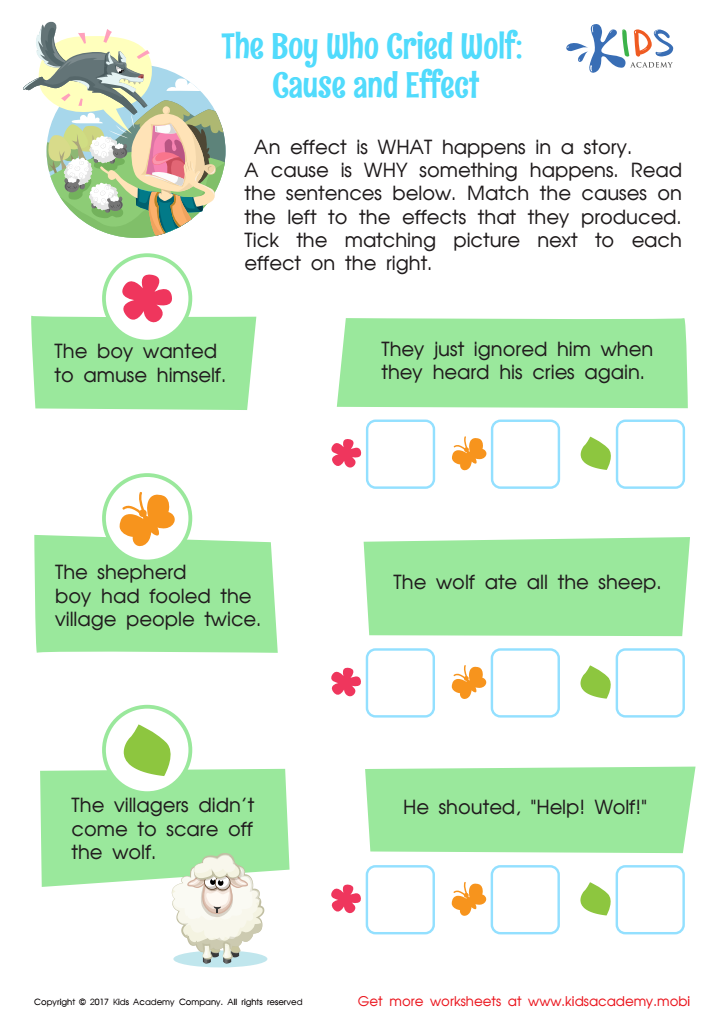
The Boy Who Cried Wolf: Cause and Effect Worksheet
With classic stories and fables, learning reading comprehension is easy - and fun!
The Boy Who Cried Wolf: Cause and Effect Worksheet
Worksheet
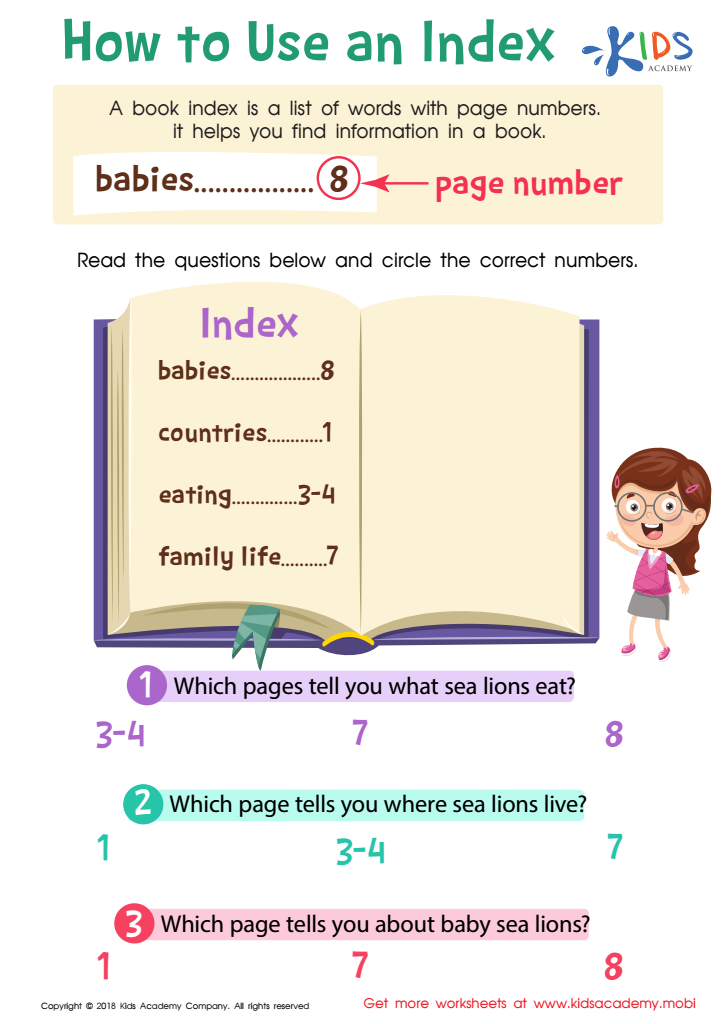
How Use Index Worksheet
Hand your kids a book, point out the index and explain that it's a list of words with page numbers. Ask them to look at the index in the worksheet and circle the correct number to the questions. Every book must have an index to help readers find chapters or information they need.
How Use Index Worksheet
Worksheet
Join Kids Academy for Free
Who is primarily going to use this learning content?






.jpg)
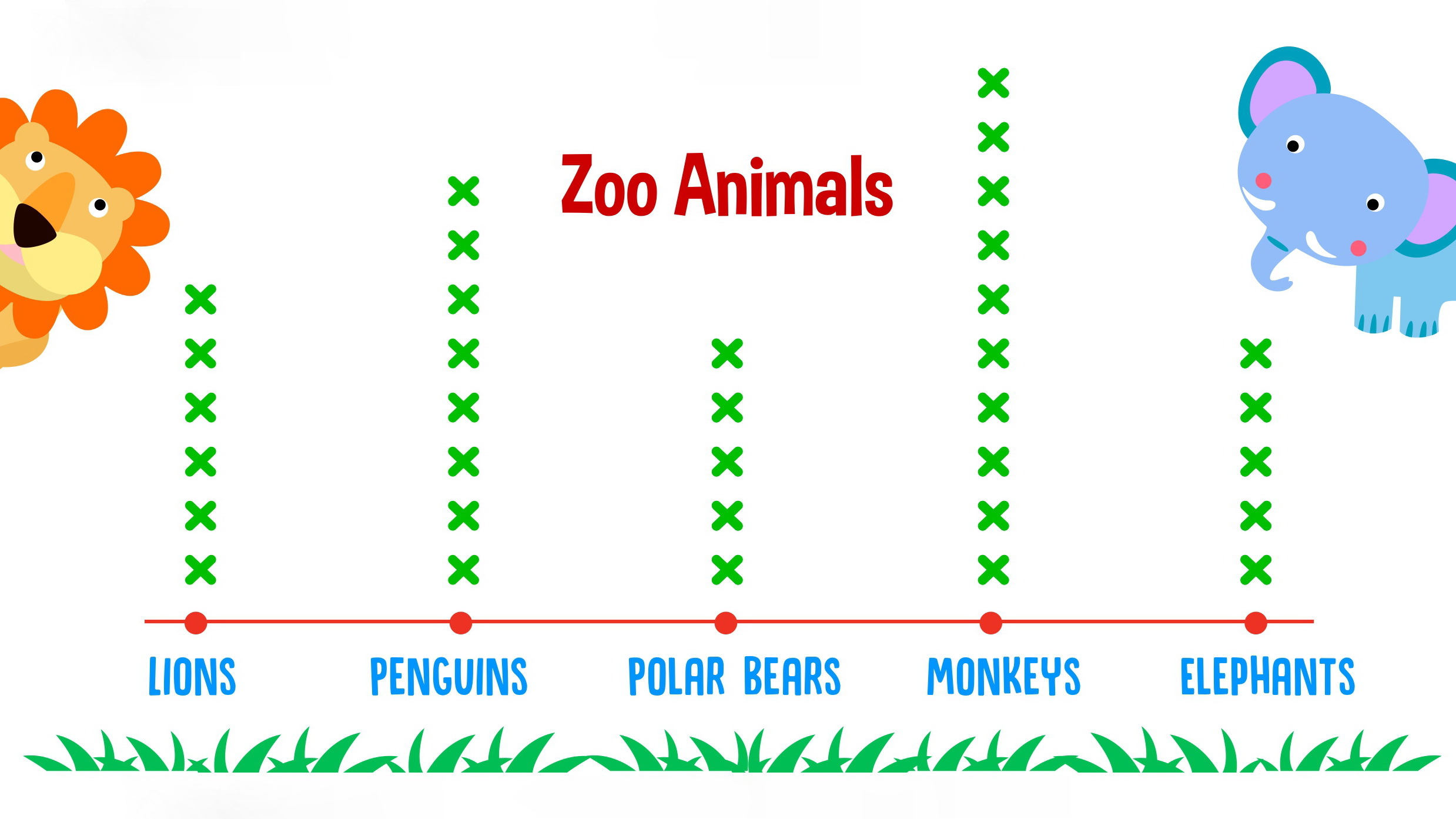
Analytical thinking is crucial for children ages 3-7 as it lays the foundation for problem-solving skills, logical reasoning, and decision-making abilities. During these formative years, children are naturally curious and eager to explore their environment. Encouraging analytical thinking helps them make sense of the world around them. Activities like puzzles, sorting games, and open-ended questions nurture their ability to analyze situations, recognize patterns, and think critically.
Parents and teachers play a vital role in this development. By providing opportunities for children to explore different ideas and challenge their understanding, adults can foster a learning environment where analytical thinking thrives. Engaging in conversations, asking questions that require thought, and facilitating hands-on experiences enhances cognitive growth.
Additionally, analytical thinking influences a child's ability to succeed academically later in life. Developing these skills early on helps students approach learning with confidence, enhances their creativity, and prepares them for complex tasks as they progress through school. Ultimately, caring about analytical thinking instills a love for learning, equipping children with invaluable skills that benefit them throughout their educational journey and in everyday life. Investing time to build these abilities in young learners is essential for their future success and well-being.








