Unlock the joy of reading with our engaging "Reading Skills Normal Worksheets" designed for children aged 3-7! These printable worksheets feature fun and interactive activities that help young learners build essential reading skills. Each worksheet is crafted to enhance phonics, word recognition, and comprehension, making literacy learning enjoyable and effective. Suitable for home or school use, our resources support early literacy development and cater to various learning styles. Foster a love for reading in your child while developing their confidence and proficiency. Dive into our collection today and watch as your little ones embark on their reading adventure!

Check out this FREE Trial Lesson on Reading for age 3-7!

Short Vowels

Favorites
With answer key
Interactive
  • 3-7
  • Reading Skills
  • Reading
  • Normal
l or i? Worksheet
l or i? Worksheet

l or i? Worksheet

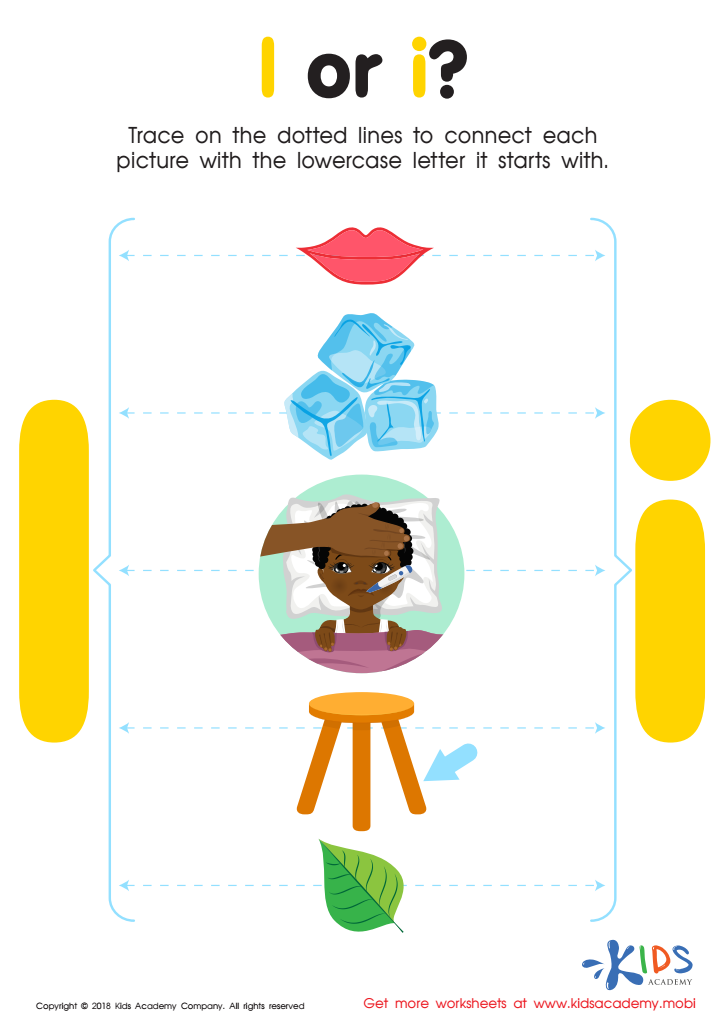
Trace the dotted lines on this worksheet to connect pictures with their lowercase letter. Ask your child what each picture is and the first letter of the word. Guide them to trace the letter with the dotted lines.
l or i? Worksheet
Worksheet
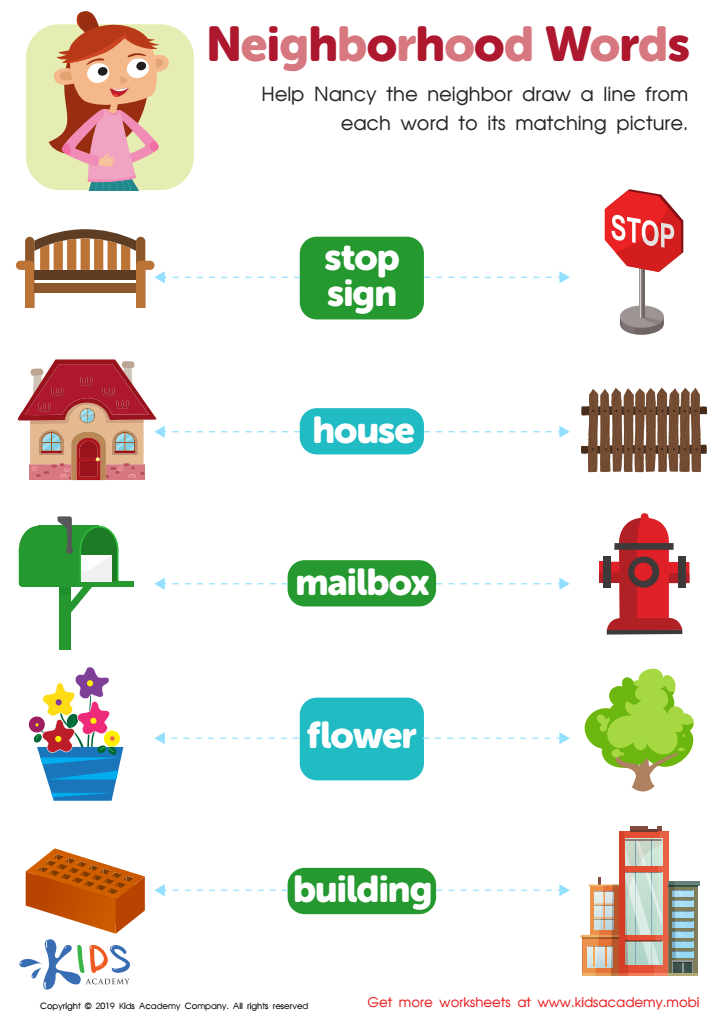
Neighborhood Words Worksheet

Neighborhood Words Worksheet

Help preschoolers develop life skills and familiarize them with words and concepts with this worksheet! It'll also boost their fine motor skills as they trace lines to match pictures with the words. They'll learn new words and feel more confident in their reading.
Neighborhood Words Worksheet
Worksheet
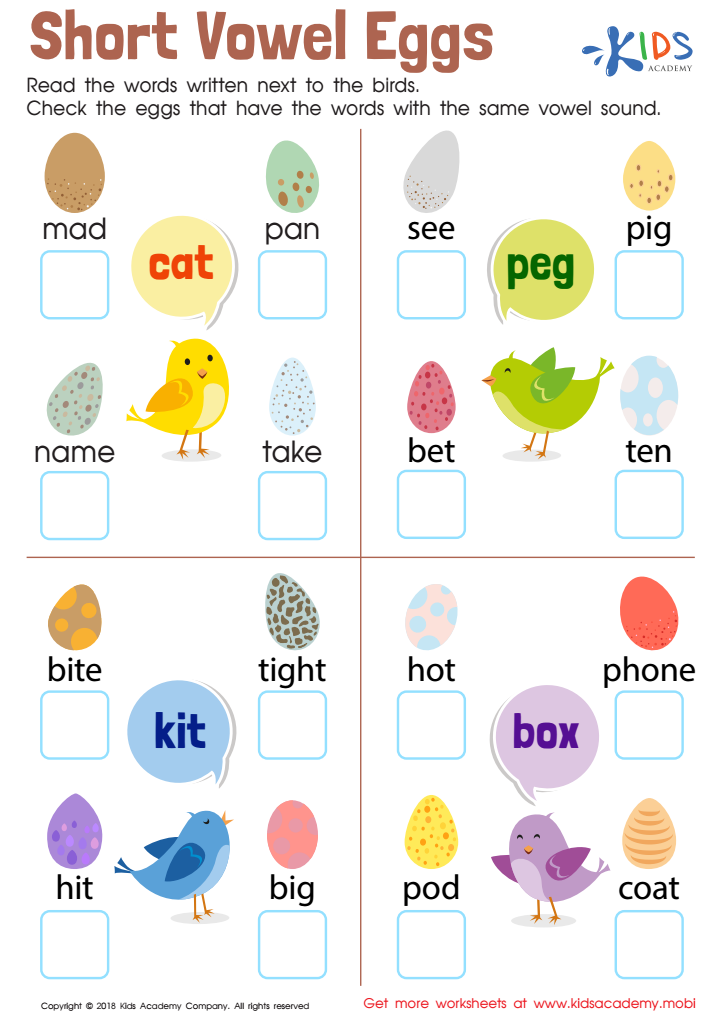
Short Vowel Eggs Worksheet
Short Vowel Eggs Worksheet

Your students will love helping these birdies pick the short vowel eggs! Have them read the words in the thought bubbles, then check off the boxes with the same short vowel sounds. The bright colors of this free Worksheet will draw them in and get them practicing their vowels!
Short Vowel Eggs Worksheet
Worksheet
Draw a Line to the Picture Books Worksheet

Draw a Line to the Picture Books Worksheet

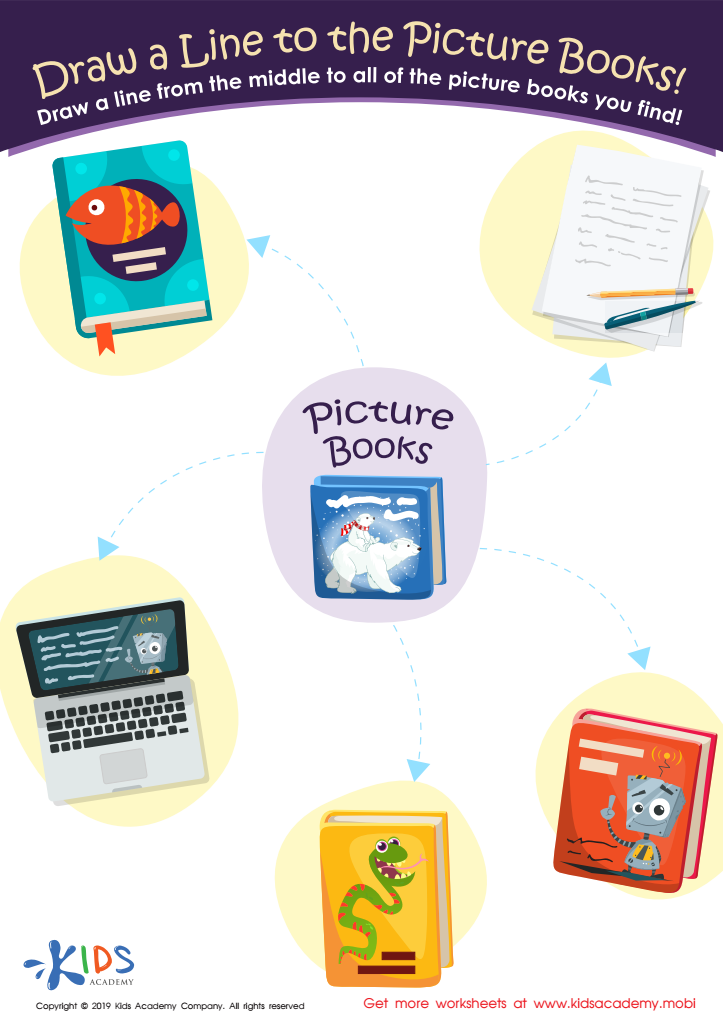
Encourage your students to read and explore with this fun exercise! They'll draw a line from the word 'picture books' to the five objects. Picture books are exciting, with stories and colorful images. Make story time even more enjoyable with this worksheet!
Draw a Line to the Picture Books Worksheet
Worksheet
Ben Franklin Part 2 Worksheet

Ben Franklin Part 2 Worksheet

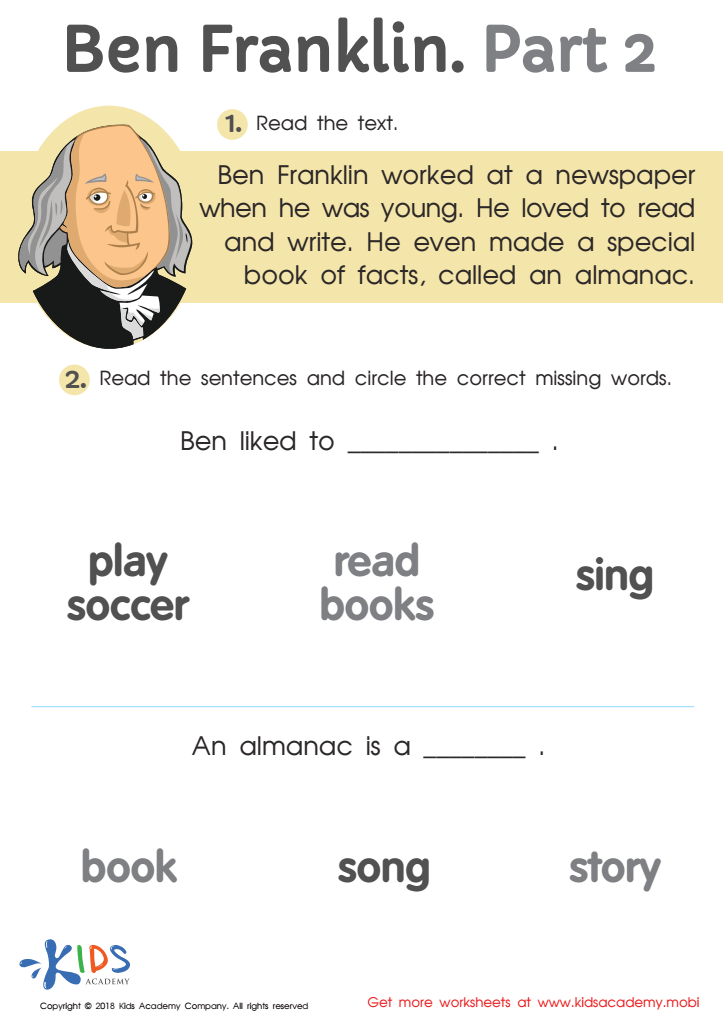
History is filled with great figures, like Benjamin Franklin. Let your kids in on the legacy by introducing them to the founder of the US fire department, diplomat, and inventor. Then, use a worksheet to have them fill in the blanks with the correct word to teach them more. Read the text, then read the sentences and have them circle the missing word.
Ben Franklin Part 2 Worksheet
Worksheet
Sight Words Worksheet: B Words

"B" Words Printable Sight Words Worksheet
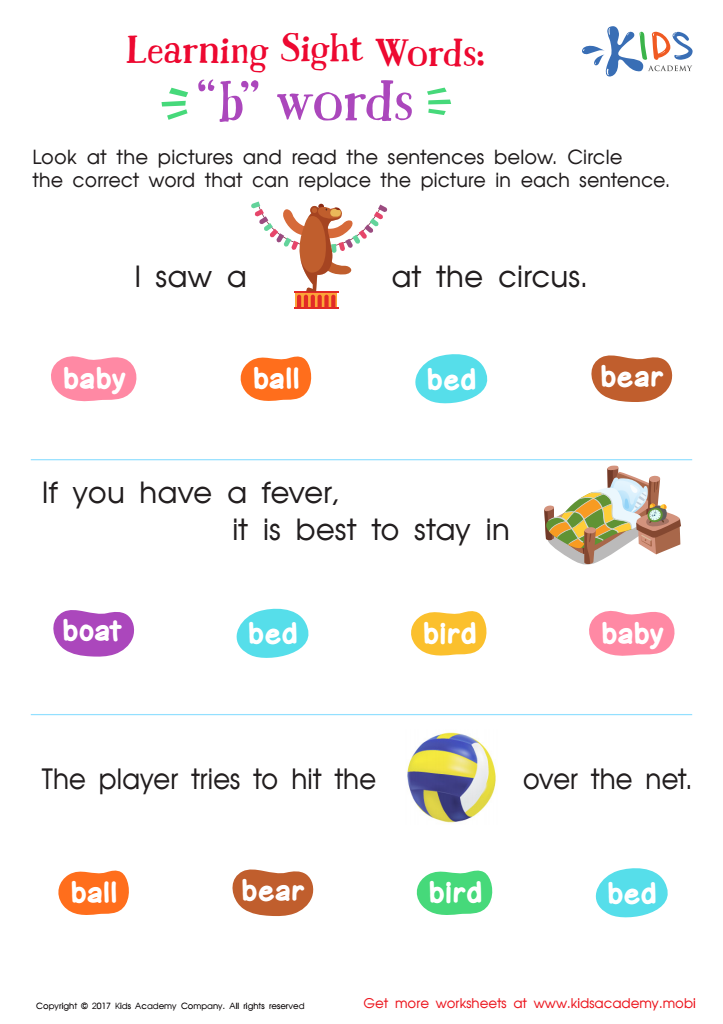
Kids will learn sight words quickly with this fun worksheet! "B" Words offers guided practice with simple sentences and pictures. Build your child's reading confidence with this helpful worksheet and watch them become a master!
"B" Words Printable Sight Words Worksheet
Worksheet
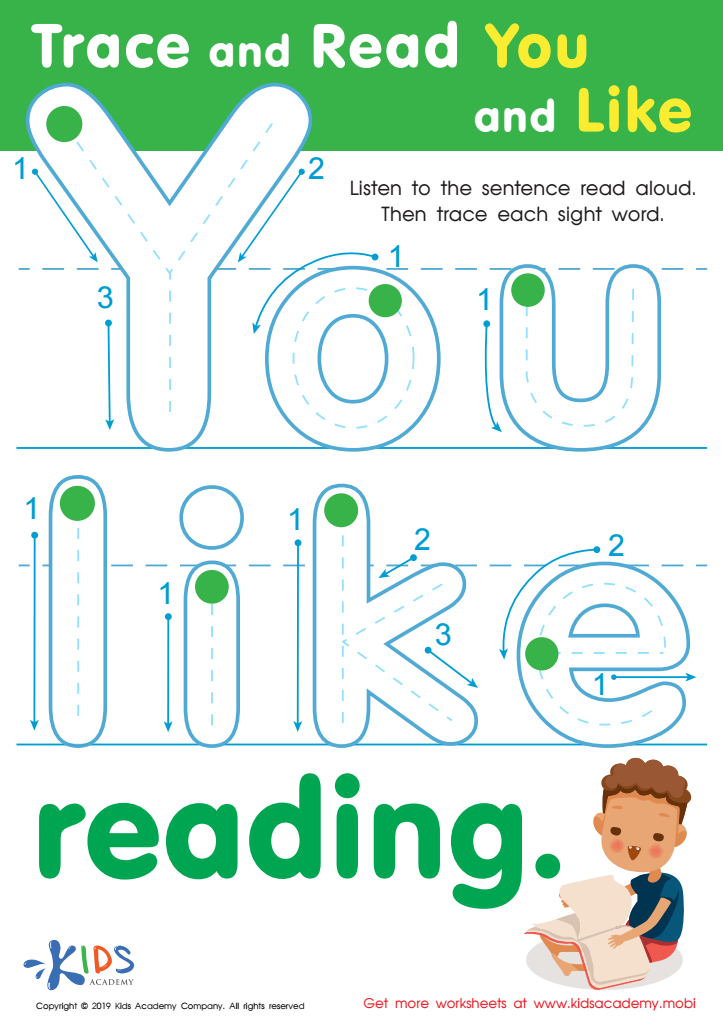
Trace Read You Like Worksheet


Trace Read You Like Worksheet

Sight words help children become confident and fluent readers. This free worksheet encourages success with basic 'you' and 'like' words. Writing them with traceable lines and green dots shows motion and builds sight word vocabulary. Help your child master the basics and boost their reading progress!
Trace Read You Like Worksheet
Worksheet


Reading skills in early childhood, particularly from ages 3 to 7, are foundational to a child's academic and overall development. At this stage, children are learning the basics of language and literacy that form the bedrock for future learning. Parents and teachers should care about nurturing these skills because early reading proficiency is linked to improved vocabulary, communication skills, and critical thinking abilities.

When children engage with books, whether through reading aloud or storytime, they are exposed to new ideas and perspectives. This practice enhances comprehension and fosters a love for learning that can last a lifetime. Moreover, early reading skills have been correlated with academic success later in life. Children who can read at grade level in third grade are more likely to excel in subsequent subjects, highlighting the importance of early intervention and support.

Additionally, encouraging reading at home and in classroom settings strengthens the parent-child and teacher-student relationships, creating supportive environments that promote literacy. Fostering these skills by introducing a variety of books, interactive reading sessions, and engaging activities not only benefits academic development but also enhances emotional bonding and social skills. Thus, prioritizing reading skills for ages 3-7 is essential for a child's future success and well-being.