Sequencing Skills Normal Reading Worksheets for Ages 3-7
4 filtered results
-
From - To
Enhance your child's reading skills with our Sequencing Skills Normal Reading Worksheets designed for ages 3-7. These engaging worksheets help young learners understand story structure by focusing on the order of events. Perfect for preschool and early elementary students, the worksheets encourage critical thinking, improve comprehension, and promote language development in a fun and interactive way. With colorful illustrations and age-appropriate activities, your child will enjoy practicing sequencing by arranging pictures and retelling stories. Empower your little ones to become confident readers and storytellers. Explore our collection of printable worksheets today and support your child's educational journey!
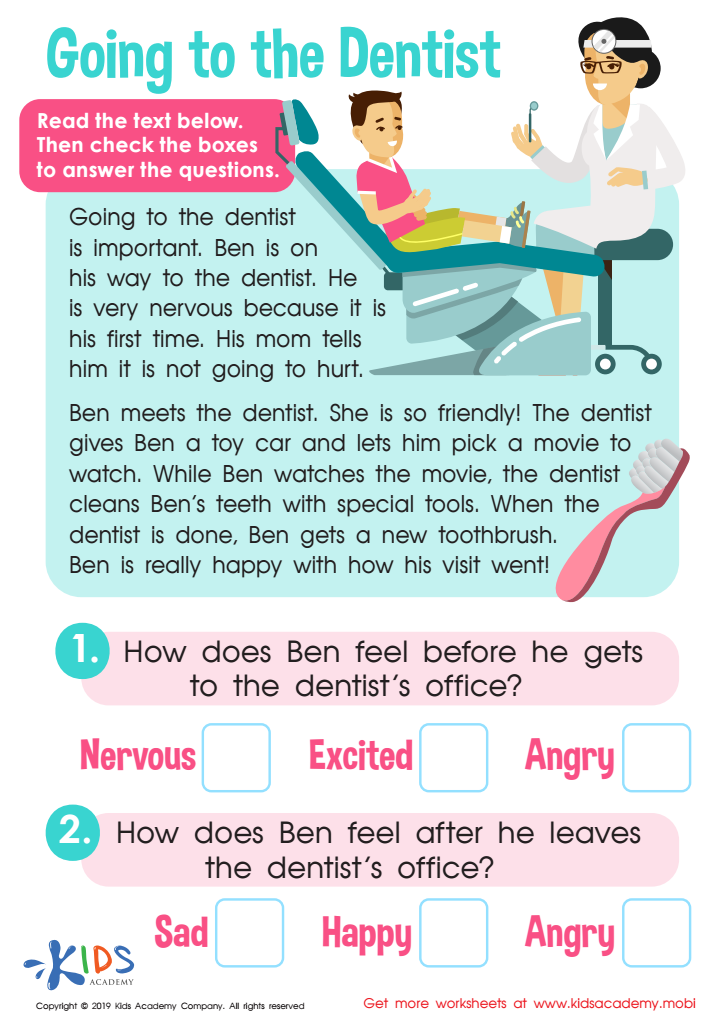
Going to the Dentist Worksheet
 Assign to My Students
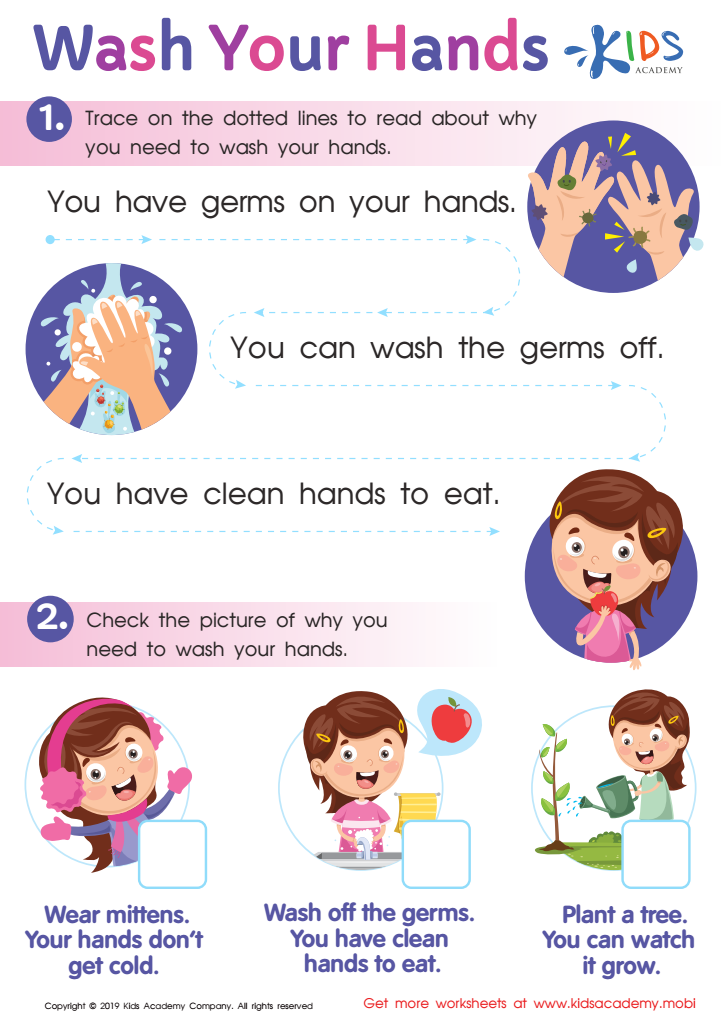
Wash Your Hands Worksheet
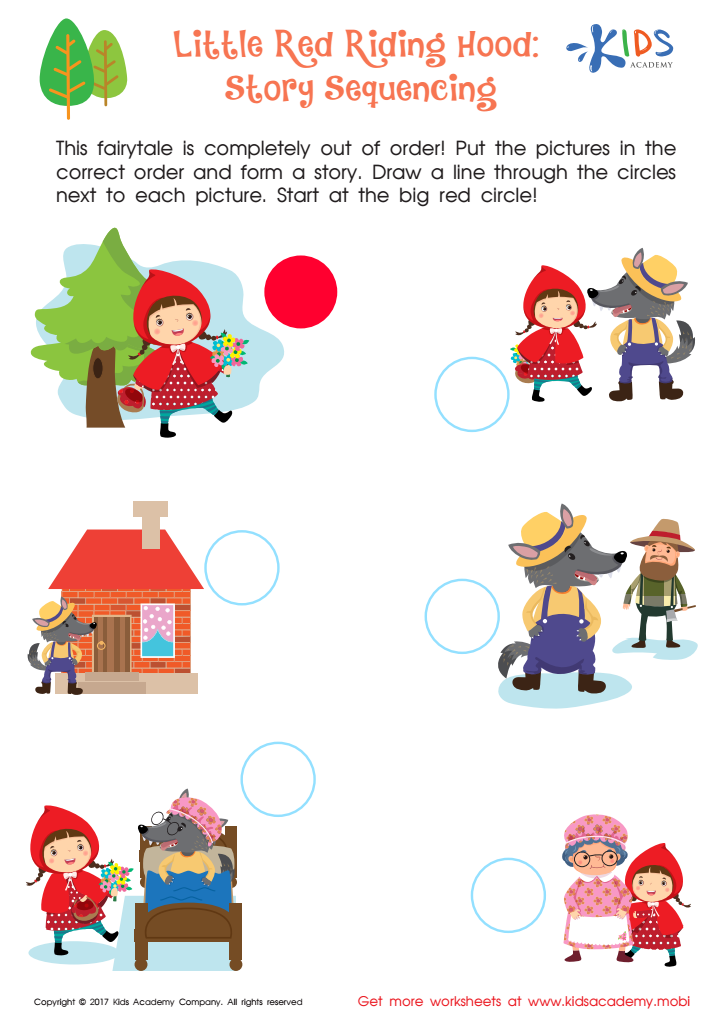
Story Sequencing Printable
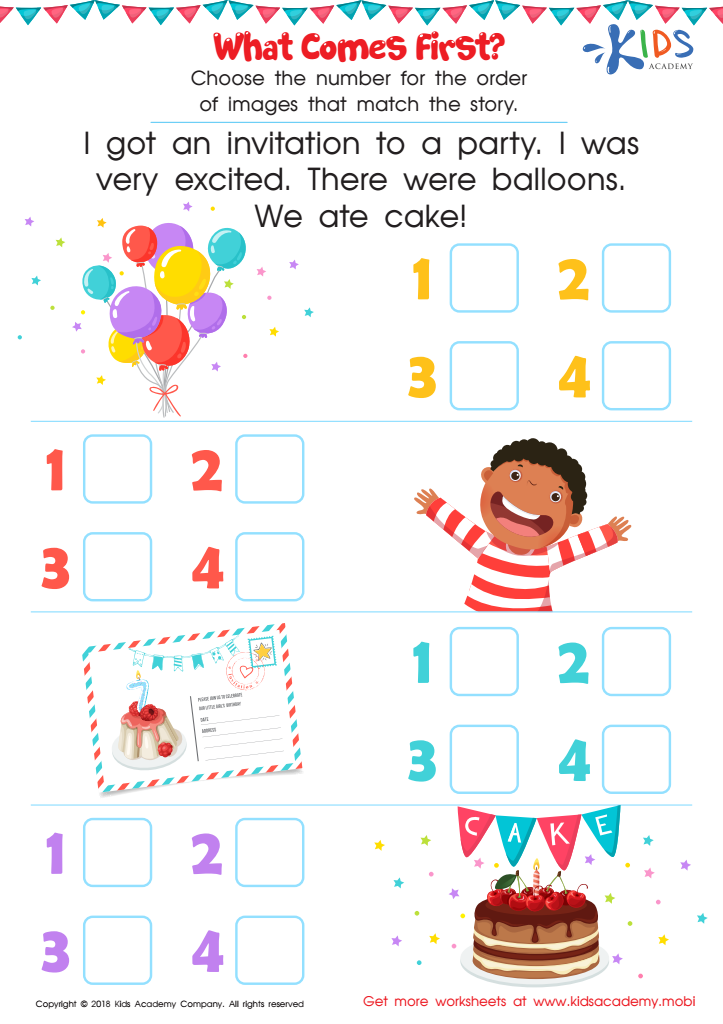
What Comes First Worksheet





.jpg)

Sequencing skills are crucial for developing literacy and comprehension in children aged 3-7. As early educators or parents, fostering these skills enables children to understand the logical order of events in stories and everyday activities. This understanding is foundational for reading success, as it helps children recall and retell stories accurately, enhancing their engagement with texts.
Additionally, sequencing skills are linked to critical thinking. By learning to identify the first, middle, and last parts of a narrative, children improve their ability to predict outcomes and infer meanings, which are key components in overall comprehension. Furthermore, these skills support cognitive development, as they encourage children to organize their thoughts and understand relationships between events.
Incorporating activities that promote sequencing, such as storytelling, puzzles, and daily routines, can be beneficial. Children who grasp sequencing principles are more likely to become enthusiastic readers, eager to explore new stories and concepts. Therefore, it is imperative for teachers and parents to prioritize and nurture these skills, laying a strong foundation for lifelong literacy and learning. Ultimately, when children master sequencing, they not only become better readers but also gain essential problem-solving abilities that are invaluable throughout their educational journey.








