Sound recognition Normal Reading Worksheets for Ages 3-7
4 filtered results
-
From - To
Give your young readers a head start with our Sound Recognition Normal Reading Worksheets, designed for children ages 3-7. These expertly crafted resources help kids identify and distinguish between different sounds, enhancing their phonemic awareness and early reading skills. Through engaging activities and playful exercises, children will develop a strong foundation in sound recognition, setting the stage for successful reading comprehension. Each worksheet is designed to be fun and interactive, fostering a love of learning while supporting crucial literacy development. Ideal for classroom use or at-home practice, our worksheets make reading a delightful adventure for young learners.
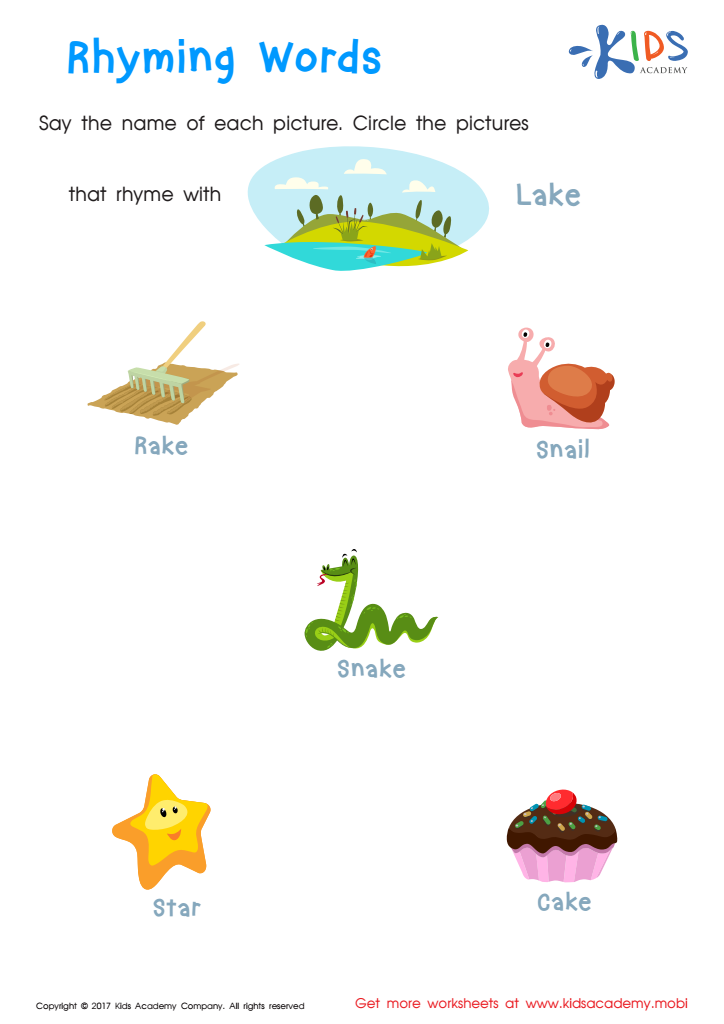
Rhyming Words Rhyming Worksheet
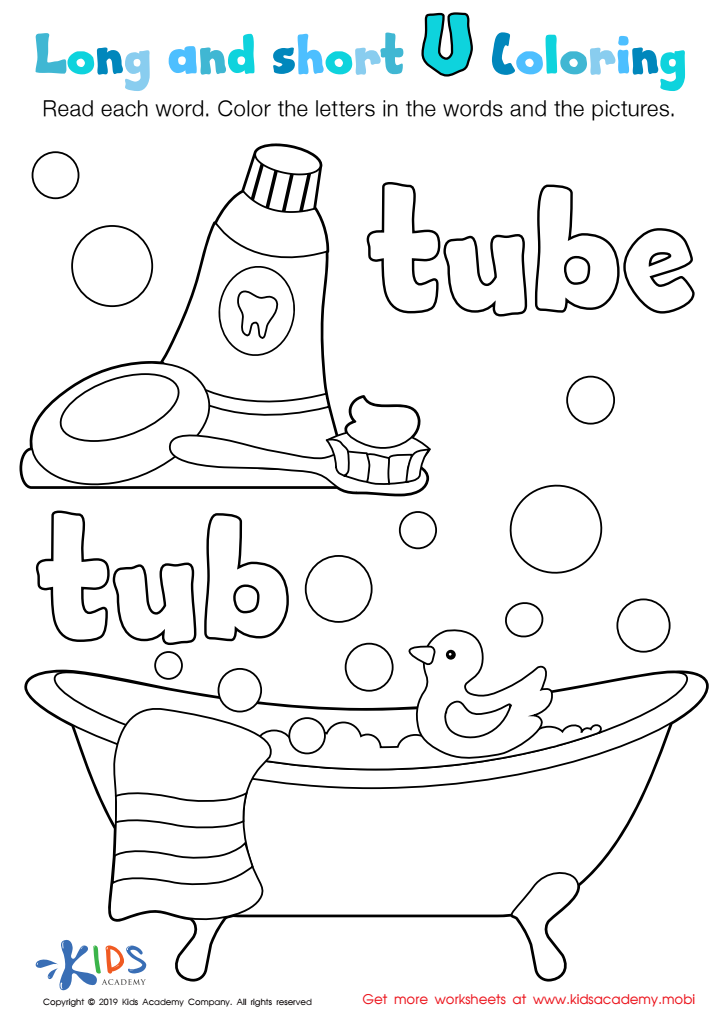
Long and Short U Worksheet
 Assign to My Students
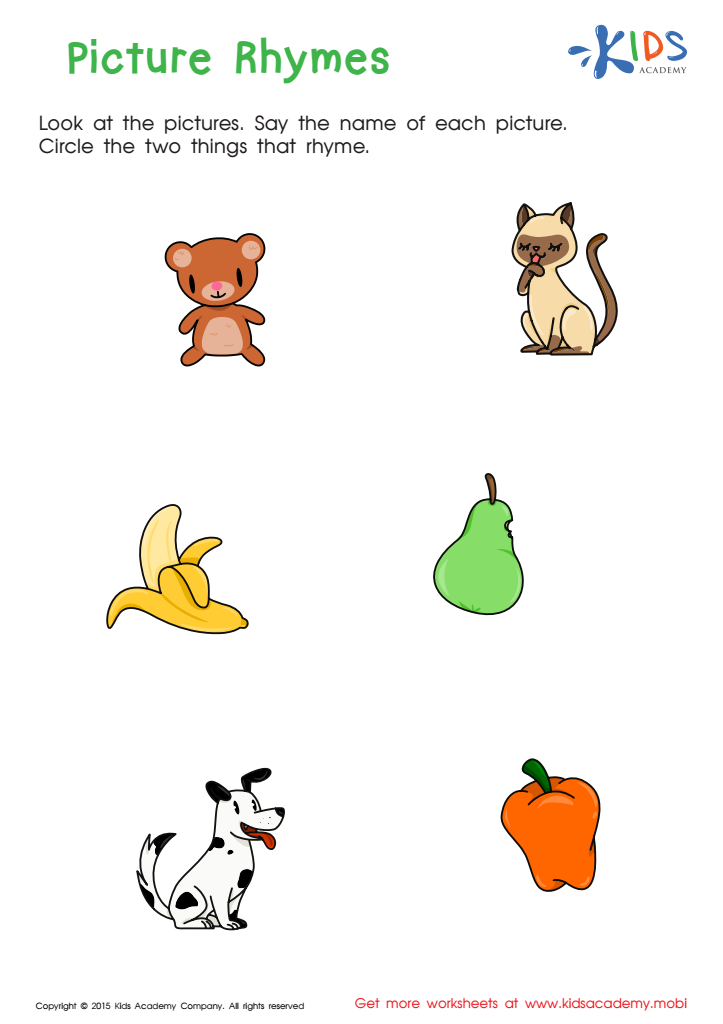
First Words: Picture Rhymes Worksheet
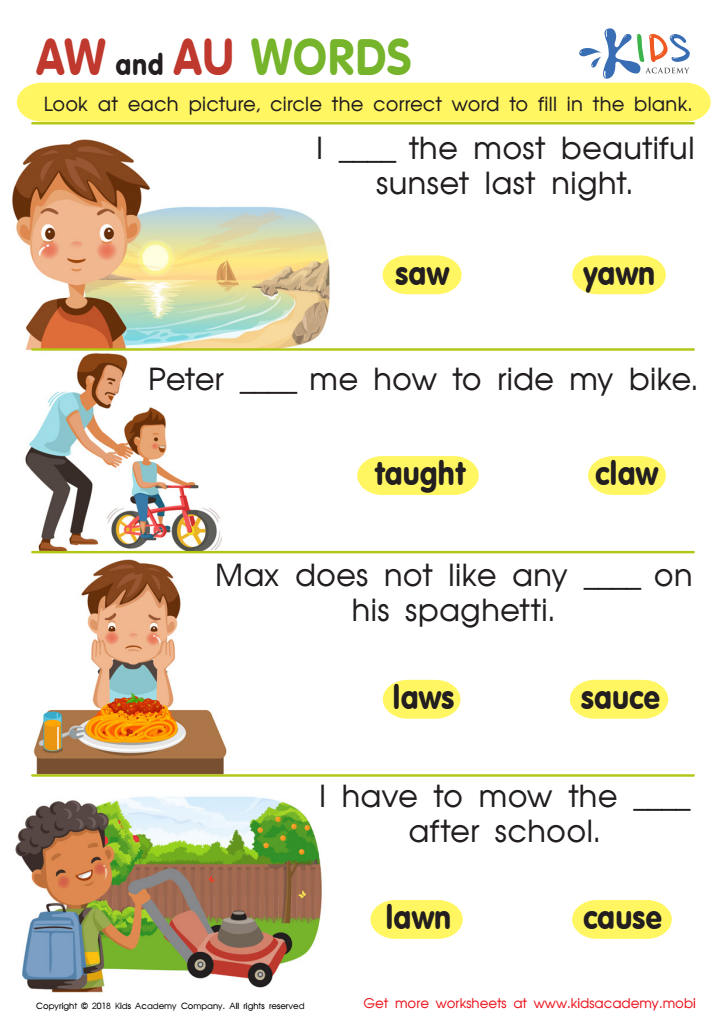
Reading: AW and AU Words Worksheet






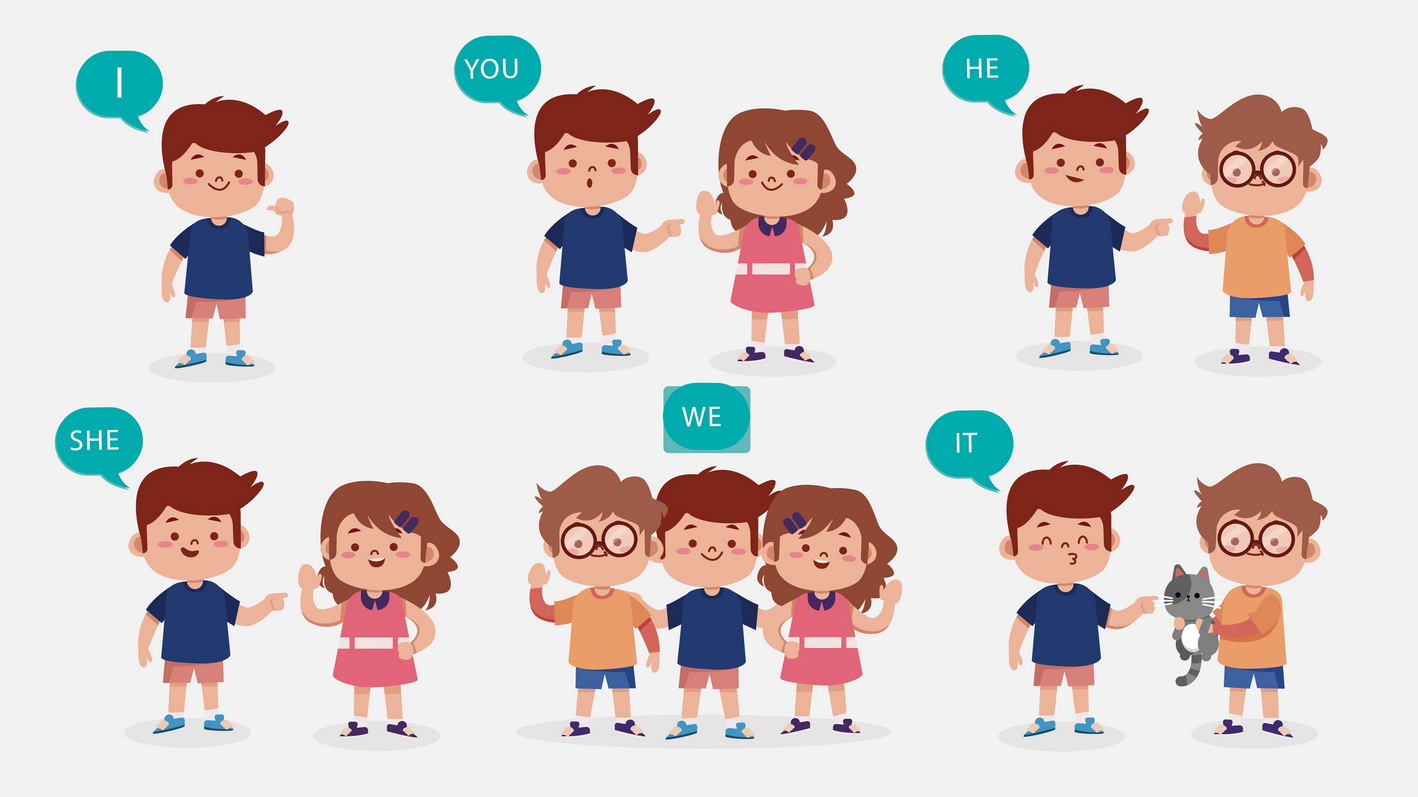

Sound recognition plays a crucial role in normal reading development for children aged 3-7. This early stage forms the foundational skills necessary for proficient reading and overall literacy. Recognizing sounds—also known as phonemic awareness—involves the ability to hear, identify, and manipulate individual sounds (phonemes) in spoken words. This ability is critical for understanding the relationship between letters and their corresponding sounds, which is the bedrock of decoding words while reading.
For parents and teachers, fostering sound recognition in young children helps facilitate smoother transitions into independent reading. It enables children to break down words into component sounds and blend them back together, an essential skill for reading fluency and comprehension. Children who develop strong sound recognition skills typically find it easier to learn new words and improve their spelling and writing abilities, setting a strong academic foundation.
Moreover, early sound recognition impacts a child’s confidence and motivation in reading. Children who can recognize sounds are less likely to struggle or become frustrated as they start reading, enhancing their love for books and learning. Hence, paying attention to sound recognition and incorporating activities that improve phonemic awareness can lead to long-lasting educational benefits. Engaged parents and vigilant teachers are pivotal in providing the support and resources needed to cultivate these essential skills in young learners.








