Fine Motor Skills Normal Reading Comprehension Worksheets for Ages 3-7
4 filtered results
-
From - To
Discover our meticulously designed Fine Motor Skills Normal Reading Comprehension Worksheets, tailored for children ages 3-7. These engaging resources not only foster reading comprehension but also enhance fine motor skills, supporting young learners in their developmental journey. Each worksheet features captivating illustrations and age-appropriate texts, encouraging imaginative thinking while improving hand-eye coordination through tracing and cutting activities. Ideal for parents and educators, these worksheets provide a balanced approach to learning, ensuring children build essential skills while having fun. Explore our collection today and help your child excel in reading comprehension and fine motor abilities!

Twinkle Twinkle Little Star Coloring Page
 Assign to My Students
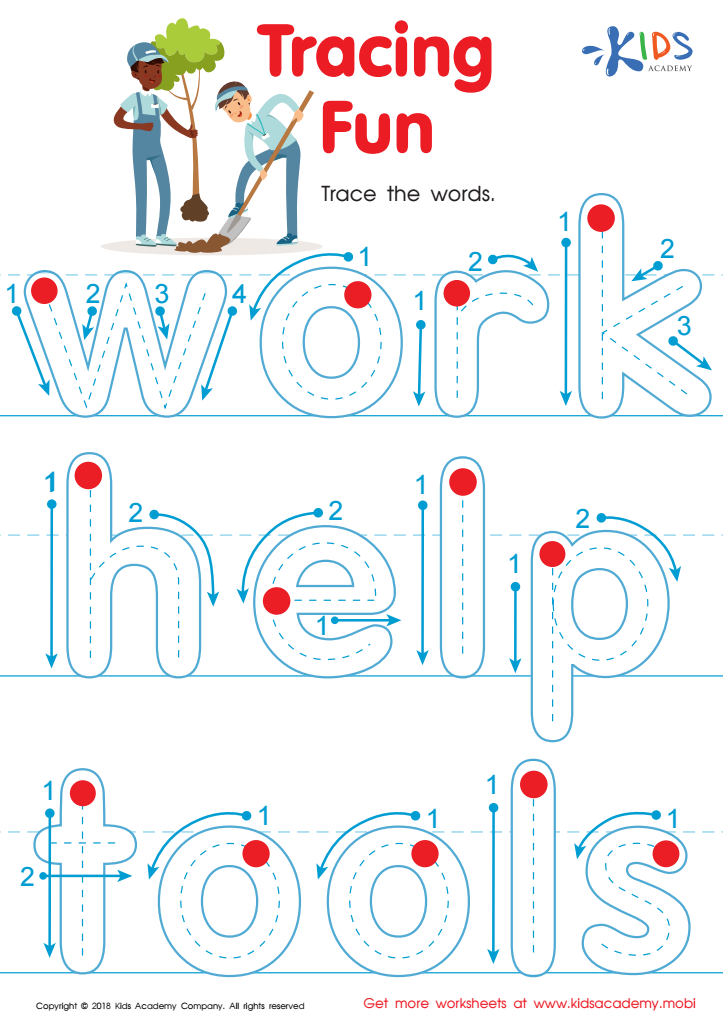
Tracing Fun Worksheet

Red Riding Hood Coloring Page
Assign to My Students
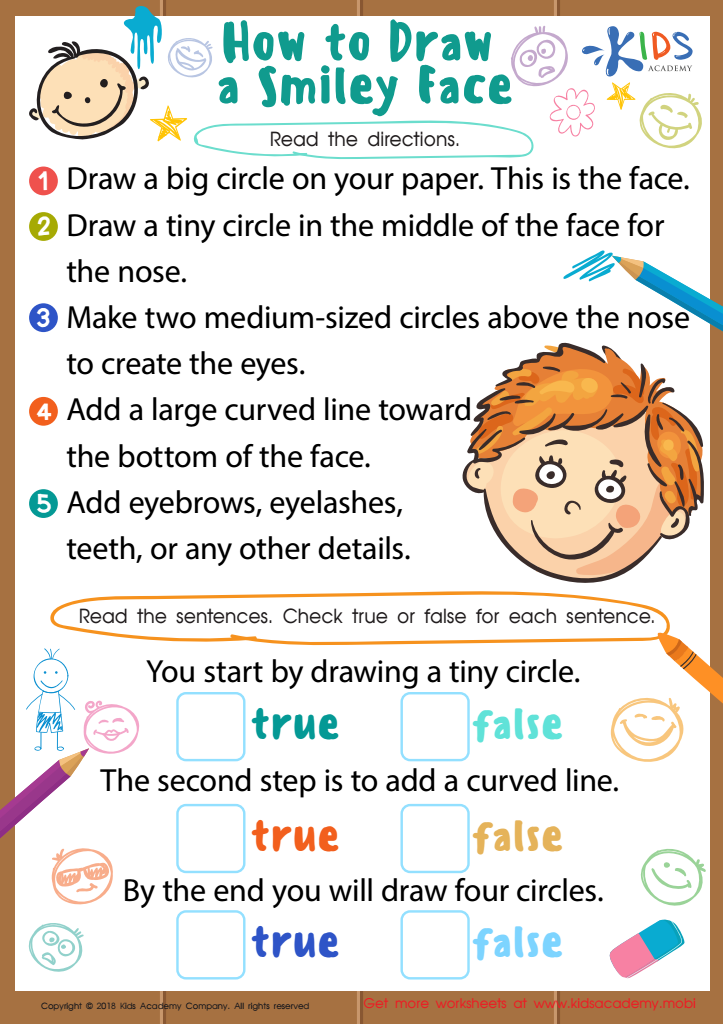
How to Draw a Smiley Face Worksheet








Fine motor skills are essential for children aged 3-7 as they lay the foundation for various important tasks, including reading comprehension. These skills involve the coordination of small muscles in the hands and fingers, enabling children to perform tasks like holding a pencil, cutting with scissors, and manipulating small objects. Mastery of fine motor skills directly impacts a child's ability to engage with written material, facilitating effective writing practices and charting progress in reading comprehension.
When children are fine-tuned with their fine motor abilities, they can more easily practice handwriting, draw, and take notes, all of which enhance their ability to comprehend and retain information. A lack of fine motor skill development can lead to difficulties in these areas, potentially hindering literacy development.
Moreover, fine motor skills correlate with self-esteem and confidence; children who can effectively interact with writing materials are often more willing to engage in reading activities. Thus, parents and teachers should prioritize building fine motor skills in children to bolster their reading comprehension, paving the way for more successful learning outcomes and academic achievements later in life. Understanding the connections between these skills can inform effective teaching strategies and promote holistic child development.








