Number Recognition Normal Science Worksheets for Ages 3-7
5 filtered results
-
From - To
Discover our engaging "Number Recognition Normal Science Worksheets" designed for children ages 3-7. These worksheets seamlessly merge basic number skills with fun science concepts, making learning both enjoyable and educational. Each exercise is crafted to help young learners identify and understand numbers through vibrant visuals and relatable scientific themes. Perfect for at-home learning or classroom activities, these resources foster numeric literacy while sparking curiosity about the world around them. From counting experiments to number-based puzzles, our worksheets provide a comprehensive tool to enhance critical thinking and problem-solving skills, setting the foundation for early math success. Explore the joy of numbers today!
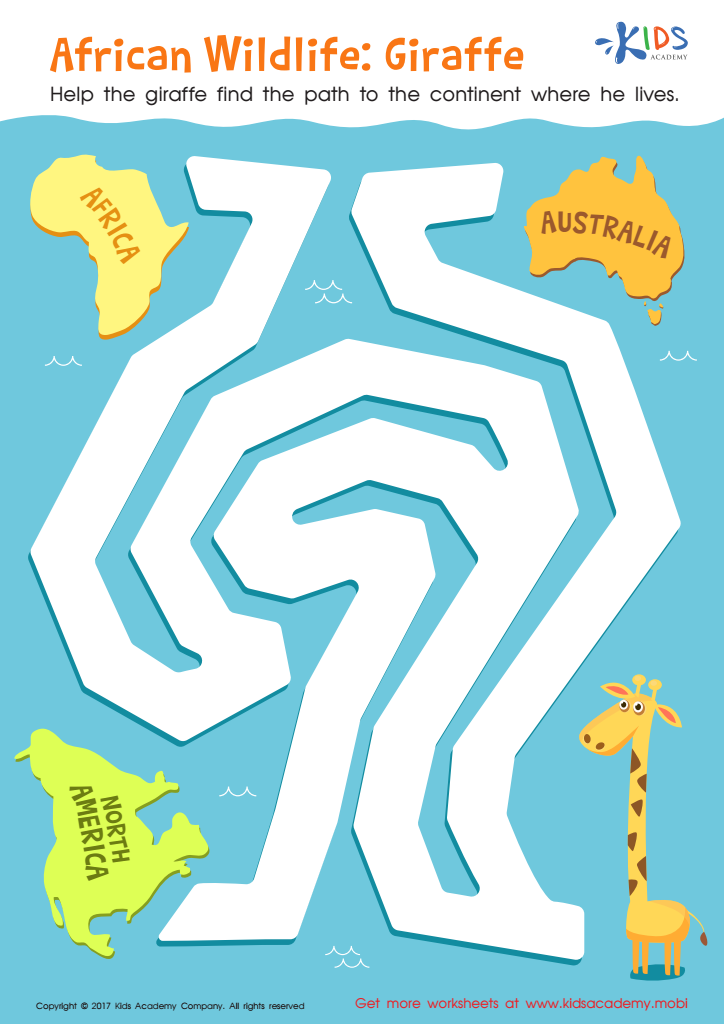
African Wildlife: Giraffe Worksheet
 Assign to My Students
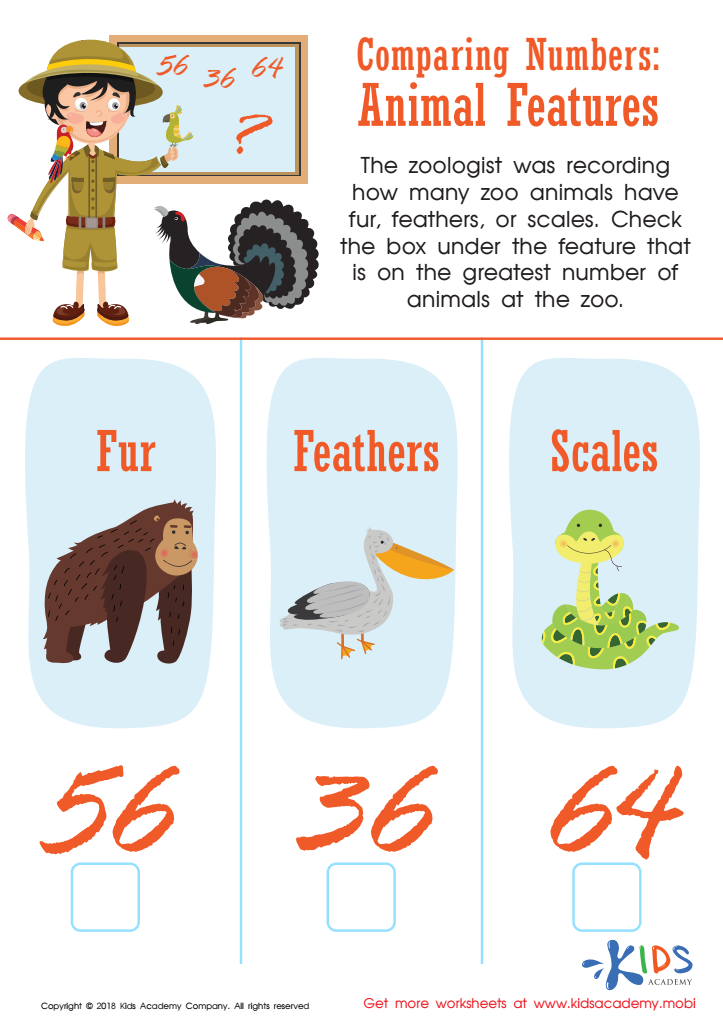
Animal Features Worksheet
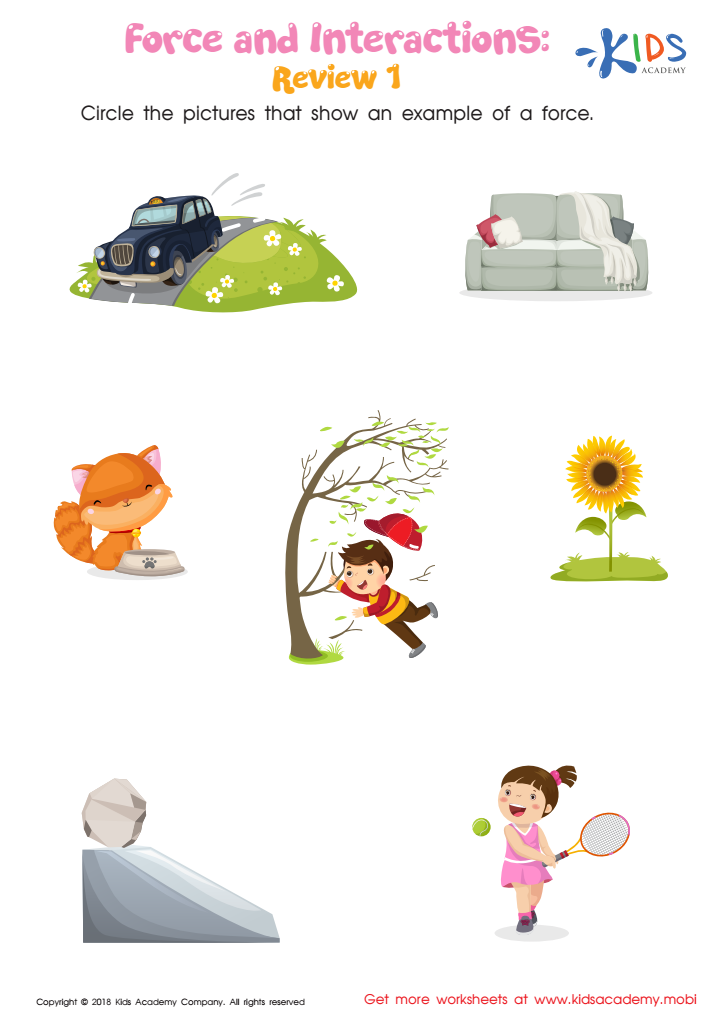
Force and Interactions: Review 1 Worksheet
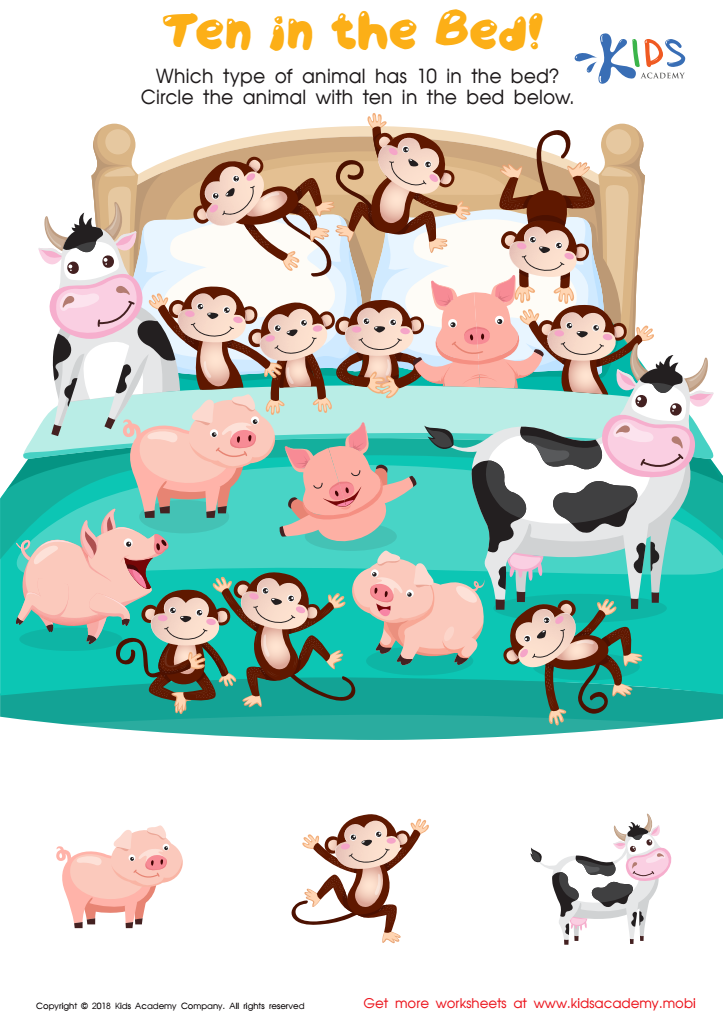
Ten in the Bed Worksheet
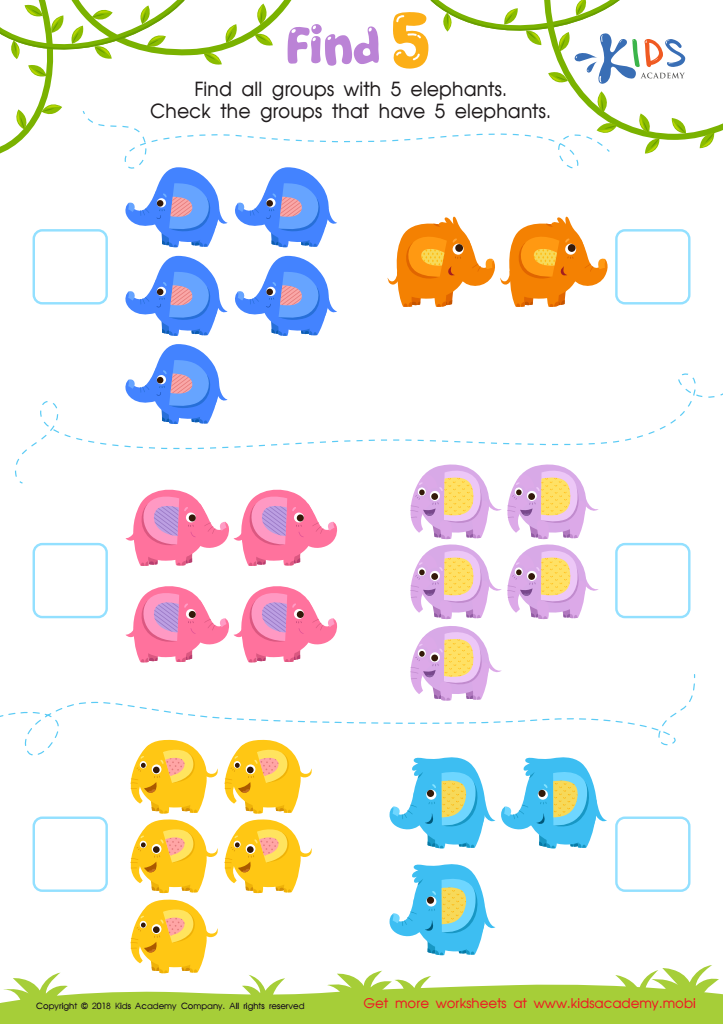
Find 5 Worksheet







Number recognition is a fundamental skill critical for children aged 3-7, laying the groundwork for future mathematical understanding. Understanding numbers not only aids in developing mathematical concepts but also enhances cognitive skills, problem-solving abilities, and logical thinking. Parents and teachers should care about number recognition, as it is instrumental in helping young learners navigate real-world scenarios, including counting objects, understanding time, and managing resources.
When children recognize numbers, they gain confidence in their ability to engage with math, fostering a positive attitude toward the subject. Mastery of this skill can lead to better performance in subsequent mathematical learning, reducing anxiety and difficulties in later grades. Furthermore, incorporating number recognition into everyday activities—like games, storytelling, or counting during play—makes learning enjoyable and relatable.
Creating a strong foundation in number recognition at this crucial developmental stage encourages a love for learning and exploration. It not only prepares children for academic success but also supports their overall developmental milestones. In an age where numeracy is increasingly essential in daily life and future career paths, prioritizing number recognition helps to build a generation of confident, skilled thinkers.







