Understanding directions Normal Science Worksheets for Ages 3-7
4 filtered results
-
From - To
Unlock your child's potential with our "Understanding Directions Normal Science Worksheets" designed specifically for ages 3 to 7. These engaging and interactive worksheets help young learners develop essential directional skills through fun, science-themed activities. Kids will explore concepts such as left, right, up, and down while practicing following directions in an exciting context. Each worksheet combines colorful illustrations and simple instructions, making learning enjoyable and effective. Perfect for preschool and early elementary classrooms or home use, our resources support cognitive growth and enhance confidence in learning. Start your child's journey into the world of science and directions today!
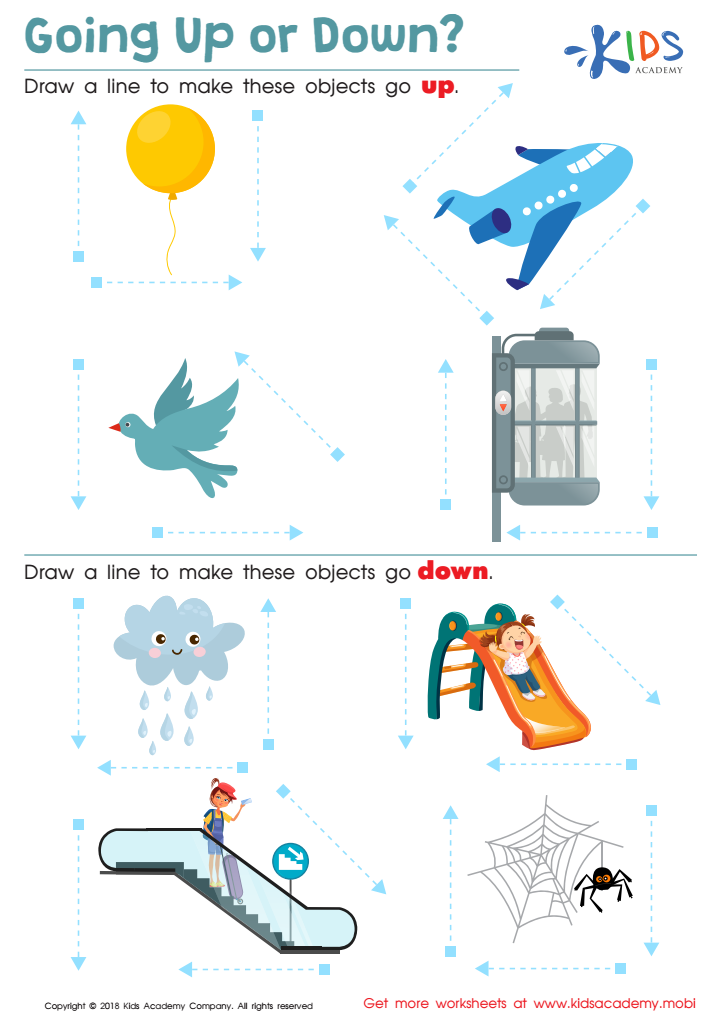
Going up or Down? Worksheet
 Assign to My Students
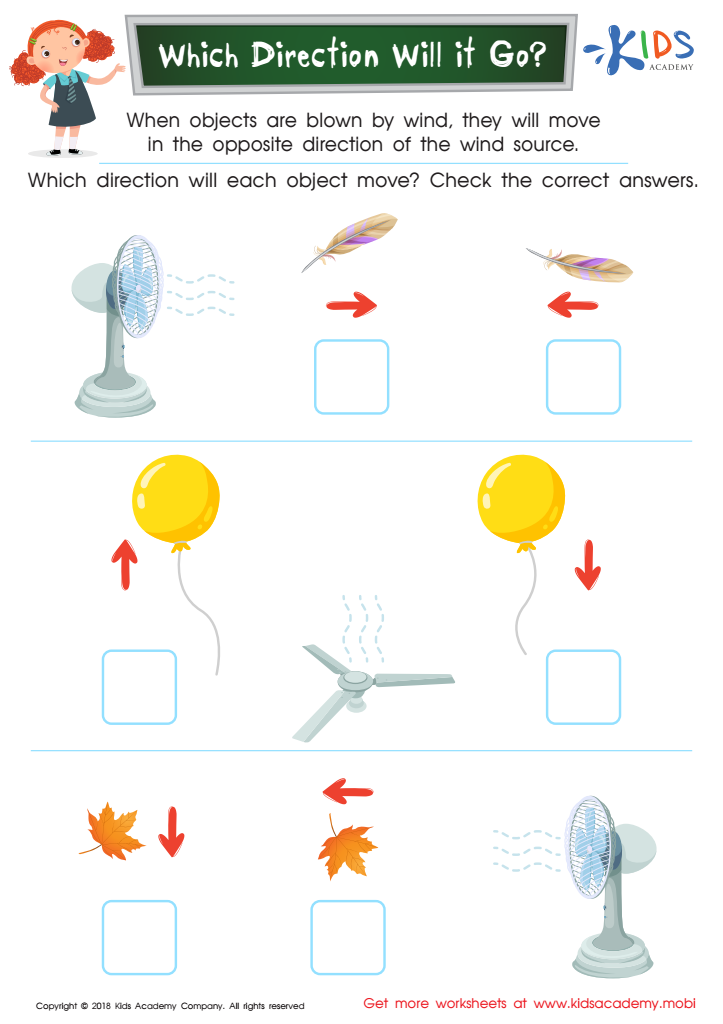
Which Direction Will it Go? Worksheet
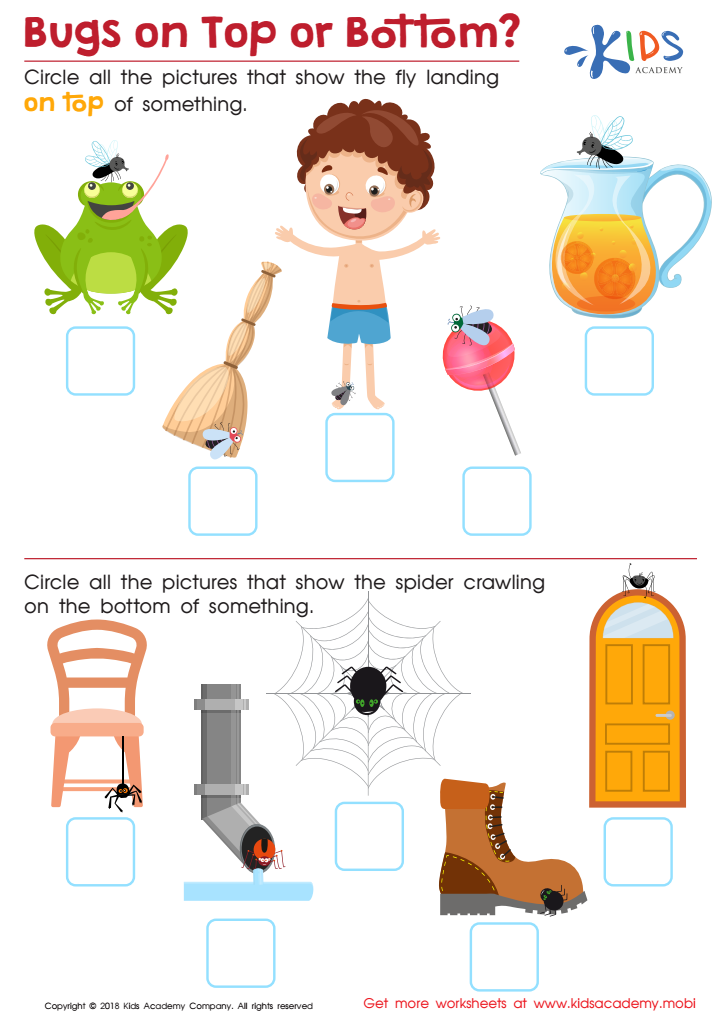
Bugs on Top or Bottom? Worksheet
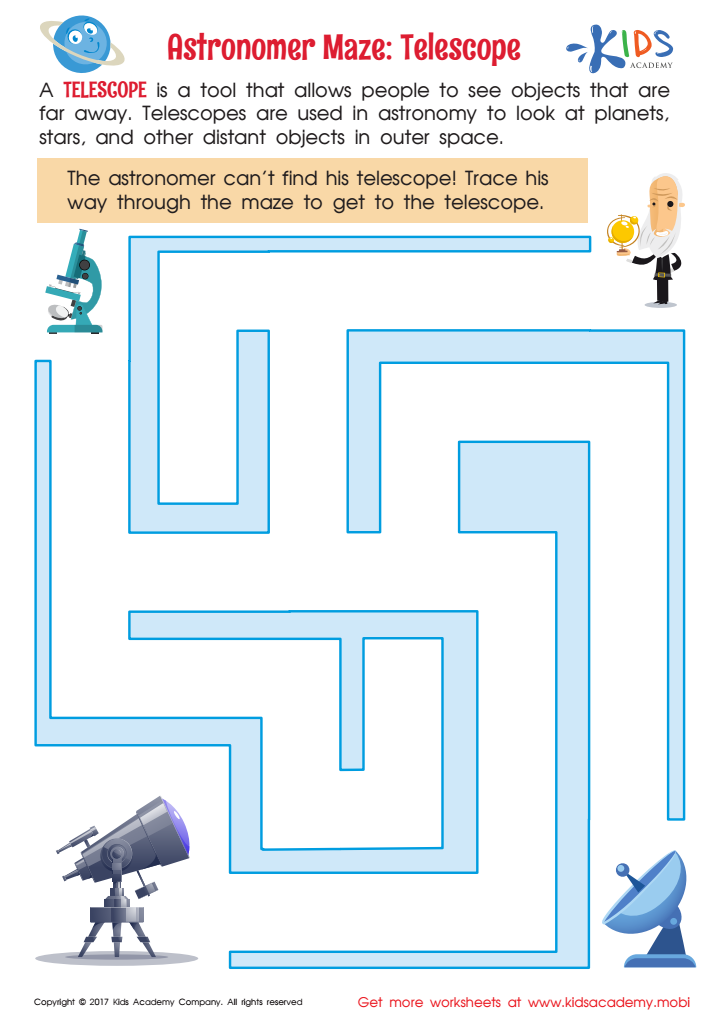
Astronomer Maze: Telescope Worksheet





Understanding directions is a fundamental skill that plays a critical role in the development of children aged 3 to 7. This stage of early learning is pivotal for fostering independence, enhancing cognitive abilities, and building confidence. When parents and teachers focus on helping children understand directions in normal science, they equip them with the tools needed to navigate everyday tasks and classroom activities.
Firstly, comprehending directions aids in problem-solving and analytical skills. Children learn to process information, follow sequences, and engage in scientific inquiry, forming a foundation for later academic success. Secondly, effective understanding of directions promotes social interaction; children learn to collaborate with peers and follow group instructions, essential for developing teamwork and communication skills.
Moreover, this understanding fosters a sense of autonomy. As children grasp how to follow directions, they become more self-reliant, boosting their decision-making capacity.
Finally, introducing scientific concepts through clear directions ignites curiosity and a love for learning, encouraging children to explore the world around them. Parents and teachers have a vital role in nurturing these skills through intentional activities and guided learning experiences, creating a supportive environment for young learners to thrive.







