Vocabulary enhancement Normal Physical Science Worksheets for Ages 3-7
5 filtered results
-
From - To
Introduce young learners to the wonders of physical science with our "Vocabulary Enhancement Normal Physical Science Worksheets for Ages 3-7." These meticulously designed worksheets help kids expand their vocabulary while exploring fundamental science concepts. Perfectly suited for curious minds, each worksheet integrates engaging activities that teach essential terms related to physical science, promoting both comprehension and retention. Fun illustrations and age-appropriate content ensure that learning becomes a joyful journey. Boost your child's linguistic and scientific capabilities, and watch them develop a genuine interest in the world around them with our captivating vocabulary worksheets for young explorers.
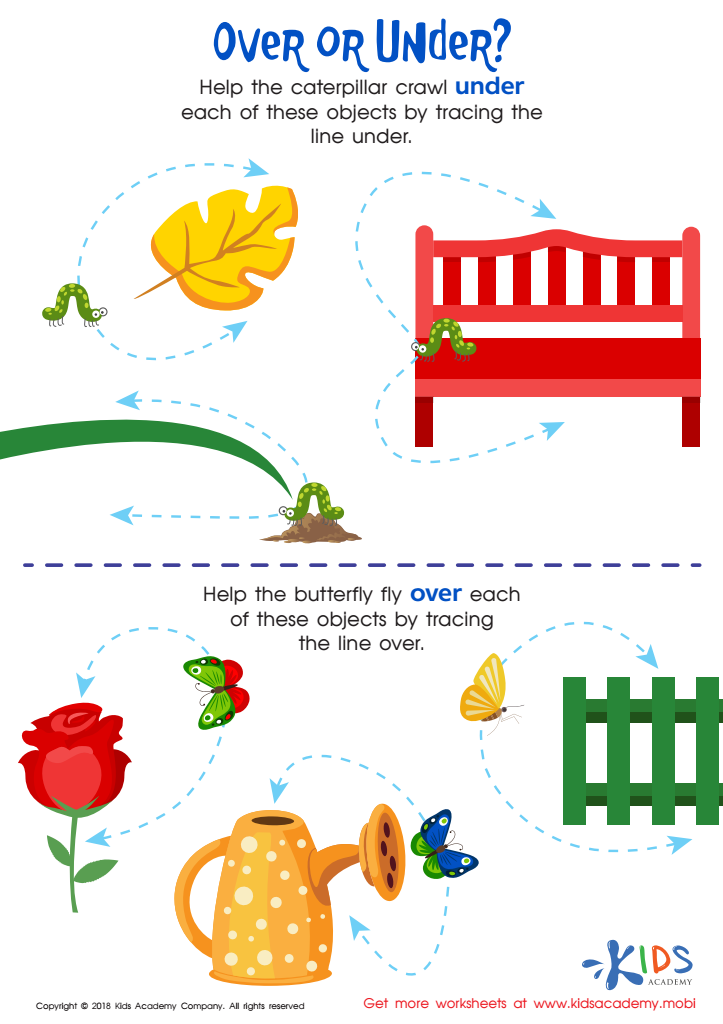
Over or Under? Worksheet
 Assign to My Students
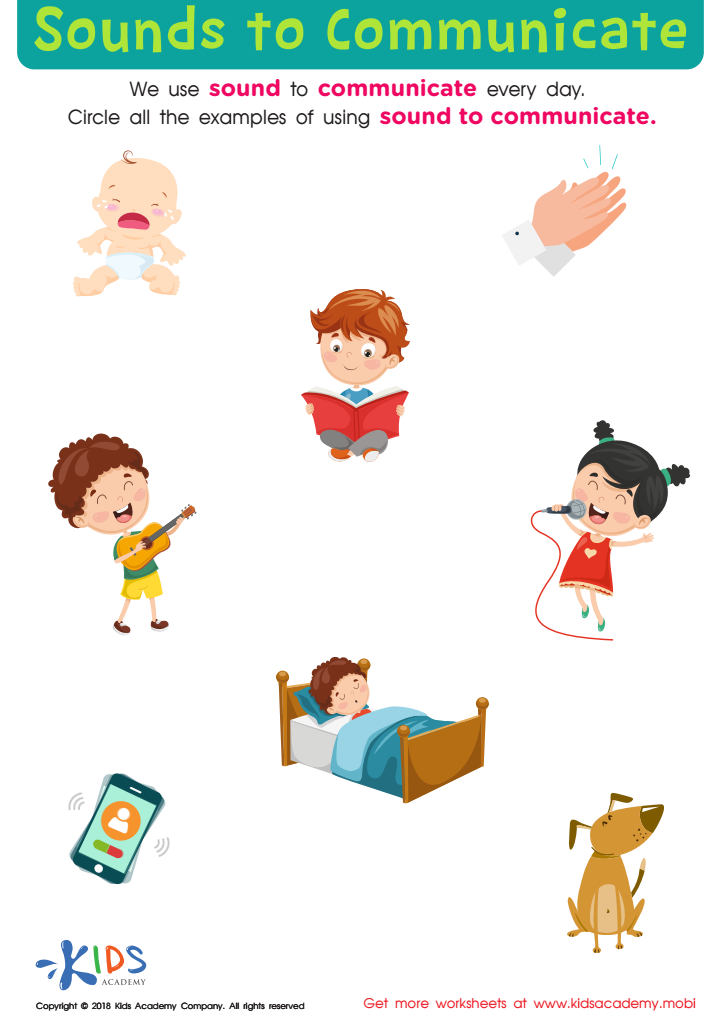
Sounds to Communicate Worksheet
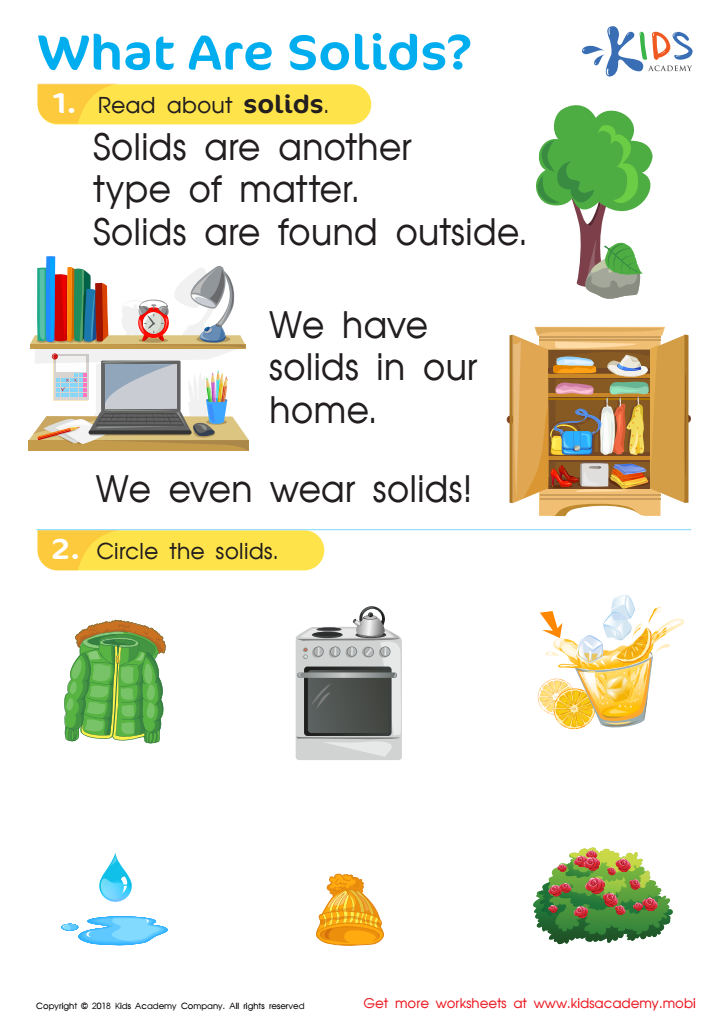
What Are Solids? Worksheet
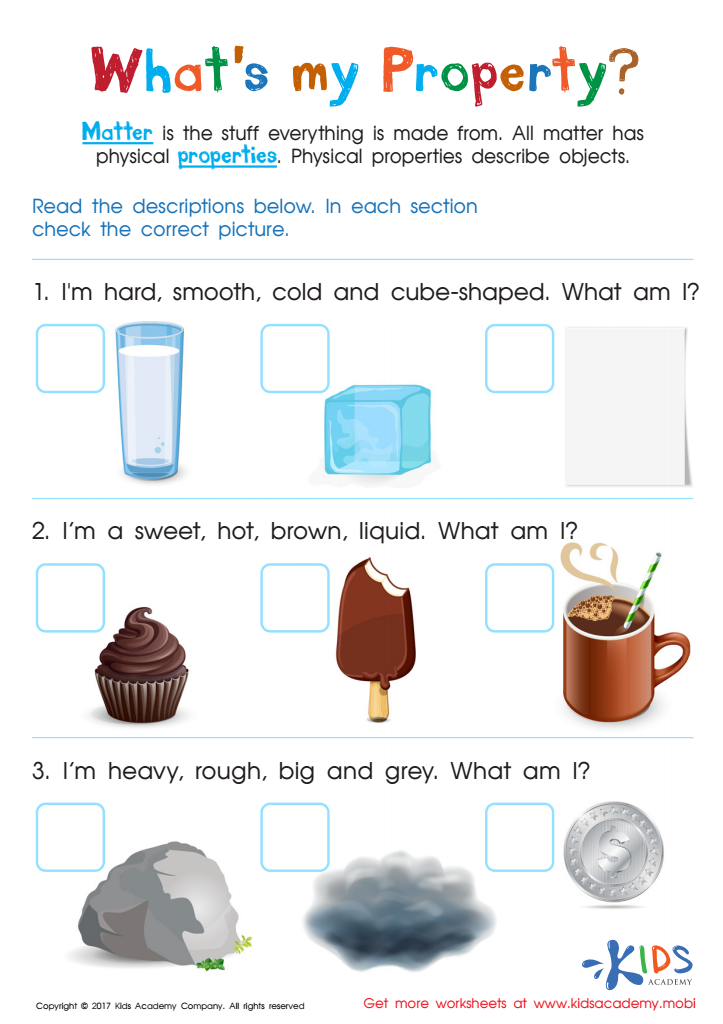
Physical Properties Of Matter Worksheet
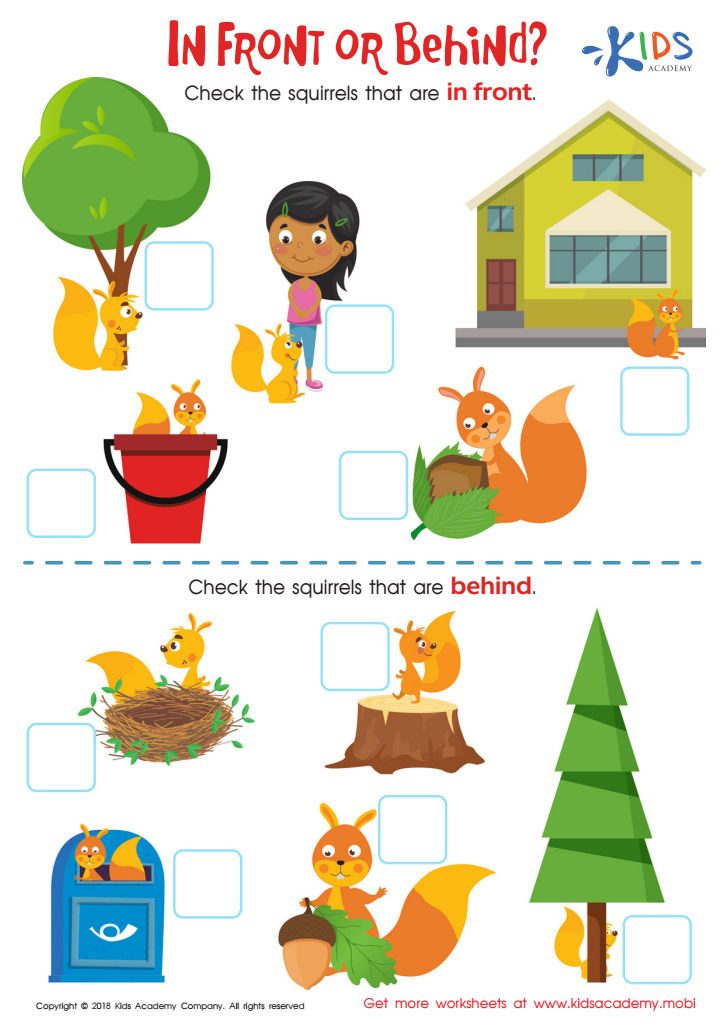
In Front or Behind: Part 2 Worksheet







Parents and teachers should prioritize vocabulary enhancement in physical science for children ages 3-7 because it lays a crucial foundation for future academic success and cognitive development. At this early stage, children's brains are incredibly receptive to new information, and introducing scientific vocabulary can spark curiosity and a love for learning about the natural world.
Understanding basic science concepts and terminology helps children make sense of their surroundings, develop critical thinking skills, and engage in meaningful conversations. For example, when children learn words like "gravity" and "magnetism," they can better understand the principles that govern everyday phenomena. This can foster problem-solving abilities and encourage inquiry-based learning.
Moreover, a strong vocabulary in any subject, including physical science, enhances overall language development. Children who possess a rich repertoire of words can communicate more effectively, which benefits them across all areas of learning and social interaction.
Introducing scientific vocabulary within the context of playful, hands-on activities makes learning exciting and memorable. Simple experiments, nature walks, and interactive games can help children grasp complex ideas in engaging ways. Thus, early exposure to the vocabulary of physical science not only supports academic achievement but also nurtures a lifelong passion for discovery and exploration.







