Animal Classification Normal Plants and Animals Worksheets for Ages 3-7
5 filtered results
-
From - To
Explore our engaging "Animal Classification Normal Plants and Animals Worksheets" designed for children ages 3-7! These educational resources help young learners discover the fascinating world of animals and their classifications. Through fun activities, kids will identify different animal types and understand their unique traits. Our worksheets are perfect for instilling a love for science while enhancing critical thinking and observational skills. Each worksheet is crafted to spark curiosity and encourage interactive learning. Get your children started on their adventure in understanding the animal kingdom and the vital role of plants in our ecosystem! Download and print today for endless learning fun!
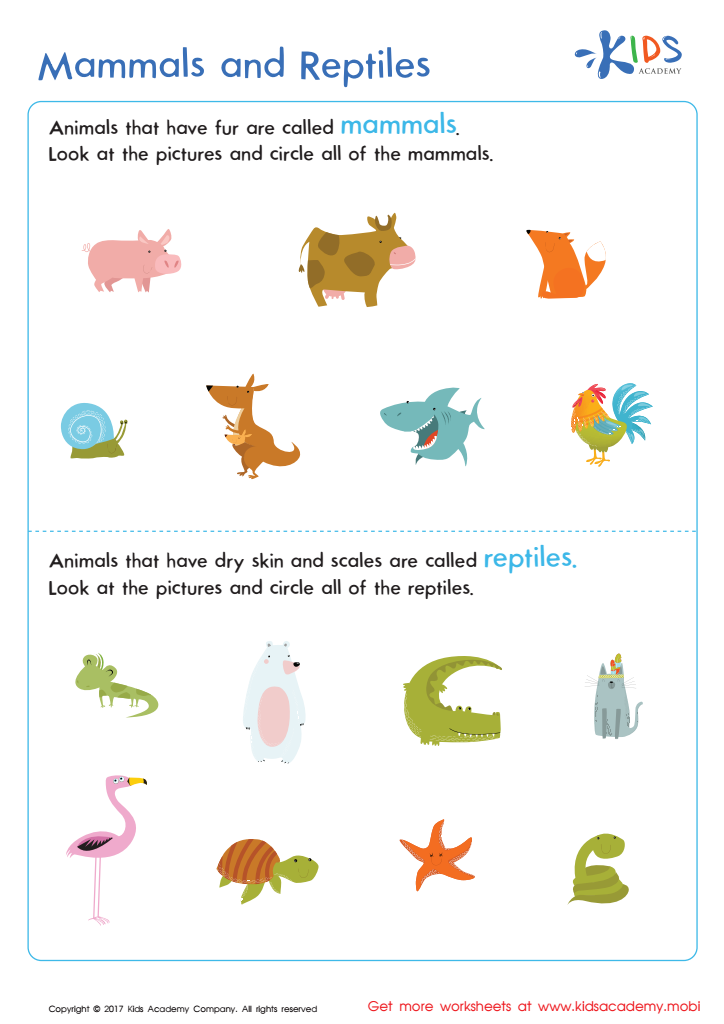
Mammals and Reptiles Worksheet
 Assign to My Students
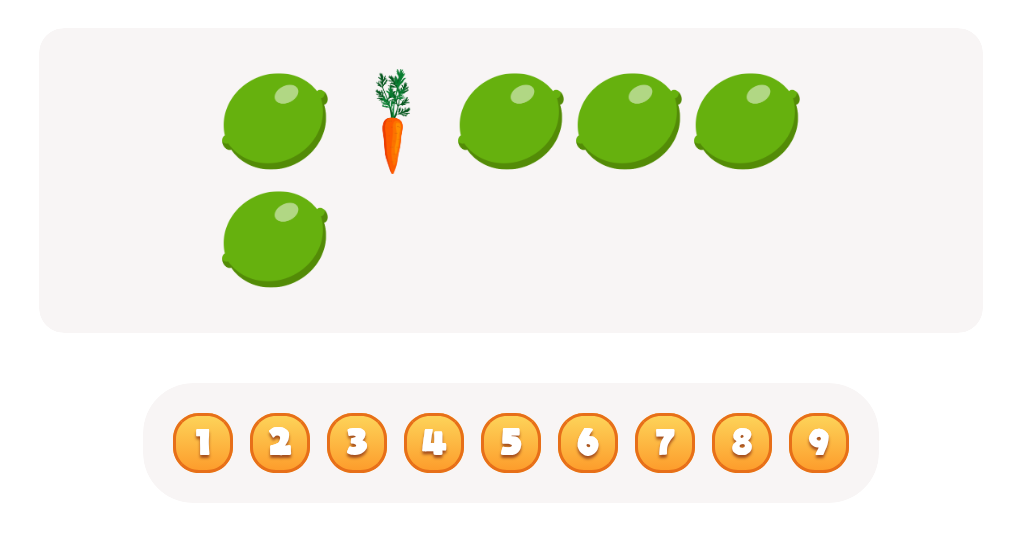

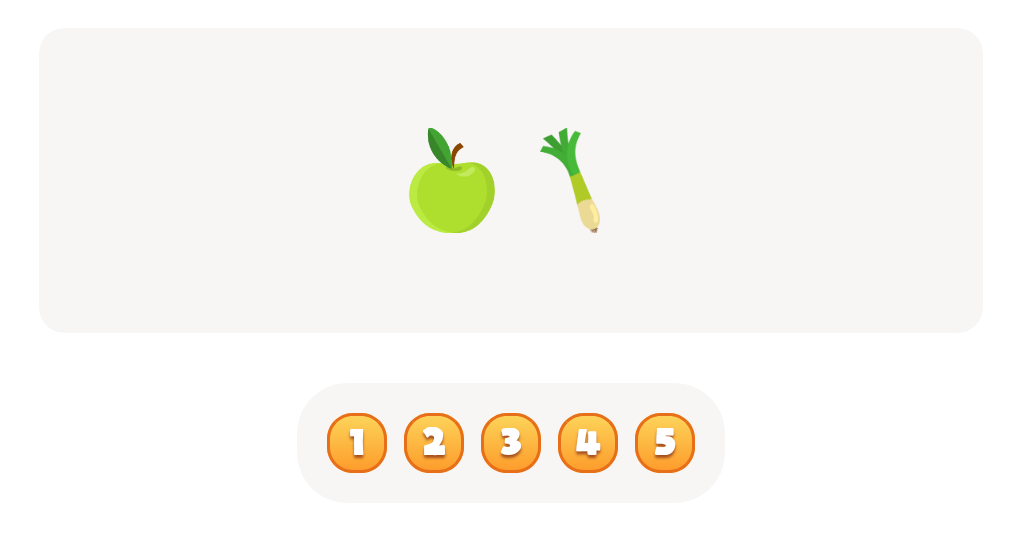
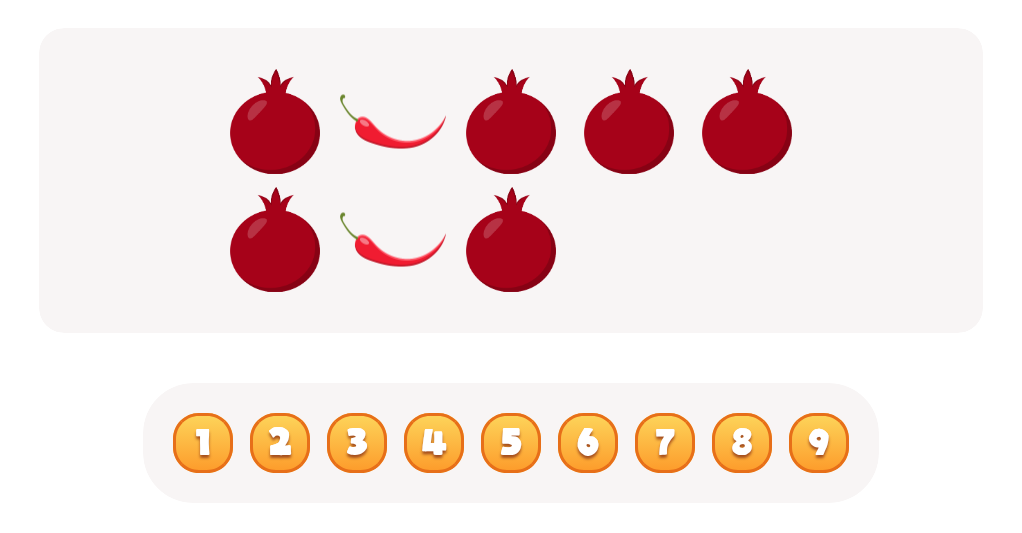
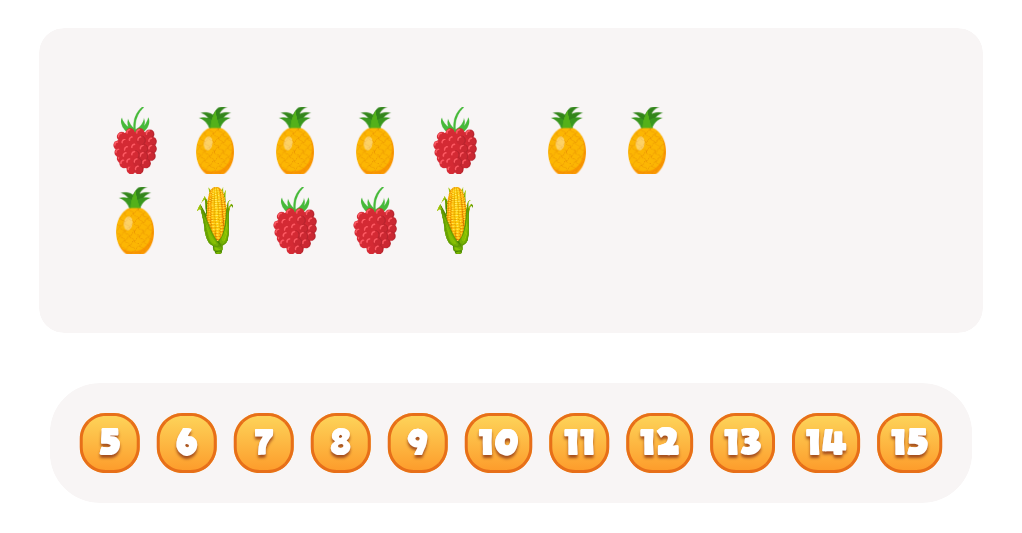
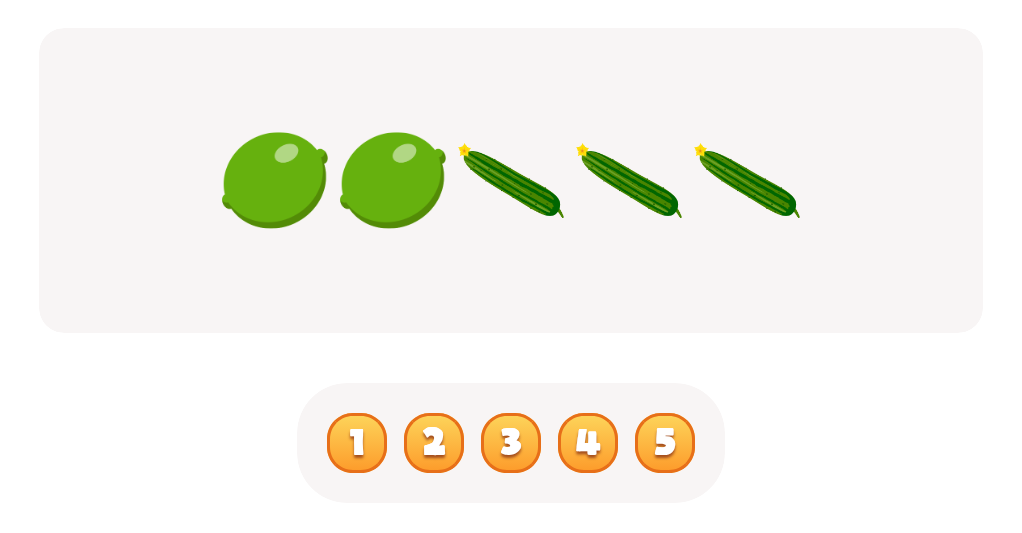
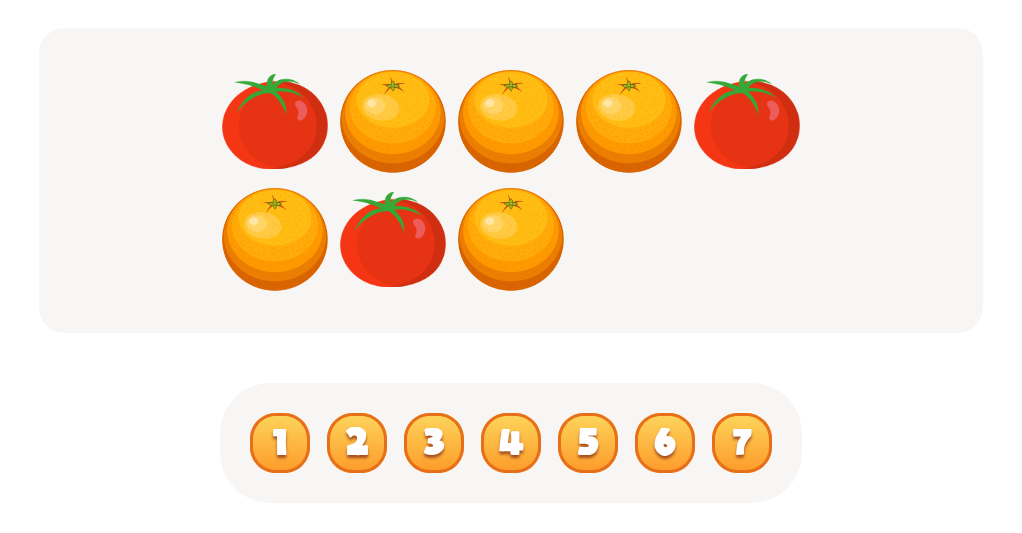
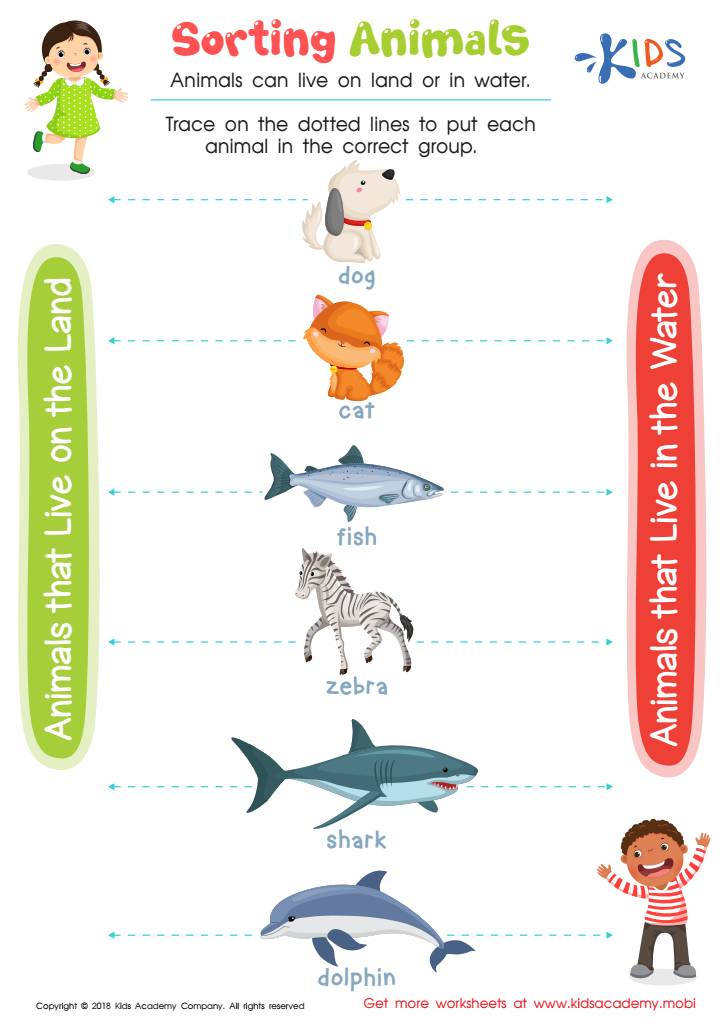
Sorting Animals Worksheet
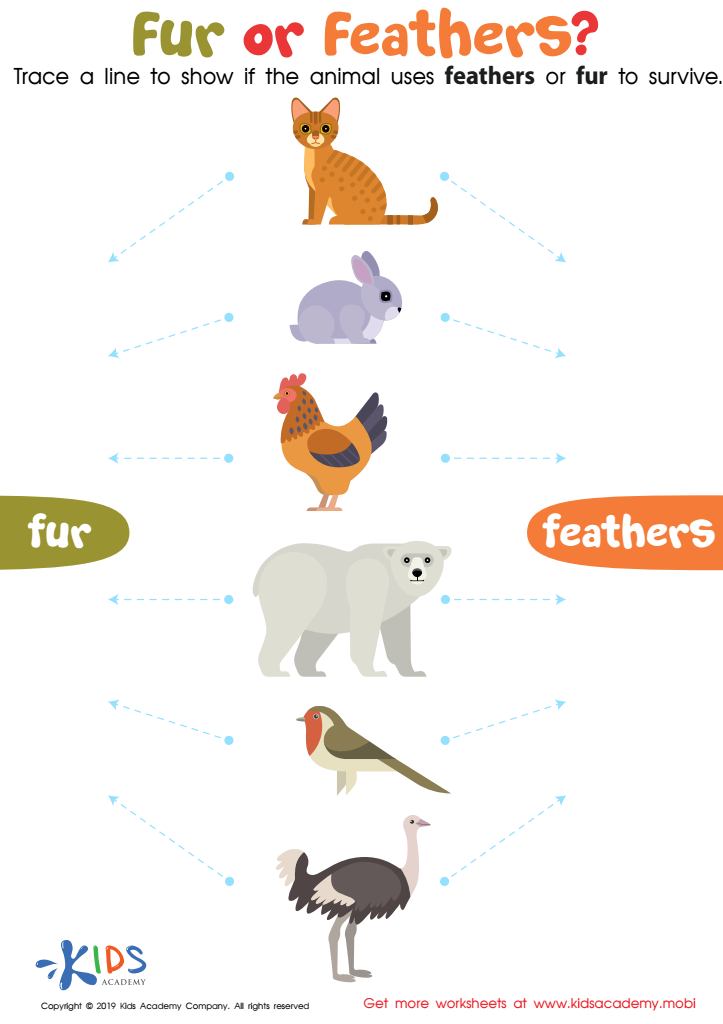
Fur or Feathers? Worksheet
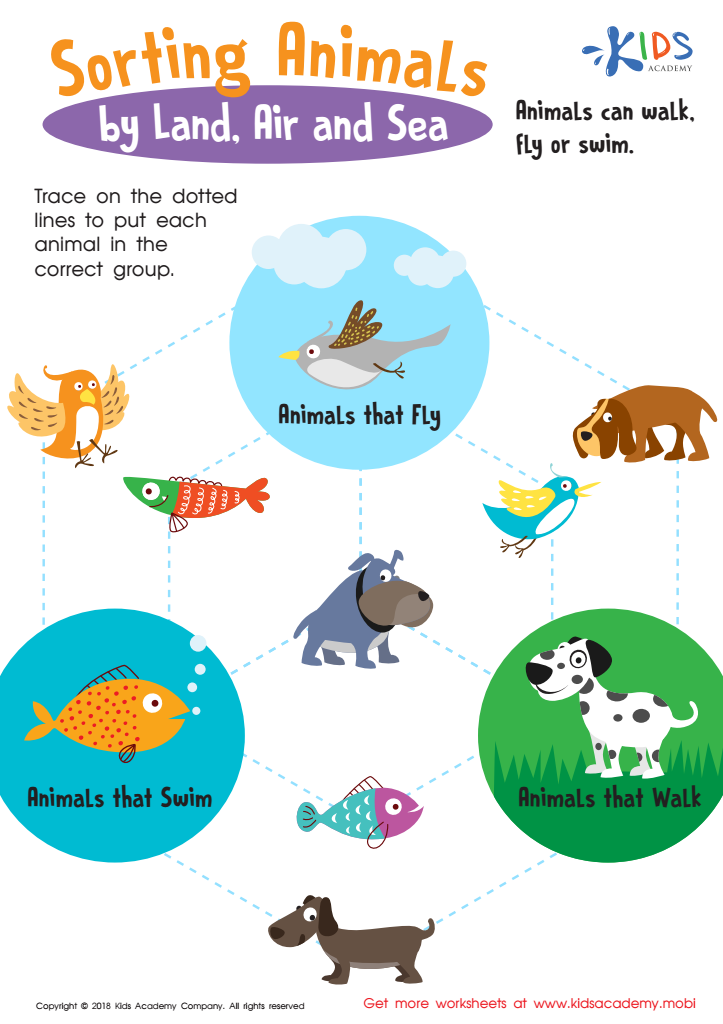
Sorting Animals by Land, Air and Sea Worksheet
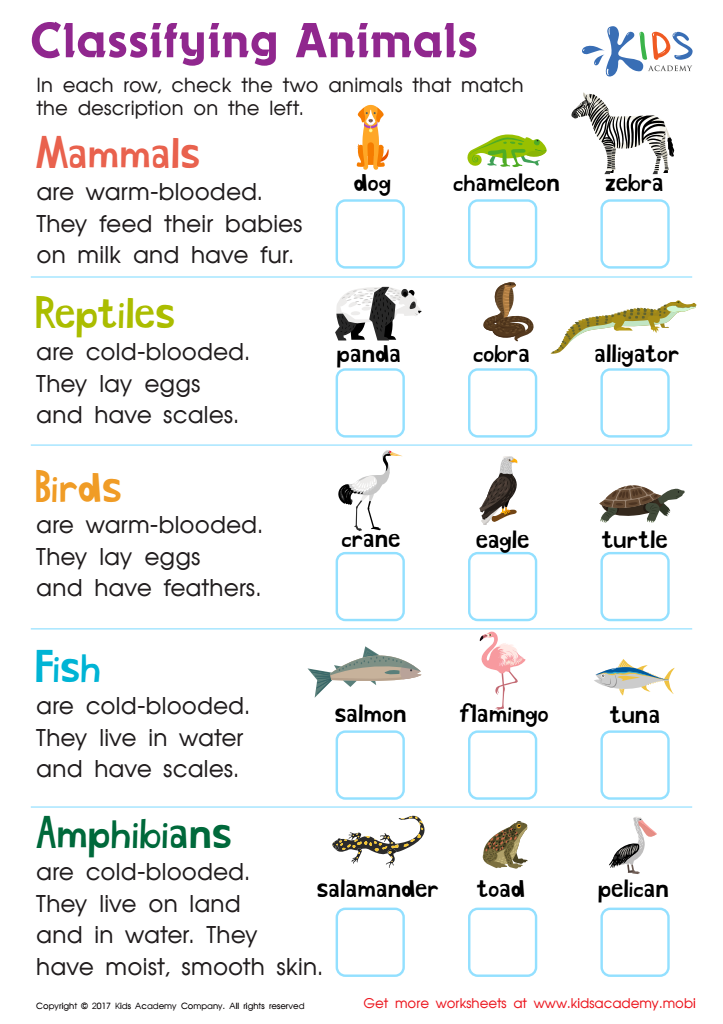
Classifying Animals Worksheet






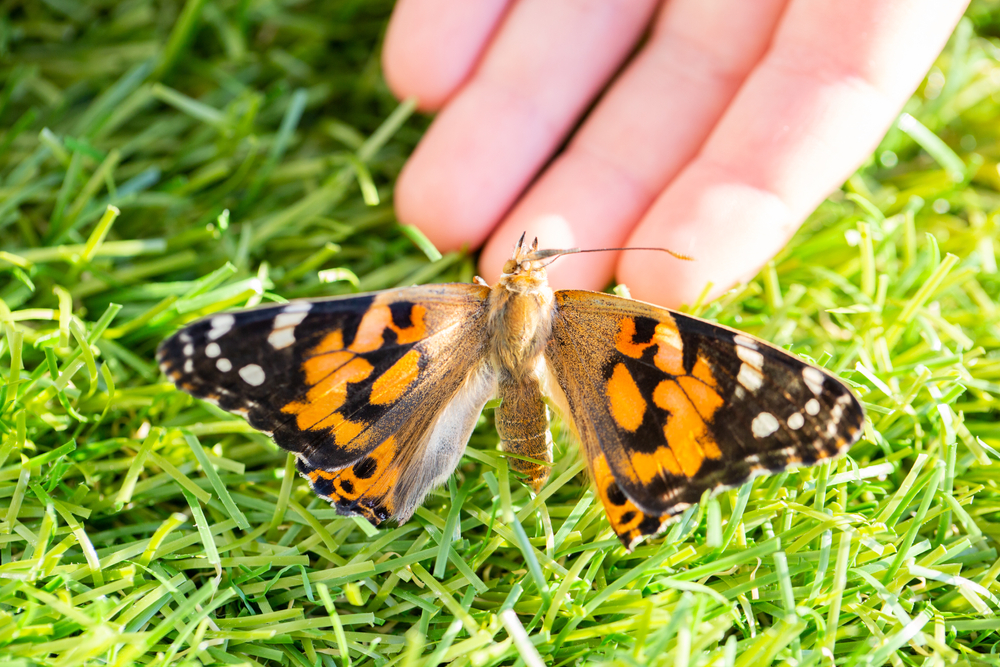
Animal classification is a crucial topic for children ages 3-7, as it lays the foundation for their understanding of the natural world. Teaching young learners about the diverse categories of animals and plants fosters curiosity and respect for living organisms. At a young age, children are naturally inquisitive, and engaging them with themes of classification can stimulate their imaginative minds and encourage exploration of their surroundings.
Parents and teachers should care about this topic because it enhances critical thinking skills. By categorizing animals and plants—such as mammals, birds, reptiles, and insects—children develop observational and analytical abilities. They learn to distinguish characteristics, making connections between different species and their environments. Additionally, lessons on classification can incorporate fun, hands-on activities like sorting objects, which further strengthen learning through play.
Moreover, a solid understanding of animal and plant classifications promotes environmental awareness and responsibility. Children who appreciate biodiversity are more likely to develop a sense of stewardship for nature. Overall, incorporating animal classification into early education not only enriches children’s knowledge but also fosters a lifelong appreciation for the natural world, encouraging future generations to protect and conserve it.







