Animal recognition Normal Plants and Animals Worksheets for Ages 3-7
4 filtered results
-
From - To
Discover our engaging "Animal Recognition Normal Plants and Animals Worksheets" designed for young learners aged 3-7! These worksheets provide an interactive and fun way for children to explore the diverse world of animals and their habitats. Through vibrant illustrations and delightful activities, kids will enhance their observation skills and improve their understanding of various species. Our resources cater to different learning styles, making it easy for educators and parents to foster a love for nature and wildlife. Perfect for early science lessons, these worksheets will inspire curiosity and ignite a passion for the natural world in your little ones!
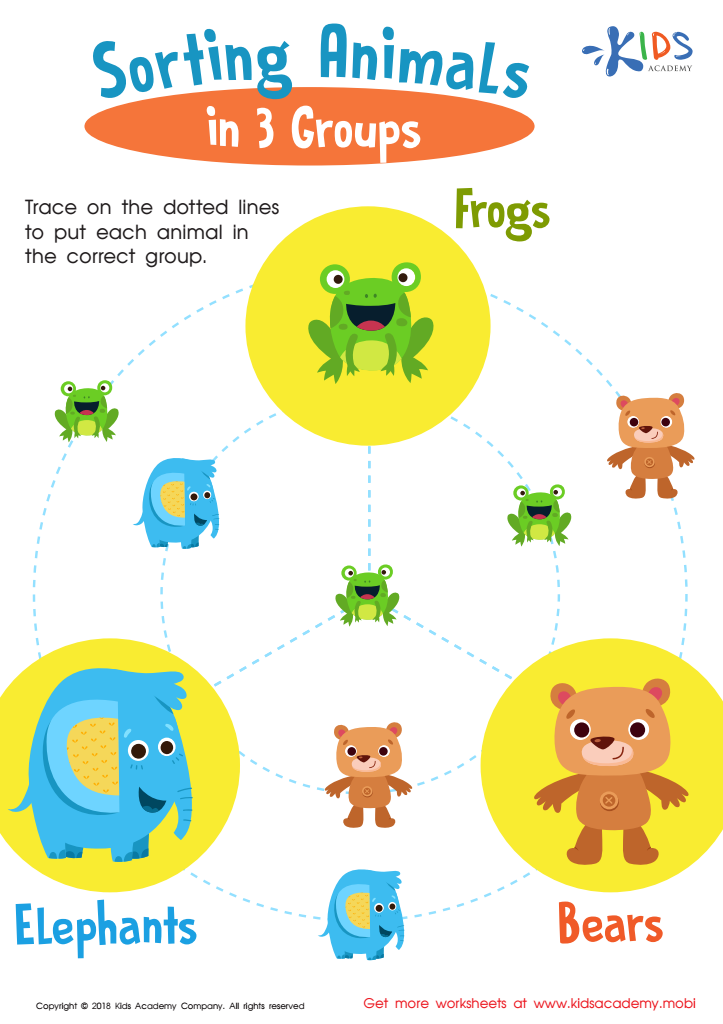
Sorting Animals in 3 Groups Worksheet
 Assign to My Students











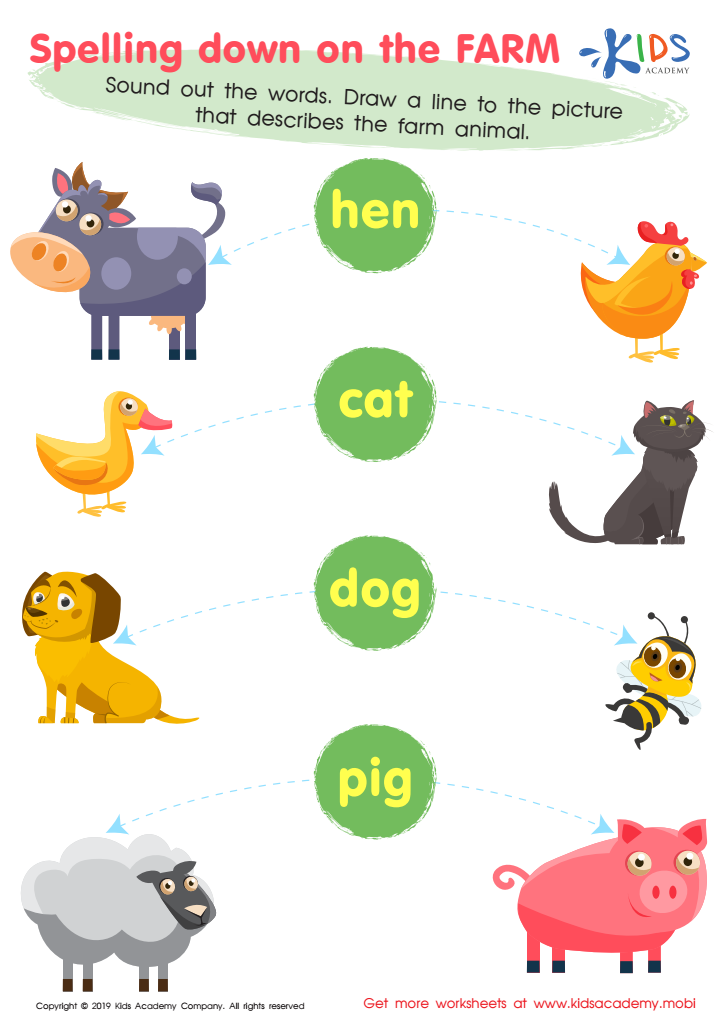
Spelling Down on the Farm Worksheet
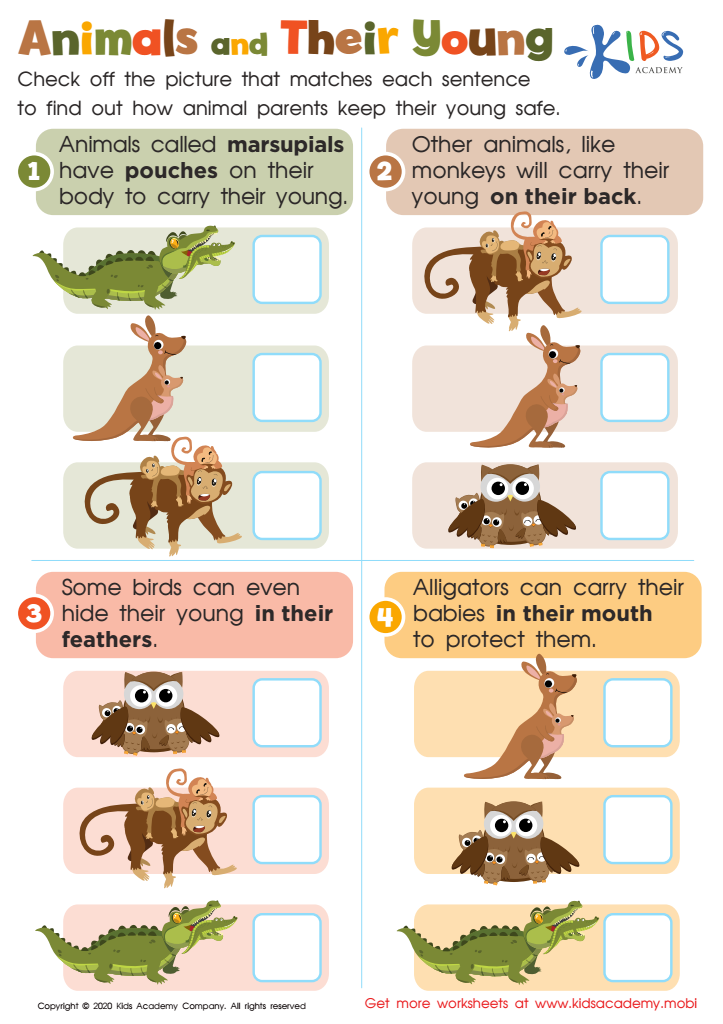
Animals and Their Young Worksheet
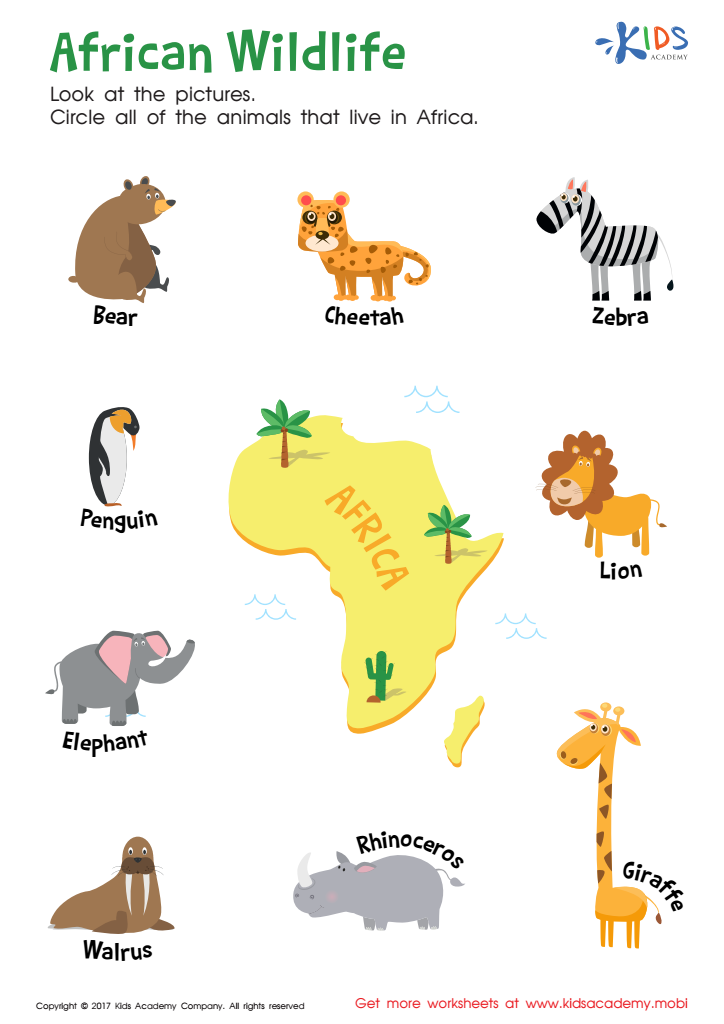








Teaching animal recognition, alongside an understanding of normal plants and animals, is vital for children ages 3-7 for several reasons. First, it fosters curiosity and a sense of wonder about the natural world, encouraging inquiry and exploration. By recognizing different animals and plants, children develop observation skills that are foundational to scientific thinking.
Second, animal and plant recognition enhances vocabulary development. Children learn specific names and characteristics, contributing to language acquisition and communication skills. This knowledge also supports a broader understanding of biodiversity, emphasizing the importance of conservation.
Moreover, engaging with nature promotes emotional well-being and social skills. Interacting with animals and plants can inspire empathy and kindness, as children learn to care for living things. Studies have shown that early exposure to nature reduces stress and fosters creativity.
Lastly, integrating animal and plant recognition into learning creates meaningful context for various subjects, such as math, science, and art. It encourages active learning experiences and connections between classroom knowledge and the outside world, making education more relevant and engaging. Therefore, parents and teachers should prioritize animal and plant recognition as it nurtures holistic growth, curiosity, and a lifelong appreciation for nature in young learners.







