Environmental awareness Normal Plants and Animals Worksheets for Ages 3-7
4 filtered results
-
From - To
Introducing our Environmental Awareness: Normal Plants and Animals Worksheets for Ages 3-7! Designed to nurture young minds, these printable worksheets blend fun and learning, helping kids identify common flora and fauna in their environment. Through engaging activities, children will explore nature, enhancing their understanding of the world. Perfect for parents and educators, these resources aim to foster early science skills and environmental consciousness in the littlest learners. Dive into a world of discovery and give your child a head start in appreciating and caring for nature. Download now and embark on an educational adventure with your toddler!
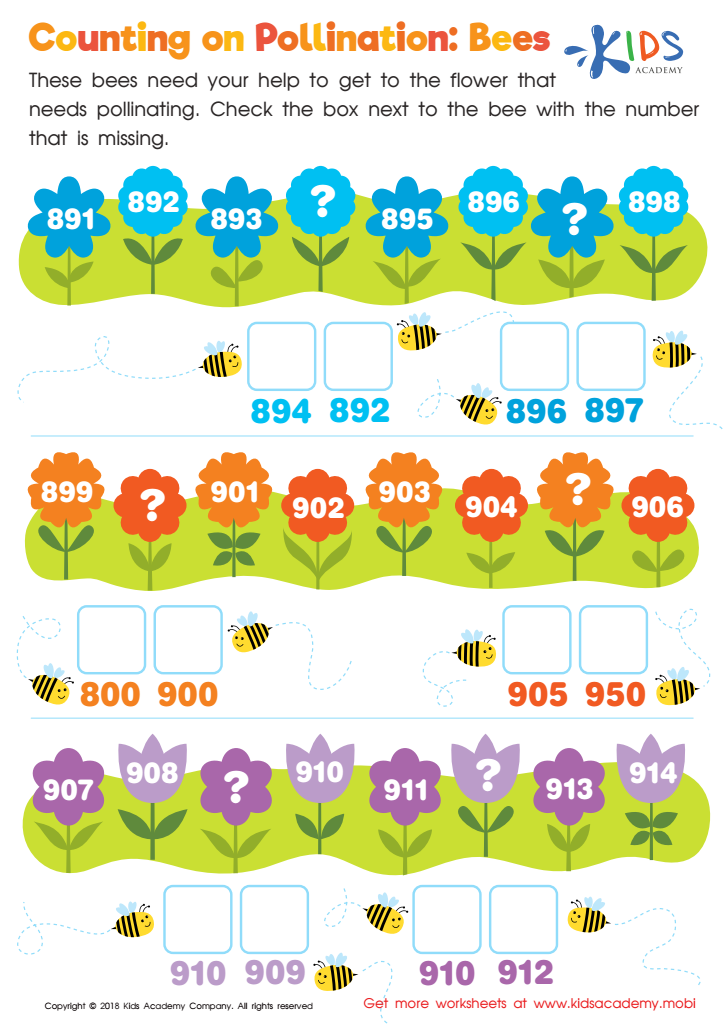
Counting on Pollination: Bees Worksheet
 Assign to My Students





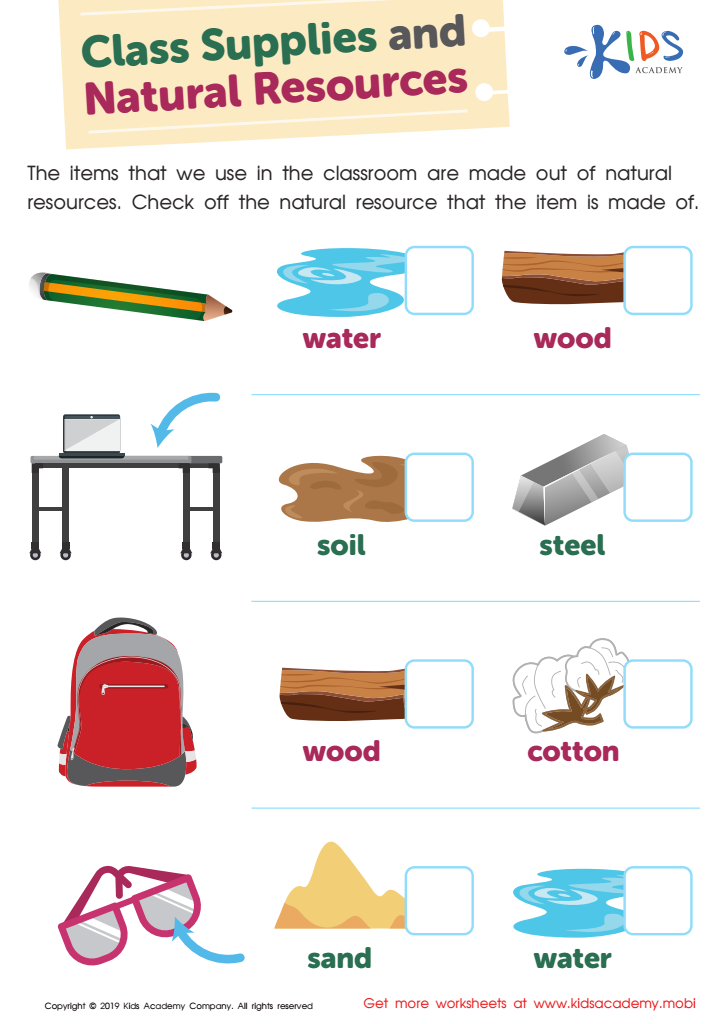
Class Supplies and Natural Resources Worksheet
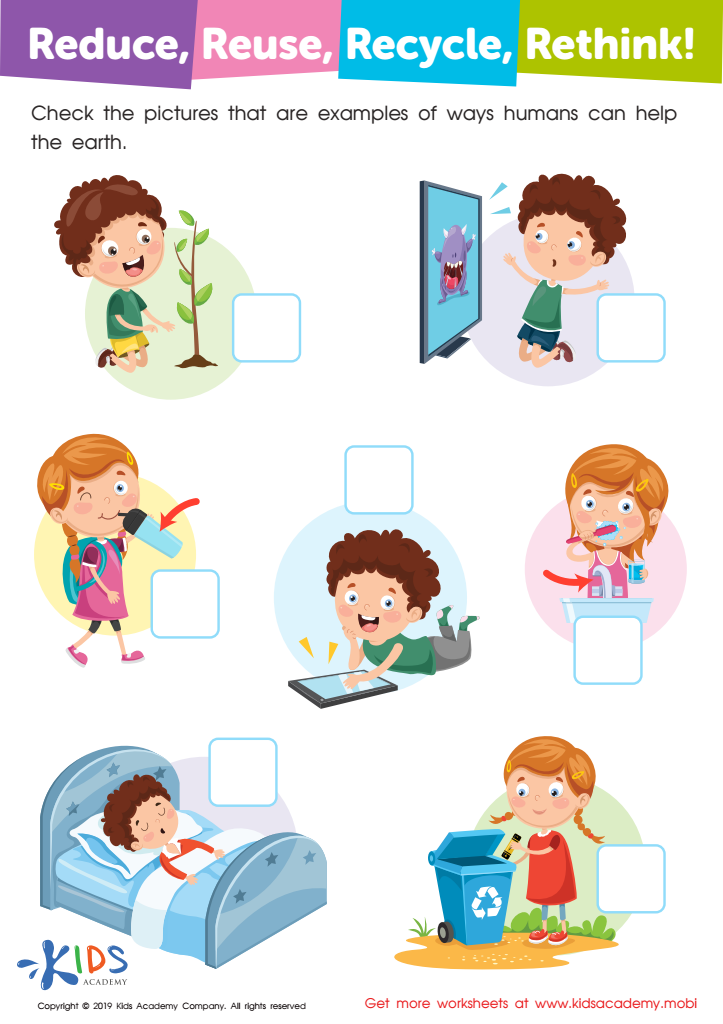
Reduce, Reuse, Recycle, Rethink Worksheet
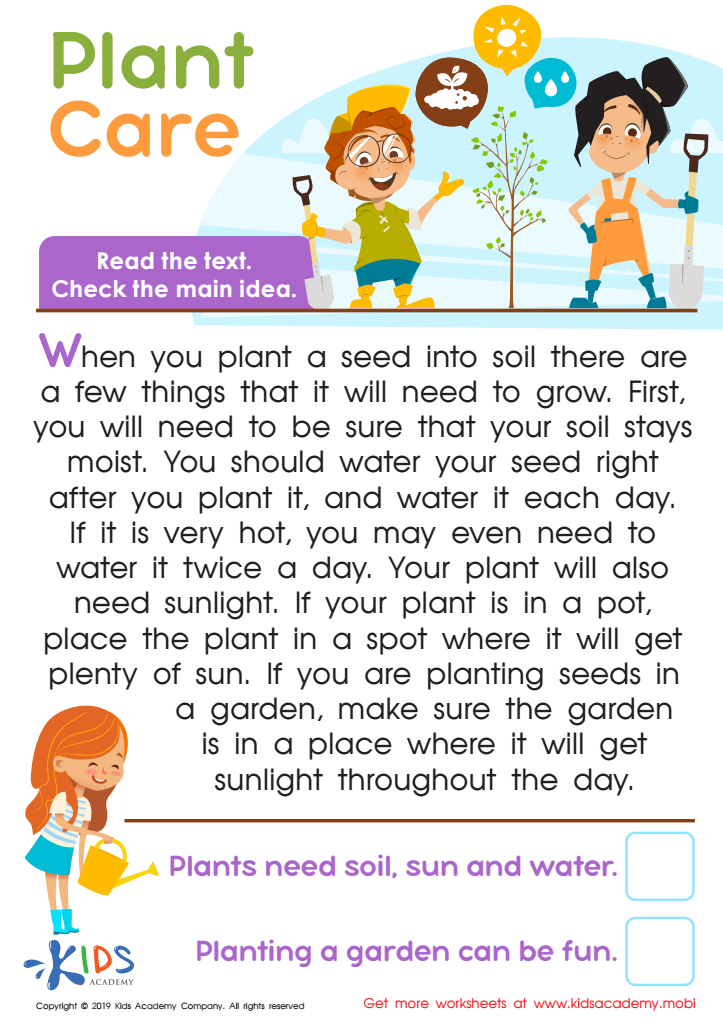
Plant Care Worksheet







Instilling environmental awareness in young children is crucial for multiple reasons. During ages 3-7, children are in their formative years, with rapidly developing minds that are highly receptive to new ideas and behaviors. Teaching them about normal plants and animals helps them develop a connection with nature, fostering a sense of wonder and appreciation.
When children learn to identify common plants and animals, they become more attuned to their surroundings. This early connection lays the foundation for lifelong environmental stewardship. They are more likely to grow up caring about conservation and sustainability if these concepts are introduced at a young age.
Additionally, learning about plants and animals can enhance cognitive development. It encourages observation, critical thinking, and problem-solving skills. For instance, understanding why bees are essential for pollination or recognizing the role trees play in producing oxygen can expand their worldview.
Real-time interaction with nature also contributes to emotional and physical well-being. It has been shown to reduce stress, promote sensory skills, and improve overall health. Parents and teachers play a pivotal role in this developmental phase. By fostering environmental awareness, they not only educate children about the world but also equip them with the values needed to protect it.
In summary, educating young children about plants and animals is vital for developing informed, responsible, and empathetic future citizens.







