Understanding pollination Normal Plants and Animals Worksheets for Ages 3-7
3 filtered results
-
From - To
Discover the fascinating world of pollination with our "Understanding Pollination" worksheets, designed specifically for children ages 3-7. These engaging and age-appropriate activities focus on the essential role of plants and animals in the pollination process. Our resources encourage young learners to explore the connections between flowers, bees, and other pollinators, fostering a love for science and nature. Each worksheet features colorful illustrations and interactive tasks that promote critical thinking and creativity, making learning fun and effective. Perfect for home or classroom use, these worksheets support early educational development and inspire curiosity about the natural world. Start your child's learning journey today!
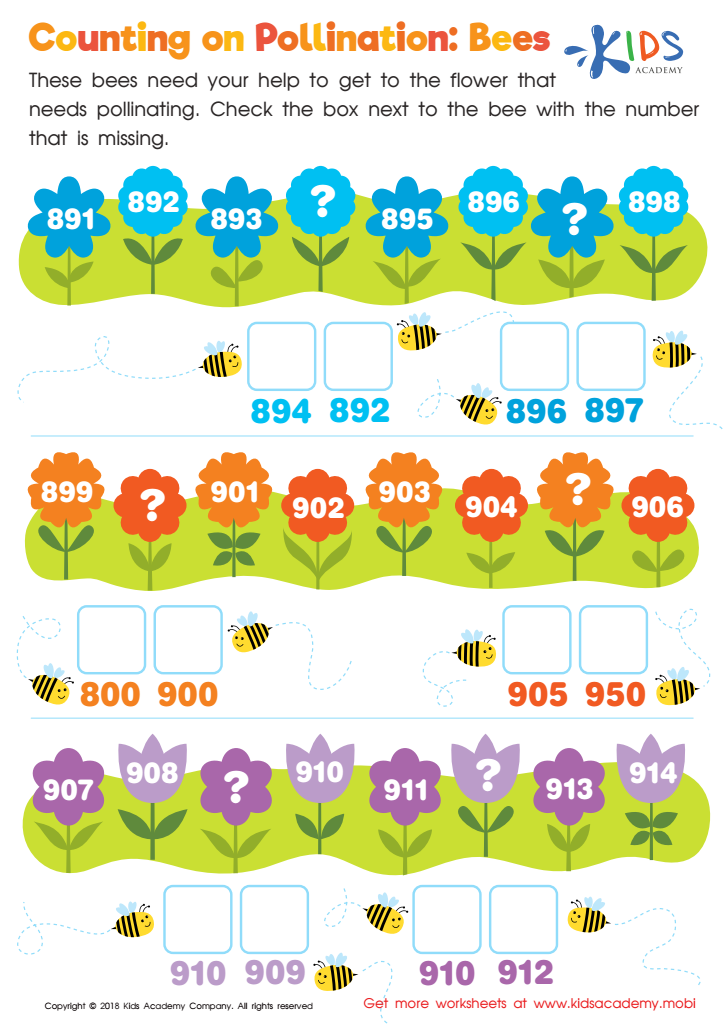
Counting on Pollination: Bees Worksheet
 Assign to My Students
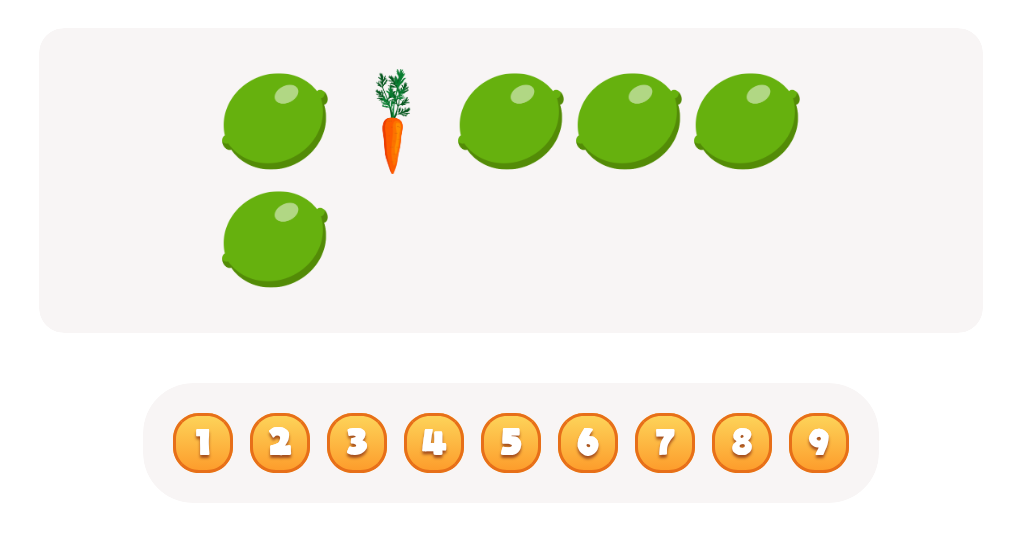

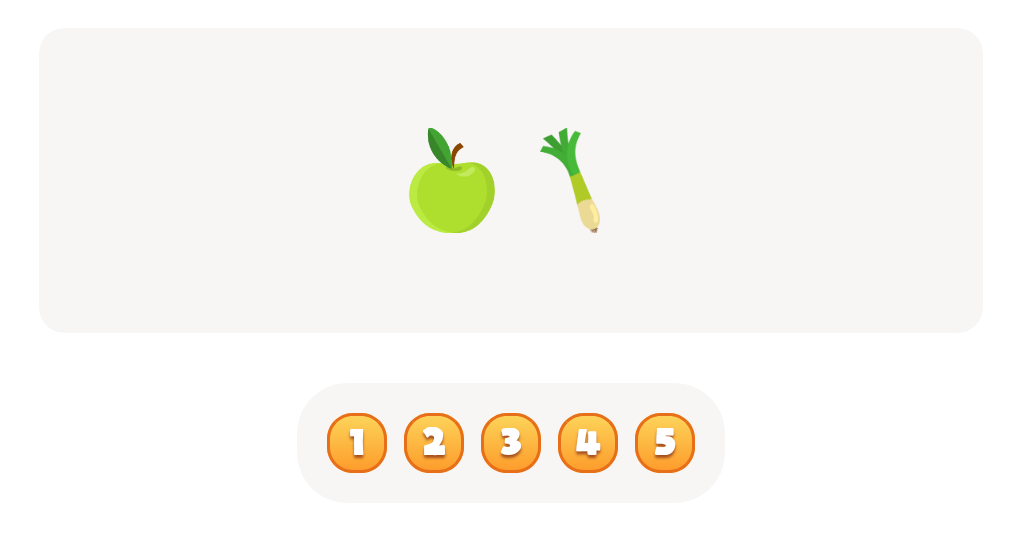
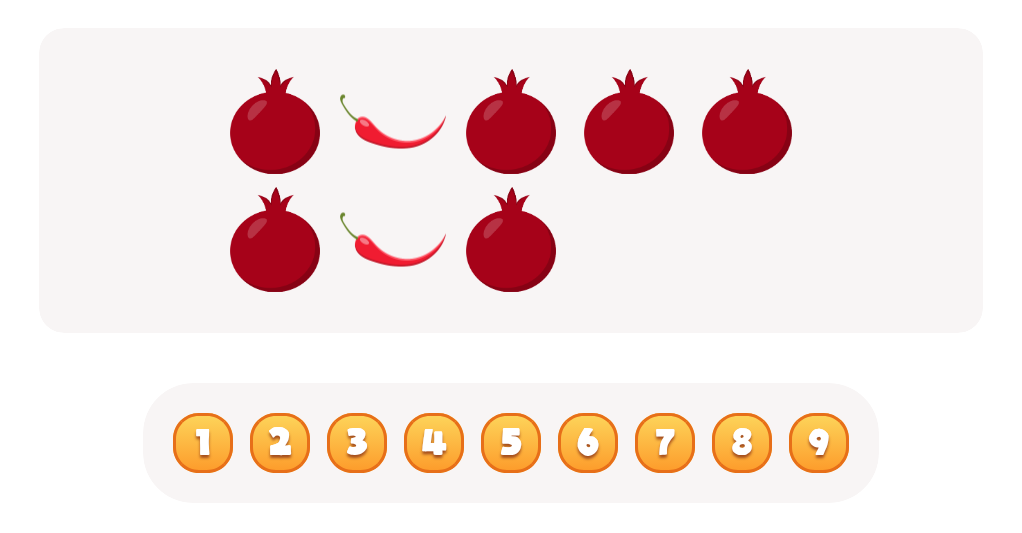
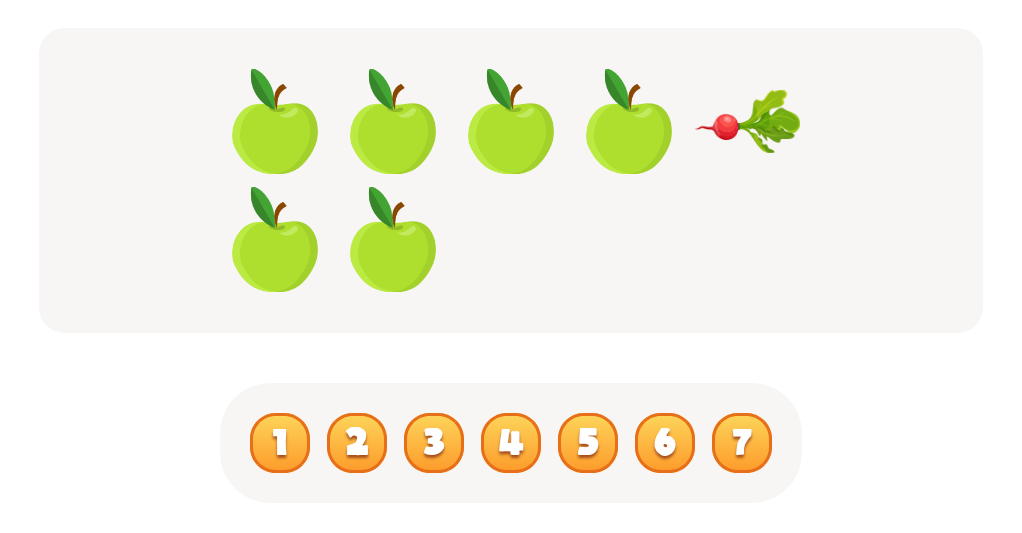
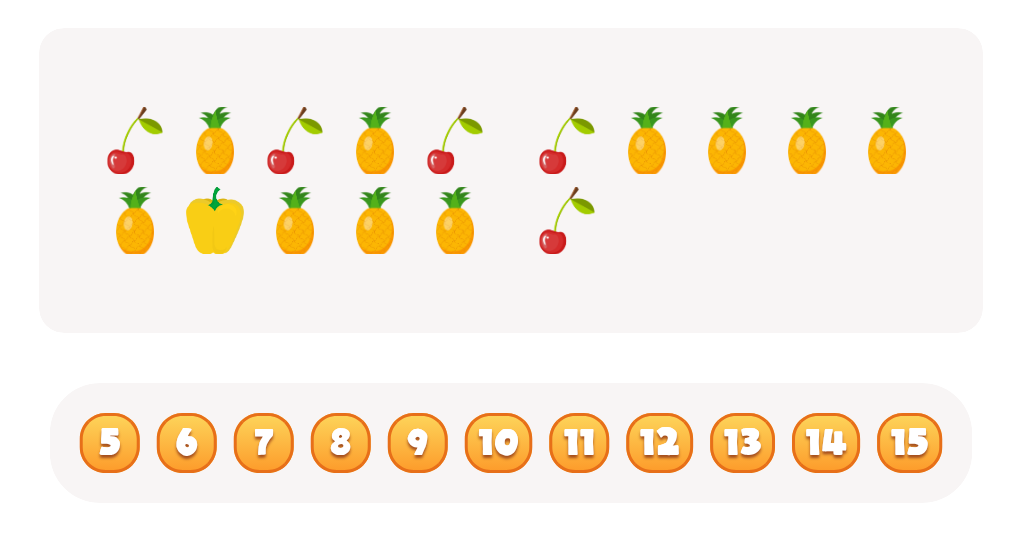
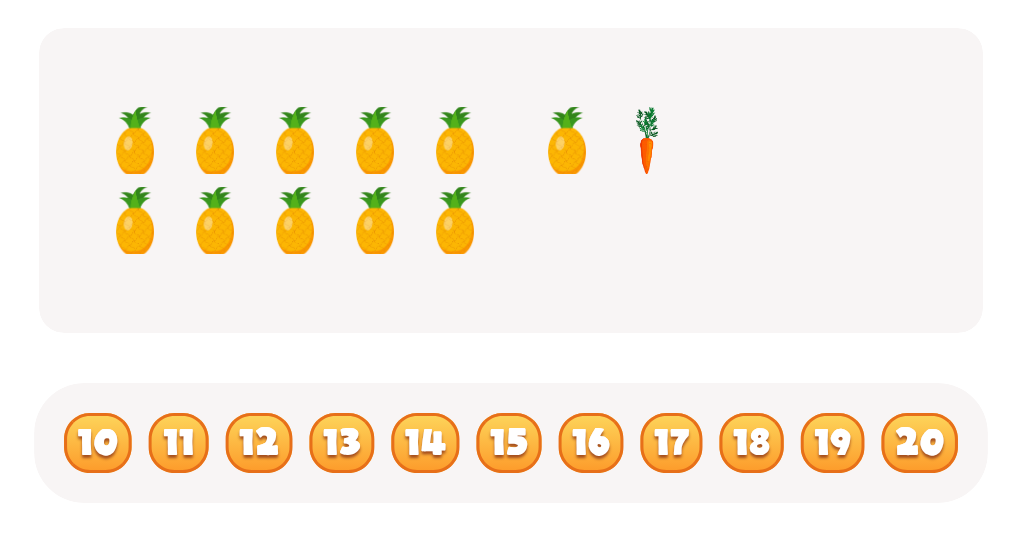
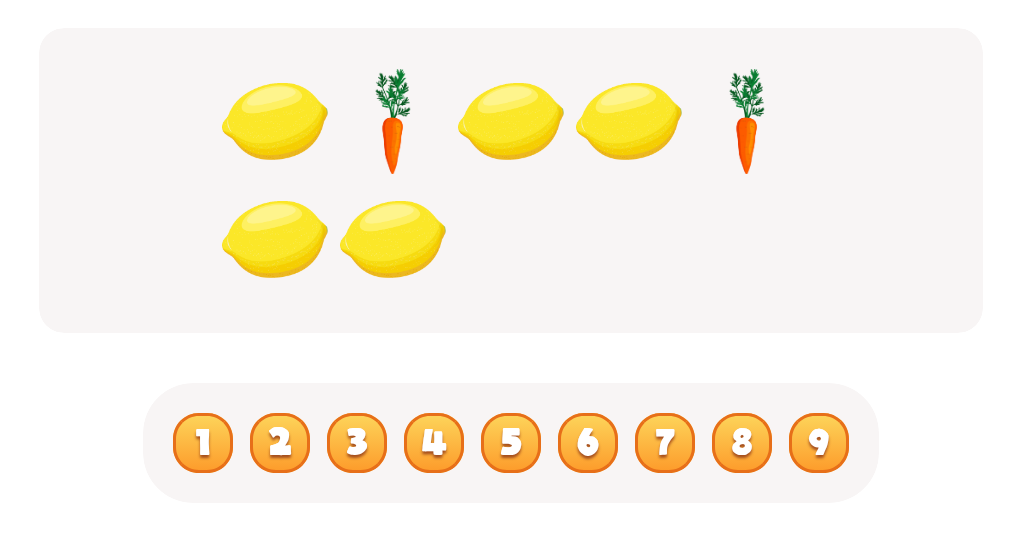
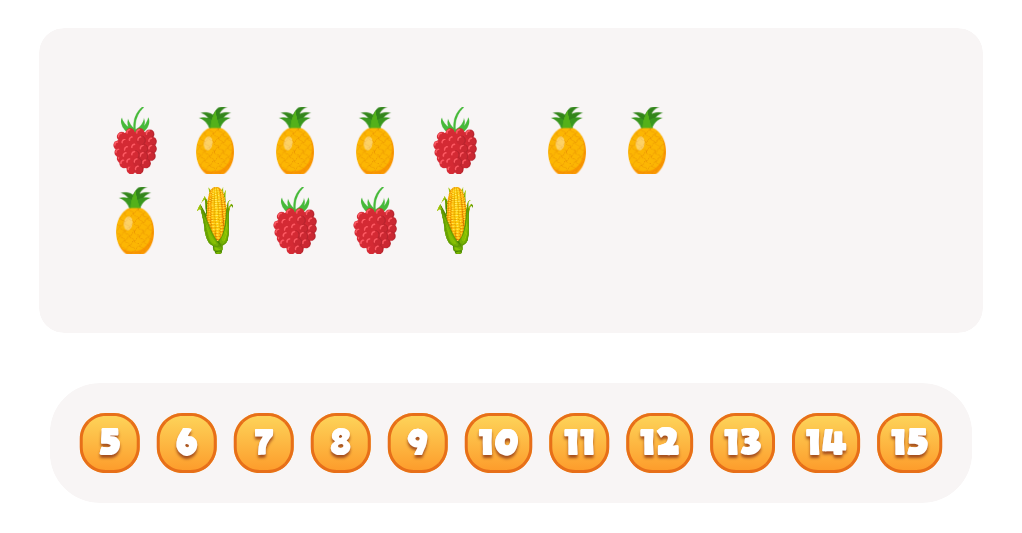
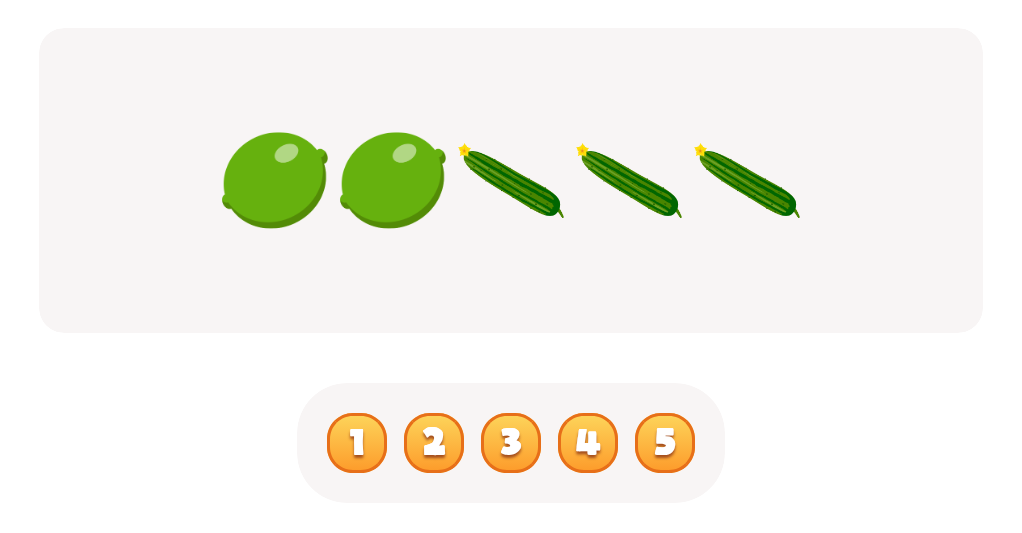
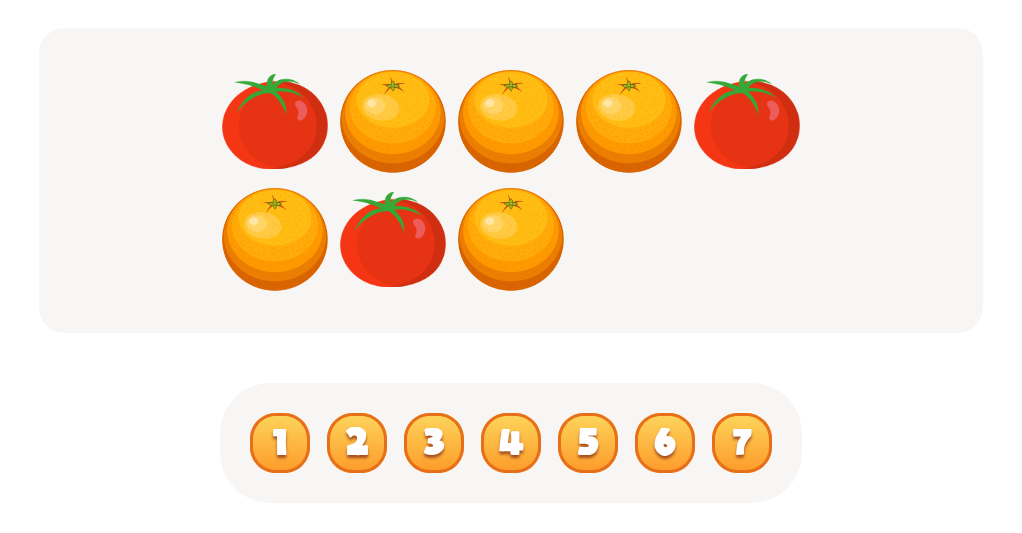
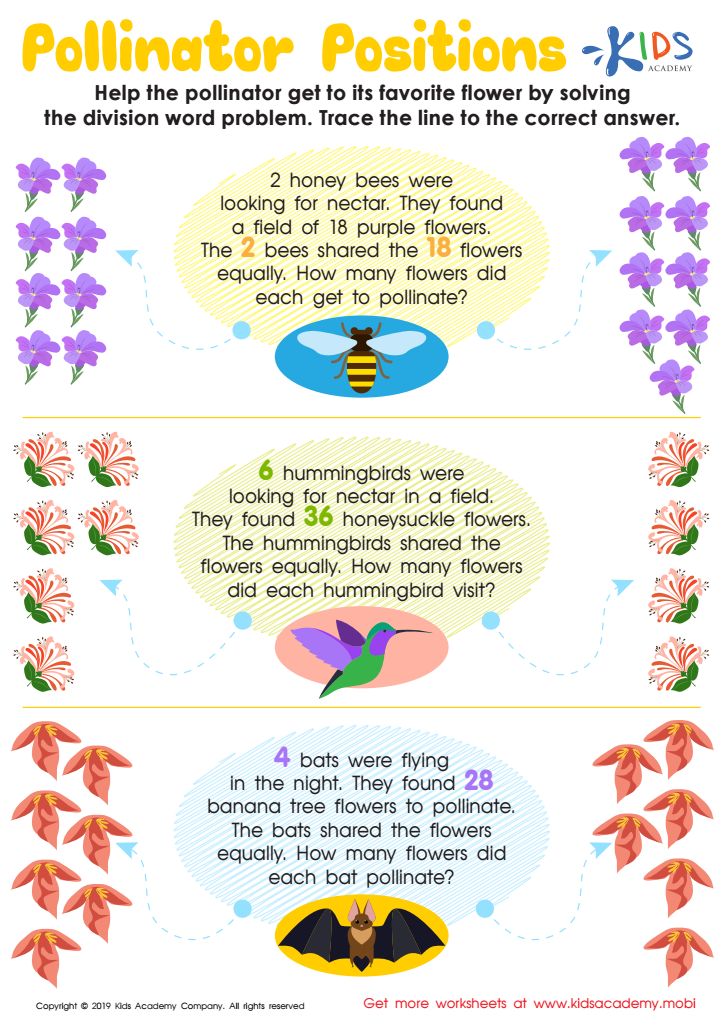
Pollinator Positions Worksheet
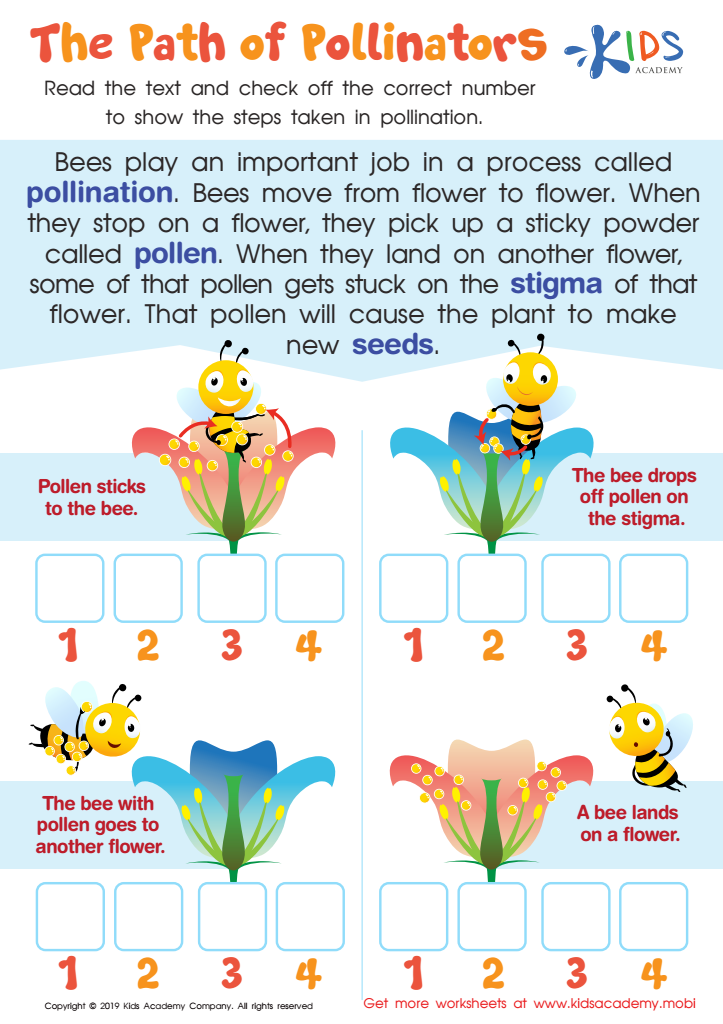
The Path of Pollinators Worksheet







Understanding pollination is crucial for young learners as it forms the foundation of their relationship with the natural world. For children aged 3-7, experiencing the process of pollination fosters curiosity and a sense of awe about nature, making science accessible and engaging. This topic helps them develop an appreciation for plants and animals, emphasizing the importance of biodiversity and ecosystems.
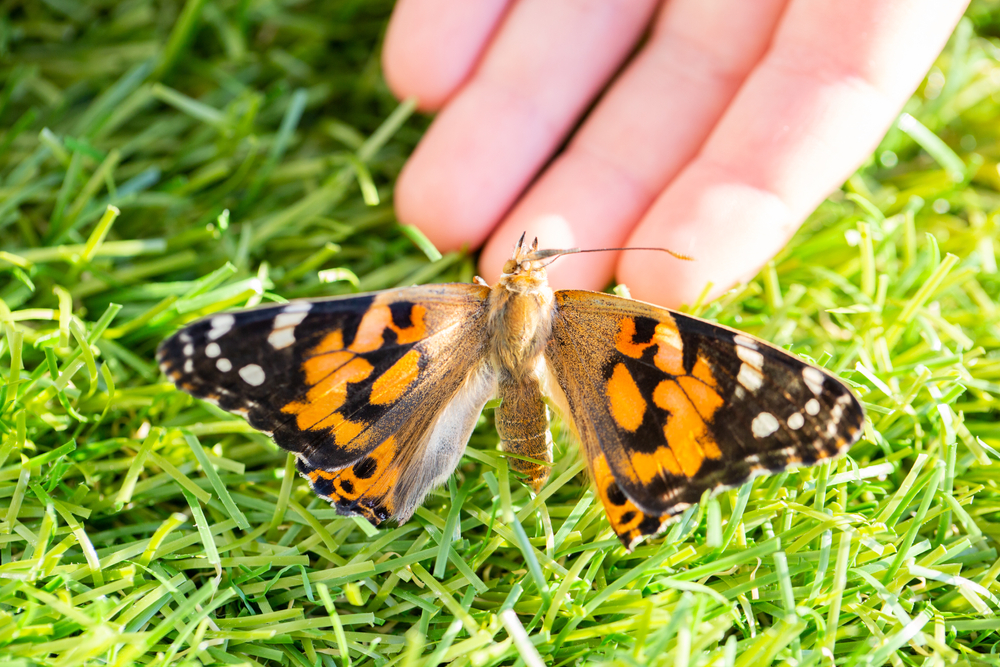
When parents and teachers introduce concepts like pollination, they enhance environmental literacy, encouraging children to recognize the interconnectedness of living organisms. Through hands-on activities—such as planting flowers, observing bees, and discussing various pollinators like butterflies and birds—children can directly engage with these key concepts. This active participation aids in their cognitive development, critical thinking, and observation skills.
Additionally, teaching about pollination helps raise awareness of current environmental issues such as habitat loss and climate change, preparing kids to be responsible stewards of the Earth from a young age. This foundational knowledge not only benefits individual children but also promotes a broader cultural respect for nature among future generations. By caring about pollination education, parents and teachers help children cultivate a lifelong love of learning and respect for the very ecosystems that sustain life.







