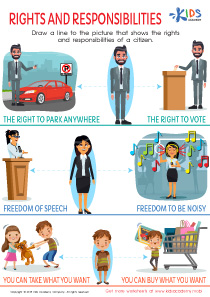
Cognitive Development Normal Social Studies Worksheets for Ages 3-7
6 filtered results
-
From - To
Enhance your child's learning journey with our Cognitive Development Social Studies Worksheets, designed specifically for ages 3-7. These interactive worksheets foster critical early learning skills, including problem-solving, logical thinking, and understanding of their social world. Engaging activities such as matching, sorting, and simple puzzles encourage cognitive growth, while colorful illustrations and relatable scenarios keep young learners motivated and entertained. Support your child's developmental milestones and academic success with these expertly crafted resources. Perfect for parents and educators aiming to create a strong foundation for future learning through enjoyable and educational social studies exploration.
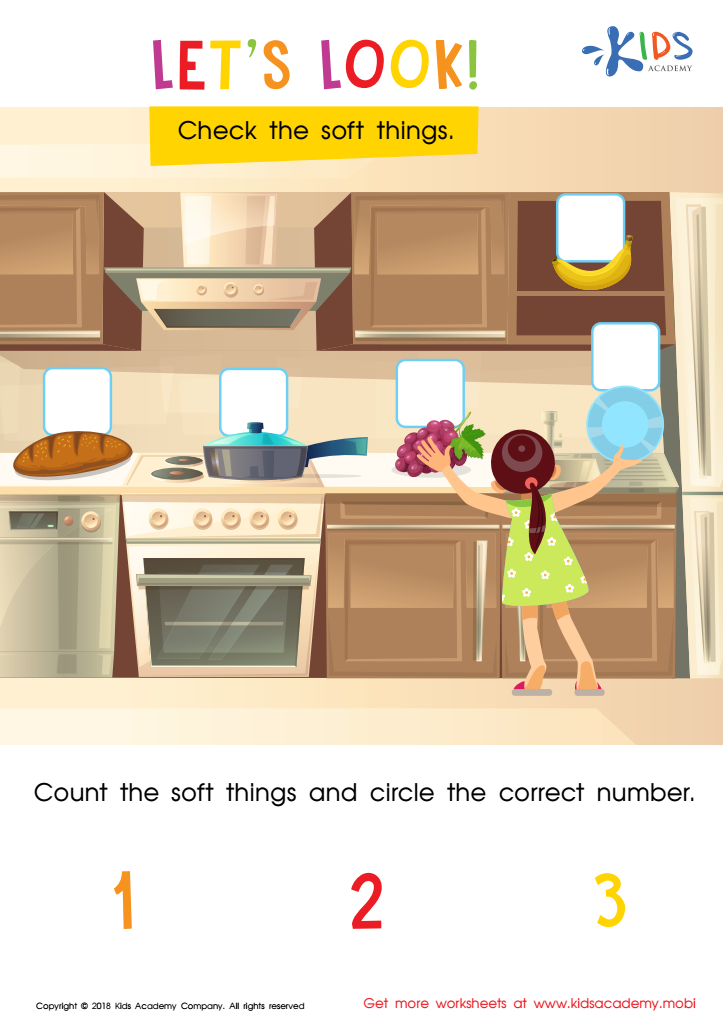
Let's Look! Assessment Worksheet
 Assign to My Students
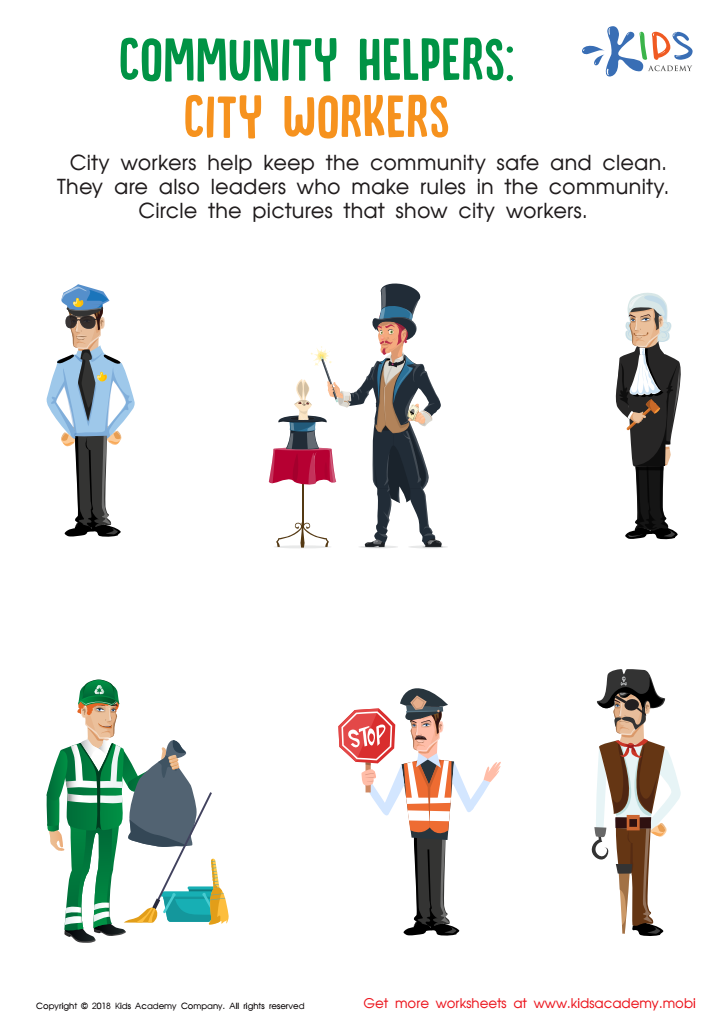
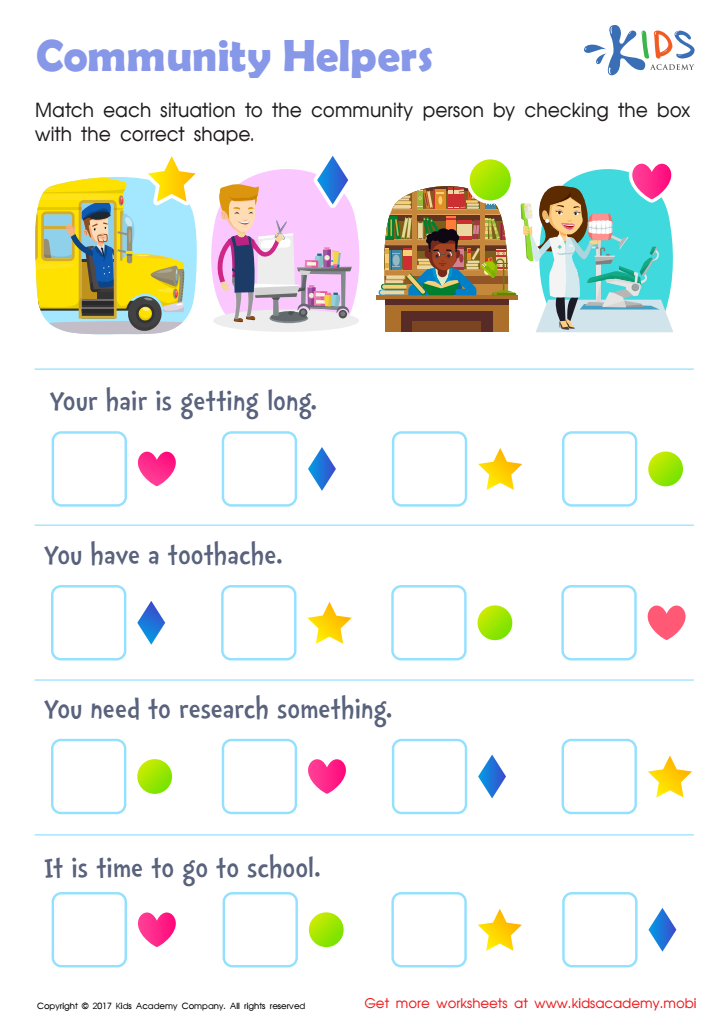
City Workers Community Helpers Worksheet

Traditional Dance Printable
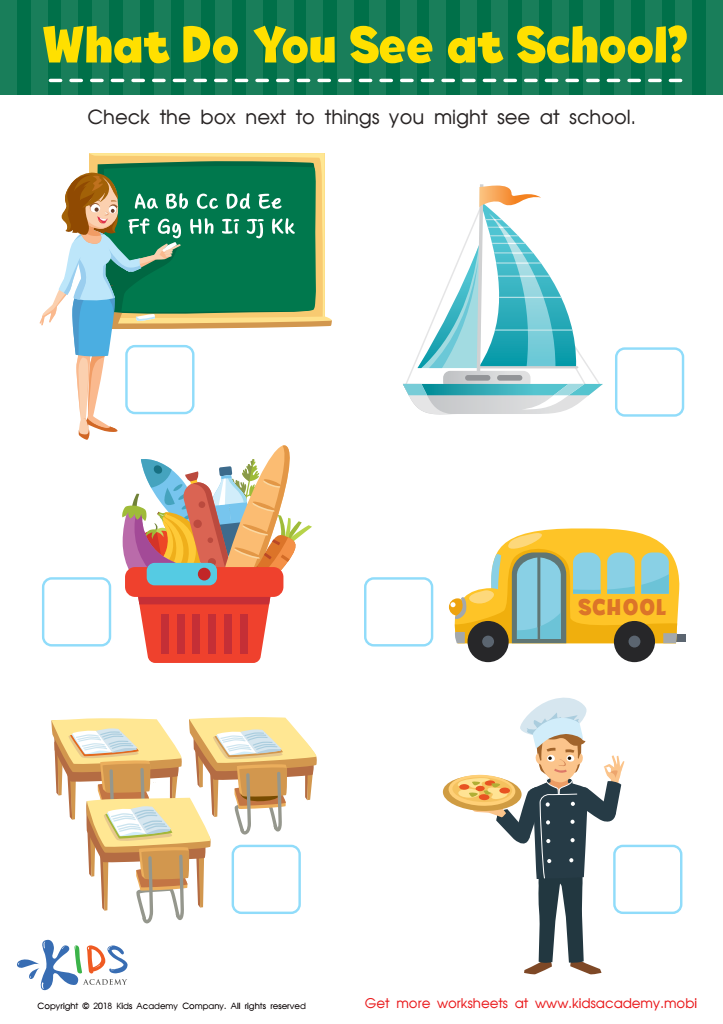
What Do you See at School? Worksheet
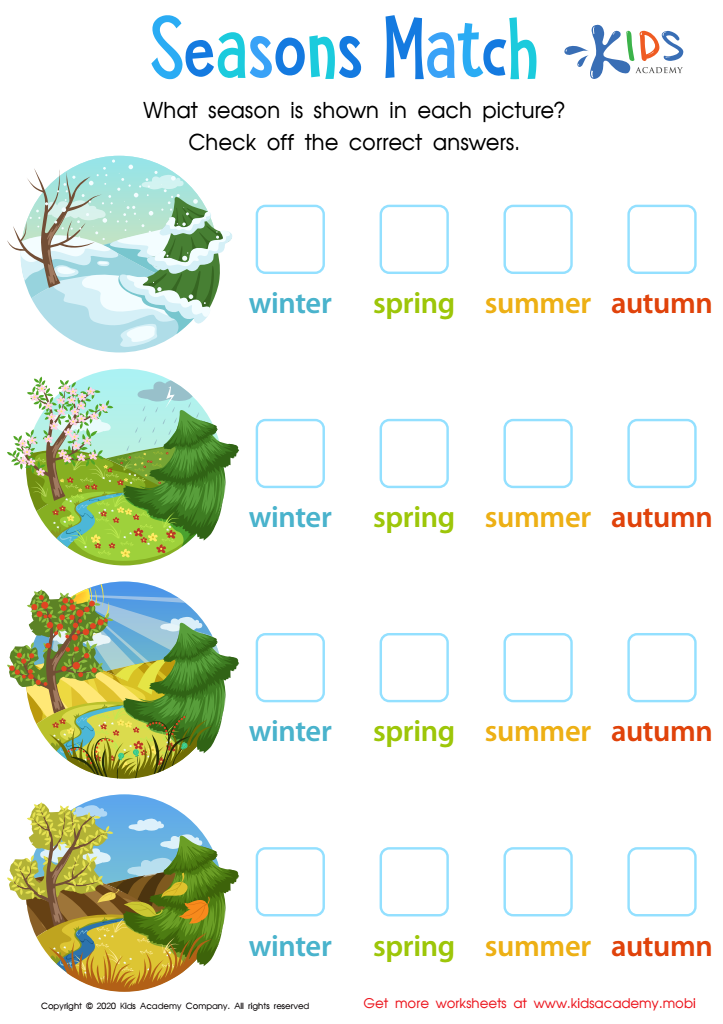
Seasons Match Worksheet




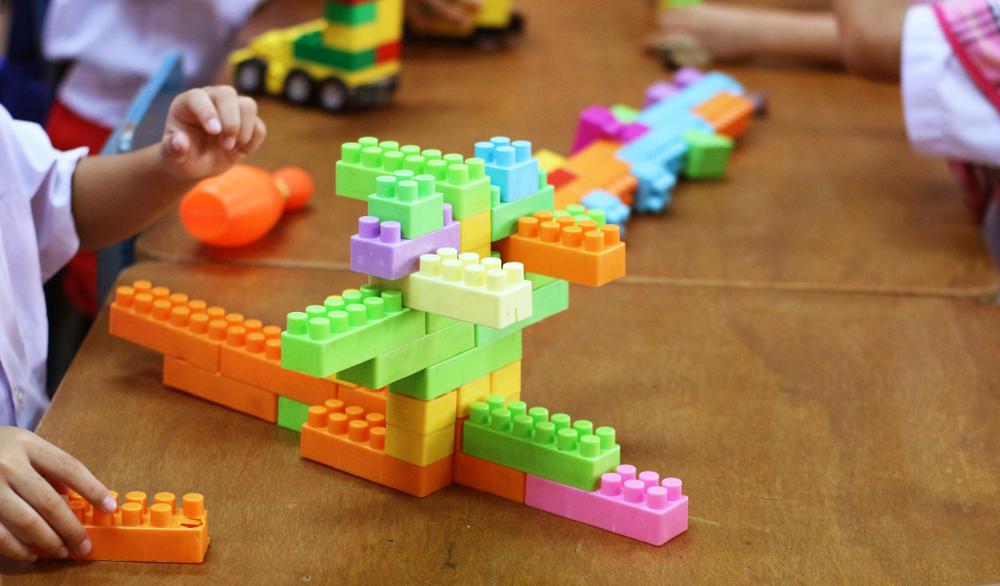



Understanding cognitive development for ages 3-7 in social studies is crucial for parents and teachers, as it lays the foundation for a child's future learning and social interaction abilities. During this critical period, children are developing essential skills such as problem-solving, critical thinking, and understanding social constructs. By integrating social studies into early learning, children can begin to grasp concepts such as community, diversity, and relationships, which are fundamental to their overall cognitive and social growth.
Engaging with social studies helps children learn about their environment and how they fit into the broader world. Skills like recognizing different cultures, understanding geographic locations, and learning about historical events foster a sense of curiosity and openness. These are vital for nurturing well-rounded, empathetic individuals.
For teachers, this means using age-appropriate strategies to teach complex social ideas. Parents should support these efforts at home by discussing social norms, community roles, and encouraging curiosity about the world. Aligning education strategies at home and school ensures a more cohesive learning experience.
Effective early social studies education can promote cognitive linguistic skills, improve self-esteem through positive social interactions, and equip children with the critical thinking needed to navigate an increasingly complex world. Thus, prioritizing cognitive development through social studies is an investment in their holistic future.