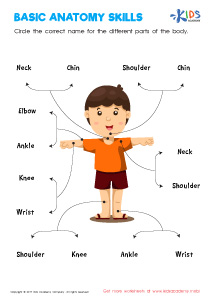
Vocabulary Building Normal World Around Us Worksheets for Ages 3-7
3 filtered results
Difficulty Level
Grade
Age
-
From - To
Subject
Activity
Standards
Discover our engaging Vocabulary Building Normal World Around Us Worksheets designed for ages 3-7! These worksheets focus on everyday scenarios to help your little ones expand their vocabulary and understanding of the world. Expertly crafted, they incorporate colorful illustrations and fun activities, making learning enjoyable and interactive. From identifying common objects to learning simple phrases, these worksheets are perfect for young learners. Enhance reading comprehension, language skills, and cognitive development while sparking curiosity. Start exploring today and give your child the tools to confidently navigate their surroundings with a rich vocabulary.
Favorites
With answer key
Interactive
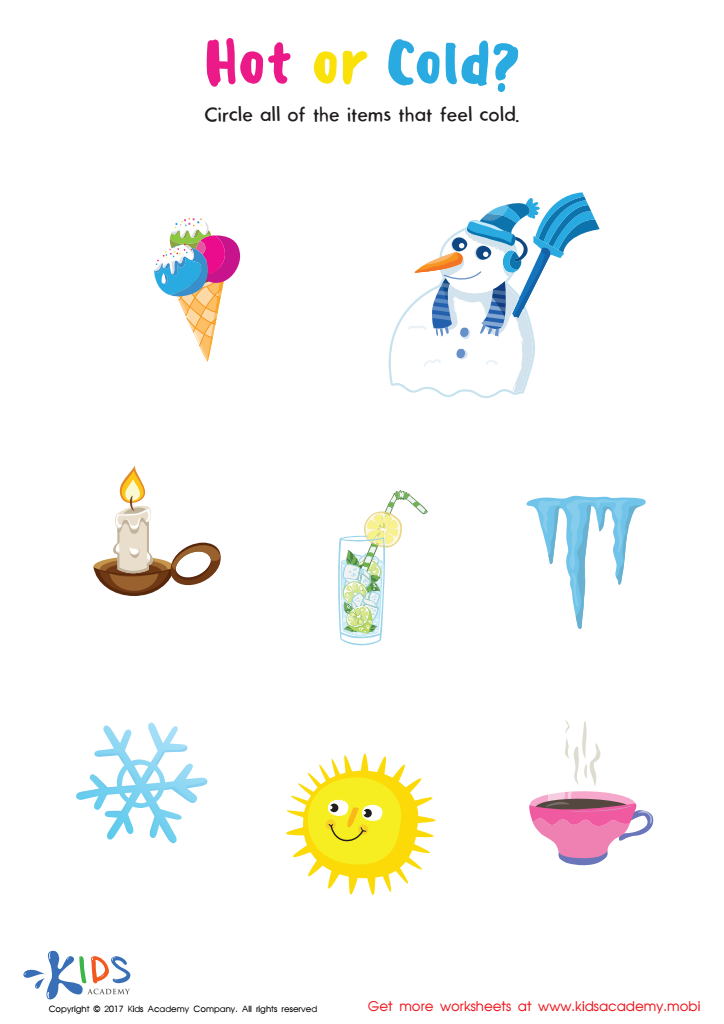
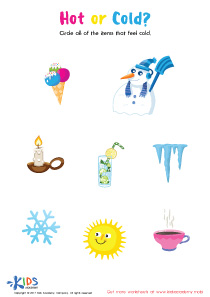
Hot or Cold Printable
Help your child stay safe with this hot or cold worksheet! It promotes problem solving skills and teaches the important concept of temperature differences. Plus, it’s fun! Get your child to learn by playing.
 Assign to My Students
Hot or Cold Printable
Worksheet
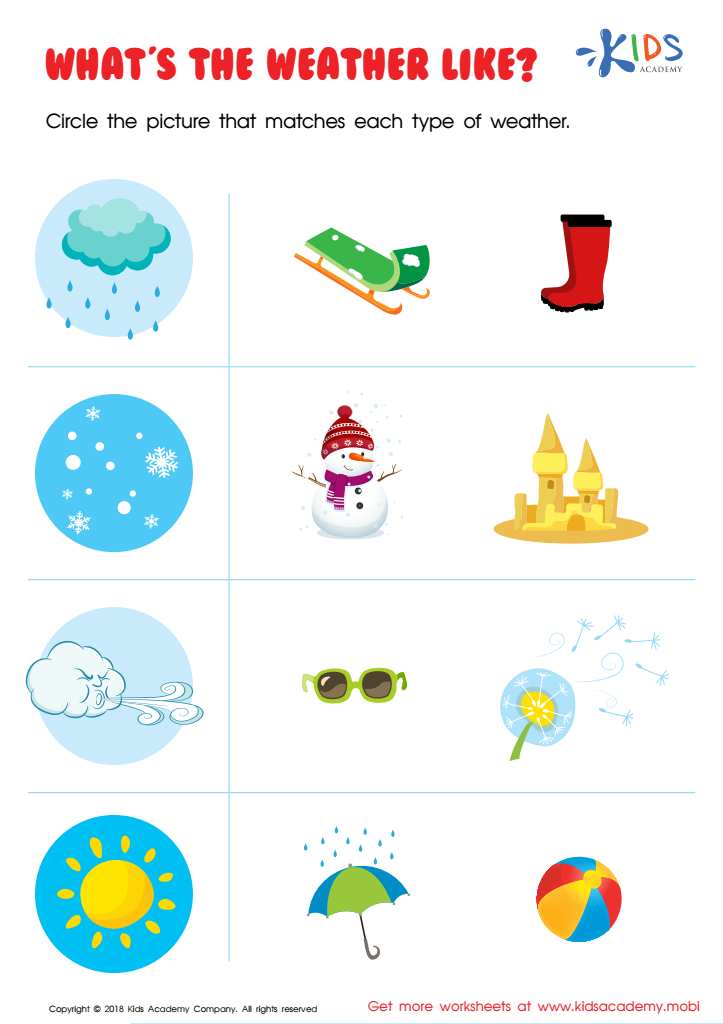
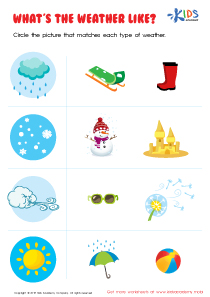
What's the Weather Like? Worksheet
Help budding meteorologists practice matching weather to seasons with this PDF worksheet. Picture clues help identify seasons and fine motor skills are practiced circling the correct weather patterns. Bright and engaging characters make learning fun and reinforce weather knowledge.
What's the Weather Like? Worksheet
Worksheet
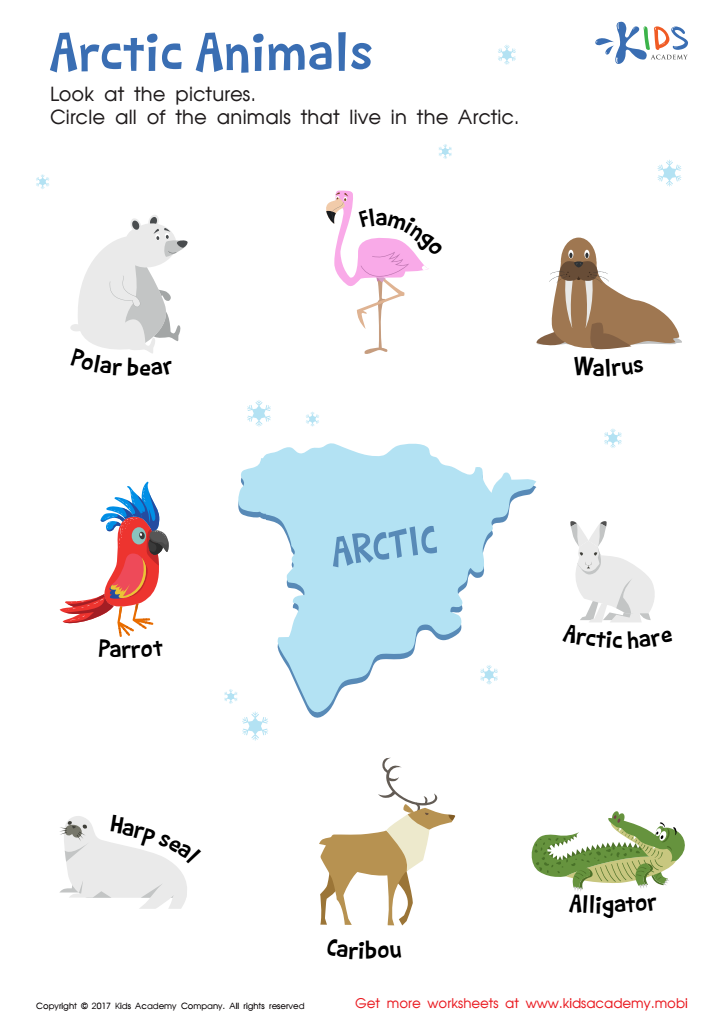
Arctic Animals Worksheet
Kids love animals and this worksheet is a great way to teach them where they live. It reinforces classification skills and introduces new animals, like the Arctic hare. Use it to discuss the Arctic climate and how these animals live, then ask your child where other animals live to keep the conversation going.
Arctic Animals Worksheet
Worksheet
Join Kids Academy for Free
Who is primarily going to use this learning content?








Vocabulary building during the ages of 3-7 is crucial as it lays the foundation for a child's overall development and success. At this early stage, children are highly receptive and capable of absorbing new words quickly, which directly impacts their ability to communicate effectively. For parents and teachers, introducing vocabulary through normal activities in familiar environments helps children relate words to their everyday experiences, making learning natural and enjoyable.
Boosting vocabulary helps in the cognitive development of children, enabling better understanding and thinking skills. A robust vocabulary allows kids to express their feelings, ask questions, and engage in conversations more confidently, which is essential for their social interactions and emotional intelligence. Moreover, a strong vocabulary base supports literacy skills, easing the transition to reading and writing. Children who have a wider range of words can comprehend reading material better and express their thoughts more clearly in writing, contributing to their academic success.
Additionally, vocabulary building encourages curiosity and a love for learning, as children become eager to name and understand new objects and concepts. Early attention to vocabulary development cultivates inquisitive young minds, setting the stage for lifelong learning and cognitive flexibility. Therefore, parents and teachers should care about nurturing vocabulary growth in young children to foster better communication, higher academic achievement, and overall intellectual development.