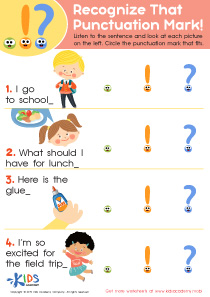
Enhance your child’s literacy skills with our engaging Word Recognition Normal Grammar Worksheets designed for ages 3-7! These worksheets offer a fun and interactive way for young learners to develop essential reading and writing abilities. Focusing on word recognition, children will enjoy activities that reinforce vocabulary and grammar understanding through colorful illustrations and easy-to-follow prompts. Ideal for preschool and early elementary education, these worksheets help foster a love of language while supporting critical cognitive development. Perfect for at-home learning or classroom use, our resources aim to make learning enjoyable and effective, setting a solid foundation for future academic success.

Check out this FREE Trial Lesson on Grammar for age 3-7!

Divide Words into Syllables

Favorites
With answer key
Interactive
  • 3-7
  • Word Recognition
  • Grammar
  • Normal
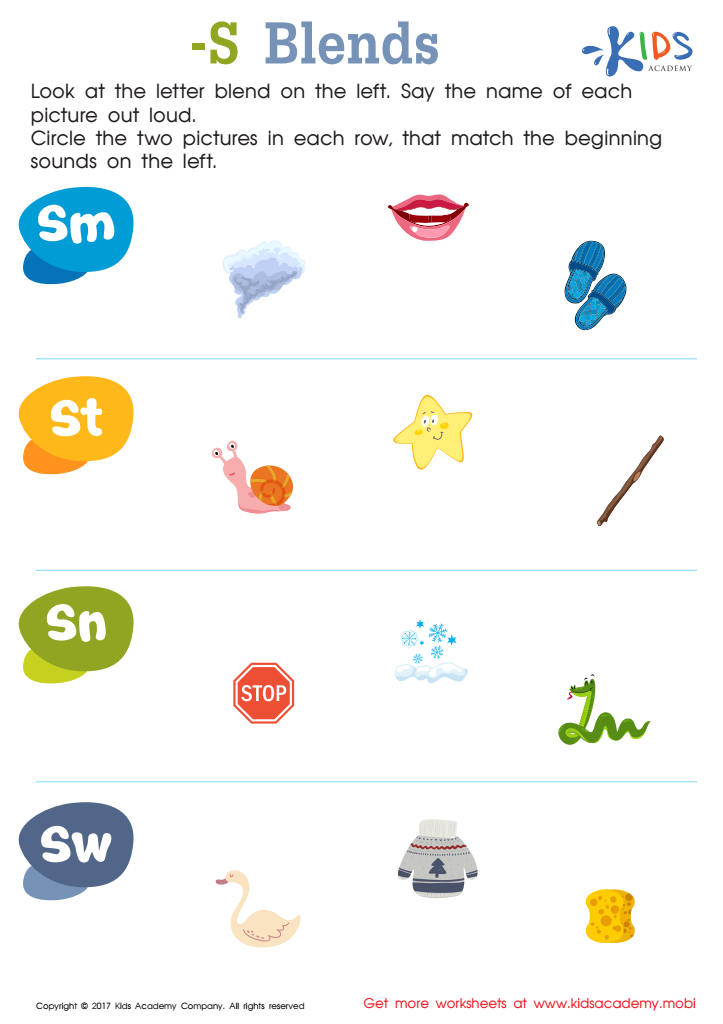
Worksheet: "s" blend words

"s" Blends Spelling Printable

Treat your child to fun phonics practice with this worksheet: "s" blend words! They’ll enjoy discovering the different sounds and words that start with "s", from snakes to snails and all in between.
"s" Blends Spelling Printable
Worksheet
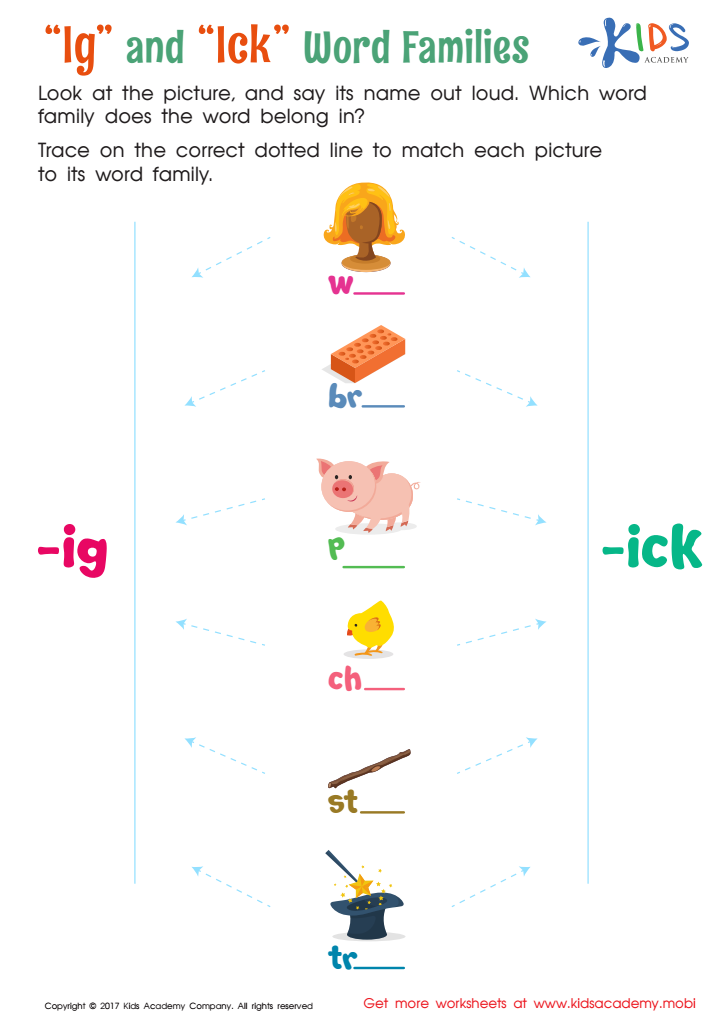
Spelling worksheet: "ig" and "ick" words

Words Families "ig" and "ick" Spelling Worksheet
Combine fun and learning with this illustrated spelling worksheet featuring "ig" and "ick" words! Ask kids to say the word, then determine which word family it belongs to. Pictures make it easier to learn and remember!
Words Families "ig" and "ick" Spelling Worksheet
Worksheet
Worksheet: words that end with "an"

Words Families "an" Spelling Worksheet
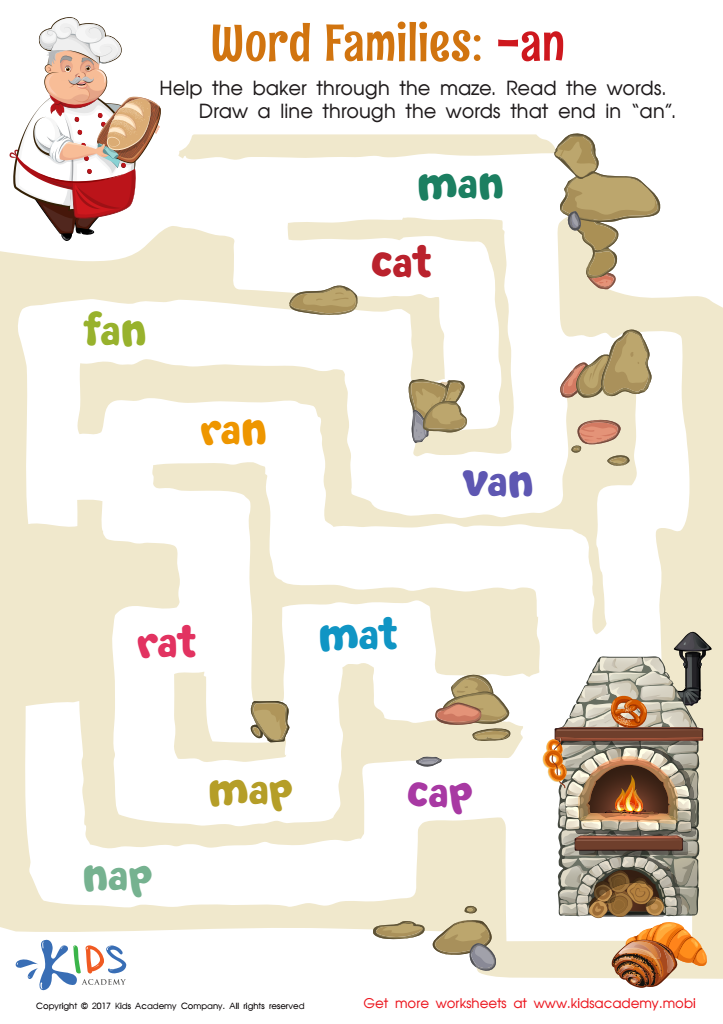
Ace spelling with ease! Print this worksheet to explore words that end in "an". Enjoy a fun maze and learn this common ending!
Words Families "an" Spelling Worksheet
Worksheet
Sight Words with Blends Worksheet

Sight Words with Blends Worksheet

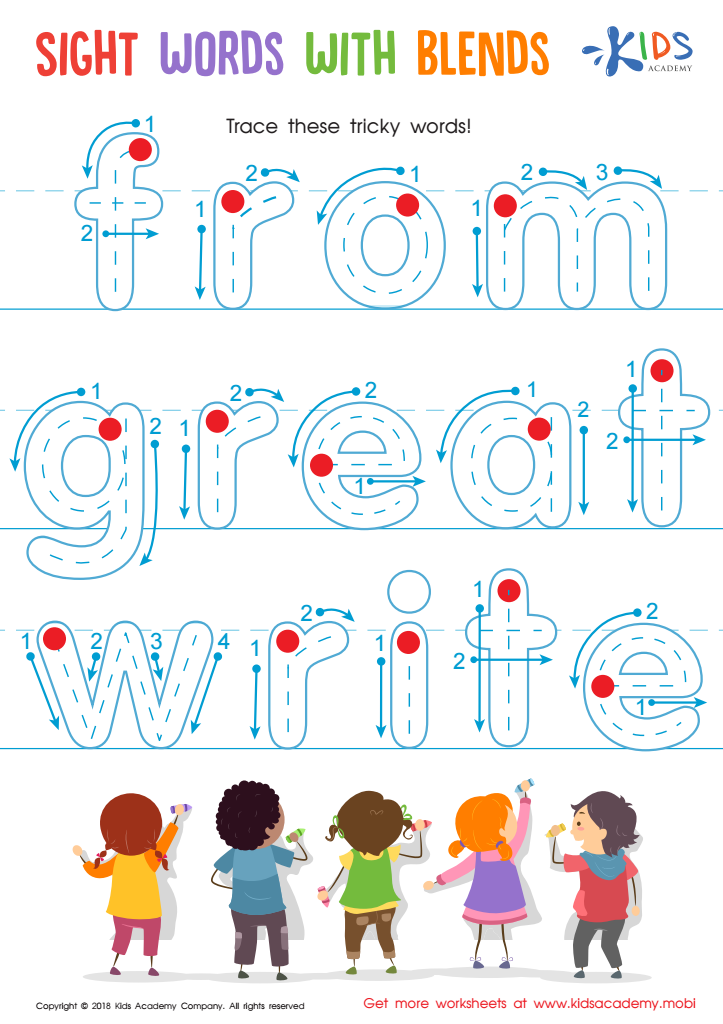
This free PDF lets your children trace and write sight words with tricky blends. The guide numbers help them start from the top, building fine motor skills and enhancing sight word vocab. It's a great way to give your kids a solid foundation for reading!
Sight Words with Blends Worksheet
Worksheet
Reading: Break Them Apart Worksheet

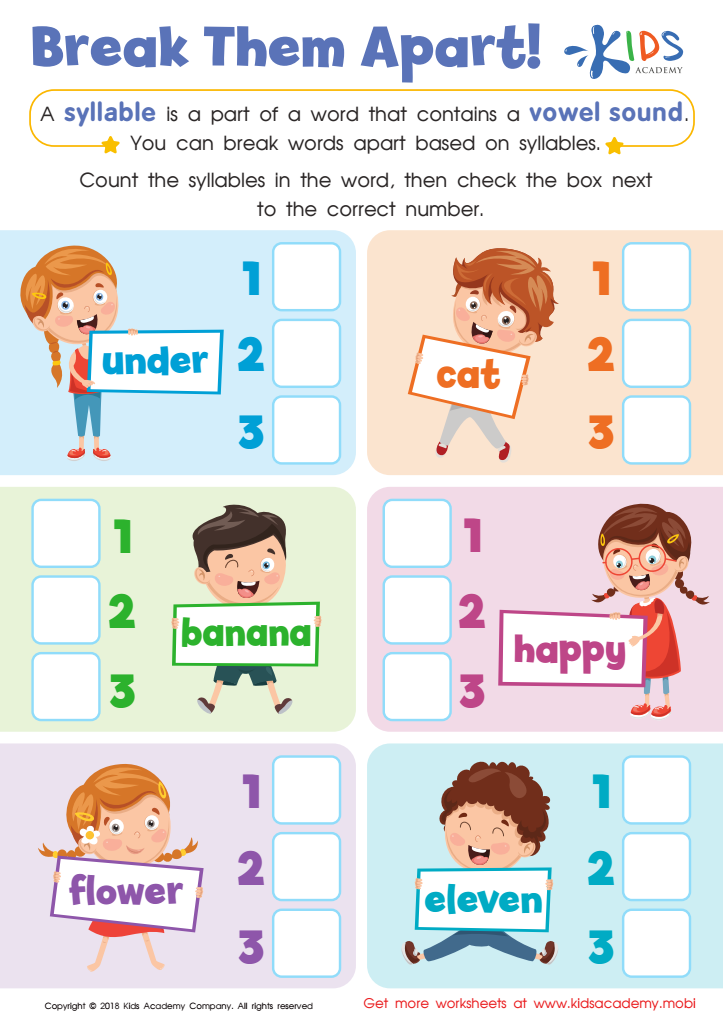
Reading: Break Them Apart Worksheet

See if students understand syllables with this fun worksheet. It teaches them that a syllable is a word part with a vowel sound. Kids read each word and choose how many parts it has. Doing this often helps them decode new words and gain confidence.
Reading: Break Them Apart Worksheet
Worksheet
Reading: Find the Prefixes Worksheet

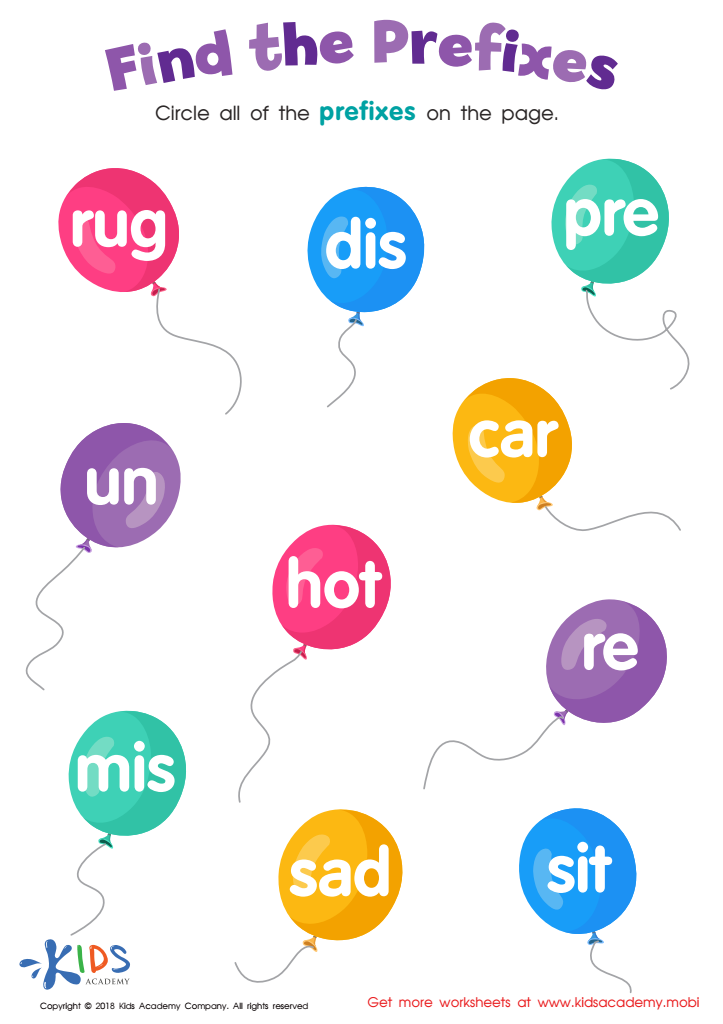
Reading: Find the Prefixes Worksheet

Students are asked to circle all prefixes on this worksheet and brainstorm a list of words that have them. It's a great tool for teaching vocabulary and helps students understand new and unfamiliar words by recognizing how prefixes change meaning.
Reading: Find the Prefixes Worksheet
Worksheet
How is it spelled? Worksheet

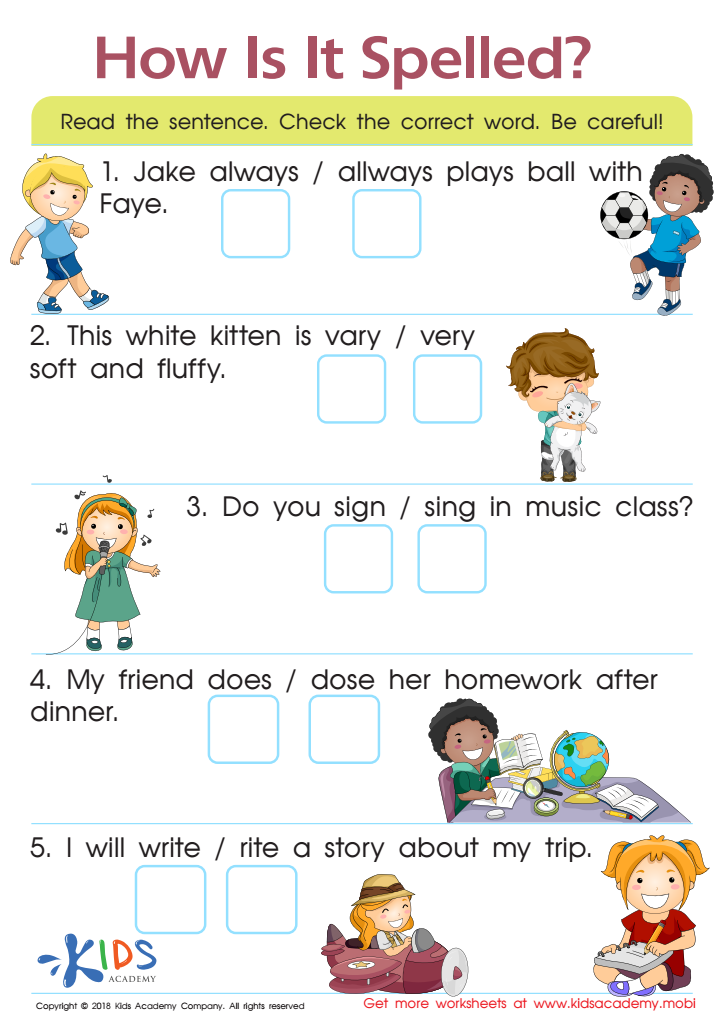
How is it spelled? Worksheet

Perceiving right and wrong spellings is vital for reading, writing and honing editing skills. This stimulating worksheet lets children practice recognizing and selecting wrongly spelled words, which is essential for correct spelling and writing well-polished drafts.
How is it spelled? Worksheet
Worksheet
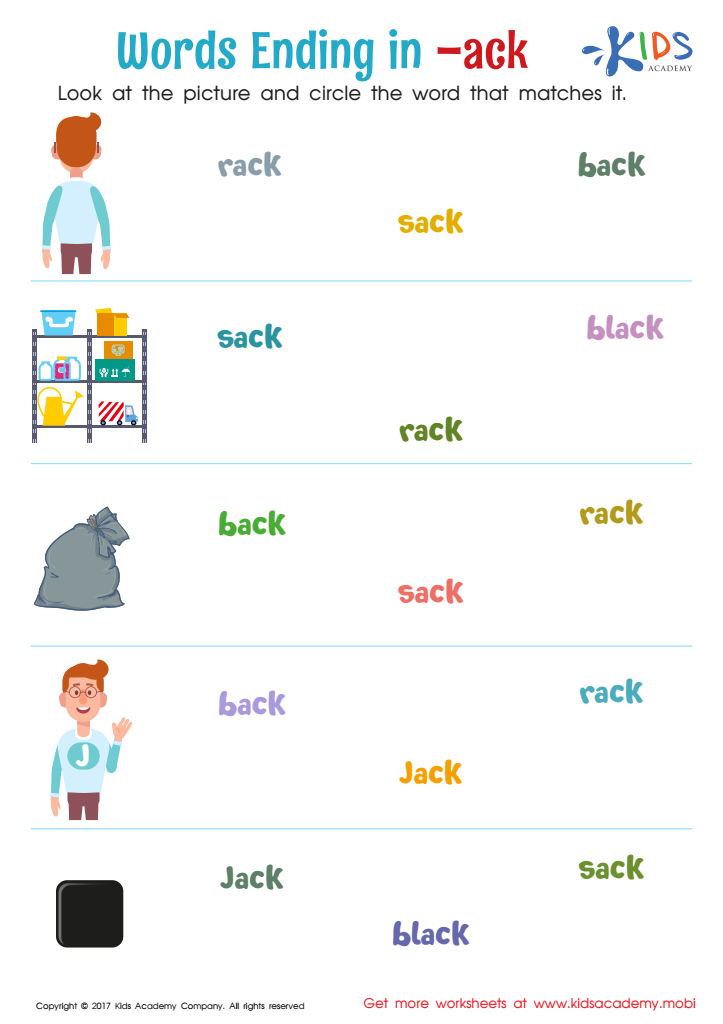
Spelling worksheet: "ack" words

Words Ending in "ack" Spelling Worksheet

Master them in no time!
Words Ending in "ack" Spelling Worksheet
Worksheet


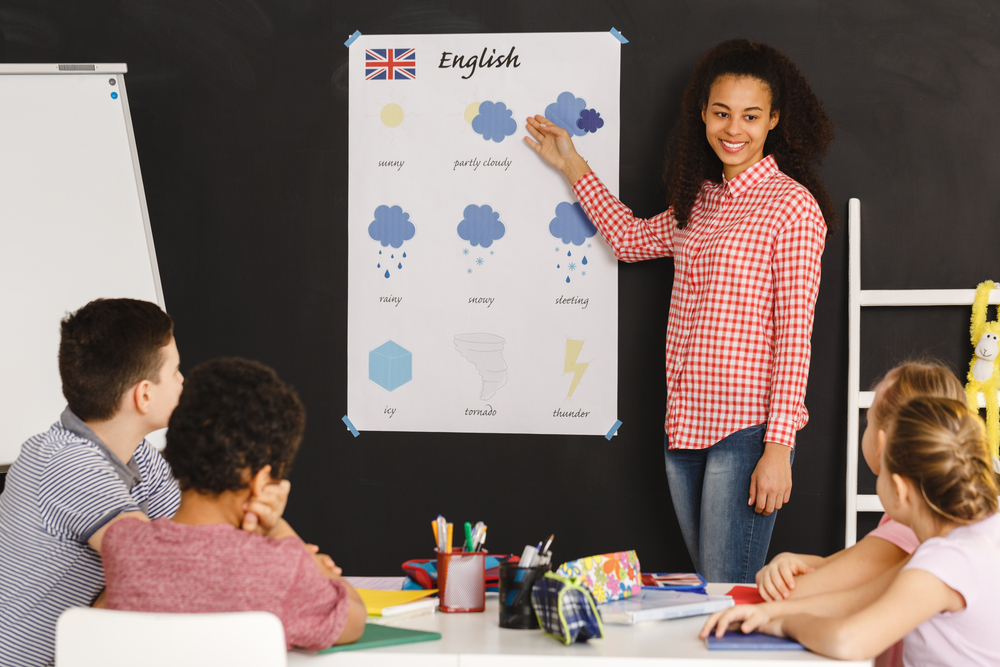
Parents and teachers should prioritize Word Recognition and Grammar for children aged 3-7 because these early skills are foundational for literacy development. At this age, children are rapidly acquiring language and communication abilities, and effective word recognition enhances their reading fluency. Recognizing words means children not only identify letters and sounds but also begin to understand their meanings in context, facilitating comprehension.

Normal grammar usage encourages clear communication. As children engage in conversation and storytelling, their grasp of grammatical structures helps them convey thoughts coherently. Learning proper grammar aids in developing writing skills, leading to a well-rounded literacy foundation. Furthermore, early exposure to both word recognition and normal grammar fosters critical thinking and cognitive skills, as children learn to form sentences and understand relationships between words.

Research consistently highlights the long-term academic benefits of strong literacy skills established in early childhood. Children who master these skills are better prepared for school, enhancing their confidence and motivation to learn. Engaging in games, activities, and discussions centered around reading and grammar not only makes learning enjoyable but also strengthens the bond between parents, teachers, and children, fostering a supportive learning environment.