Reading skills development Normal Alphabet Worksheets for Ages 3-8
5 filtered results
-
From - To
Enhance early literacy with our Reading Skills Development Normal Alphabet Worksheets, designed specifically for ages 3-8. Our engaging and interactive worksheets introduce children to essential alphabet concepts, fostering reading skills in a fun and enjoyable way. Each activity encourages letter recognition, phonetic awareness, and strengthens vocabulary through colorful visuals and age-appropriate tasks. Perfect for home or classroom use, these worksheets nurture a love for reading while building foundational skills essential for future academic success. Empower your child’s reading journey today with our thoughtfully crafted resources, designed to spark curiosity and creativity in young learners. Explore our collection and watch your child's confidence grow!
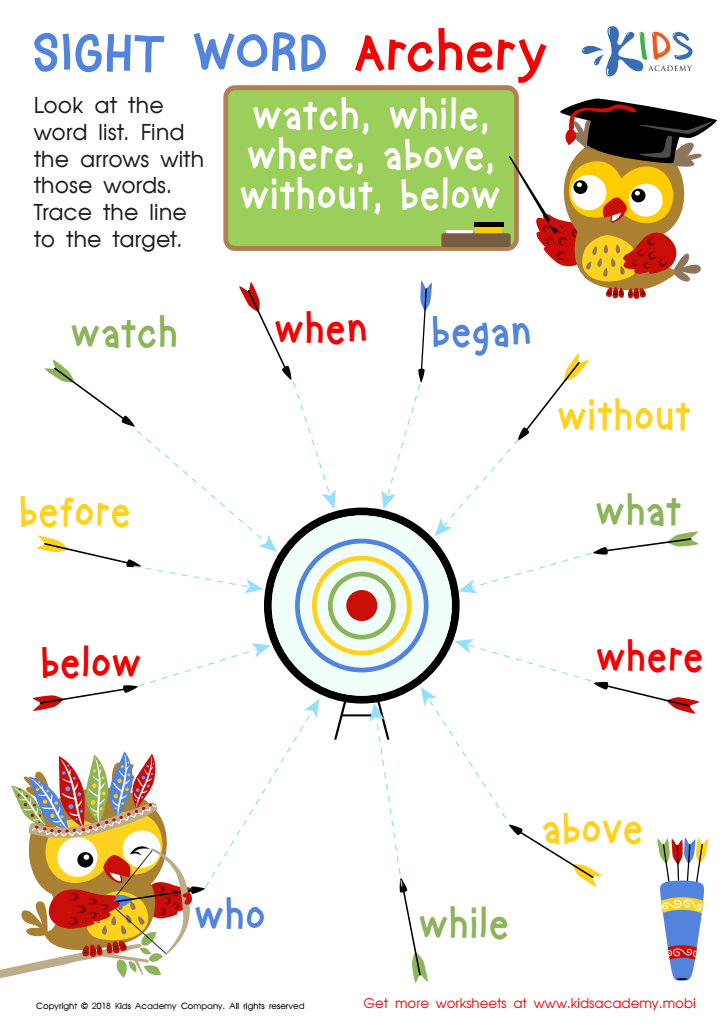
Sight Word Archery Worksheet
 Assign to My Students
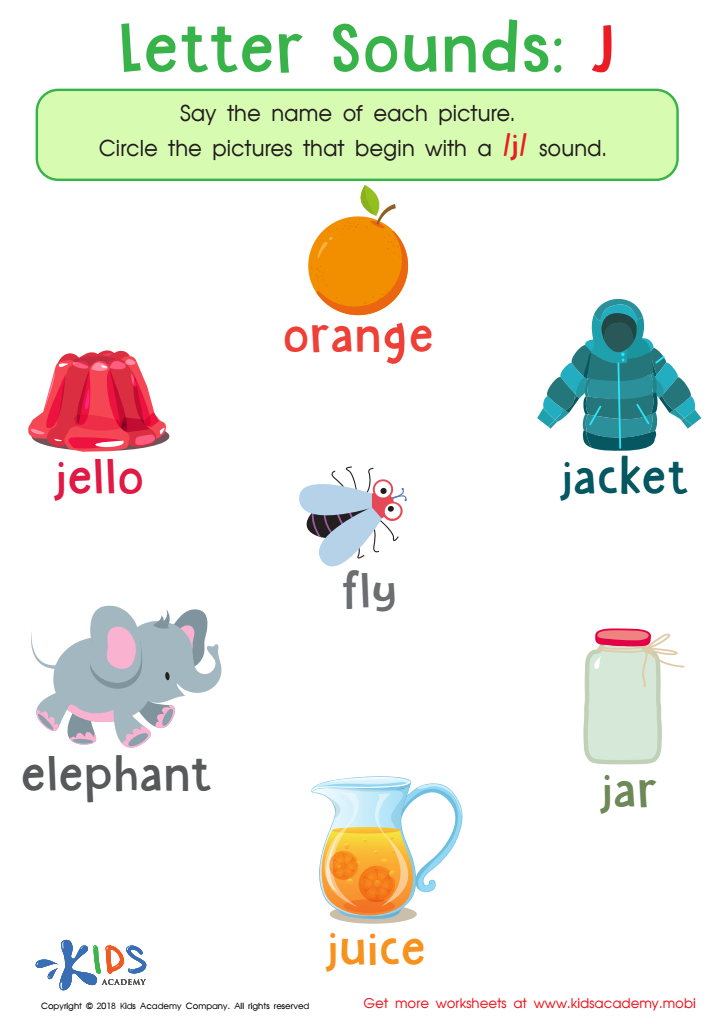
Letter Sounds: J Printable Worksheet
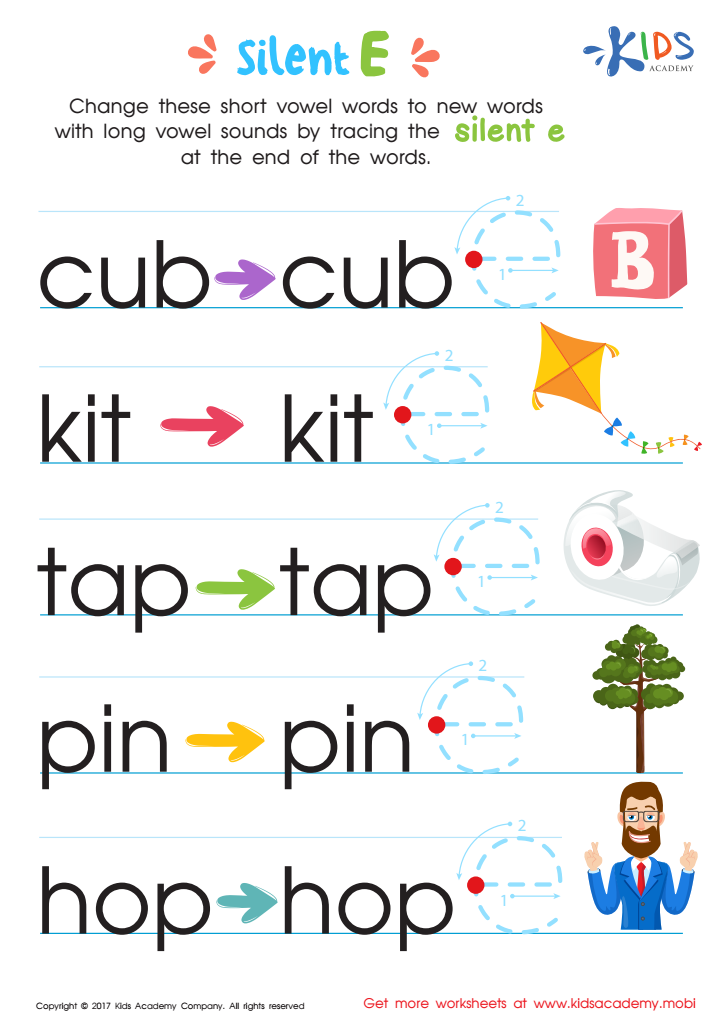
Silent E Words Worksheet
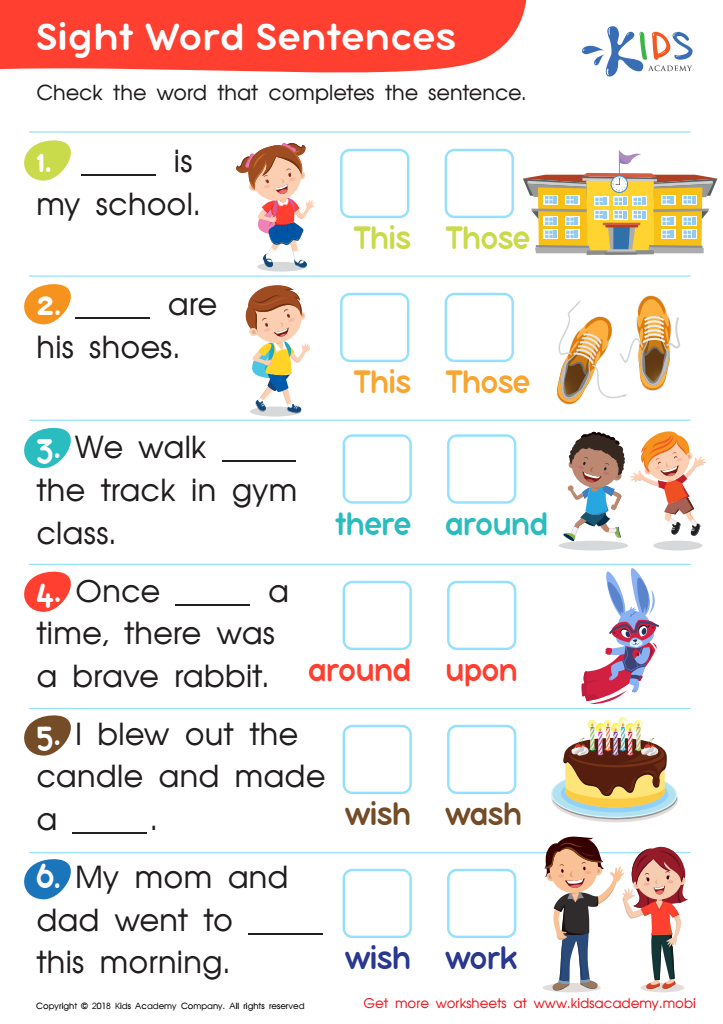
Sight Word Sentences Worksheet
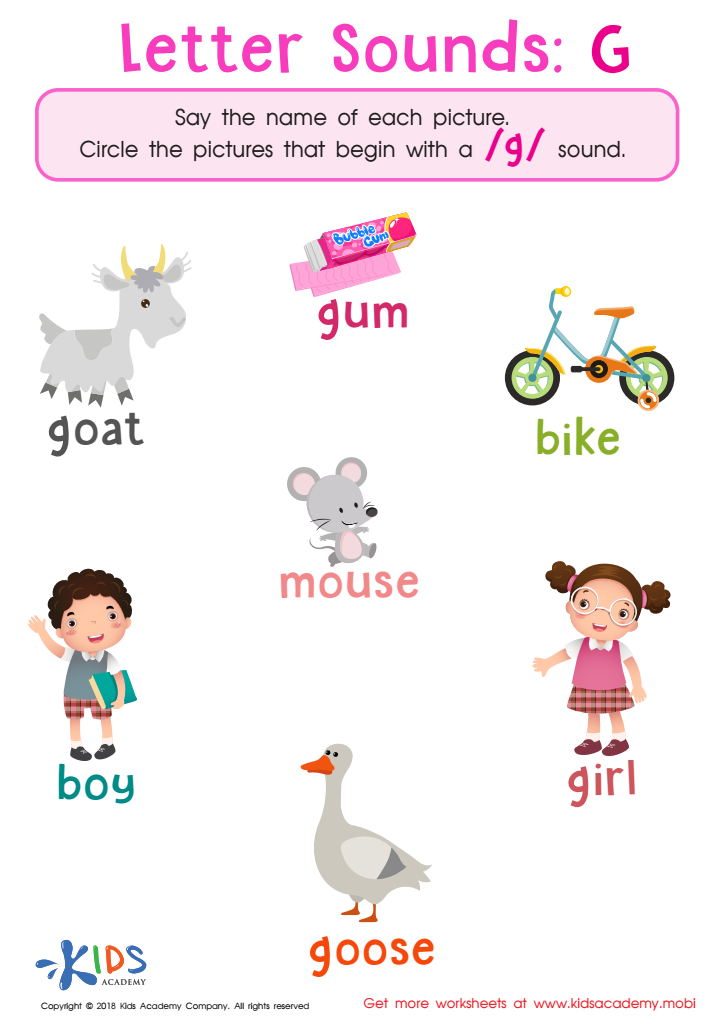
Letter G Sounds Worksheet








Developing reading skills in children aged 3-8 is crucial for their overall educational success and cognitive development. During these formative years, children build the foundation for lifelong learning. Early exposure to reading fosters language acquisition, enhances vocabulary, and improves comprehension skills. These skills are essential not only for academic achievement but for effective communication throughout life.
Engaging in reading activities boosts children's imagination, creativity, and critical thinking. When parents and teachers prioritize reading, they help cultivate a love for books and learning, which sets the tone for future educational endeavors. Reading development also enhances social skills as children often engage with others by sharing stories or discussing books.
Moreover, strong reading skills correlate with better performance in other subjects, such as math and science, as literacy is integral to understanding complex concepts and instructions. Parents’ involvement, coupled with supportive teachers, creates a synergistic environment where children thrive. Caring about reading skills in young learners isn't just about words on a page; it’s about empowering them with the tools they need for success in school and in life. Therefore, investing time in reading development should be a priority for both parents and educators.







