Reading comprehension Normal Letter Recognition Worksheets for Ages 3-8
10 filtered results
-
From - To
Enhance your child's literacy skills with our Reading Comprehension Normal Letter Recognition Worksheets, specifically designed for ages 3-8. These engaging, interactive worksheets help young learners develop essential letter recognition and reading comprehension abilities while fostering a love for reading. Each worksheet includes fun activities that challenge children to identify letters and understand their context in simple sentences. Perfect for both classroom and home learning environments, our resources support auditory, visual, and kinesthetic learning styles. Build a strong foundation for literacy and help your child thrive in their reading journey with these carefully crafted worksheets, stimulating their curiosity and boosting their confidence!
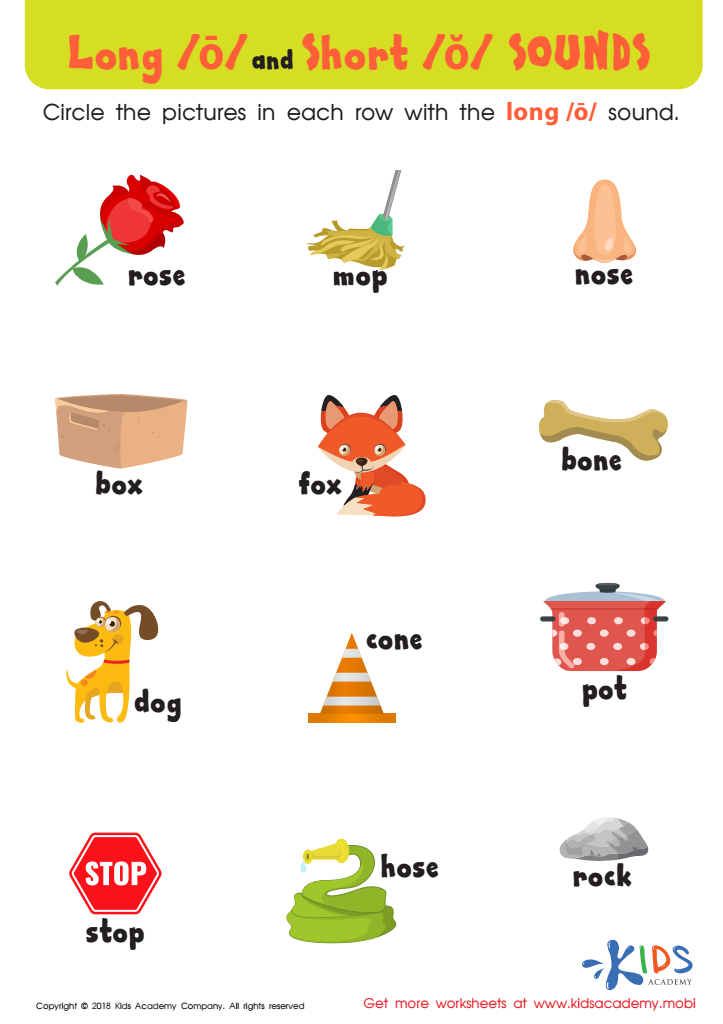
Reading: Long O and Short O Sounds Worksheet
 Assign to My Students
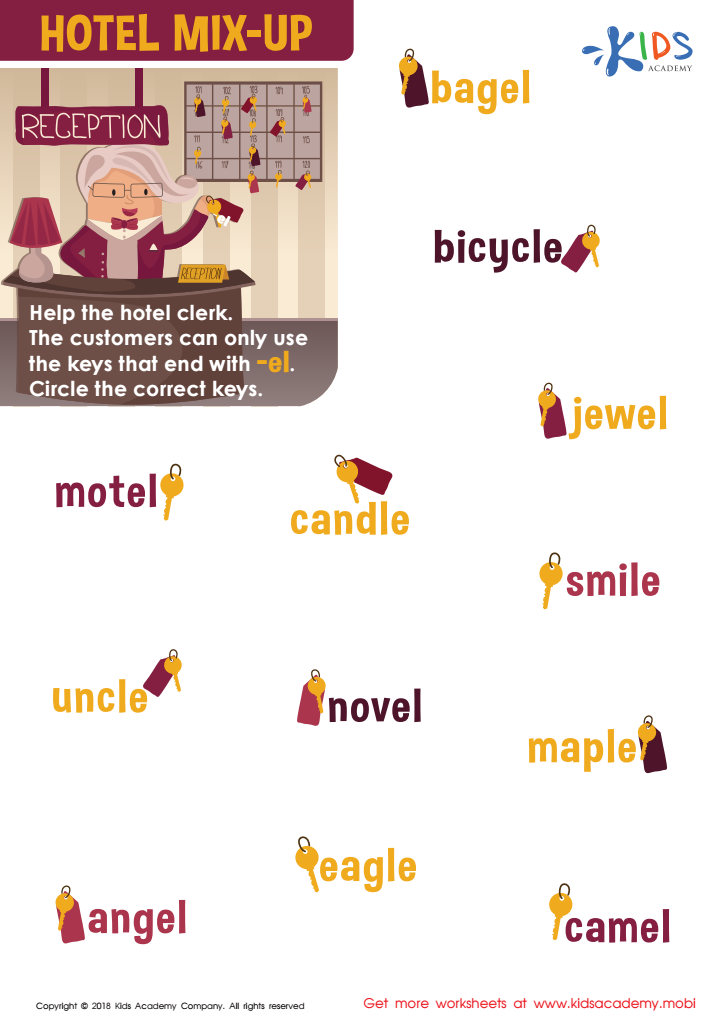
Hotel Mix-up Worksheet
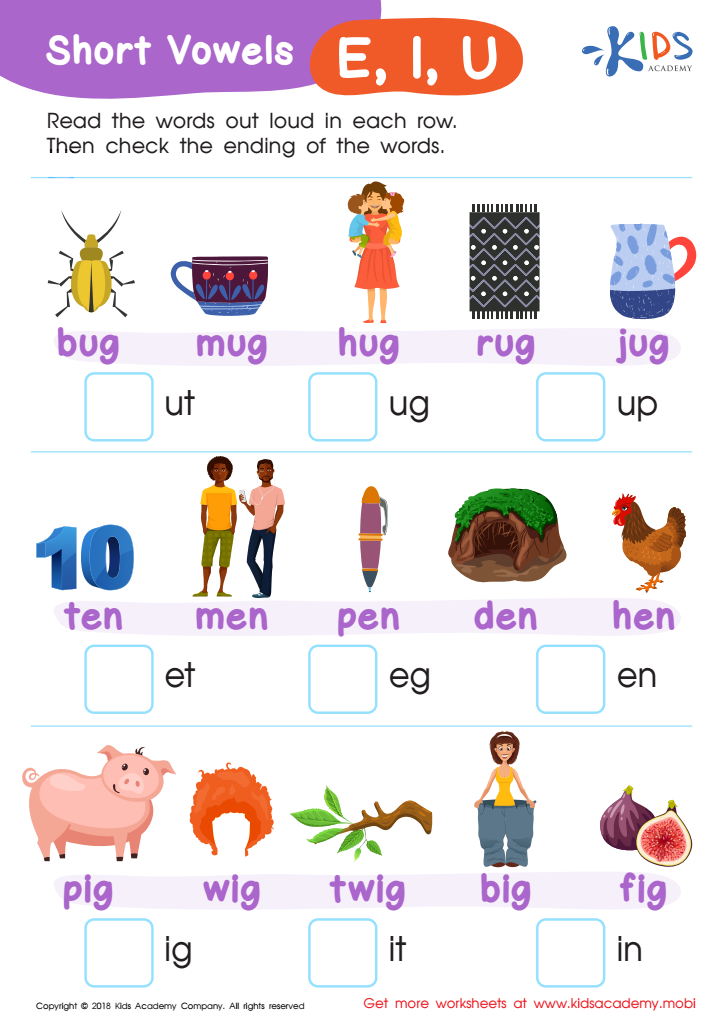
Short Vowels /e/, /i/, and /u/ Worksheet
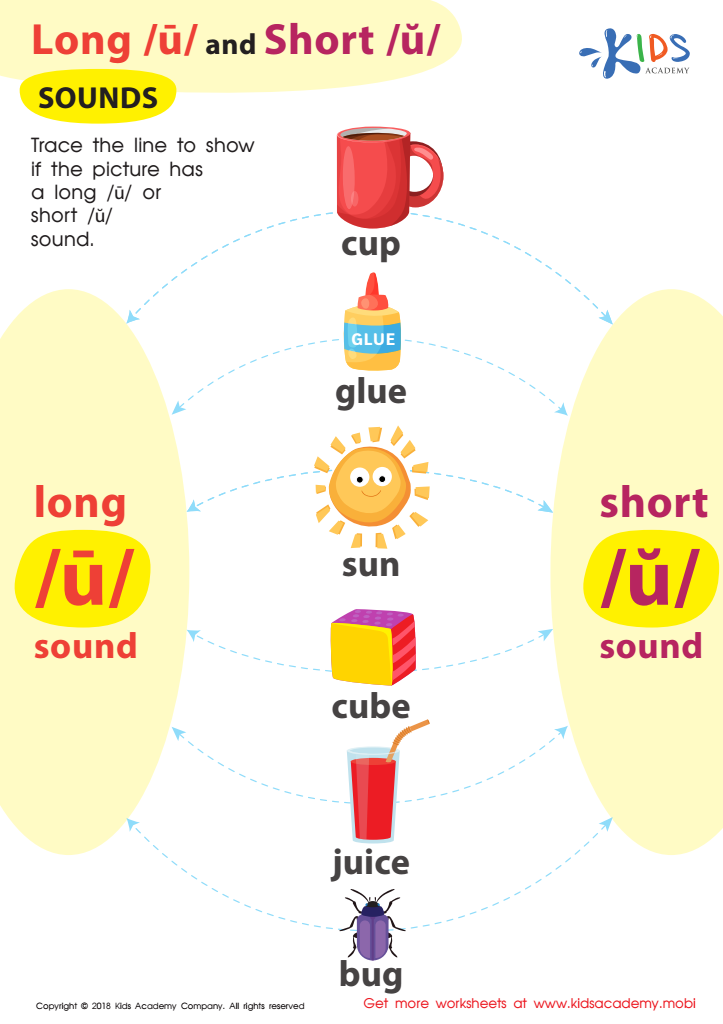
Reading: Long U and Short U Sounds Worksheet
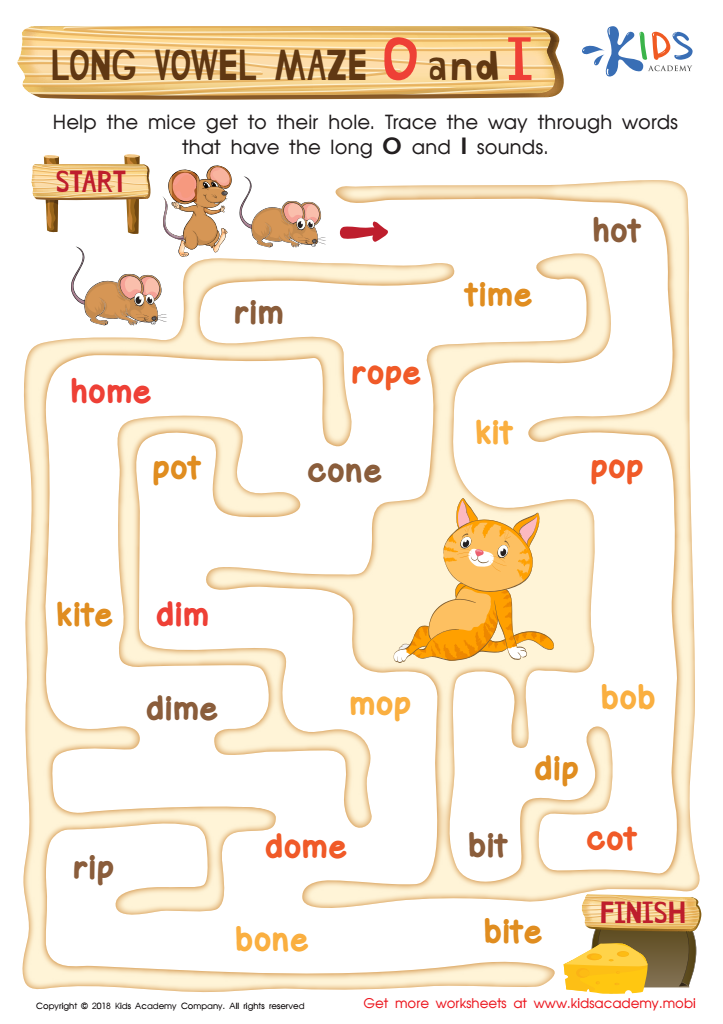
Long Vowel Maze /o/ and /i/ Worksheet
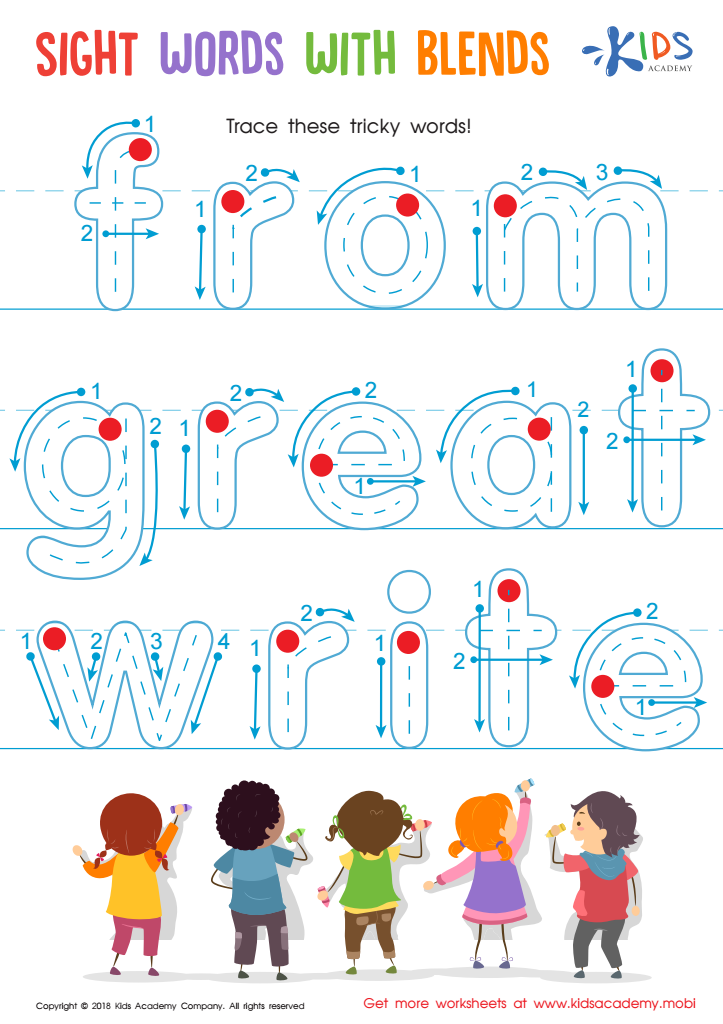
Sight Words with Blends Worksheet
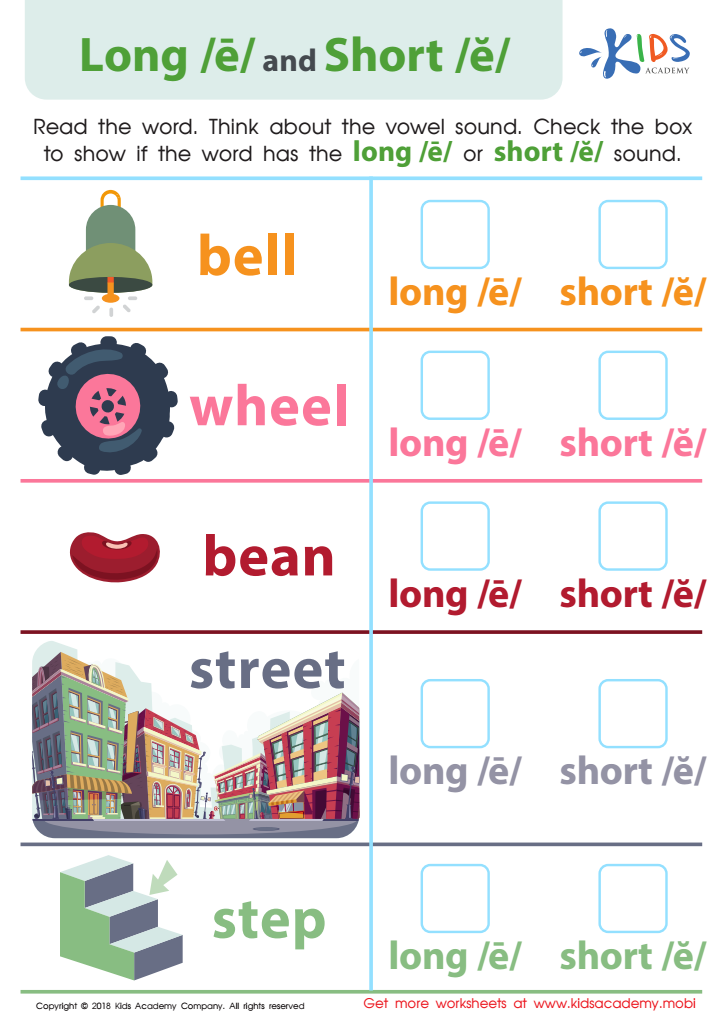
Reading: Long E and Short E Worksheet
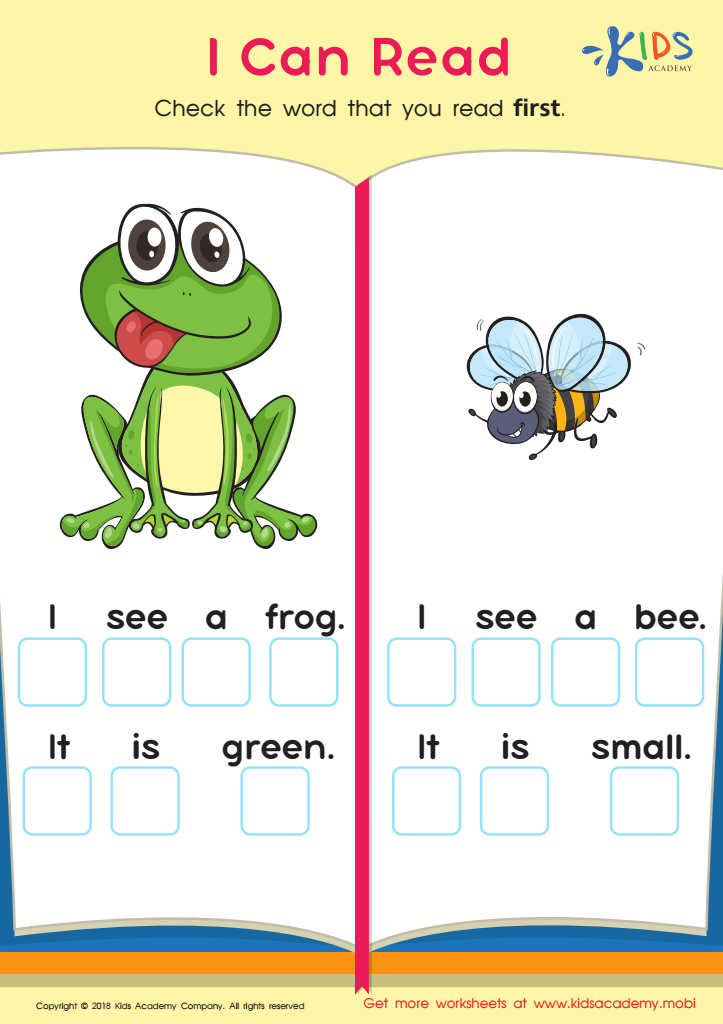
I Can Read Worksheet
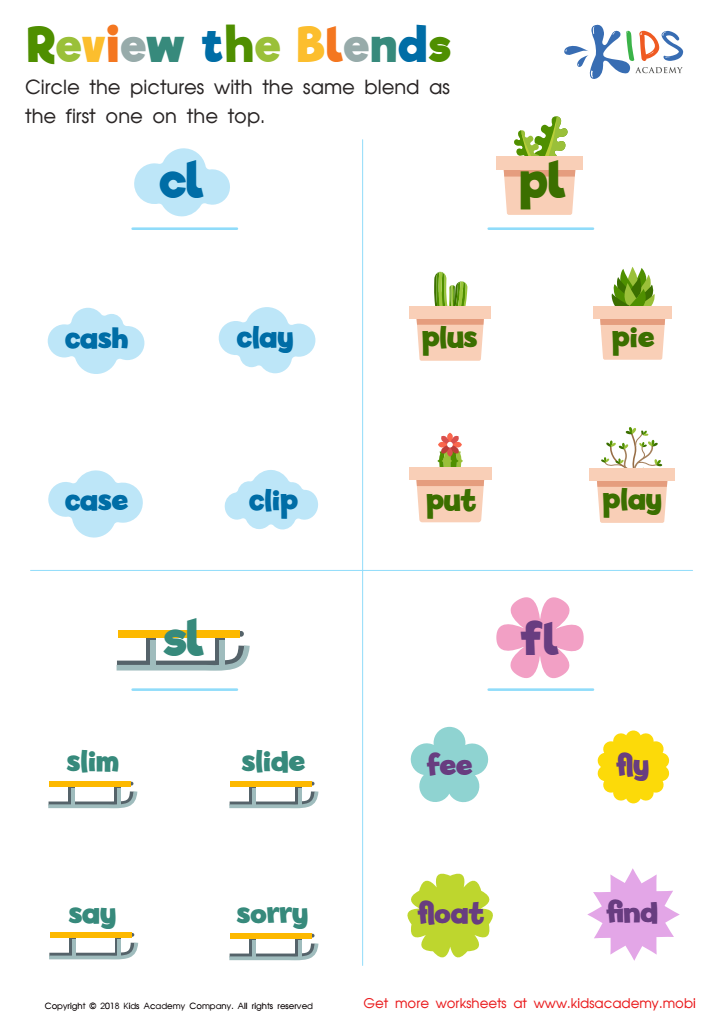
Review the Blends Worksheet
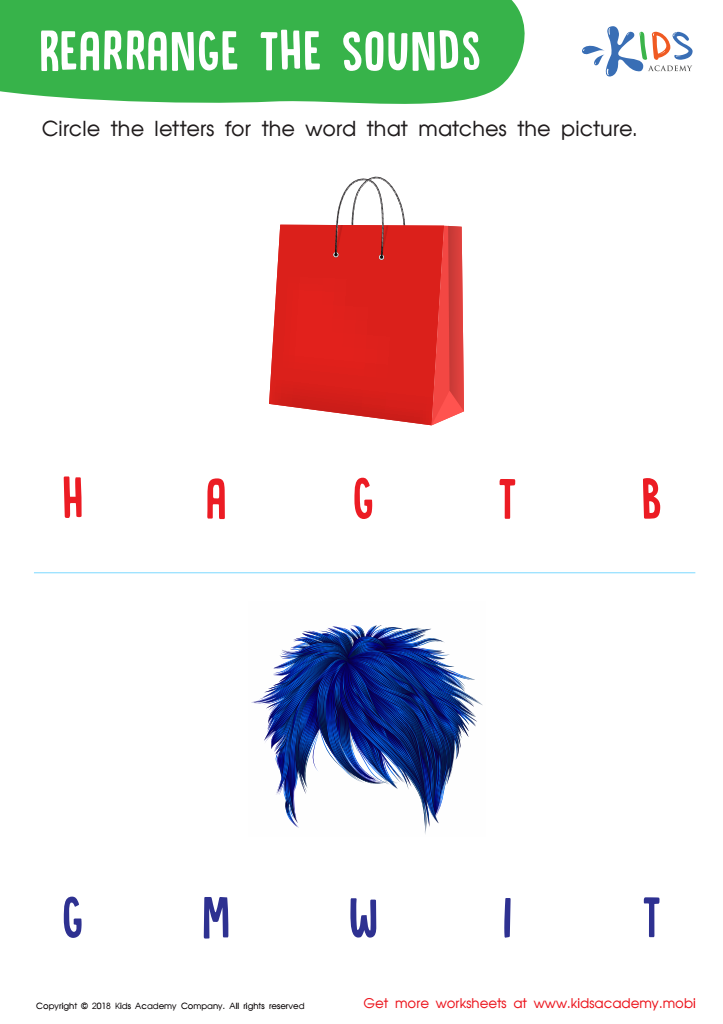
Rearrange the Sounds Worksheet








Reading comprehension and letter recognition are fundamental skills that form the cornerstone of literacy for children aged 3-8. Parents and teachers should care about this developmental milestone because it directly affects a child's academic success and confidence in learning.
At this young age, children are developing essential cognitive abilities, and learning to recognize letters lays the groundwork for reading. Knowing letters allows them to decode words, while comprehension skills enable them to understand and engage with stories, enhancing their vocabulary and critical thinking.
Strong reading comprehension skills foster a lifelong love of reading, promoting better academic performance across subjects. When children struggle with these basics, it can lead to frustration and aversion to learning, hindering their self-esteem and motivation.
Early intervention in developing these skills provides a robust platform for future learning. Parents and teachers can play a vital role through interactive storytelling, phonics activities, and reading together, making learning enjoyable. As children navigate the world of texts, strong reading comprehension and letter recognition empower them to explore ideas, make connections, and articulate their thoughts, ultimately enriching their lives both academically and personally. Prioritizing these skills early ensures a bright, literate future for our children.








