Sound Association Normal Letter Sounds Worksheets for Ages 3-8
16 filtered results
-
From - To
Enhance your child's reading and pronunciation skills with our Sound Association Normal Letter Sounds Worksheets, perfect for ages 3-8. Carefully designed, these worksheets facilitate early learners in recognizing and associating letter sounds effortlessly. Through engaging activities and fun illustrations, youngsters will swiftly master the foundational phonetic skills essential for proficient reading. Ideal for both classroom & at-home learning, our resources ensure a smooth and enjoyable educational journey, fostering confidence and enthusiasm in young readers. Visit www.kidsacademy.mobi and explore a plethora of worksheets that make learning a delightful experience for kids!
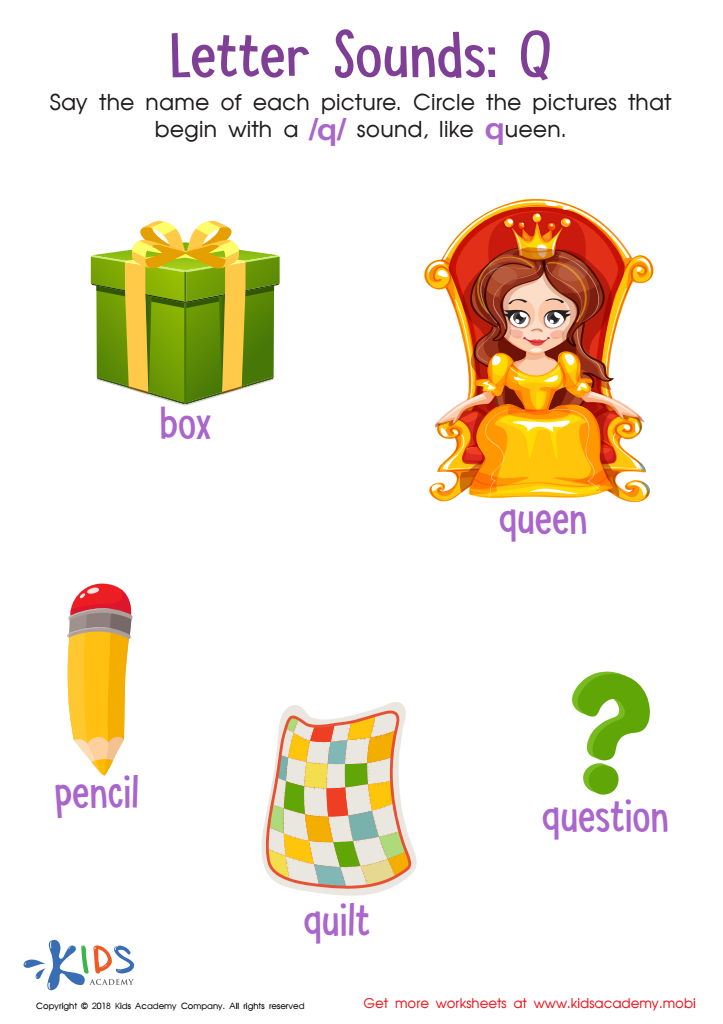
Letter Q Sounds Worksheet
 Assign to My Students
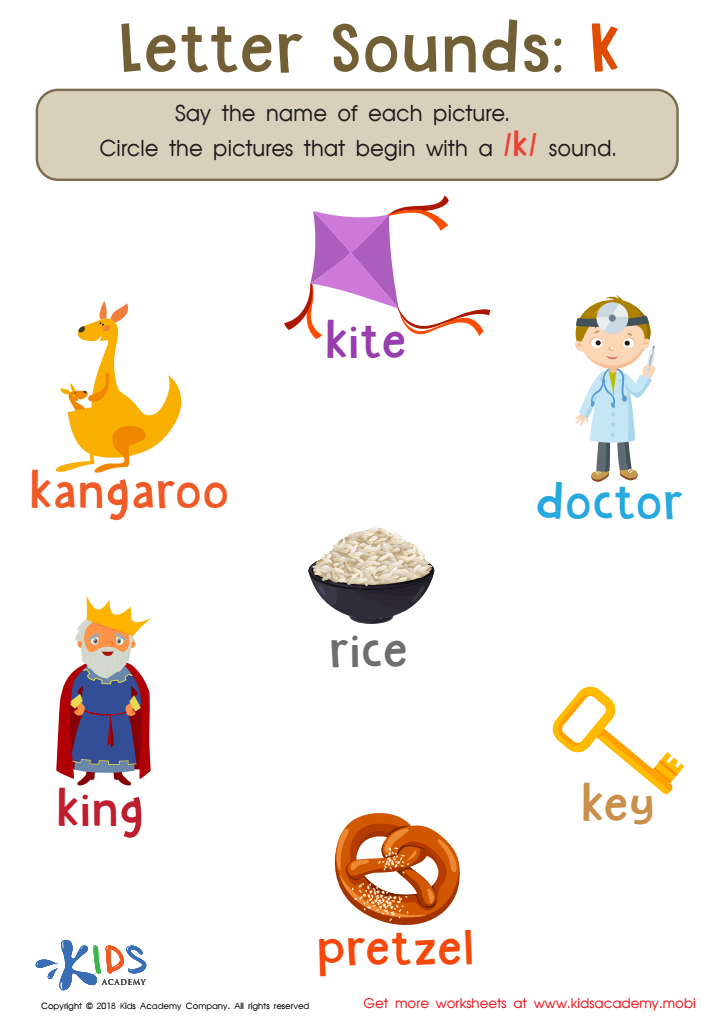
Letter K Sounds Worksheet
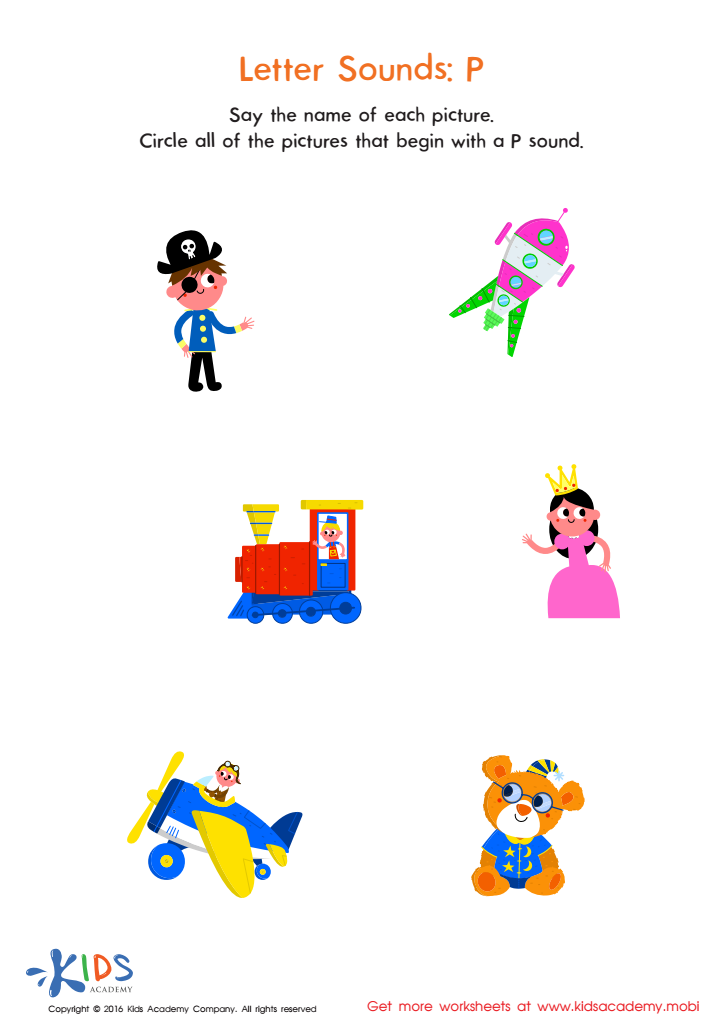
Letter P Sound Worksheet
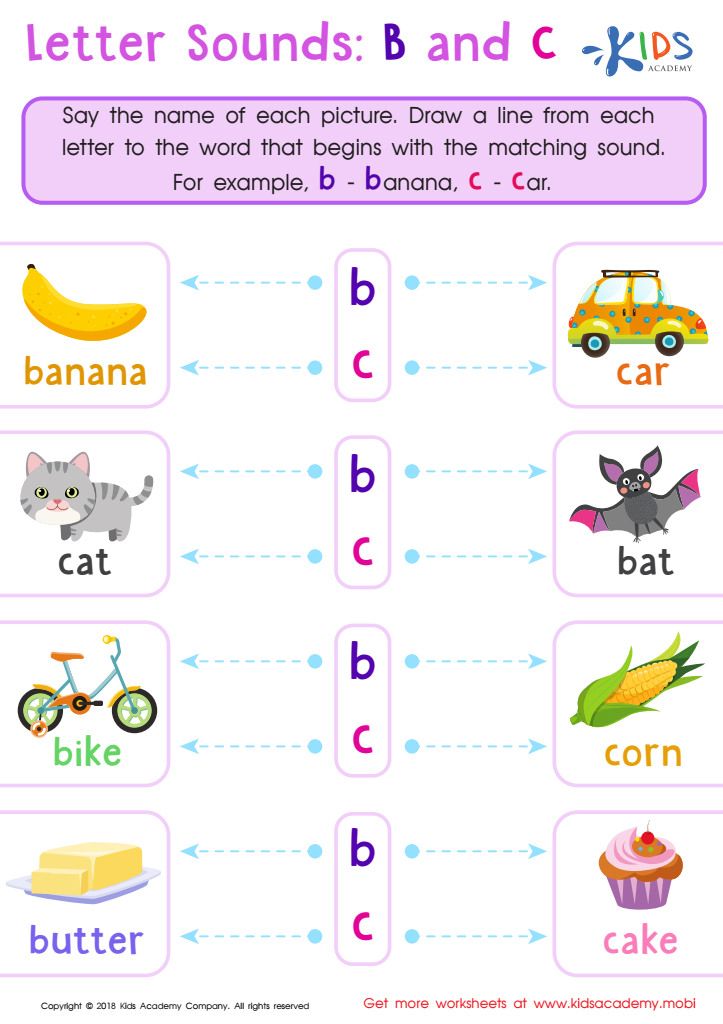
Letter B and C Sounds Worksheet
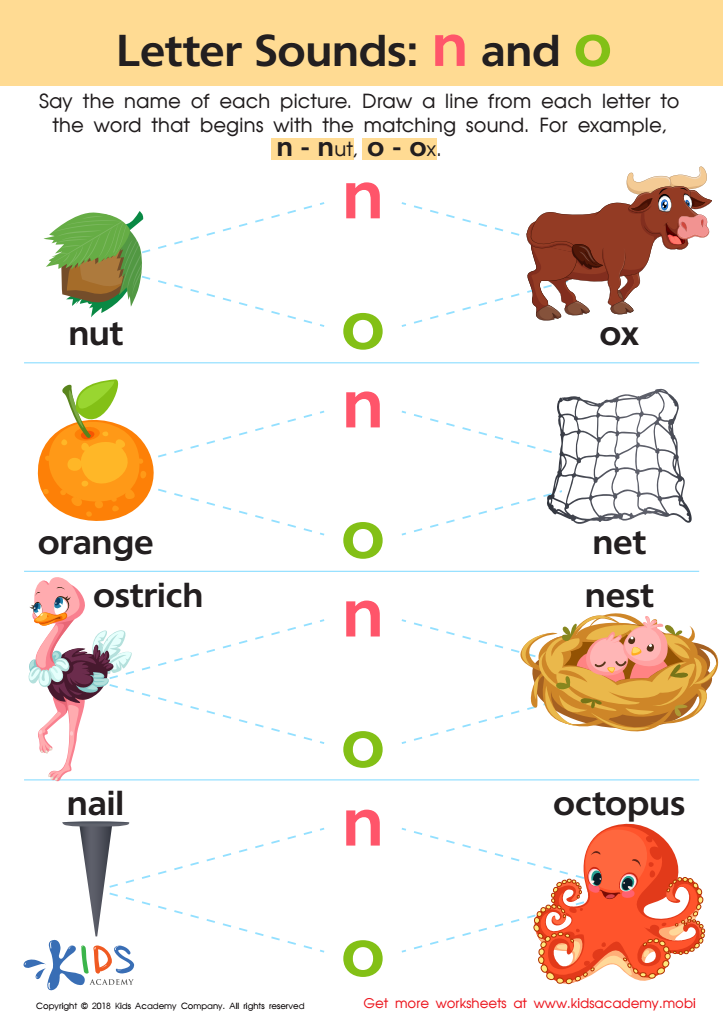
Letter N and O Sounds Worksheet
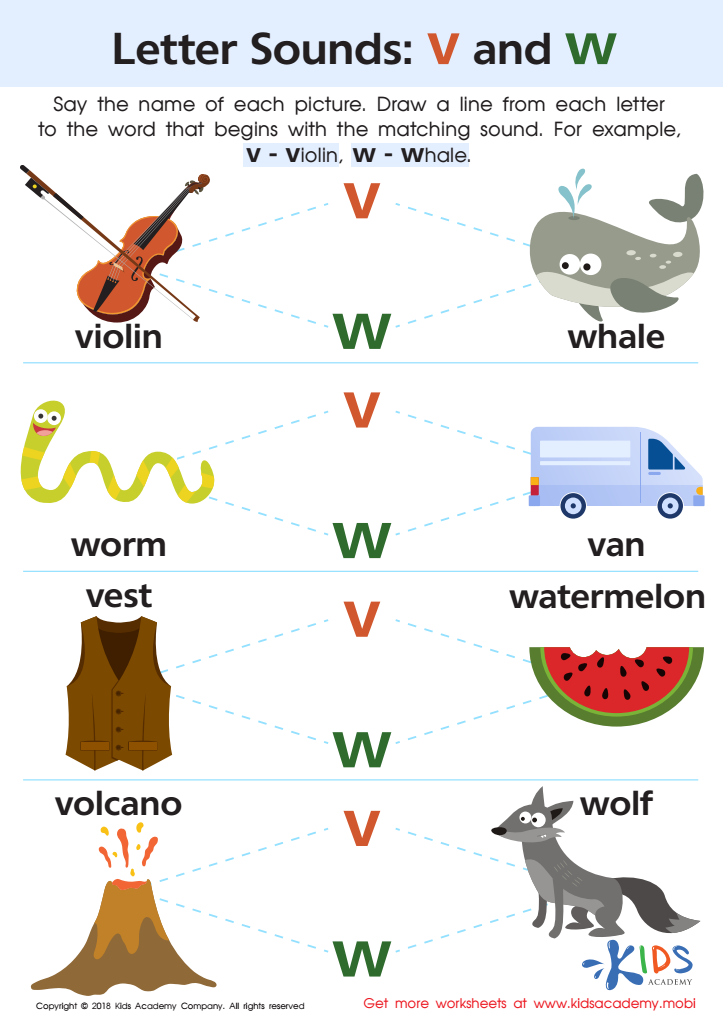
Letter V and W Sounds Worksheet
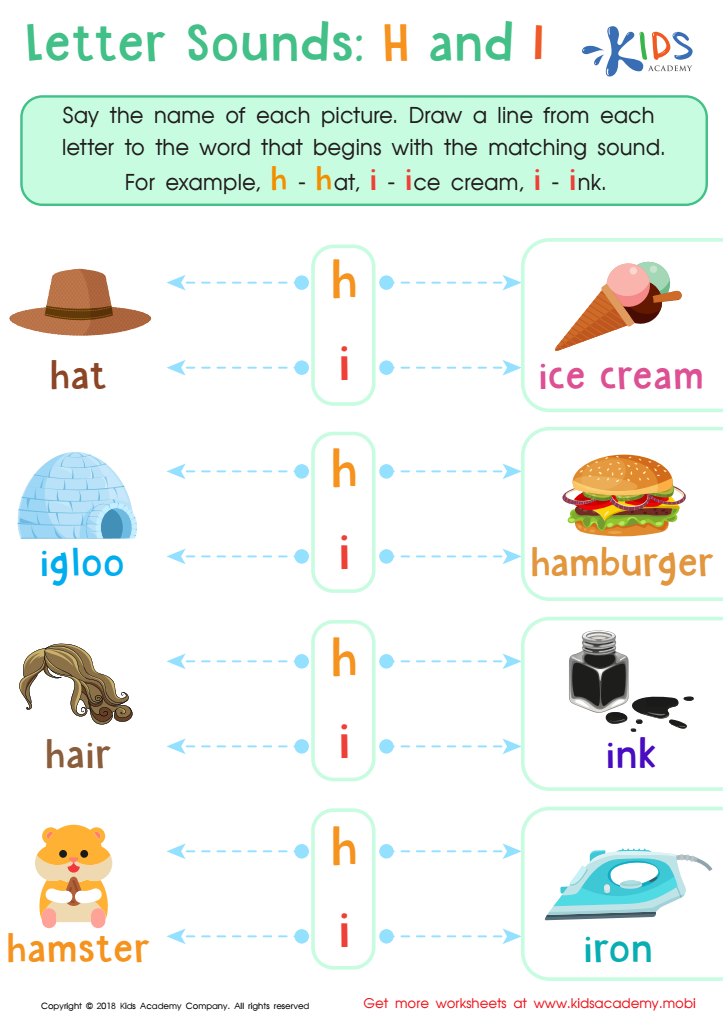
Letter H and I Sounds Worksheet
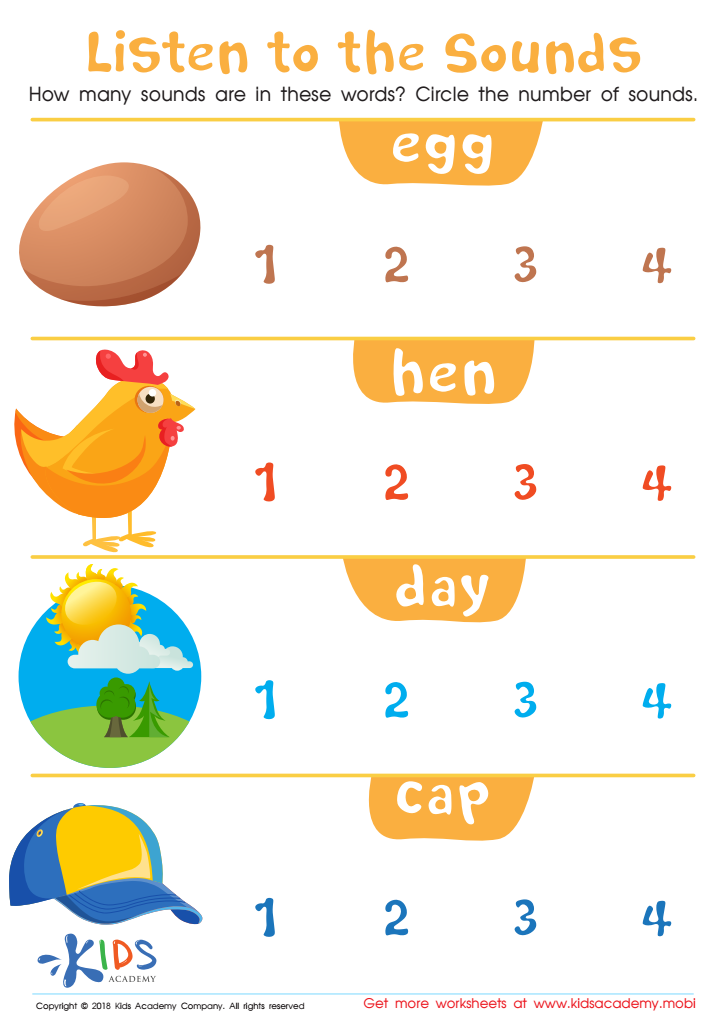
Listen to the Sounds Worksheet
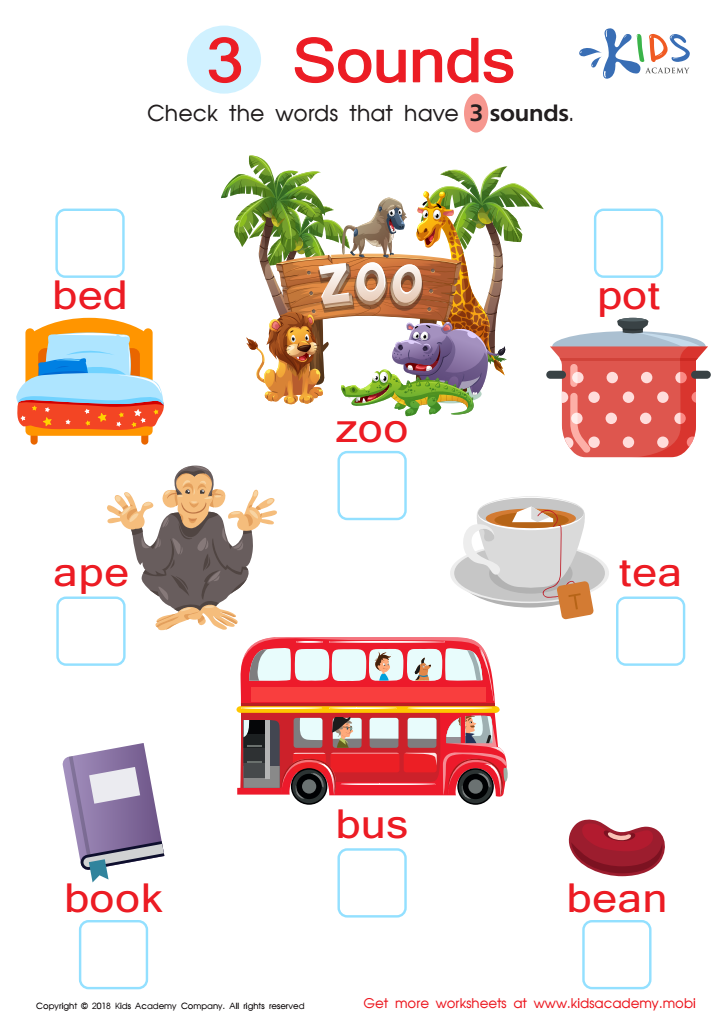
3 Sounds Worksheet
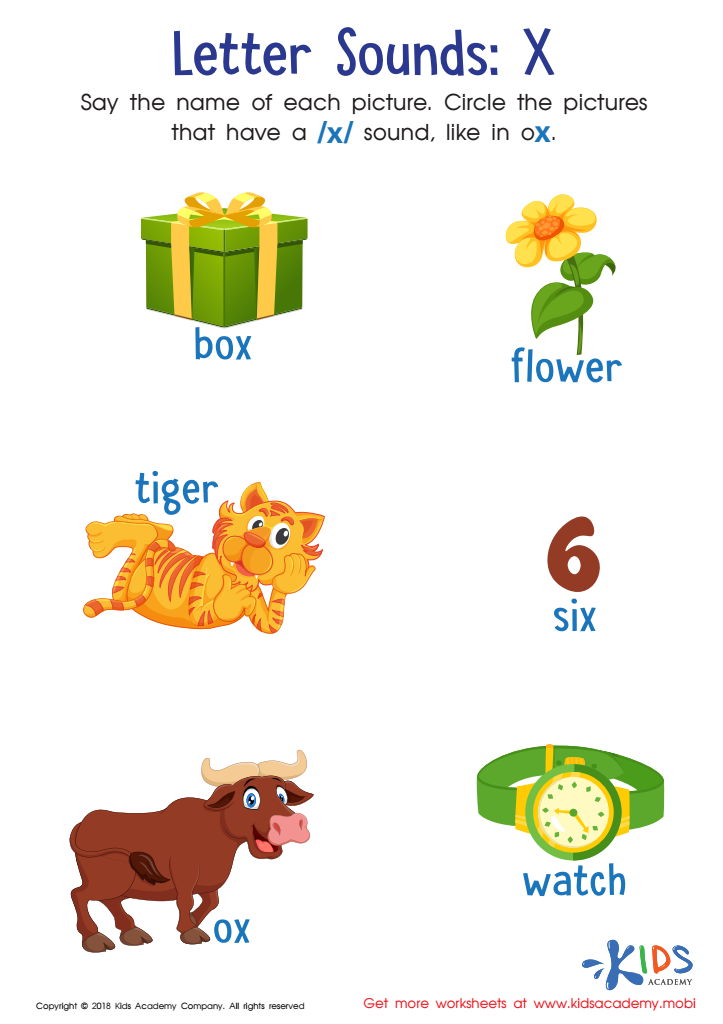
Letter X Sounds Worksheet
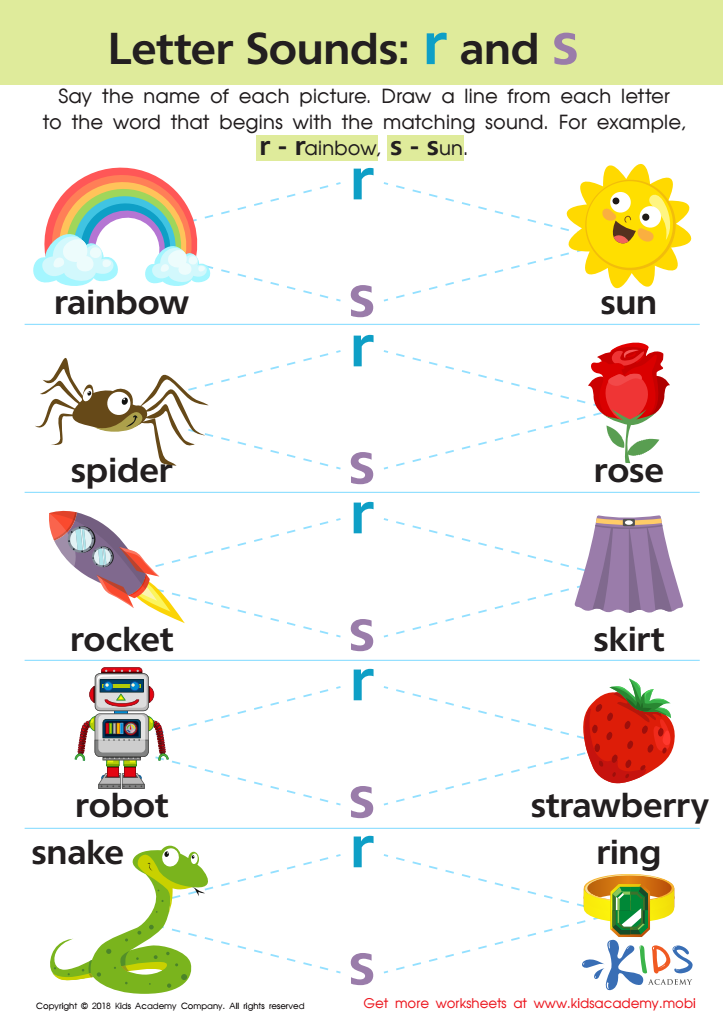
Letter R and S Sounds Worksheet
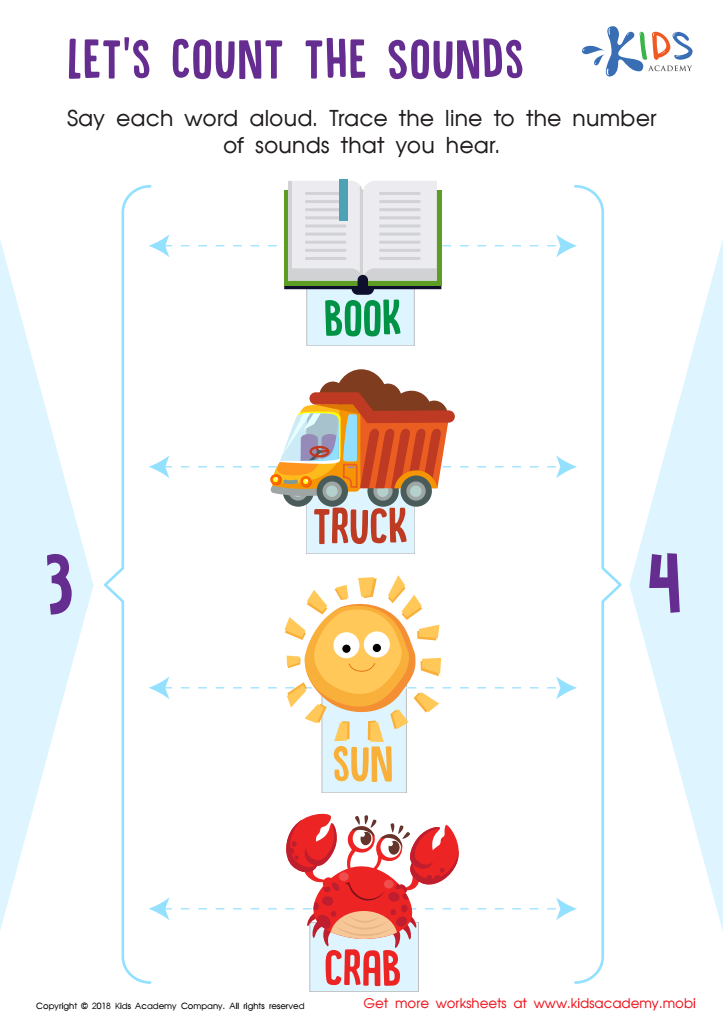
Let's Count the Sounds Worksheet
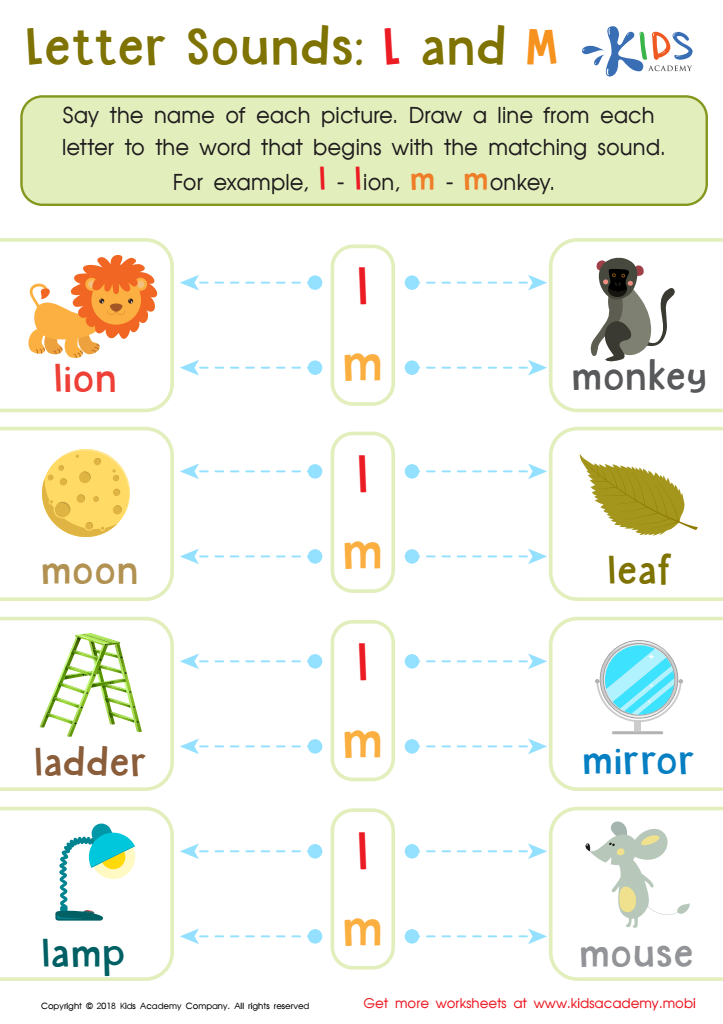
Letter l and M Sounds Worksheet
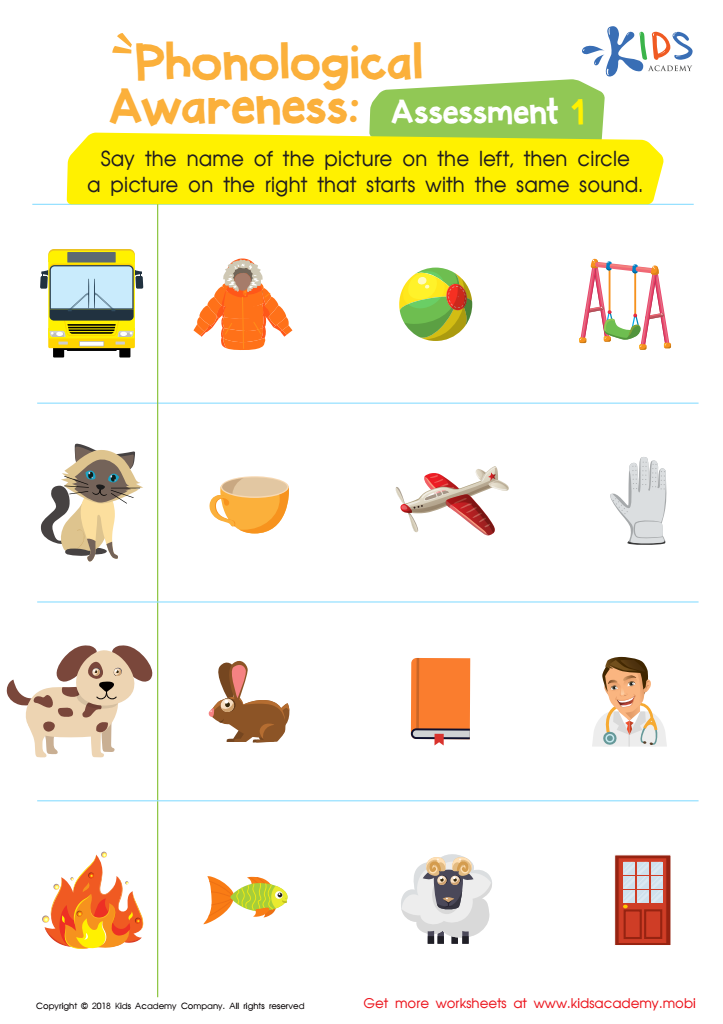
Phonological Awareness: Assessment 1 Worksheet
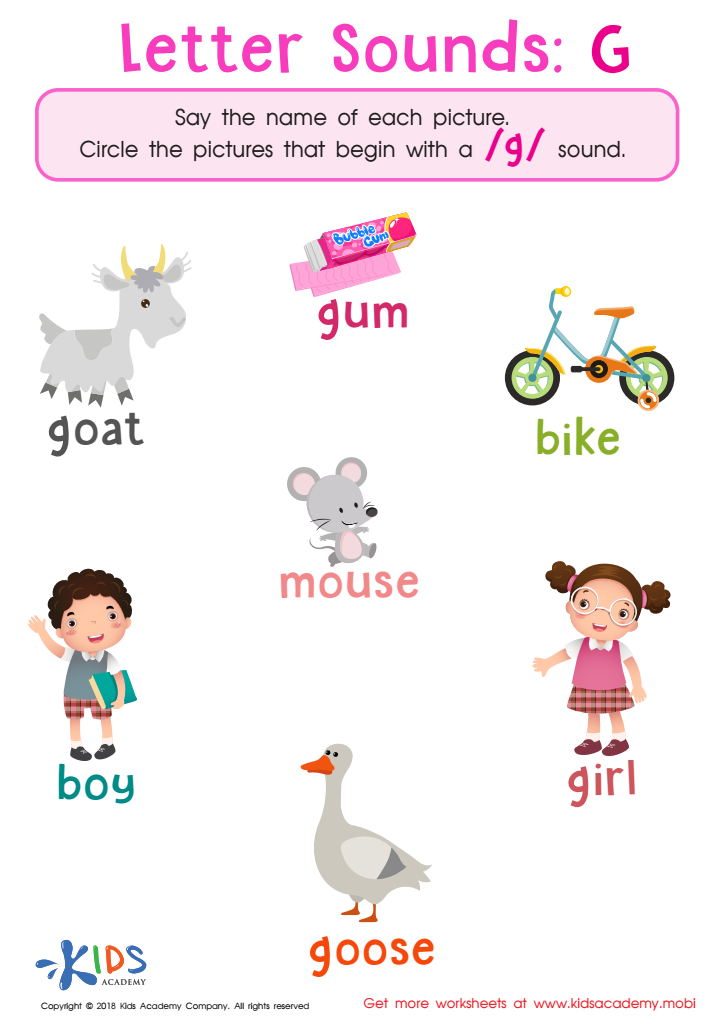
Letter G Sounds Worksheet
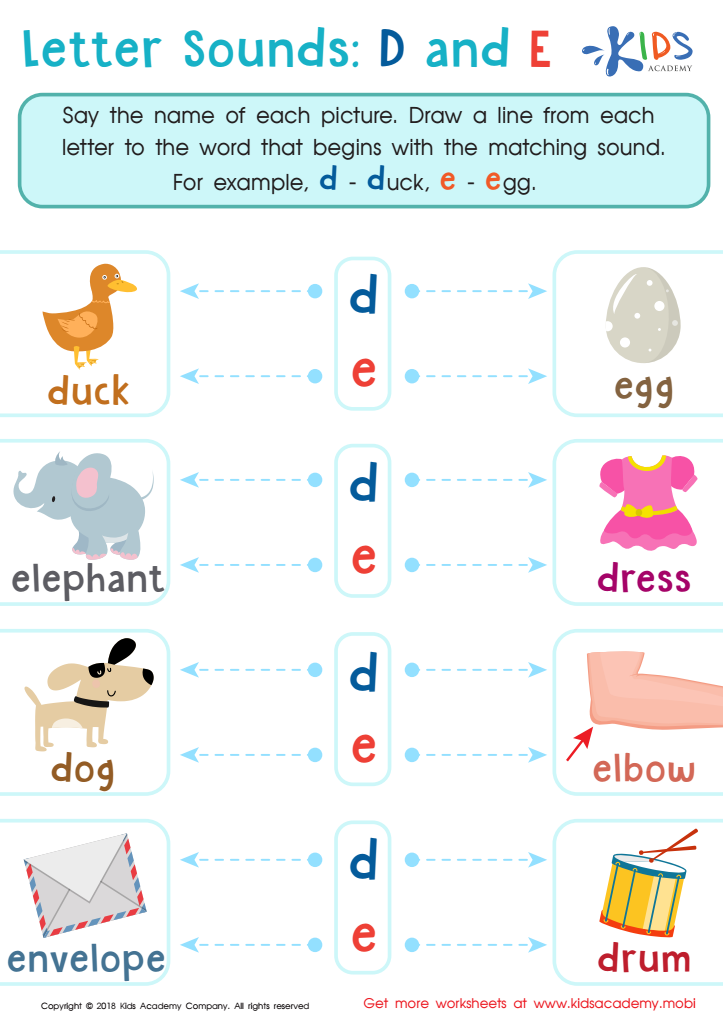
Letter D and E Sounds Worksheet








Understanding sound association with normal letter sounds, or phonics, is crucial for young children ages 3-8 as it serves as the foundational step in effective reading and writing skills. For parents and teachers, investing in this aspect of early education yields long-term educational benefits.
Phonics helps children decode words by linking sounds (phonemes) to letters or groups of letters (graphemes). This skill allows young learners to understand that letters make specific sounds, which can then be combined to form words. Mastery of phonics facilitates reading fluency, as children can quickly recognize familiar words and make educated guesses about unfamiliar ones.
Studies also highlight the correlation between phonics proficiency and literacy rate improvements. Therefore, early phonics education can help prevent future reading difficulties by establishing a strong foundational skill set. Children adept at sound association can better comprehend reading materials, enjoy storytime more, and feel more confident in their learning journey.
For parents, fostering phonics skills means actively aiding their child's cognitive development and academic success. Teachers who emphasize phonics in their curriculum provide an essential scaffold for students’ educational growth, promoting lifelong learning and a love for reading. Therefore, teaching normal letter sounds within this critical age window is a pivotal responsibility with far-reaching benefits.






