Phonics Skills Normal Phonics Worksheets for Ages 3-8 - Page 3
52 filtered results
-
From - To
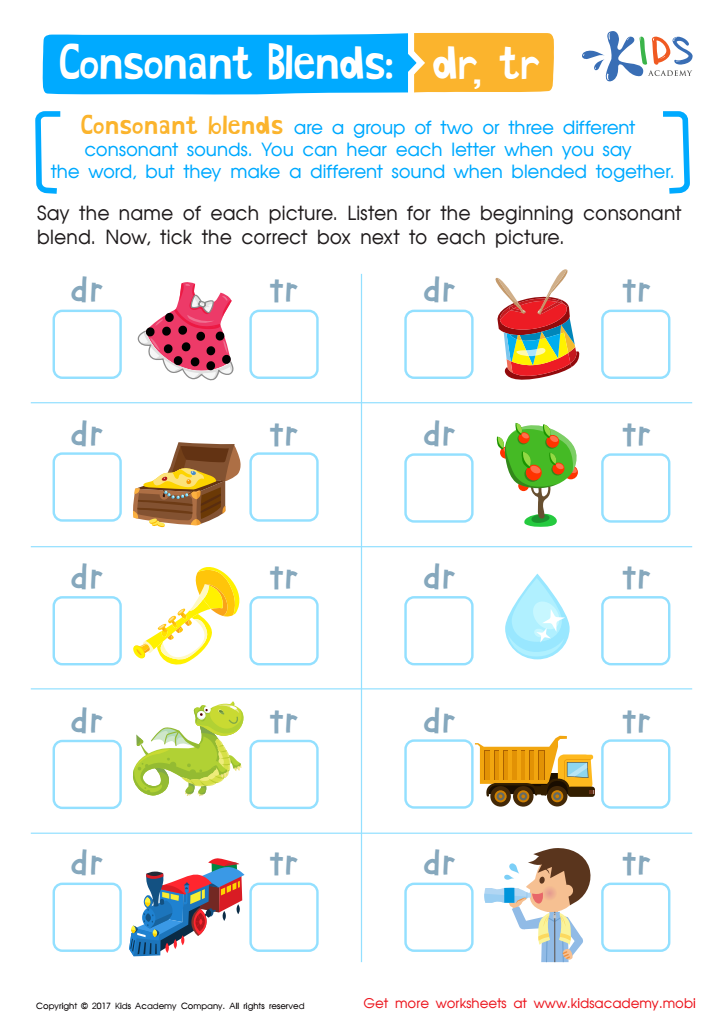
Consonant Blends: "Dr" and "Tr" Printable
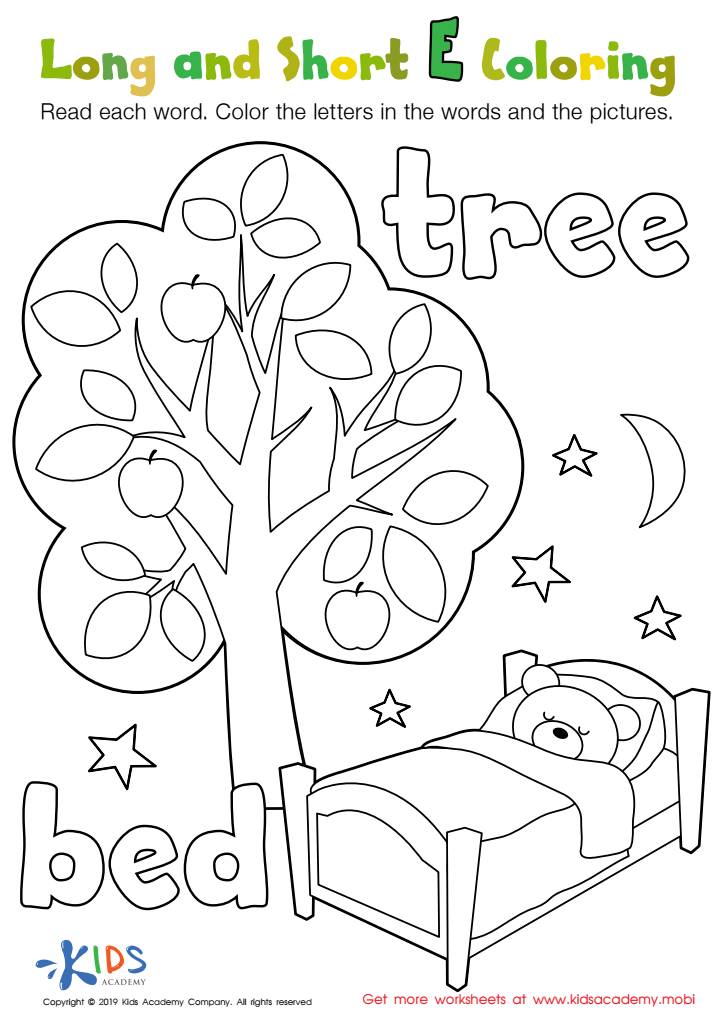
Long and Short E Worksheet
 Assign to My Students
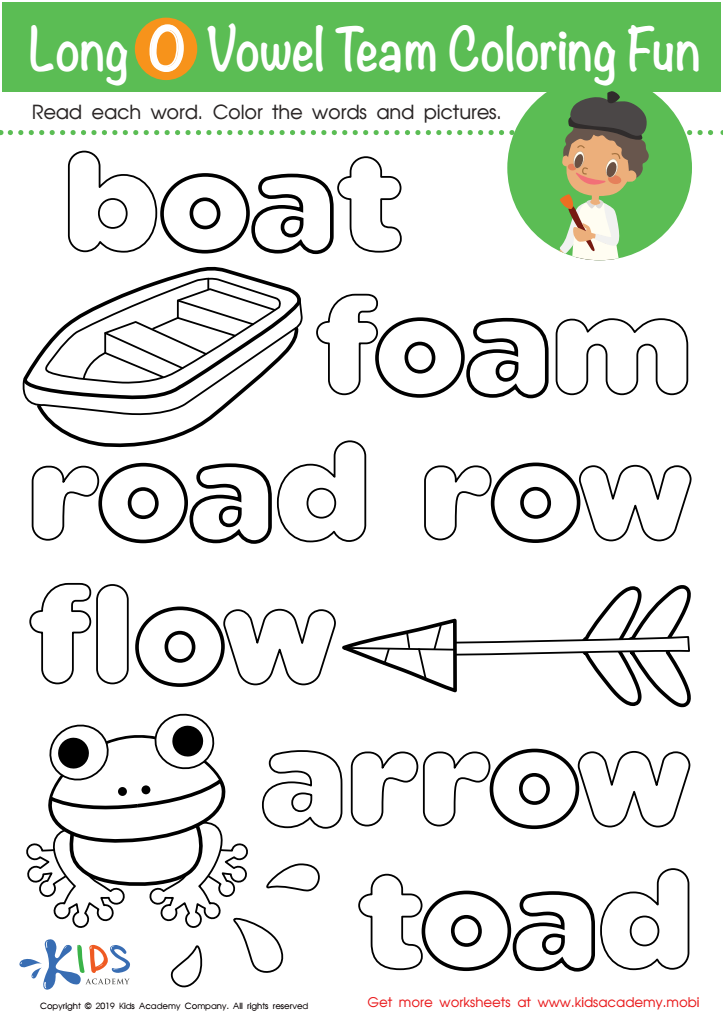
Long O Vowel Team Coloring Worksheet
Assign to My Students
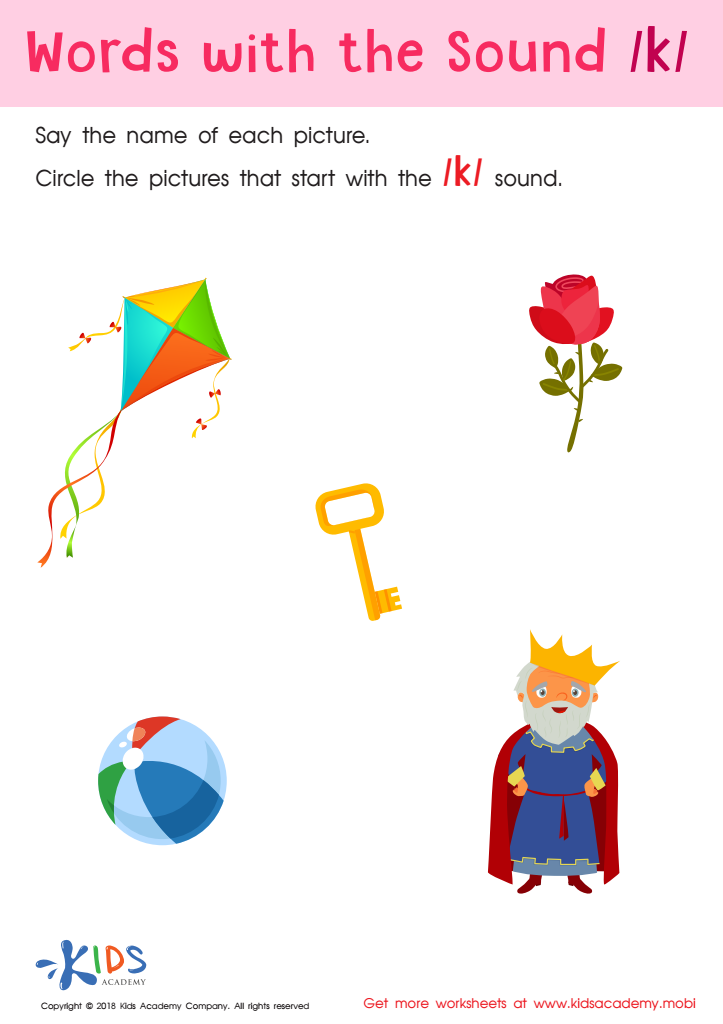
Words with sound k Reading Worksheet








Phonics skills are crucial for young children, typically between the ages of 3-8, as they form the foundational blocks for reading and writing. At this critical developmental stage, children's brains are highly receptive to learning language. Phonics instruction teaches children the relationship between sounds (phonemes) and their corresponding letters or groups of letters (graphemes). By understanding these relationships, children can decode new words, improving their reading fluency and comprehension.
Parents and teachers should prioritize phonics skills because proficient readers are more likely to excel academically across all subjects. Early mastery of phonics not only boosts a child's confidence but also encourages a lifelong love of reading. Additionally, strong phonics skills can prevent future reading difficulties and learning disabilities such as dyslexia.
Moreover, phonics instruction provides a structured approach to literacy that empowers children to become independent learners. This sets a solid groundwork for developing more advanced literacy skills, such as spelling, grammar, and writing.
Lastly, phonics is particularly important in a diverse classroom where children may come from homes where English is not the first language. Phonics provides a common framework that can help bridge language gaps, promoting inclusivity and equal learning opportunities for all students.
In sum, investing time and resources in developing phonics skills in children ages 3-8 is pivotal for their academic success and overall cognitive development.







