Sound recognition Normal Phonics Worksheets for Ages 3-8
11 filtered results
-
From - To
Enhance your child's literacy skills with our Sound Recognition Normal Phonics Worksheets, designed for ages 3-8. These engaging, printable resources help young learners develop their auditory discrimination, listening skills, and phonemic awareness essential for reading. Each worksheet incorporates vibrant illustrations and interactive activities, making learning fun and effective. Children will confidently explore letters, sounds, and words as they engage with phonics through various activities tailored to different learning styles. Perfect for both classroom settings and home learning, our worksheets provide a solid foundation for early reading success. Discover the joy of phonics and support your child’s growth today!
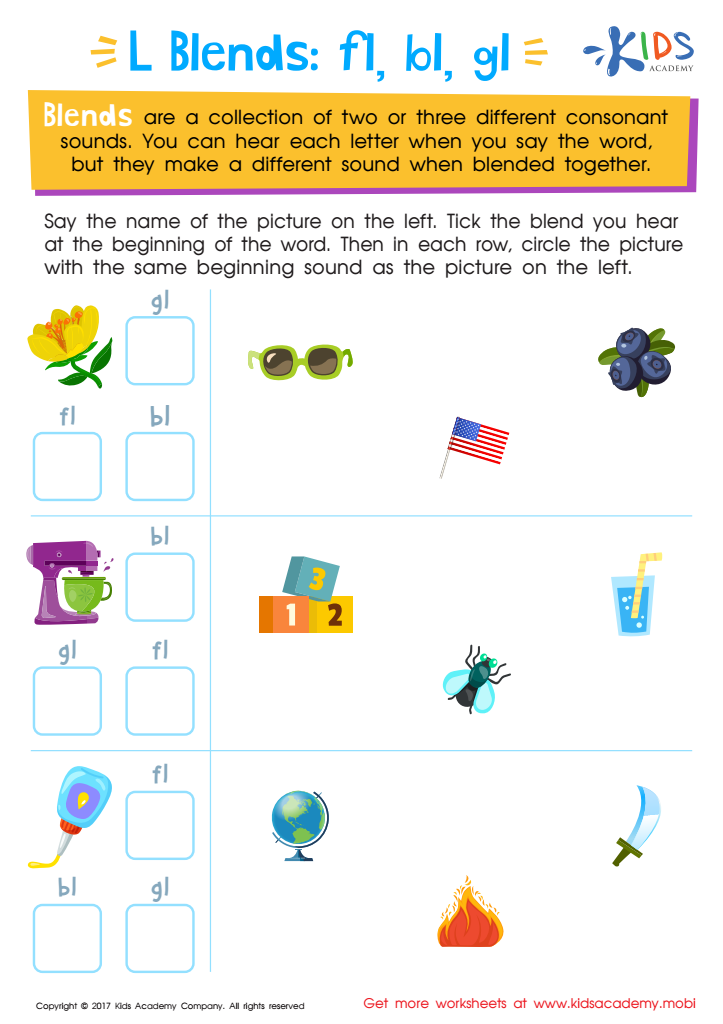
Blending Consonants: "Fl", "Bl" and "Gl" Printable
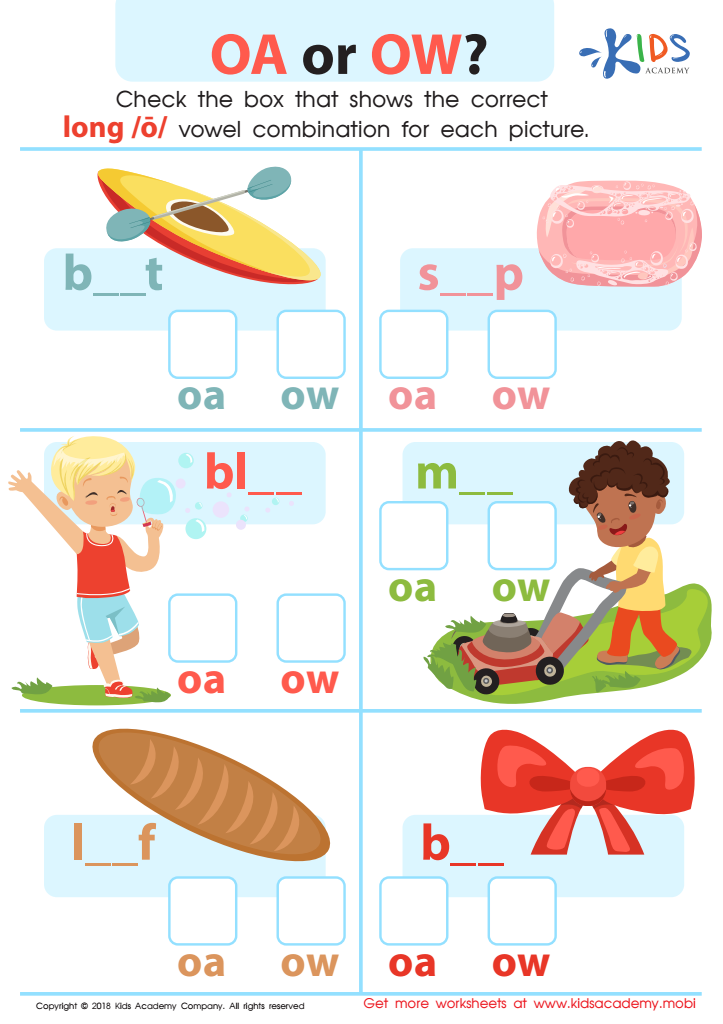
Reading: OA or OW Worksheet
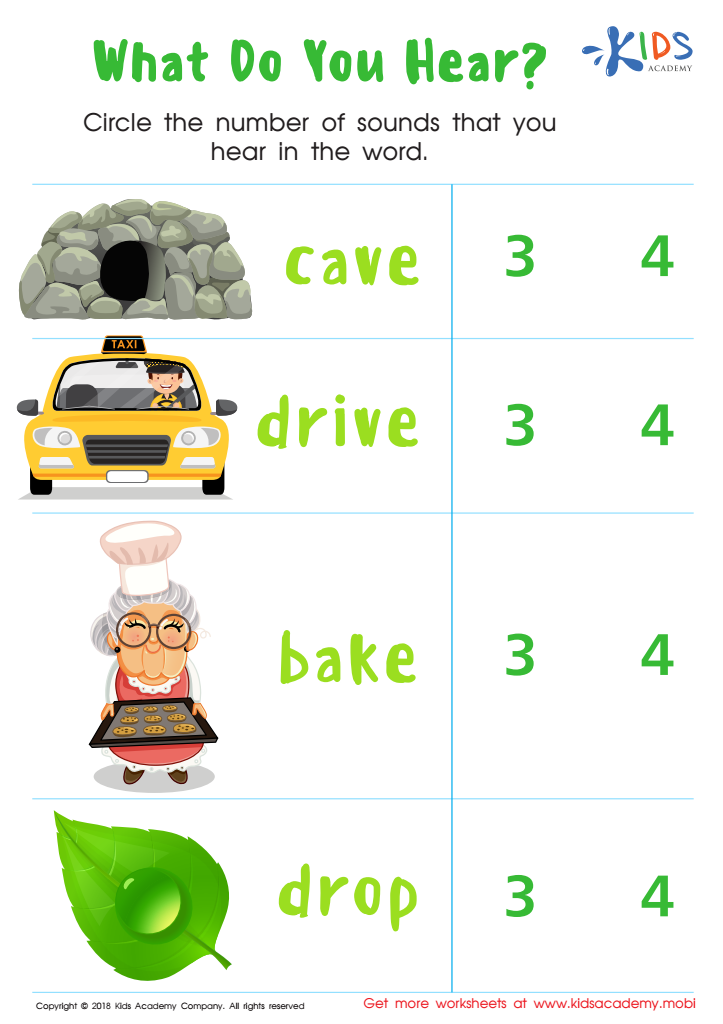
What Do You Hear? Worksheet
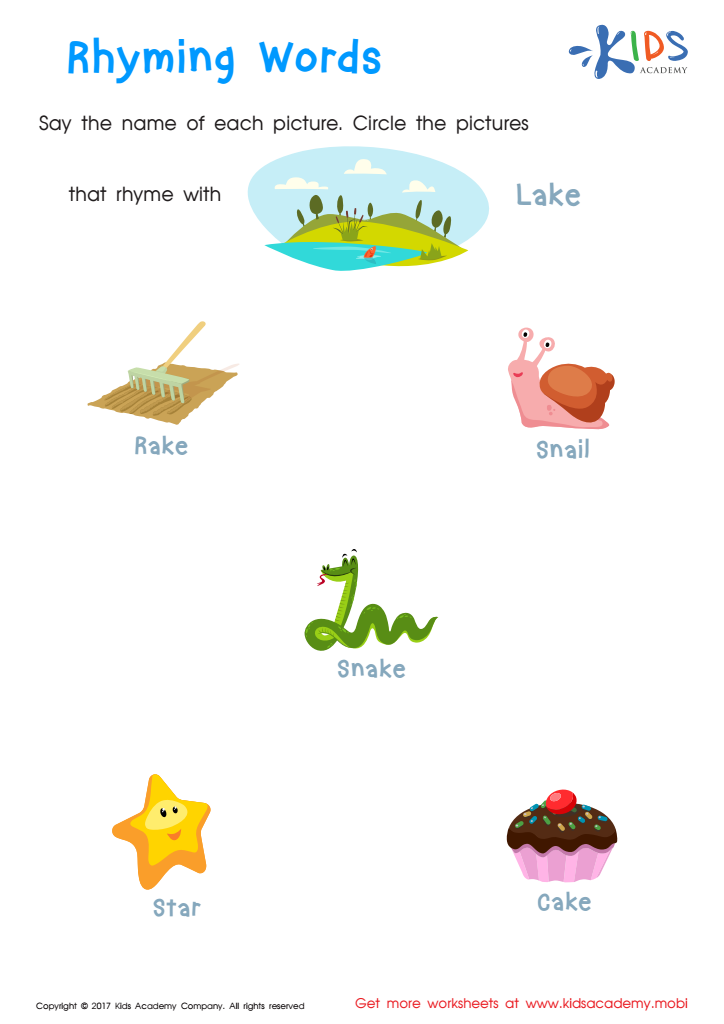
Rhyming Words Rhyming Worksheet
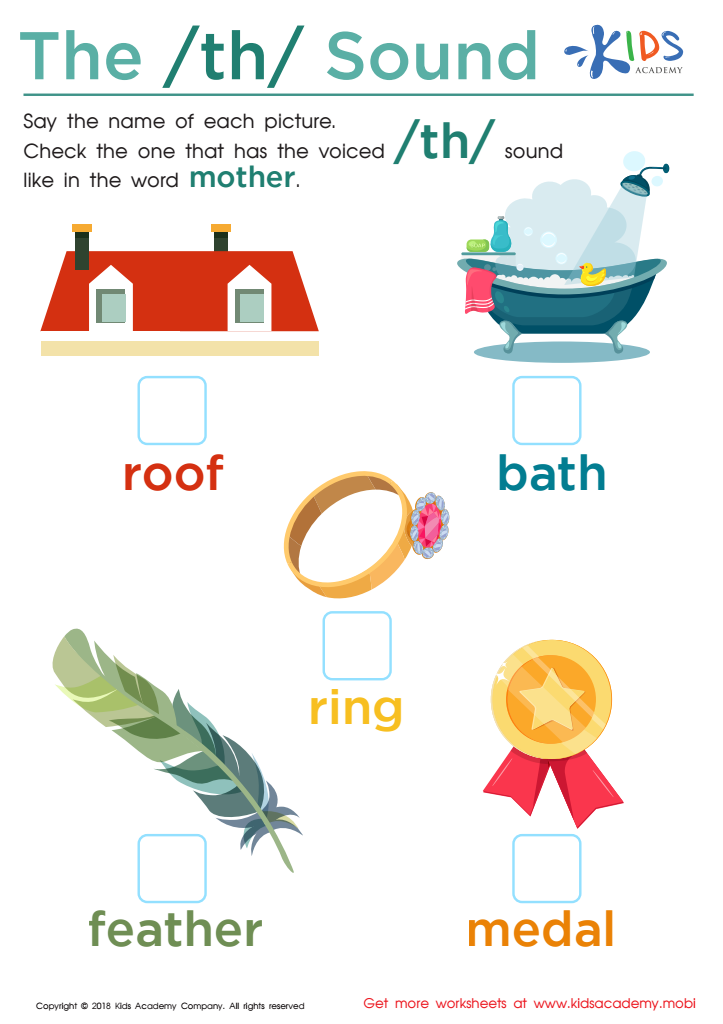
The /th/ Sound Worksheet

Long and Short U Worksheet
 Assign to My Students
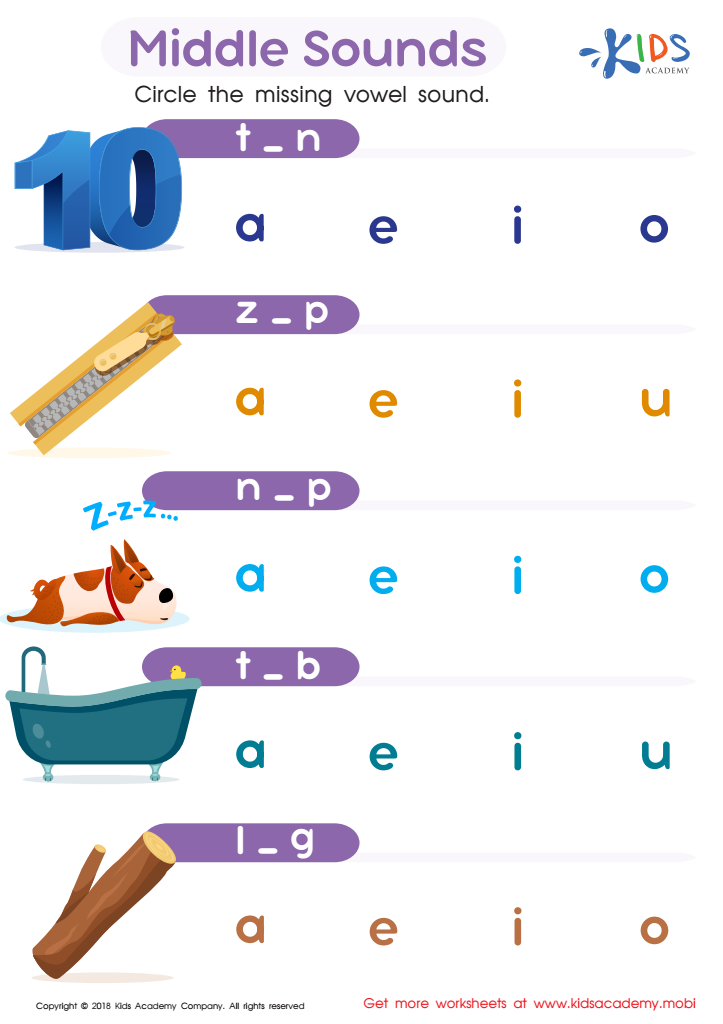
Middle Sounds Worksheet
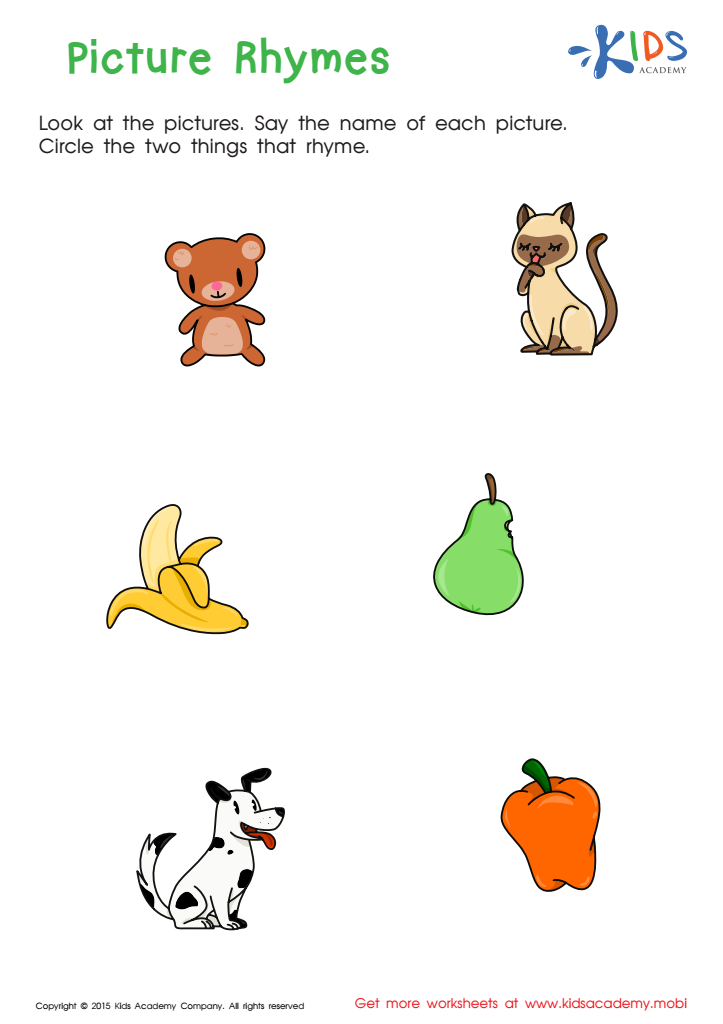
First Words: Picture Rhymes Worksheet
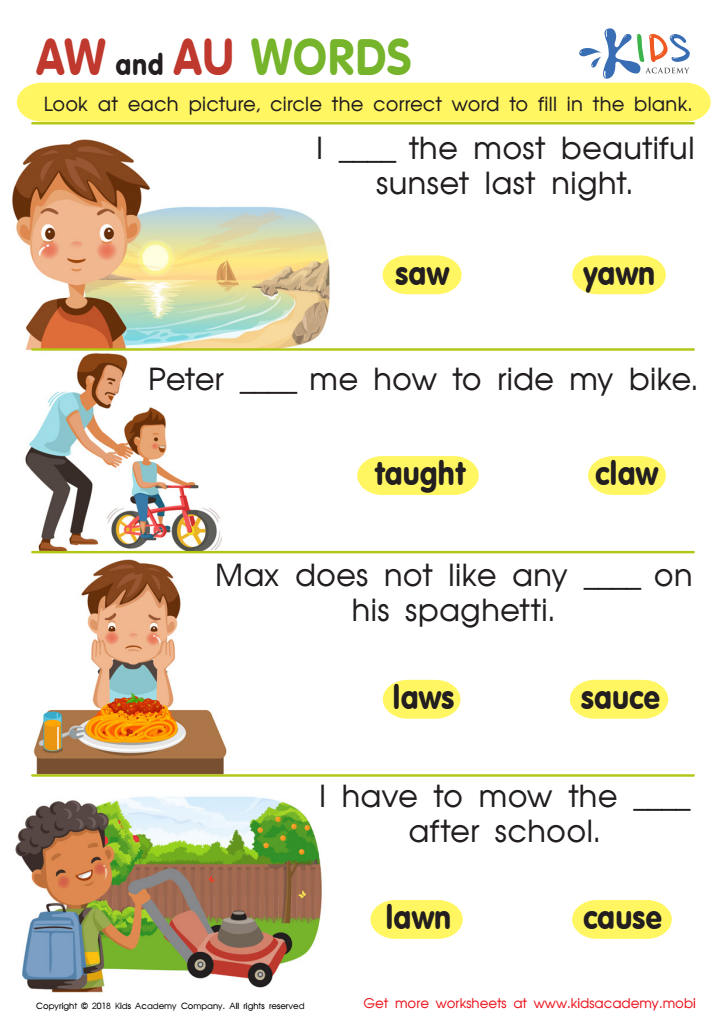
Reading: AW and AU Words Worksheet
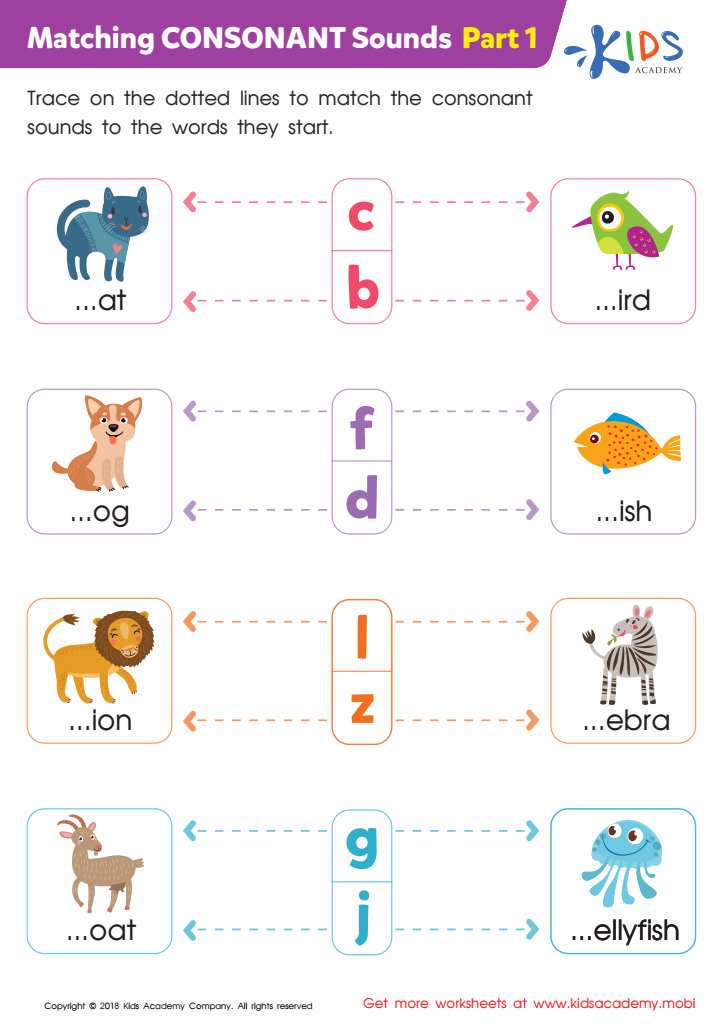
Matching Consonant Sounds: Part 1 Worksheet
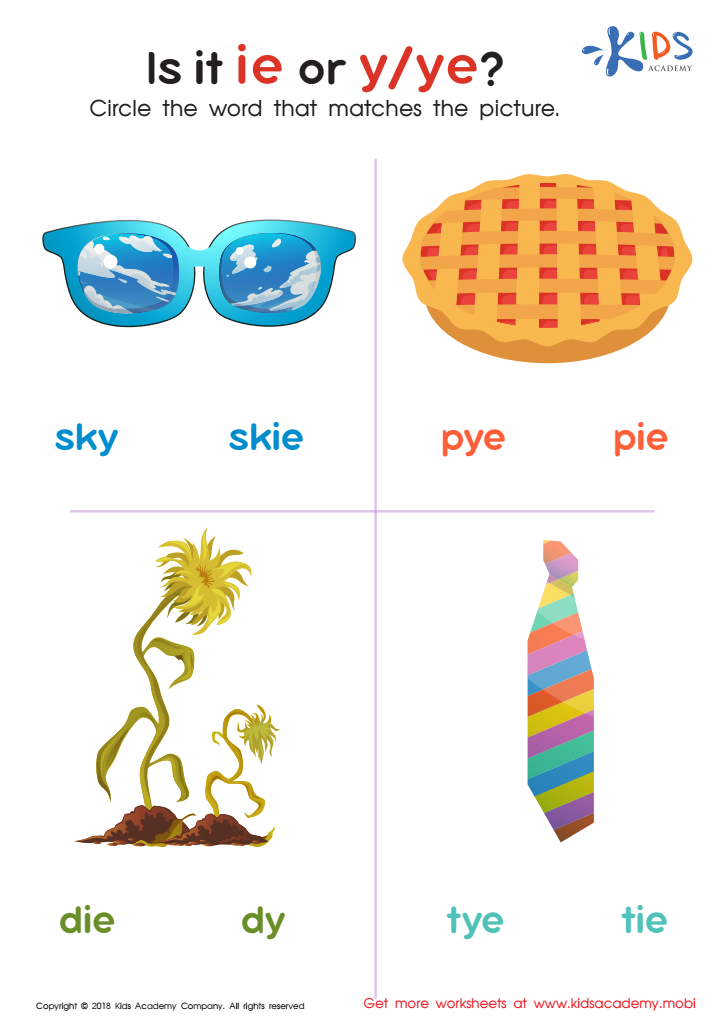
Is It IE or Y/Ye? Worksheet








Sound recognition and phonics are foundational skills in early literacy development for children aged 3-8. Understanding how sounds work in language is crucial for helping young learners recognize letters, decode words, and ultimately become proficient readers. Parents and teachers should care about sound recognition normal phonics because these skills foster a love for reading and pave the way for academic success.
At this age, children are incredibly receptive to auditory cues. Focusing on sound recognition enables them to distinguish verbal sounds, which is essential for naming letters and sounds— a primary step in phonics. By engaging children in activities centered around phonemic awareness, such as rhyming games or sound-matching, educators and parents can cultivate stronger language skills and enhance vocabulary.
Moreover, strong phonics abilities lead to improved reading fluency, comprehension, and confidence in early readers. An early mastery of these skills can counteract later reading difficulties, encouraging a positive attitude towards learning. Teachers and parents working collaboratively to emphasize sound recognition and phonics will give children the best opportunity to thrive in their educational journey, making reading a joyful experience that enriches their lives beyond the classroom.







