Alphabet Recognition Normal Tracing Letters Worksheets for Ages 3-8
21 filtered results
-
From - To
Our "Alphabet Recognition Normal Tracing Letters Worksheets for Ages 3-8" are designed to make learning letters engaging and effective for young children. These carefully crafted worksheets support early literacy by combining fun tracing exercises with visual and interactive elements. By repeatedly tracing each letter, kids enhance their fine motor skills while solidifying their understanding of letter shapes and alphabetical order. Ideal for preschoolers, kindergarteners, and early elementary students, these worksheets are a perfect tool for teachers and parents aiming to foster a strong foundation in reading. Boost your child's confidence in alphabet recognition with these educational and enjoyable worksheets!
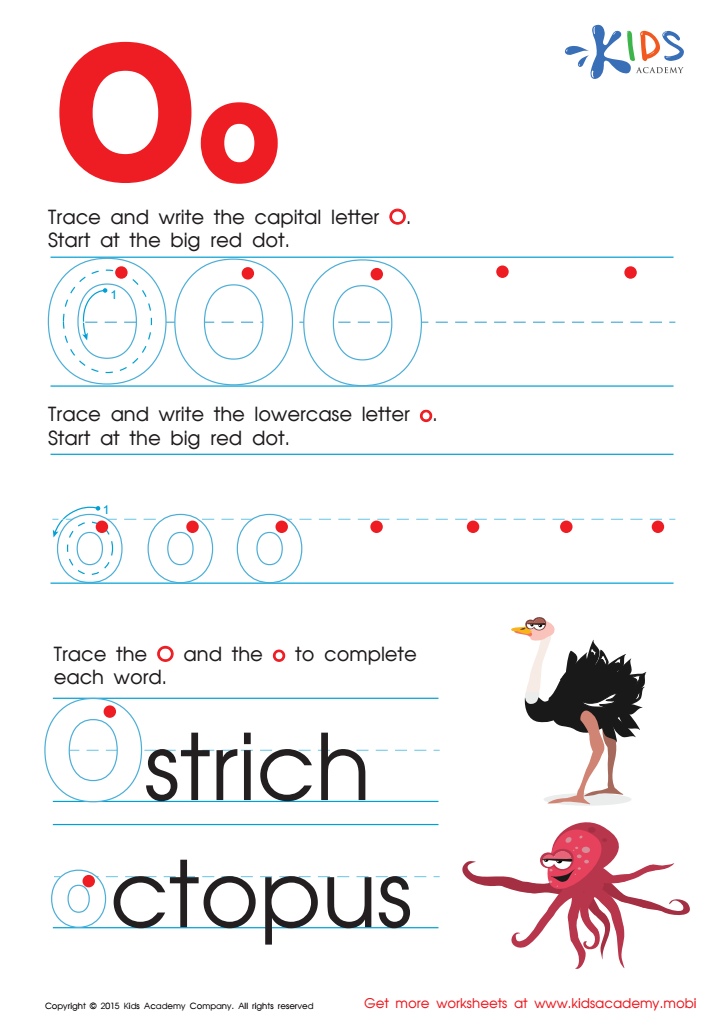
Letter O Tracing Page
 Assign to My Students
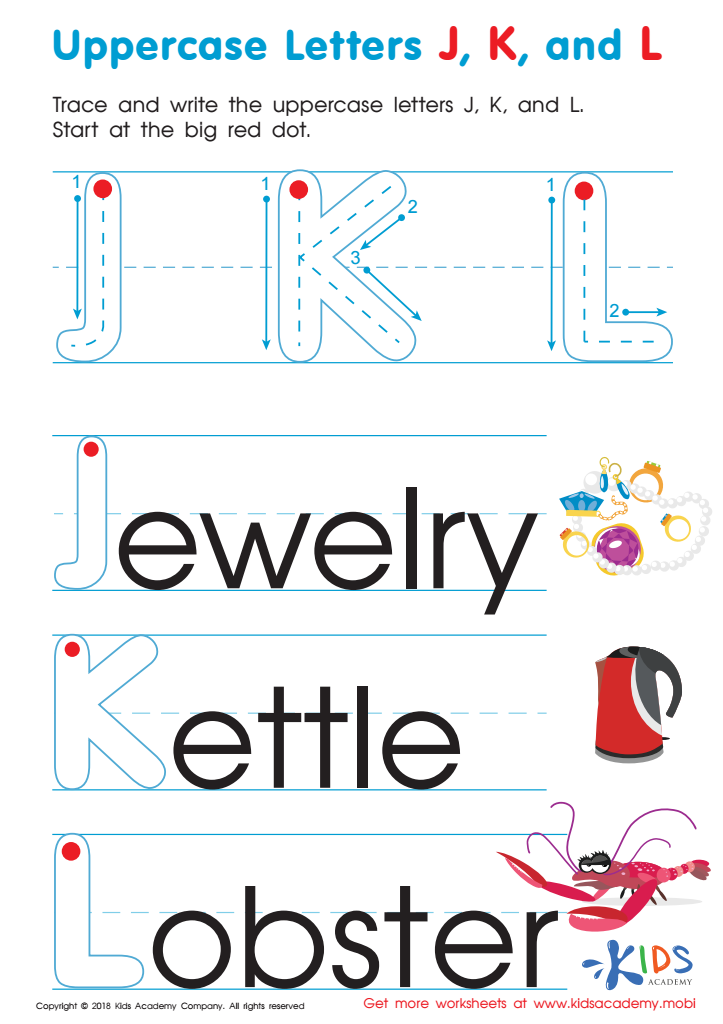
Uppercase Letters J, K, and L Worksheet
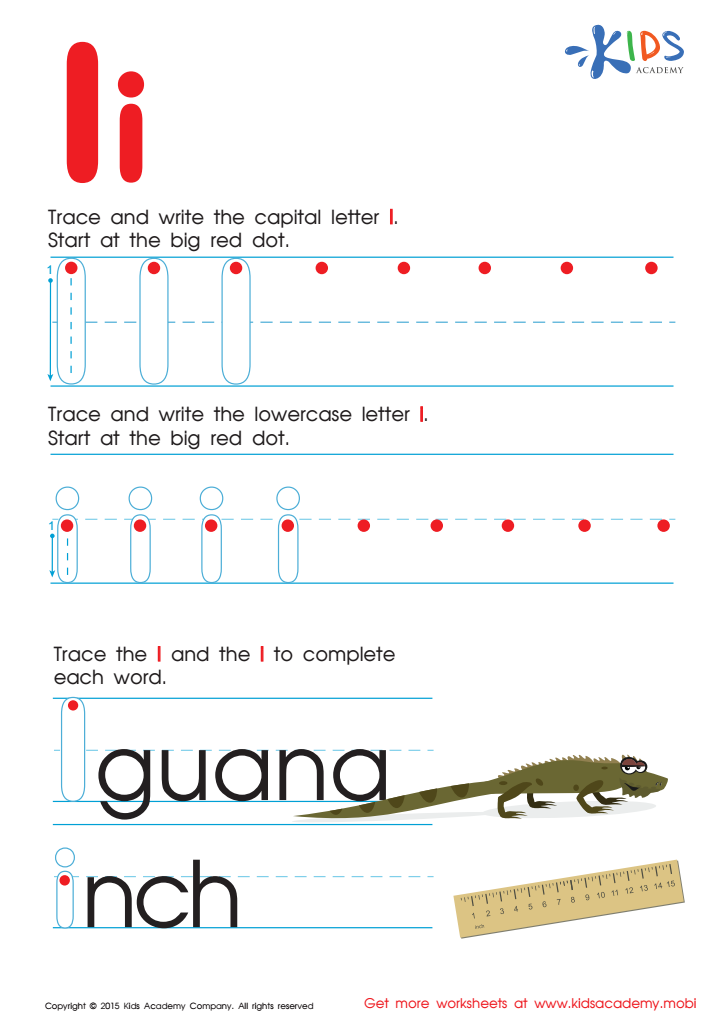
Letter I Tracing Page
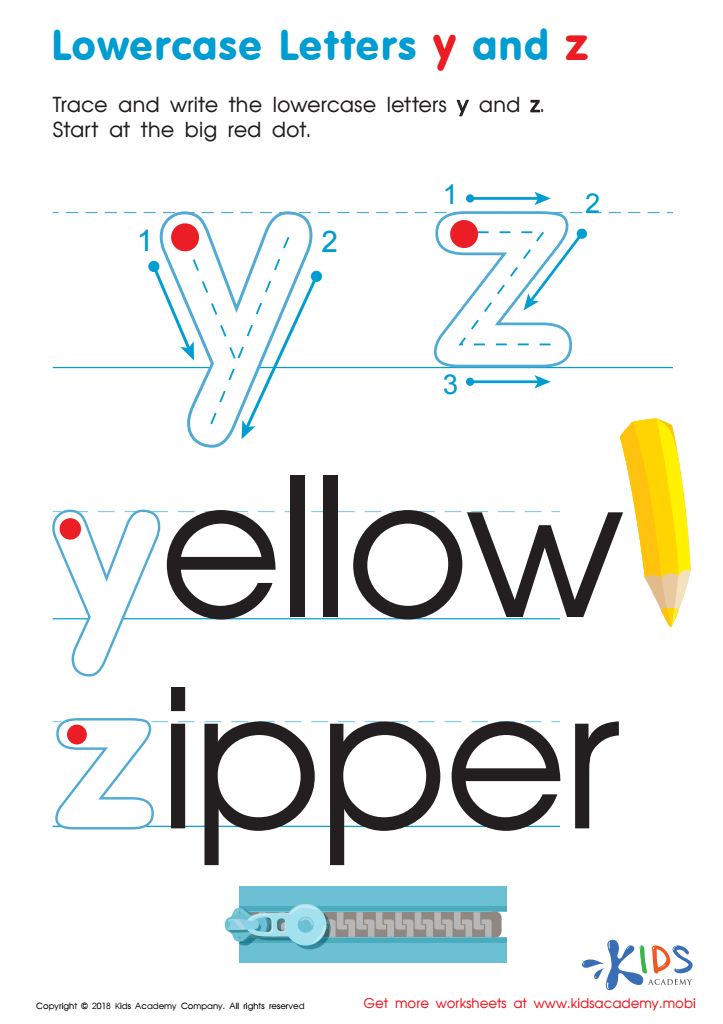
Lowercase Letters y z Worksheet
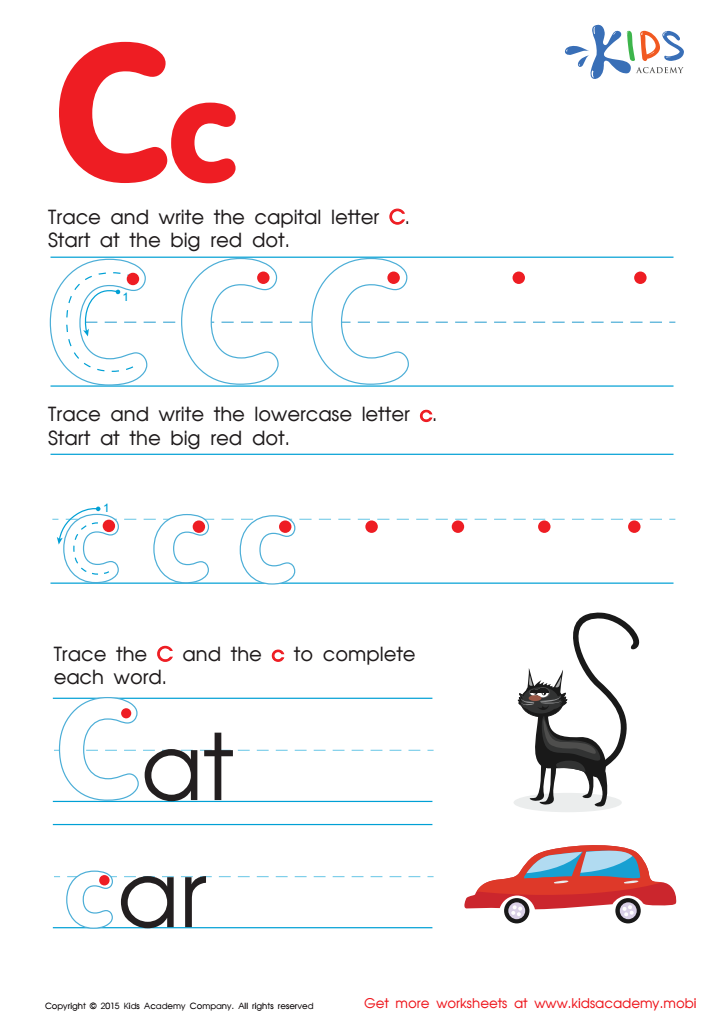
Letter C Tracing Page
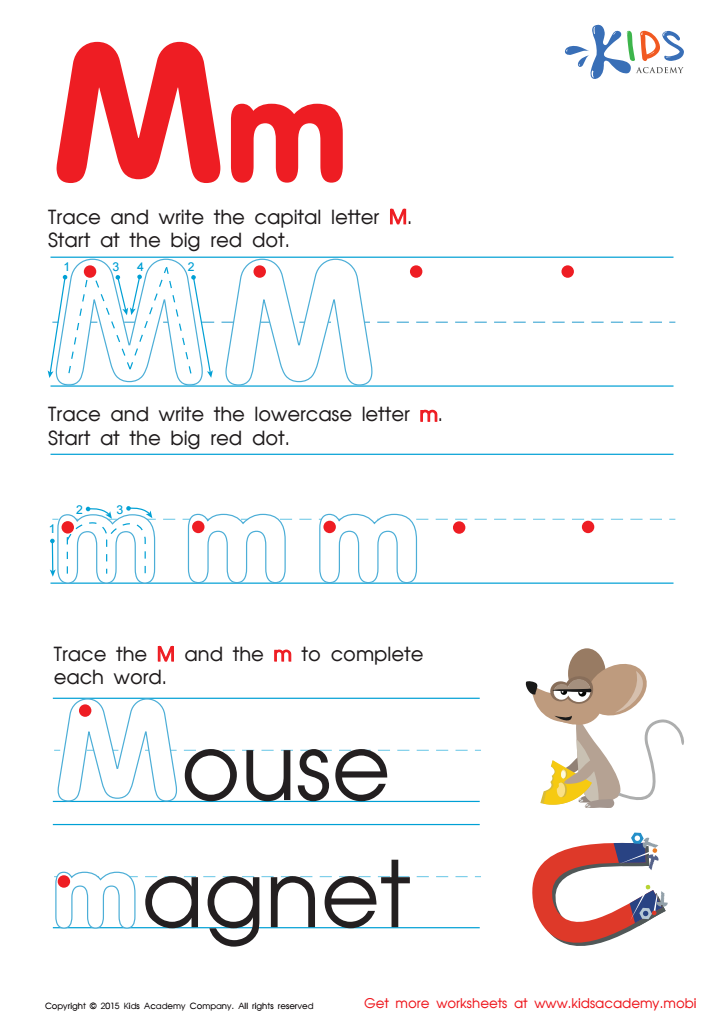
Letter M Tracing Page
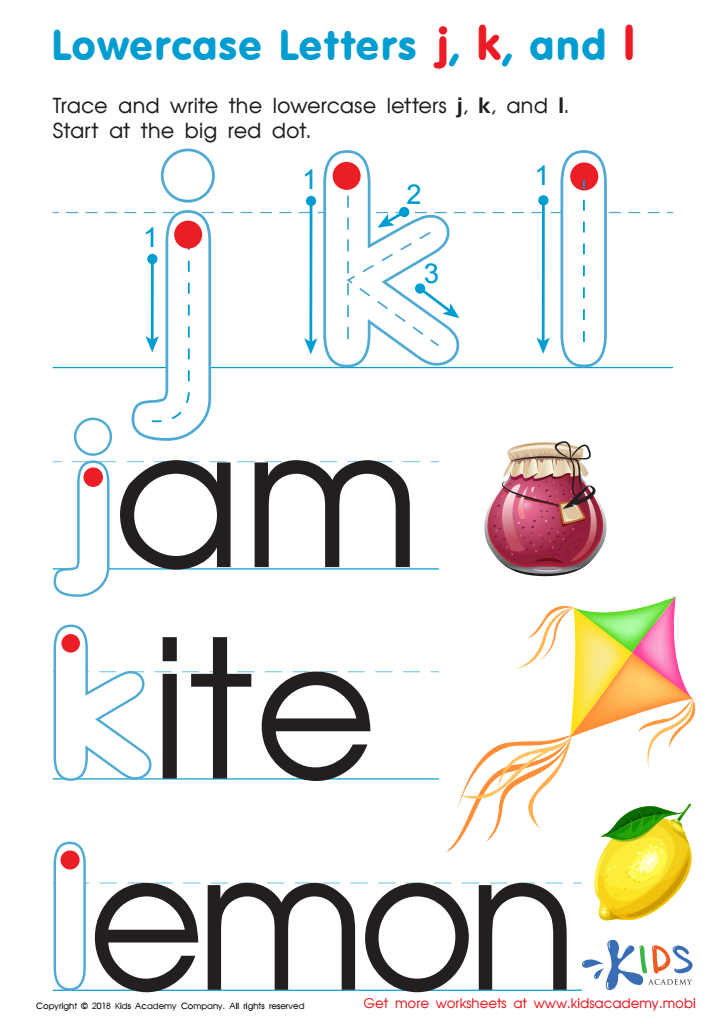
Lowercase Letters j k l Worksheet
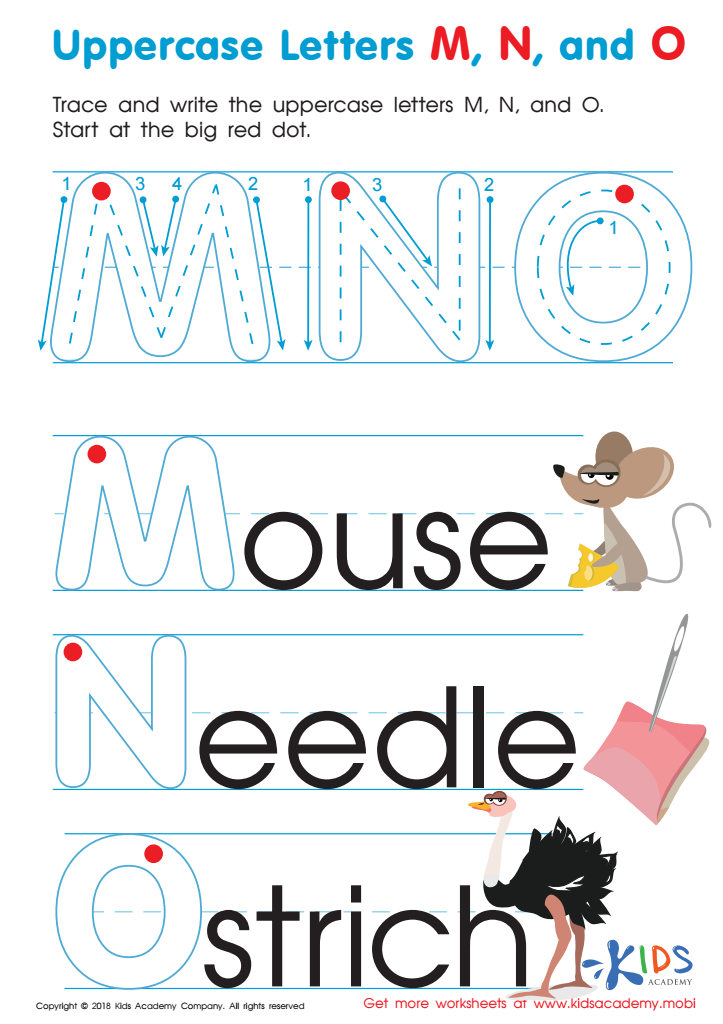
Uppercase Letters M, N, and O Worksheet
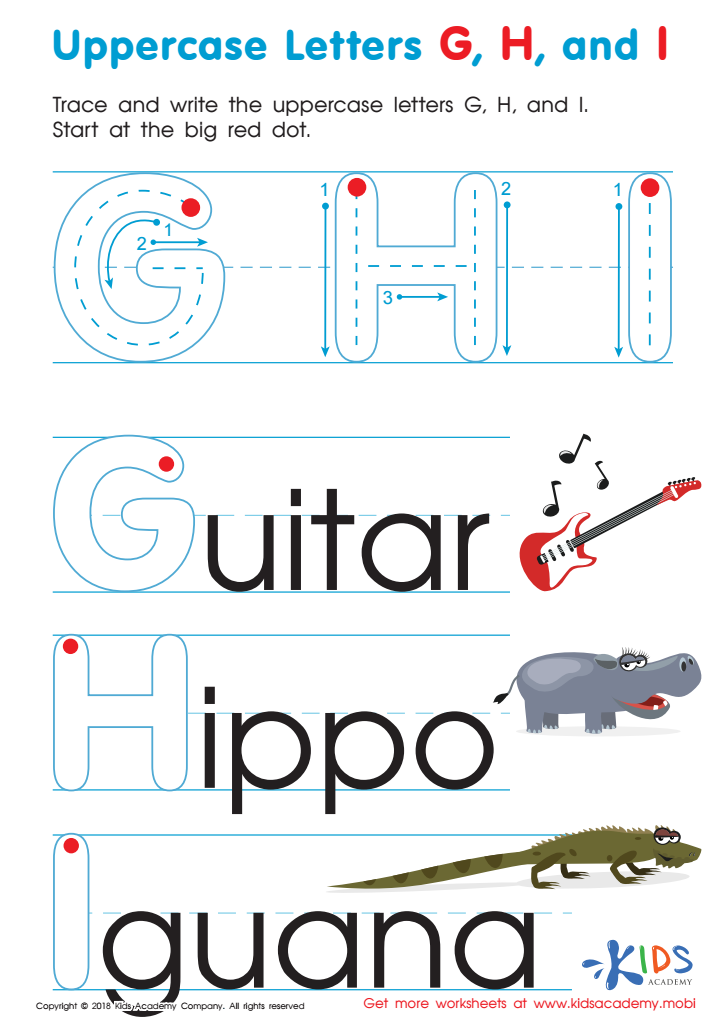
Uppercase Letters G, H, and I Worksheet
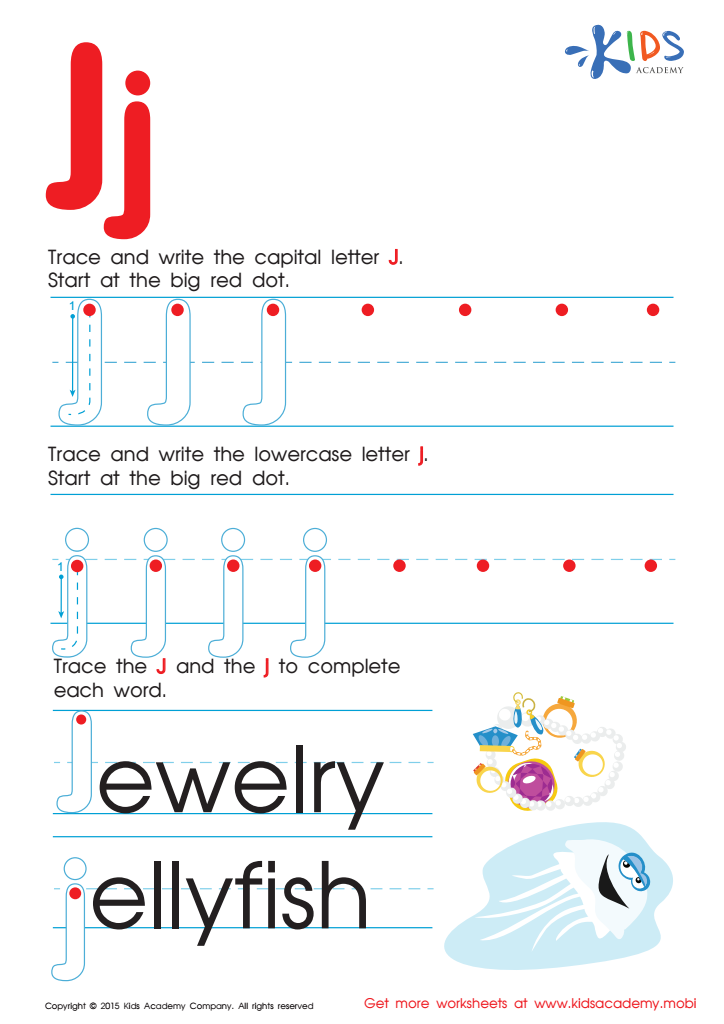
Letter J Tracing Page
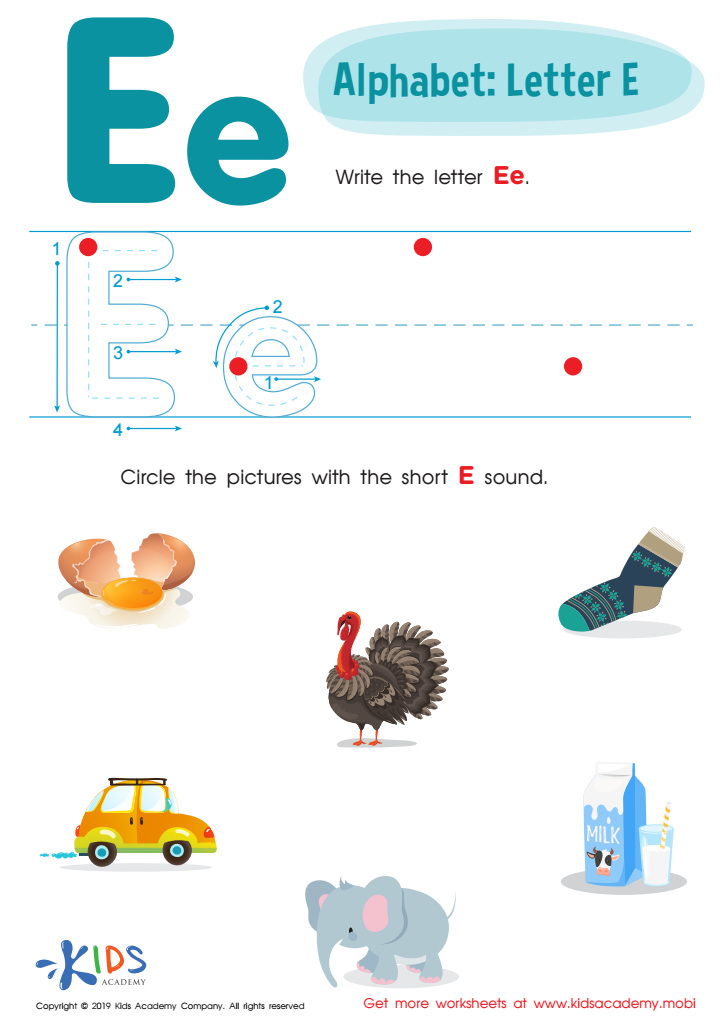
Letter E Tracing Worksheet
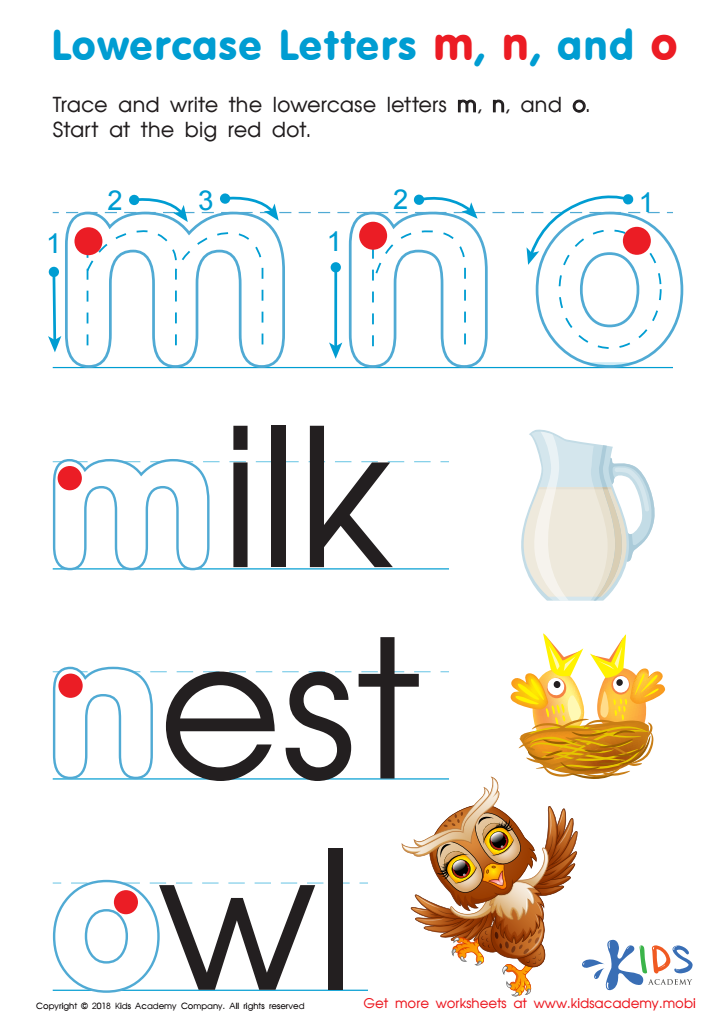
Lowercase Letters m n o Worksheet
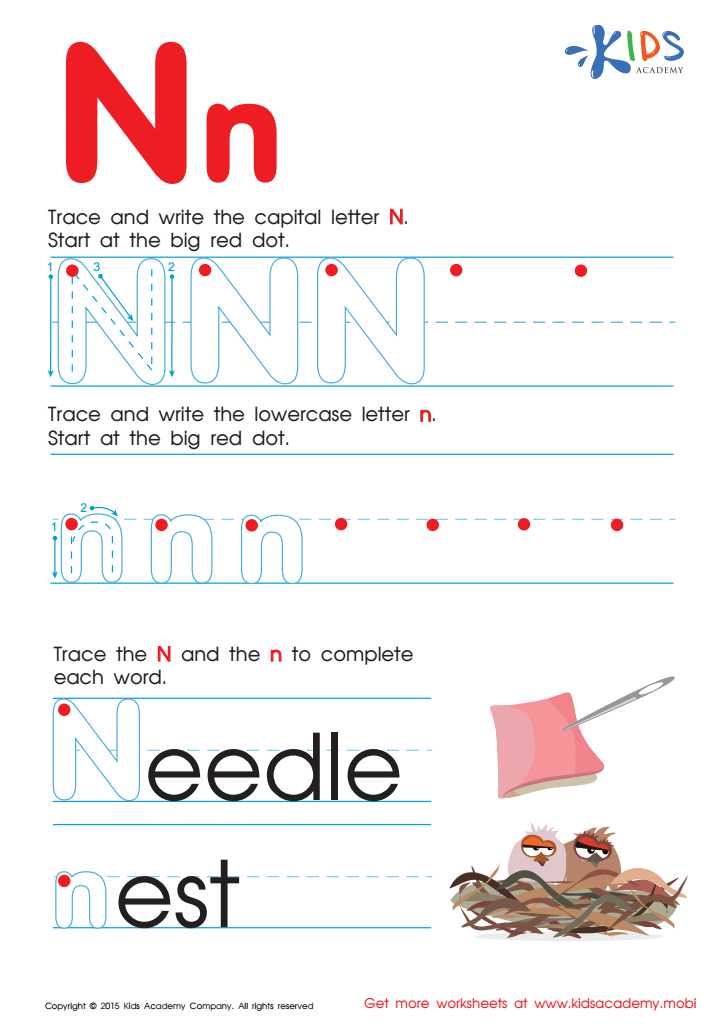
Letter N Tracing Page
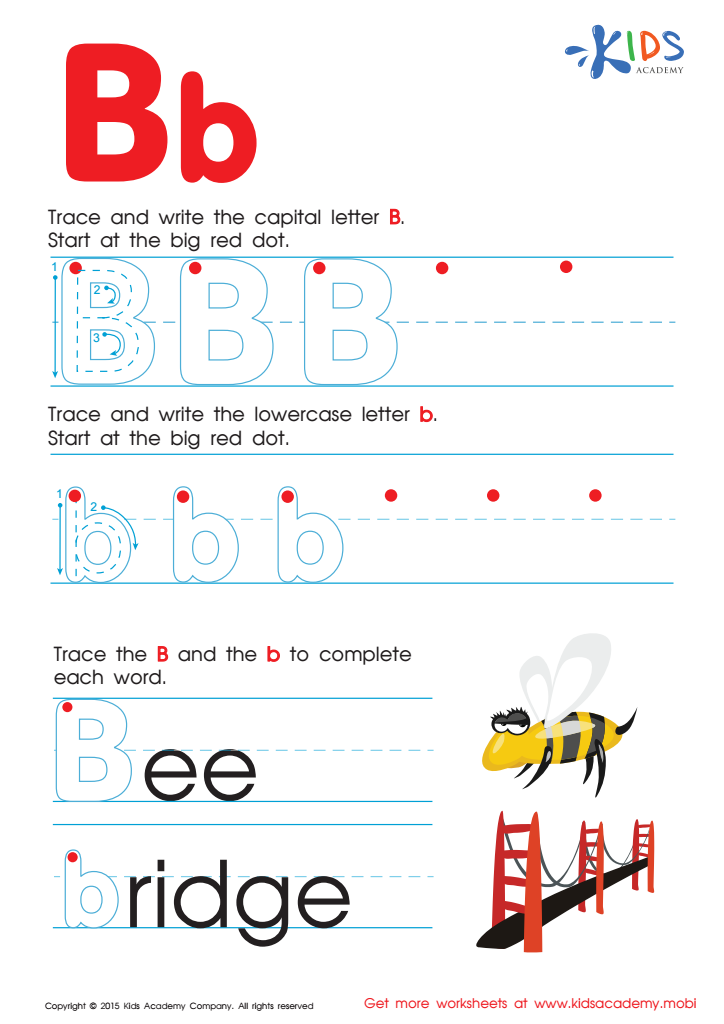
Letter B Tracing Page
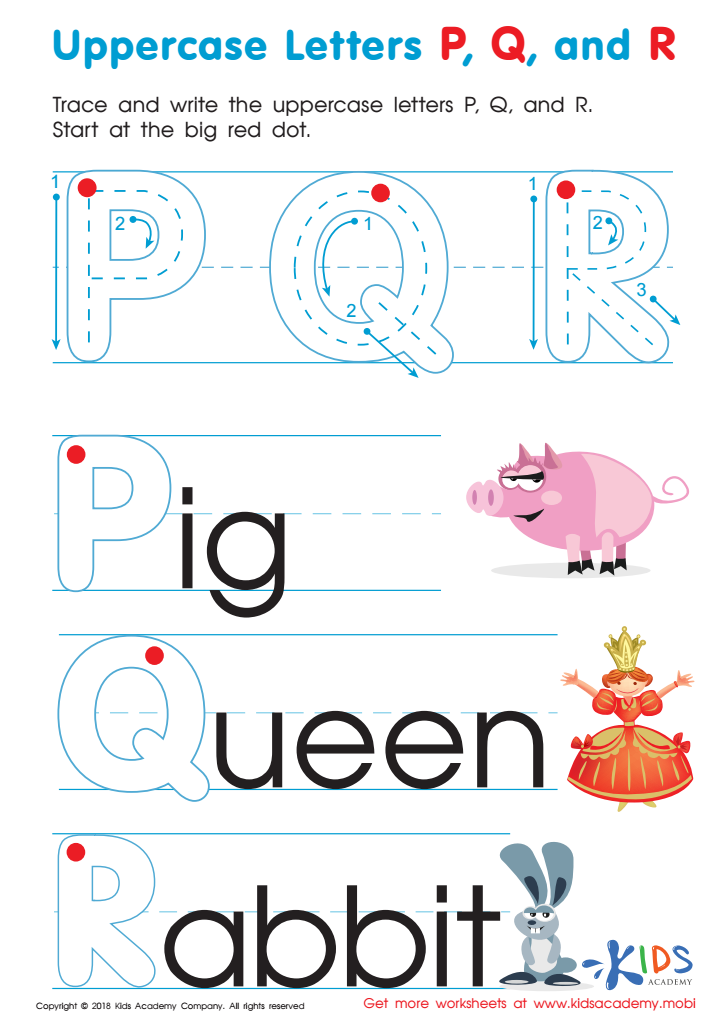
Uppercase Letters P, Q, and R Worksheet
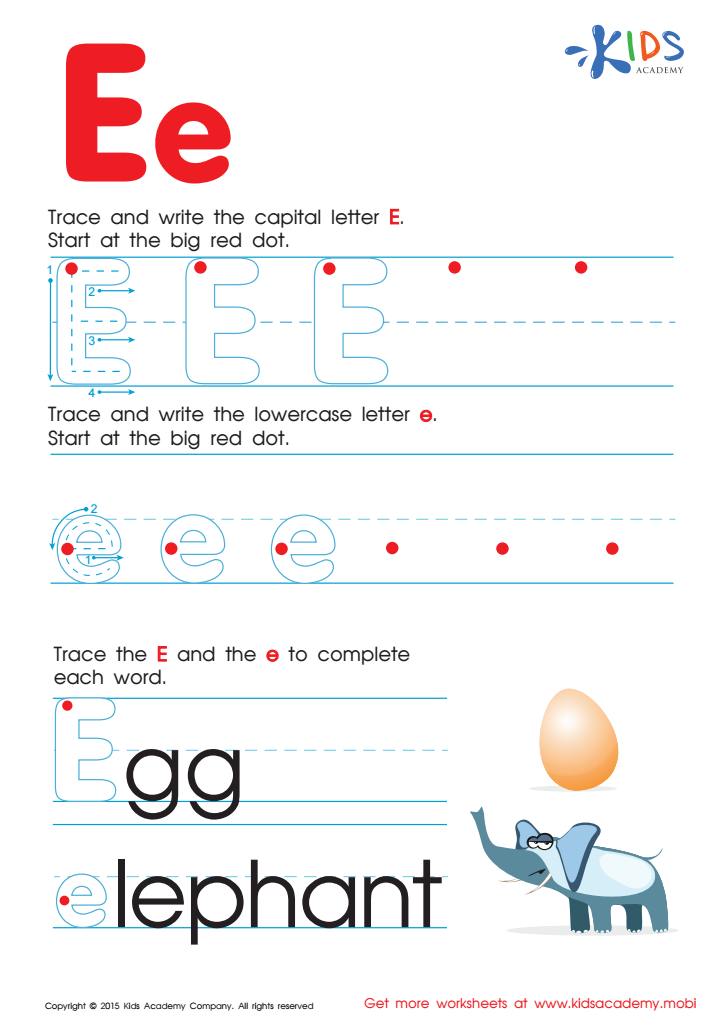
Letter E Tracing Page
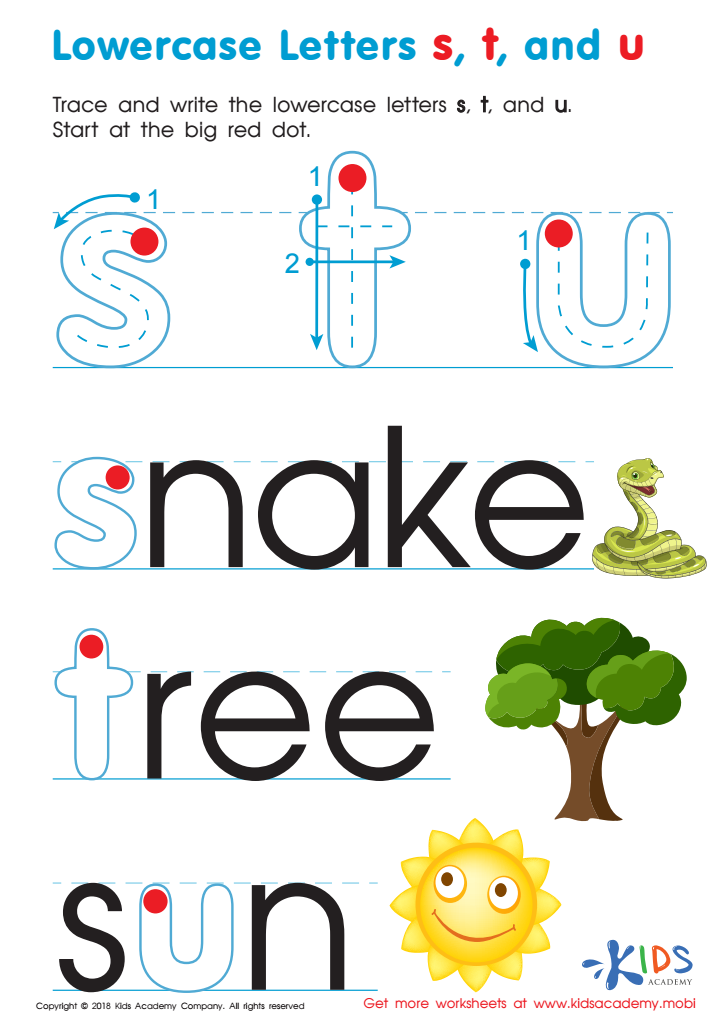
Lowercase Letters s t u Worksheet
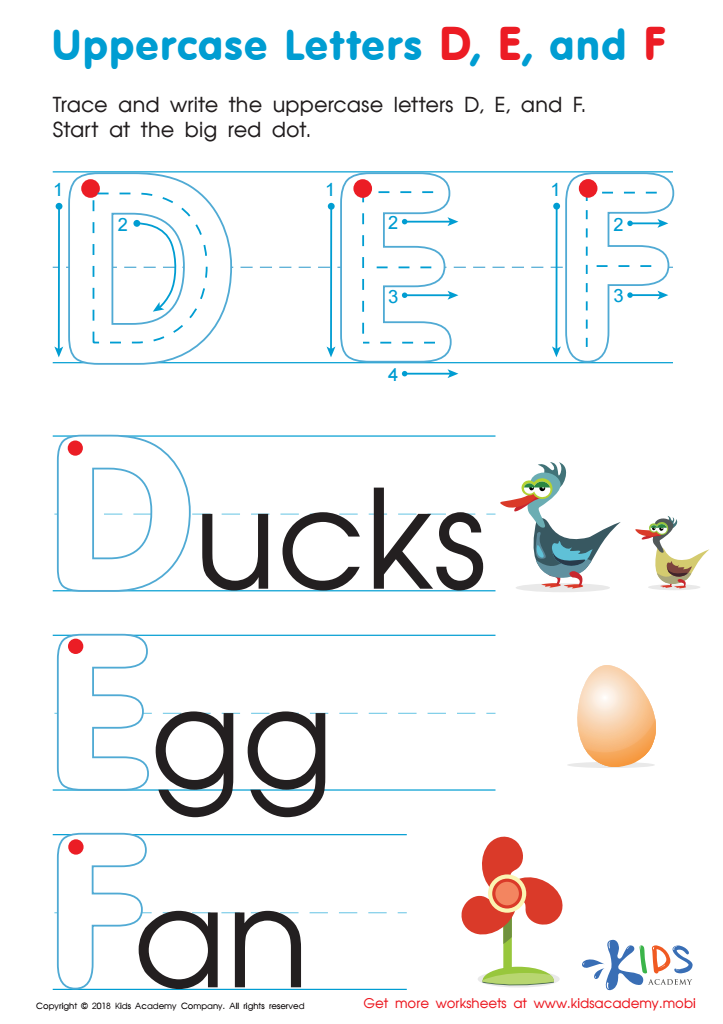
Uppercase Letters D, E, and F Worksheet
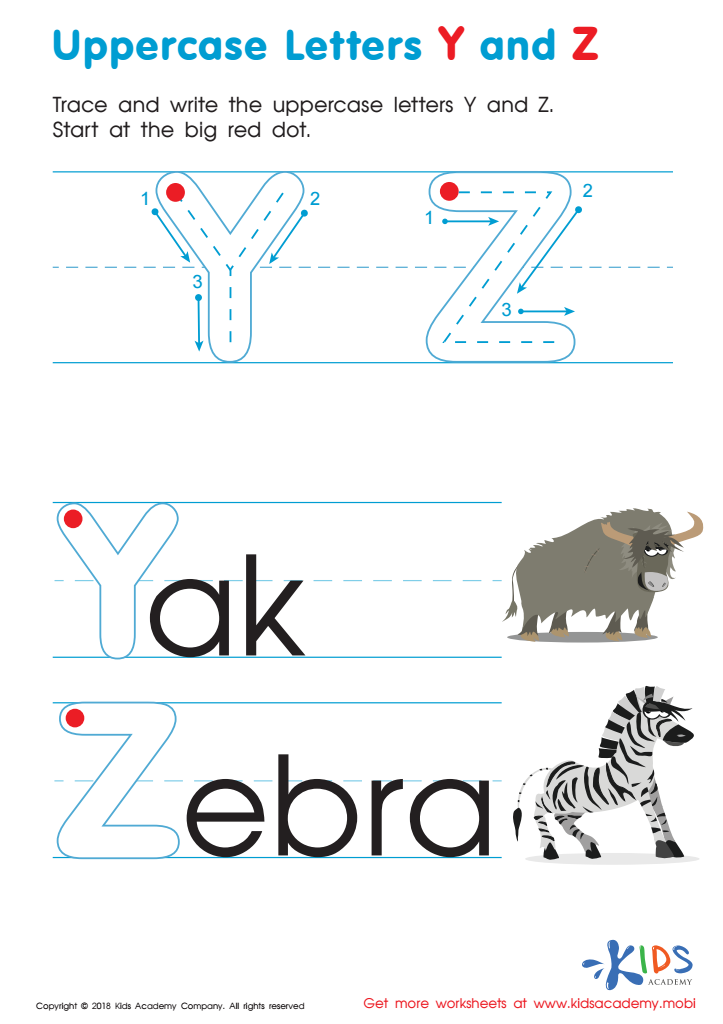
Uppercase Letters Y Z Worksheet
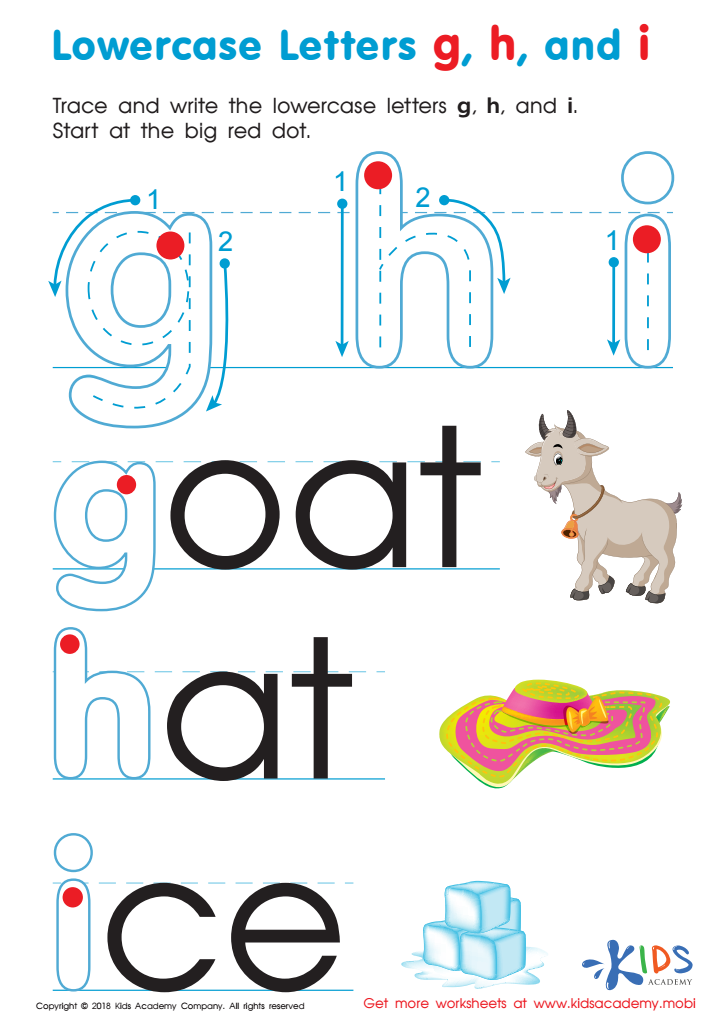
Lowercase Letters g h i Worksheet
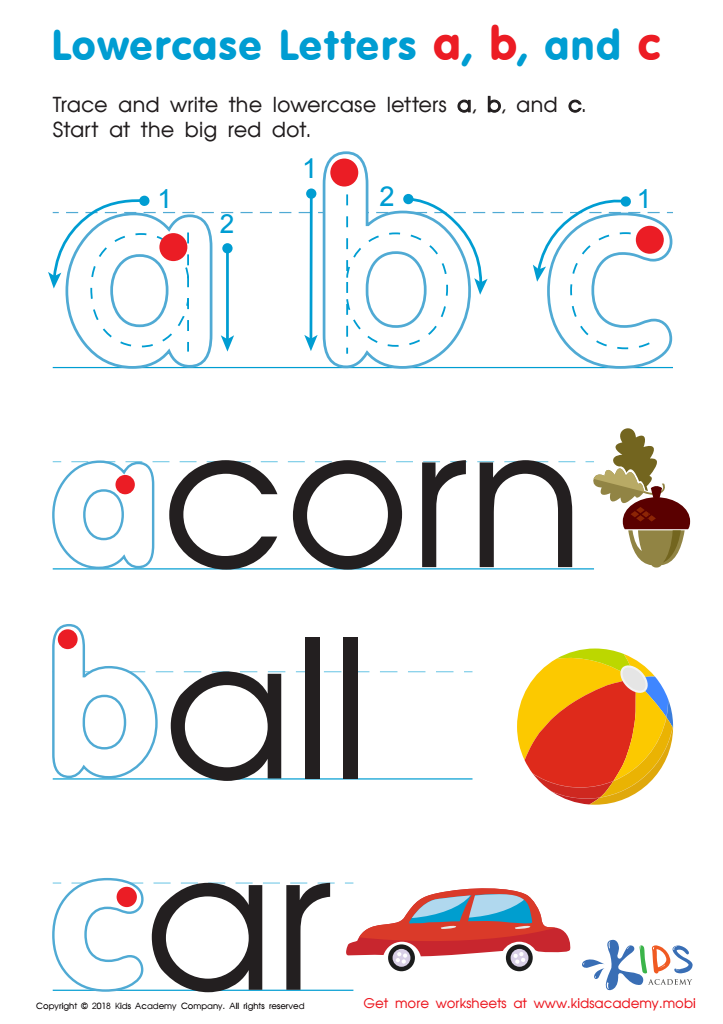
Lowercase Letters a b c Worksheet







Alphabet recognition and normal tracing letters for ages 3-8 form the bedrock of literacy development, which is crucial during these formative years. Early exposure to the alphabet helps children understand the correlation between letters and sounds, a fundamental skill for reading and writing. Recognizing letters, both capital and lowercase, enables children to begin phonetic learning — associating each letter with its corresponding sound, which is essential for decoding words.
Tracing letters reinforces this recognition through active engagement and fine motor skill development. Guiding young learners to properly trace letters ensures that they are not only visually familiar with the alphabet but can also reproduce them with accuracy and legibility. This practice lays the foundation for handwriting skills, promoting greater confidence and competency in their future writing endeavors.
For parents and teachers, emphasizing alphabet recognition and proper tracing techniques creates an enriched learning environment. It offers a systematic approach where children can methodically grasp each letter's shape and sound. Moreover, it fosters a love for reading and writing by turning learning into a structured yet enjoyable activity. Overall, prioritizing these basic skills equips young children with the tools necessary for their academic journey, ensuring a smoother transition to more complex literacy tasks in subsequent educational stages.








