Color recognition Normal English for Beginners Worksheets for Ages 3-8
9 filtered results
-
From - To
Introducing our "Color Recognition Normal English for Beginners Worksheets," designed for children aged 3-8. These engaging worksheets help young learners identify and understand colors through fun activities and colorful illustrations. Each worksheet encourages creativity and reinforces language skills, making learning both enjoyable and effective. Ideal for early grade teachers, parents, and homeschoolers, our resources promote color recognition while introducing basic English vocabulary. Each activity is carefully crafted to support diverse learning styles and facilitate easy comprehension. Help your child build essential foundational skills with our innovative and educational color recognition worksheets today! Perfect for ESL learners and young English speakers alike!
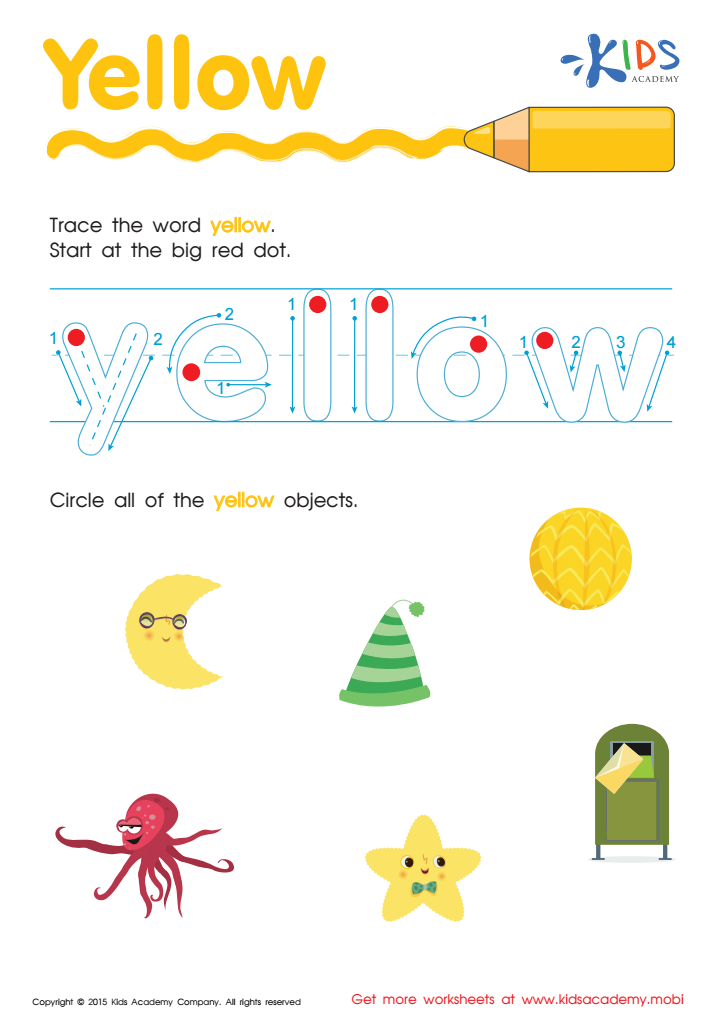
Yellow Tracing Color Words Worksheet
 Assign to My Students
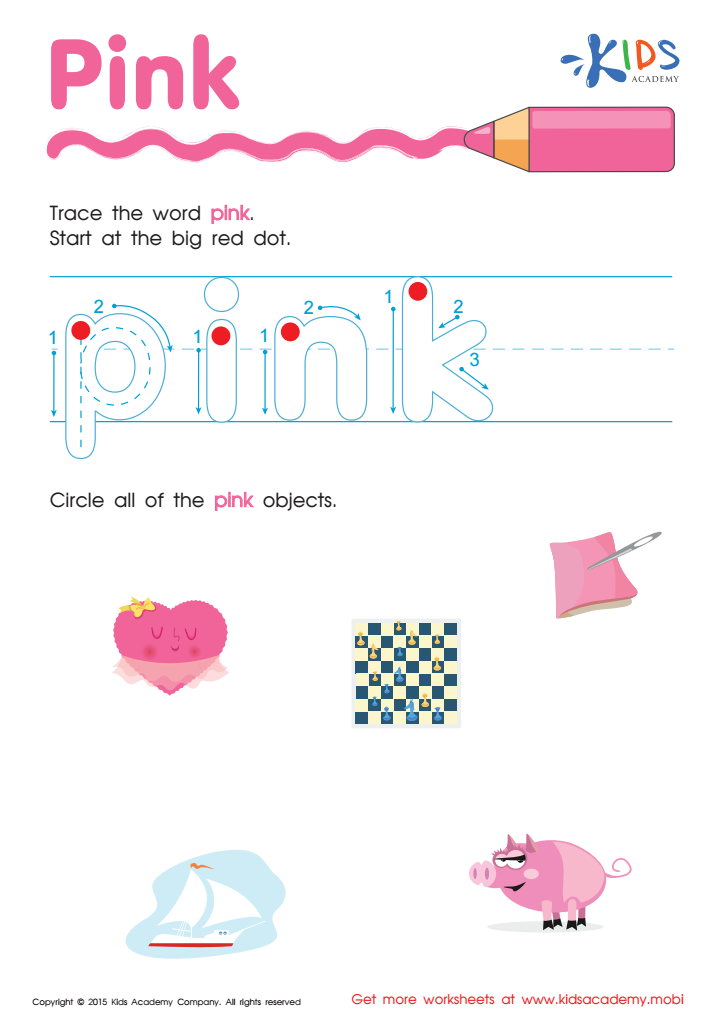
Pink Tracing Color Words Worksheet
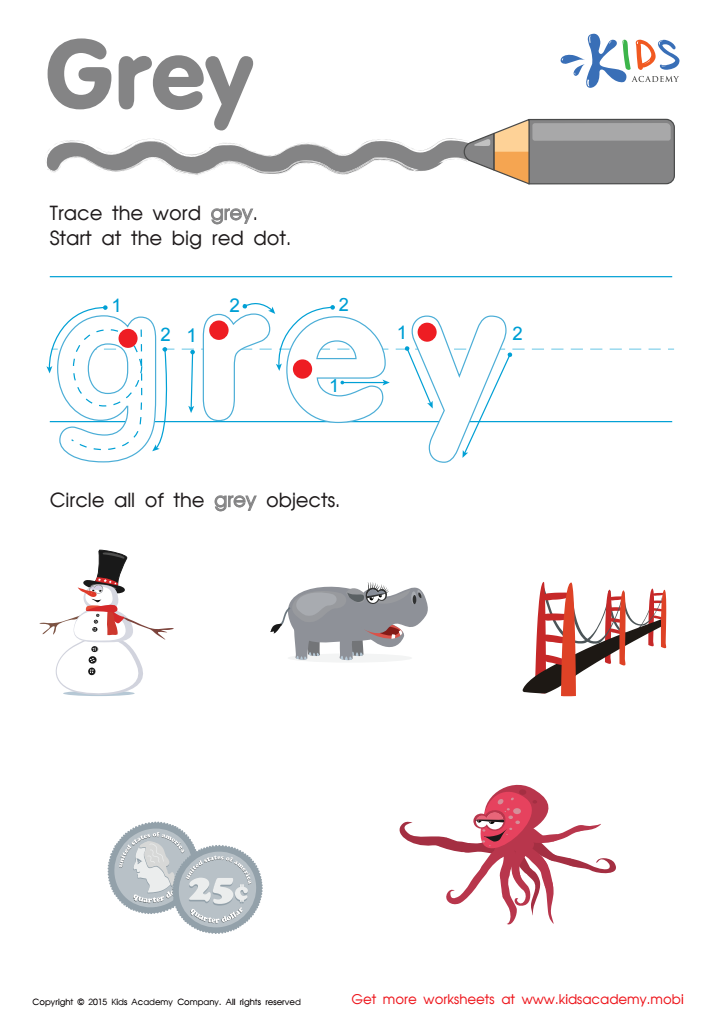
Grey Tracing Color Words Worksheet
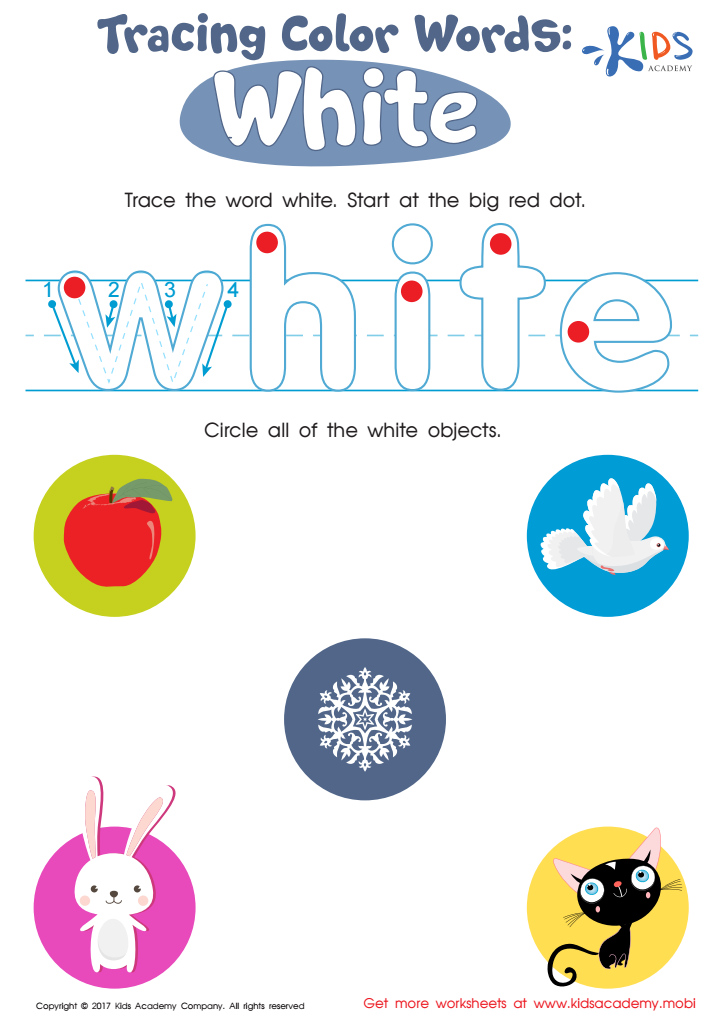
White Tracing Color Words Worksheet
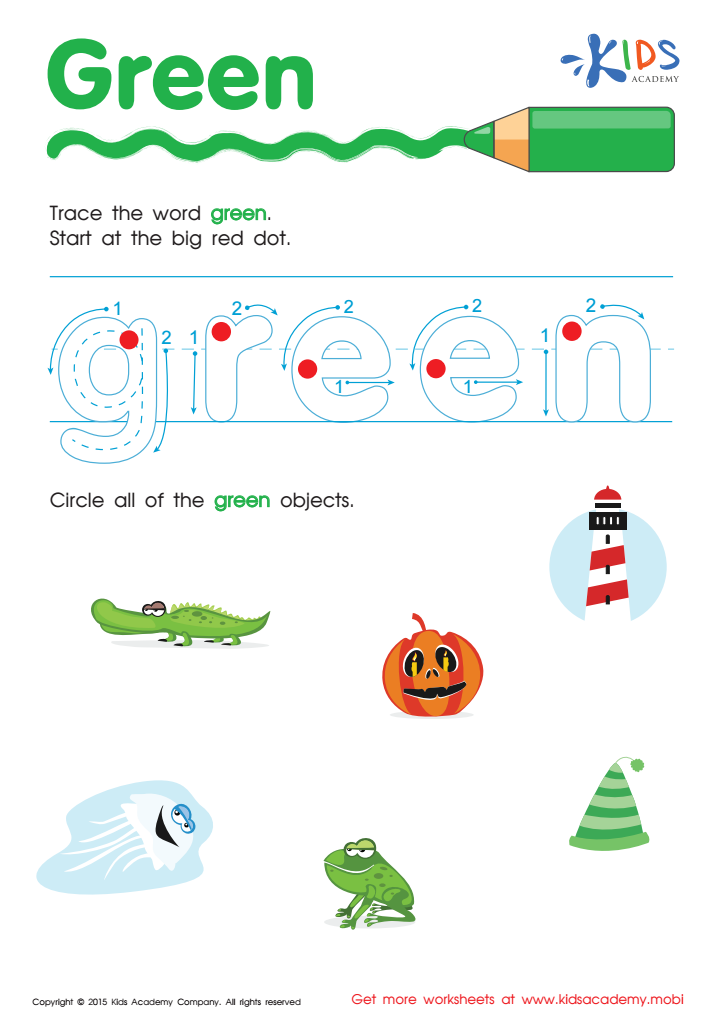
Green Tracing Color Words Worksheet
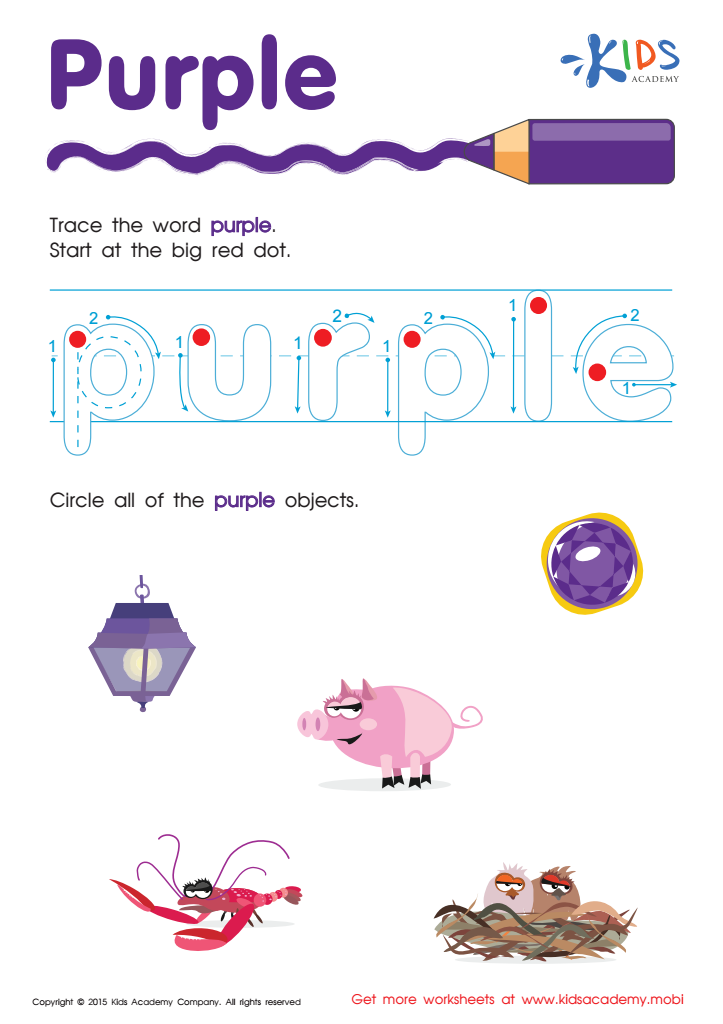
Purple Tracing Color Words Worksheet
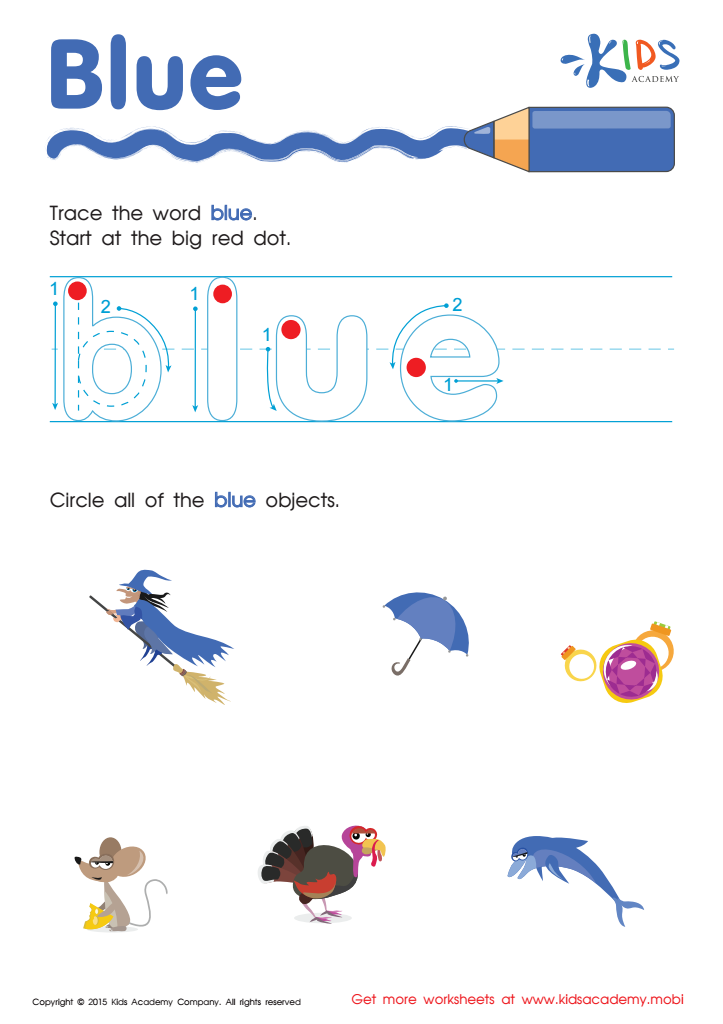
Blue Tracing Color Words Printable
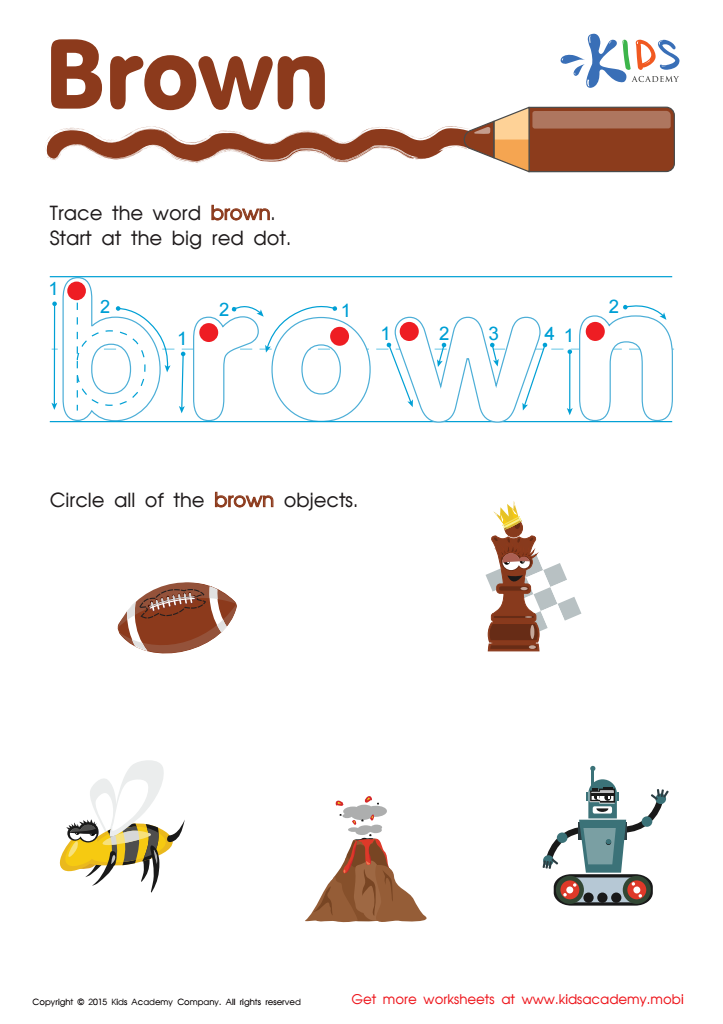
Brown Tracing Color Words Worksheet
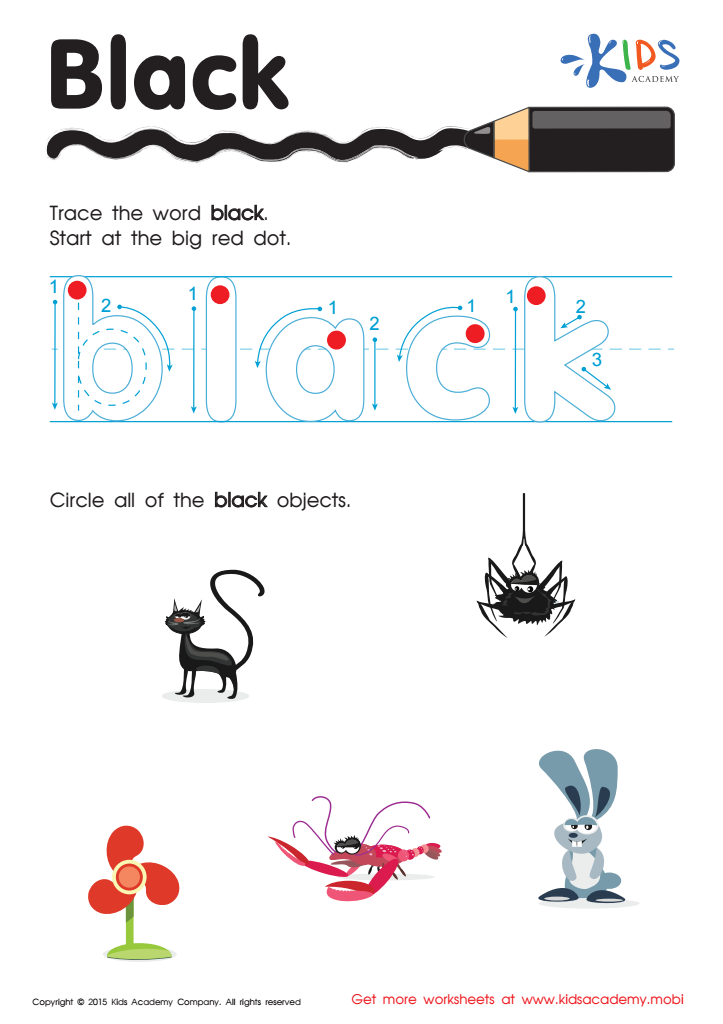
Black Tracing Color Words Printable




Color recognition is a foundational skill for young children, making it essential for parents and teachers to emphasize its importance. For children ages 3-8, learning colors helps them make sense of the world around them. Recognizing colors aids in developing language skills, as young learners describe what they see and express their preferences.
Understanding colors also enhances visual discrimination, which is crucial for future academic success, especially in subjects like art and math. When children can identify colors, they can sort objects, follow instructions, and engage in creative activities more effectively.
Additionally, color recognition plays a key role in emotional development. Colors often carry meanings and can influence mood—bright colors can evoke happiness, while softer tones may be calming. By discussing colors, children learn to express their feelings and opinions.
Furthermore, familiarizing children with colors sets the stage for more complex skills, such as reading and writing. Many early literacy programs involve color-related activities that make learning fun and engaging.
In summary, caring about color recognition helps children build essential skills that impact their social, emotional, and academic growth. By promoting color learning, parents and teachers lay the groundwork for a well-rounded education.