Alphabet Learning Normal Worksheets for Ages 3-8
5 filtered results
-
From - To
Discover our Alphabet Learning Normal Worksheets for Ages 3-8 at Kids Academy! Designed to deliver a fun, engaging education, these worksheets help children master the alphabet through interactive exercises and vibrant illustrations. Suitable for preschool and early elementary students, each activity reinforces letter recognition, phonics, and early writing skills. Aligned with educational standards, these printable sheets support both classroom lessons and at-home practice. Foster a love of reading and writing with our comprehensive collection of alphabet-learning resources, setting a solid foundation for your child's academic success. Start your child's learning adventure today!
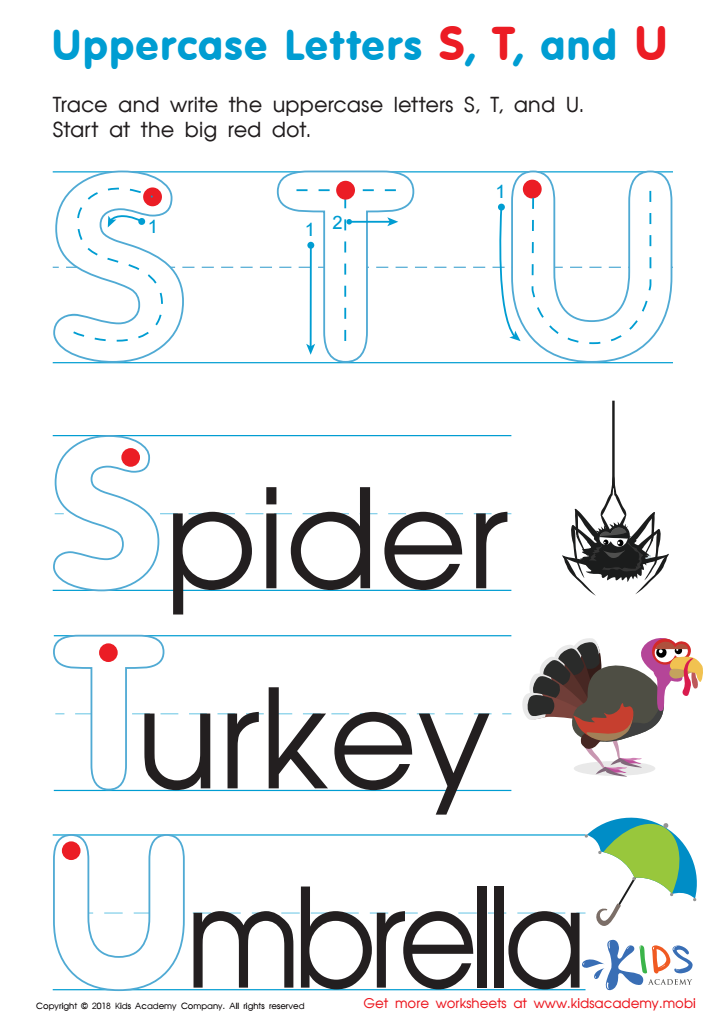
Uppercase Letters S, T, and U Worksheet
 Assign to My Students
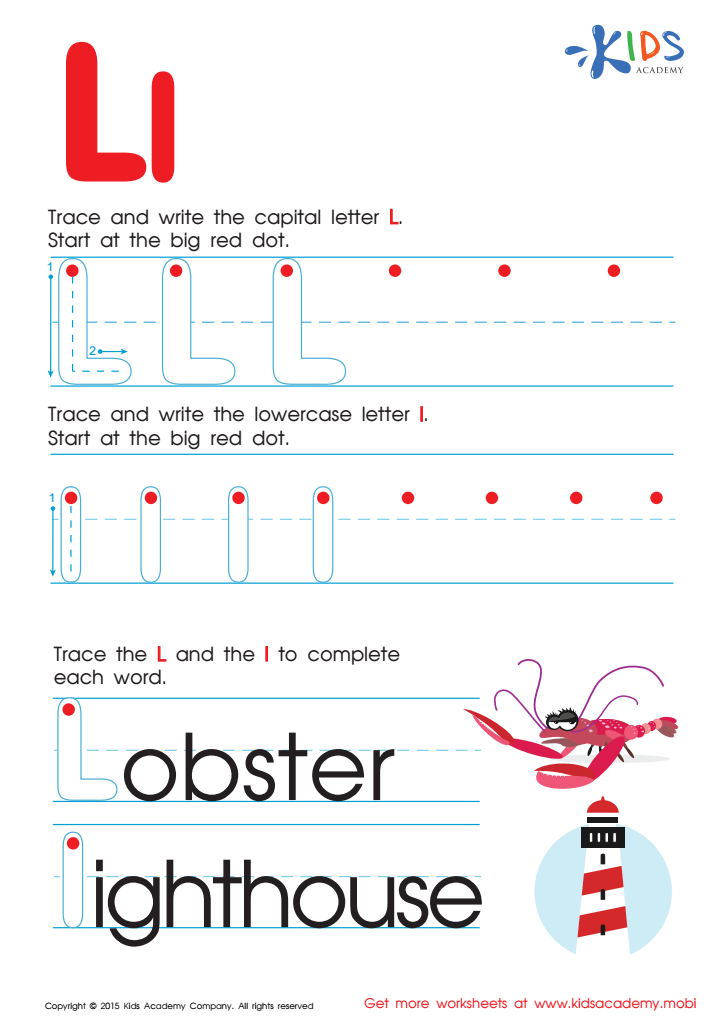
Letter L Tracing Page
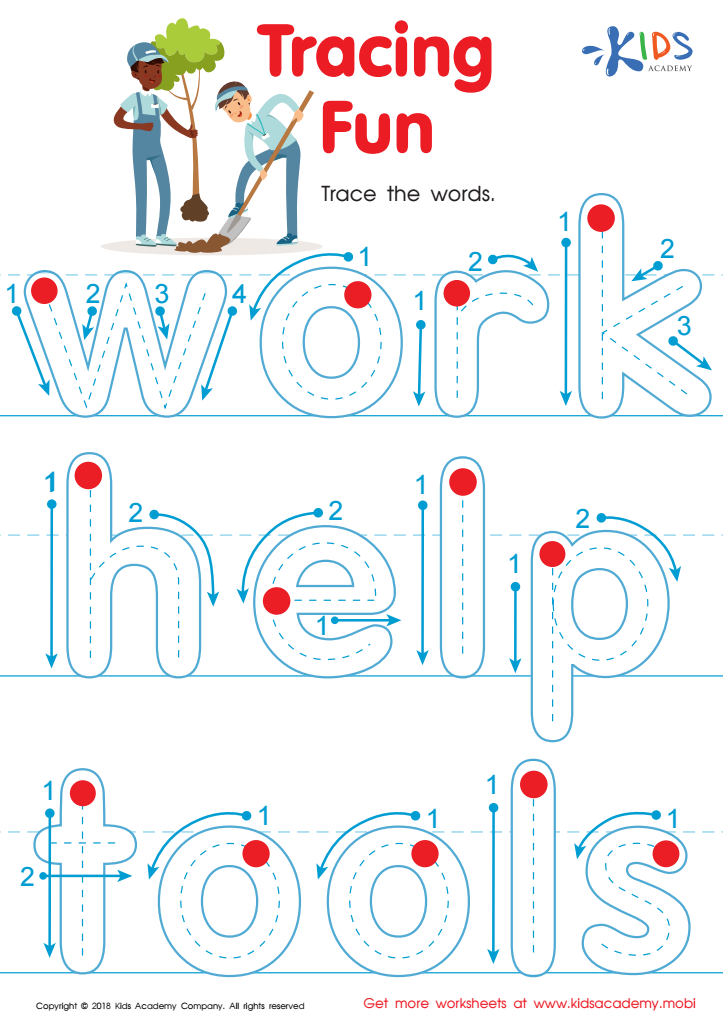
Tracing Fun Worksheet
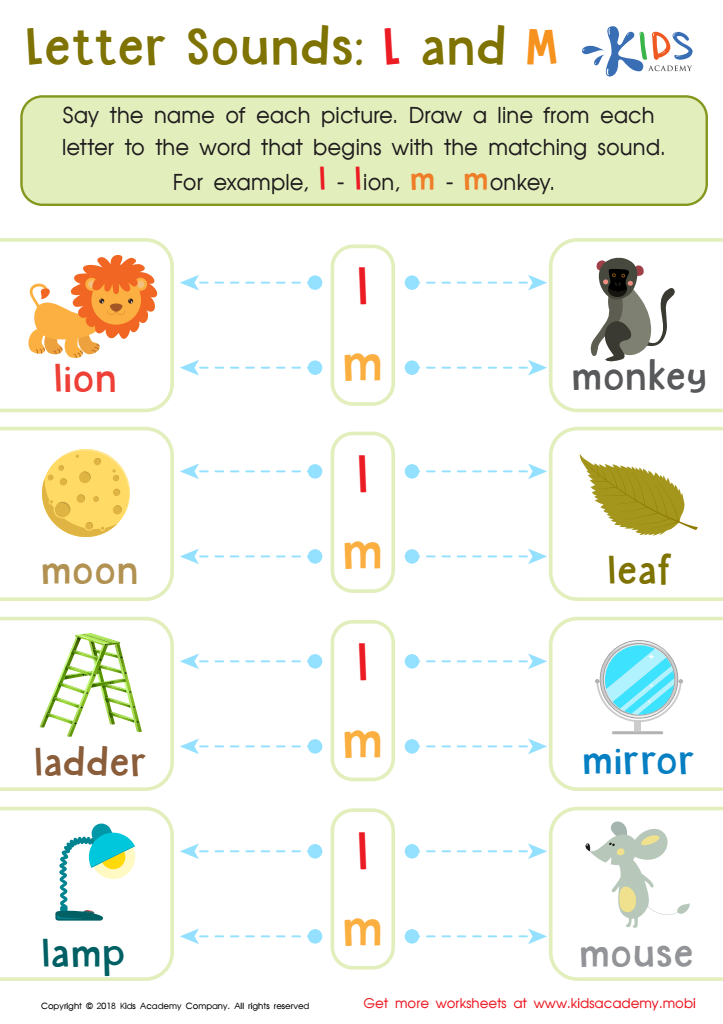
Letter l and M Sounds Worksheet
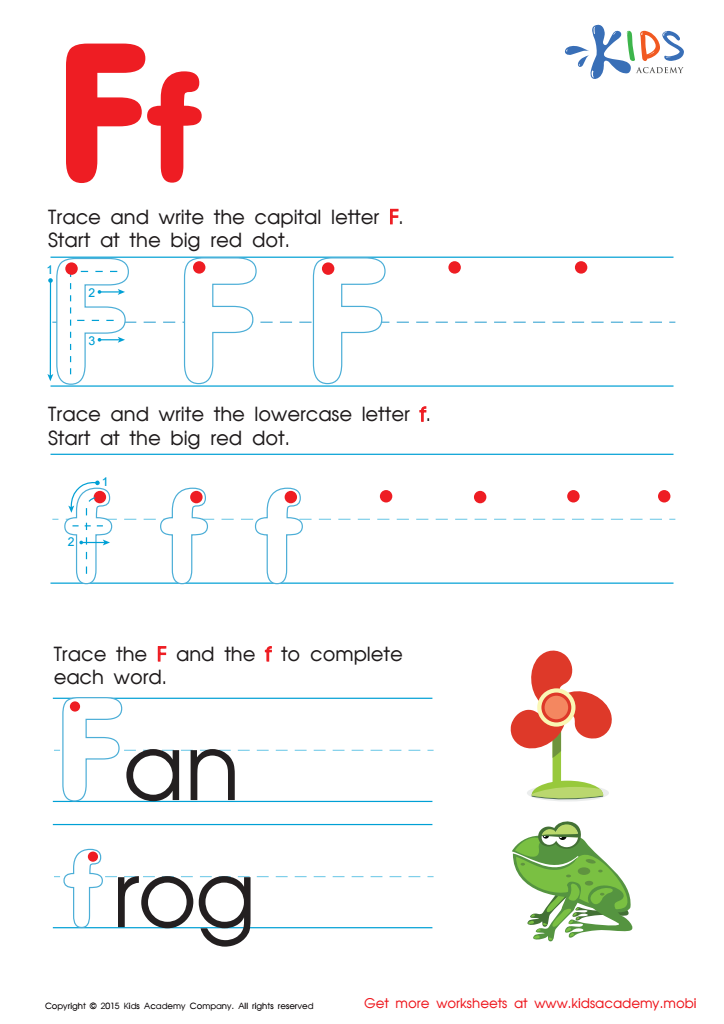
Letter F Tracing Page







Alphabet learning plays a critical role in the early development of children aged 3-8, laying the foundation for future academic success and literacy skills. For parents and teachers, ensuring children grasp the alphabet during these formative years is vital. Children’s ability to recognize, understand, and use letters effectively impacts their development across various areas—reading, writing, cognitive skills, and even social interactions.
Firstly, mastering the alphabet boosts phonemic awareness, enabling children to identify and manipulate the sounds within words. This skill is essential for decoding words while reading and writing, paving the way for strong literacy skills. Early exposure and familiarity with the alphabet equip children with the building blocks required for sentence construction and, subsequently, fluent expression of thoughts.
Furthermore, comprehension of the alphabet fosters confidence and encourages a love for reading by making books and printed materials less intimidating. Children who learn the alphabet on time tend to have a smoother transition to more complex literacy skills.
For teachers, early identification and support for children struggling with alphabet learning can prevent future academic difficulties. For parents, involvement in alphabet learning activities strengthens the parent-child bond and unmistakably showcases a commitment to the child's educational journey, nurturing a positive learning environment both at home and in school.








