Alphabet Recognition Normal Worksheets for Ages 3-8 - Page 2
44 filtered results
-
From - To
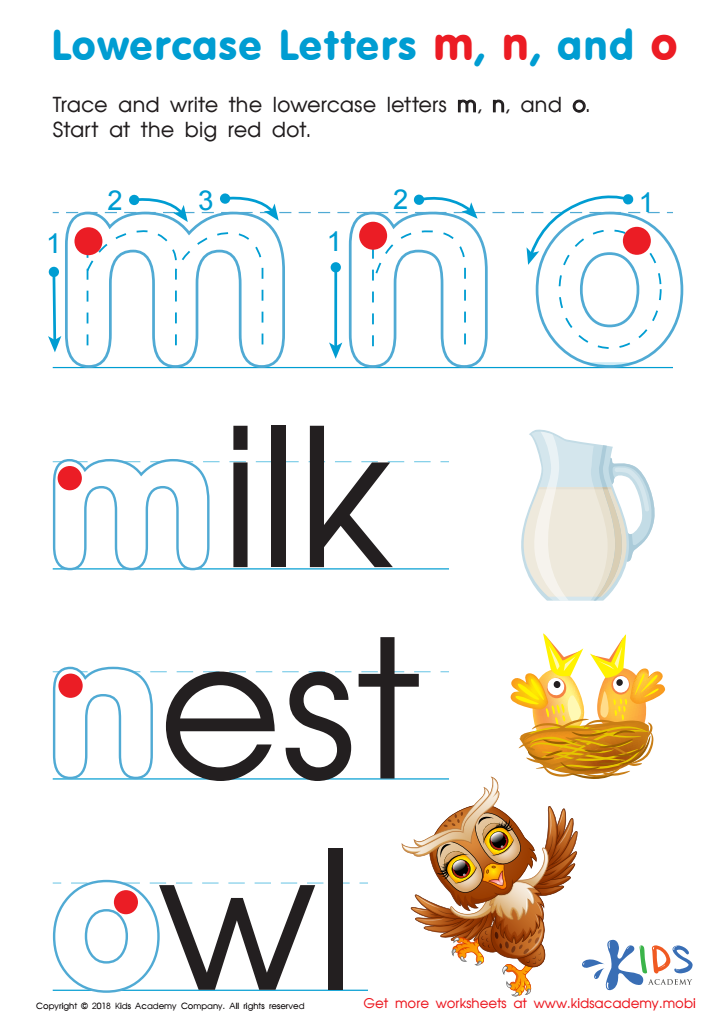
Lowercase Letters m n o Worksheet
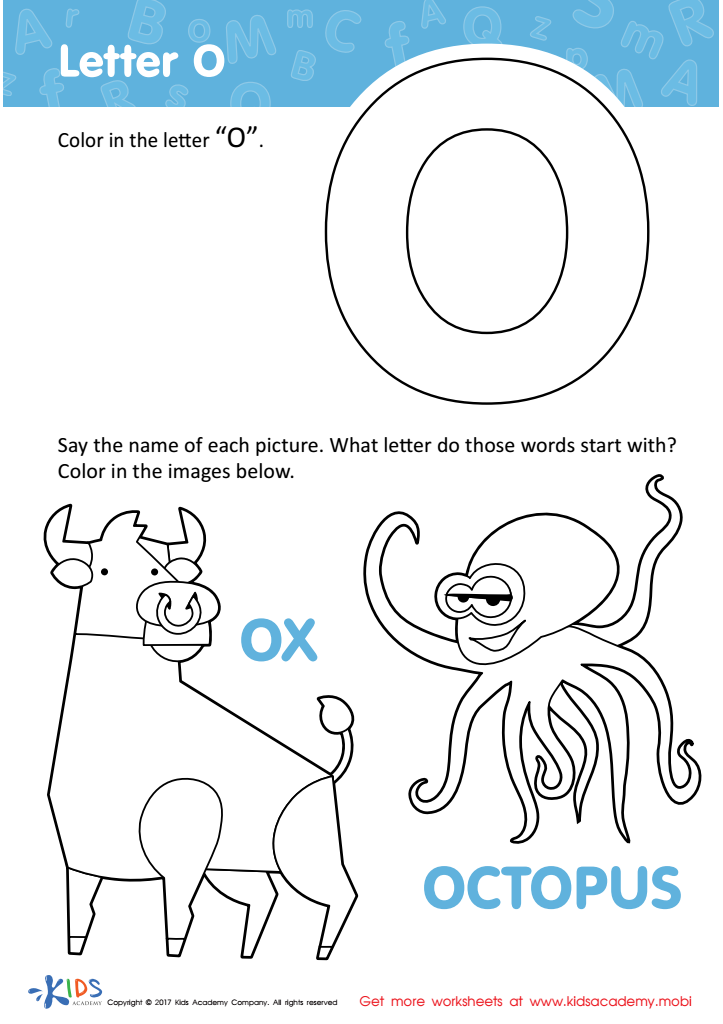
Letter O Coloring Sheet
 Assign to My Students
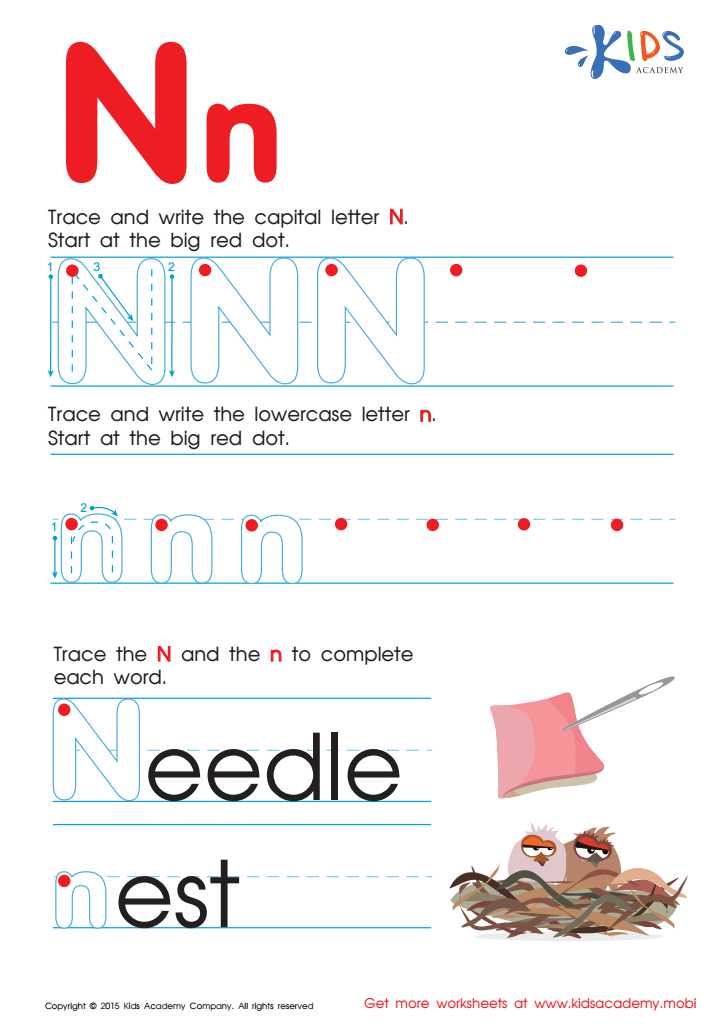
Letter N Tracing Page
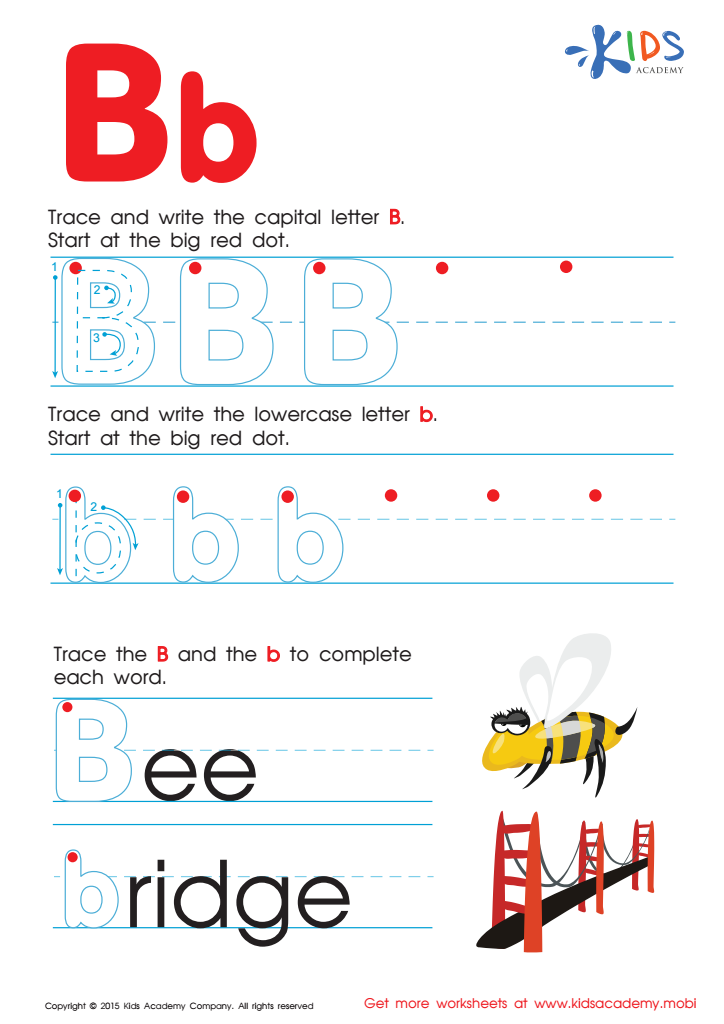
Letter B Tracing Page
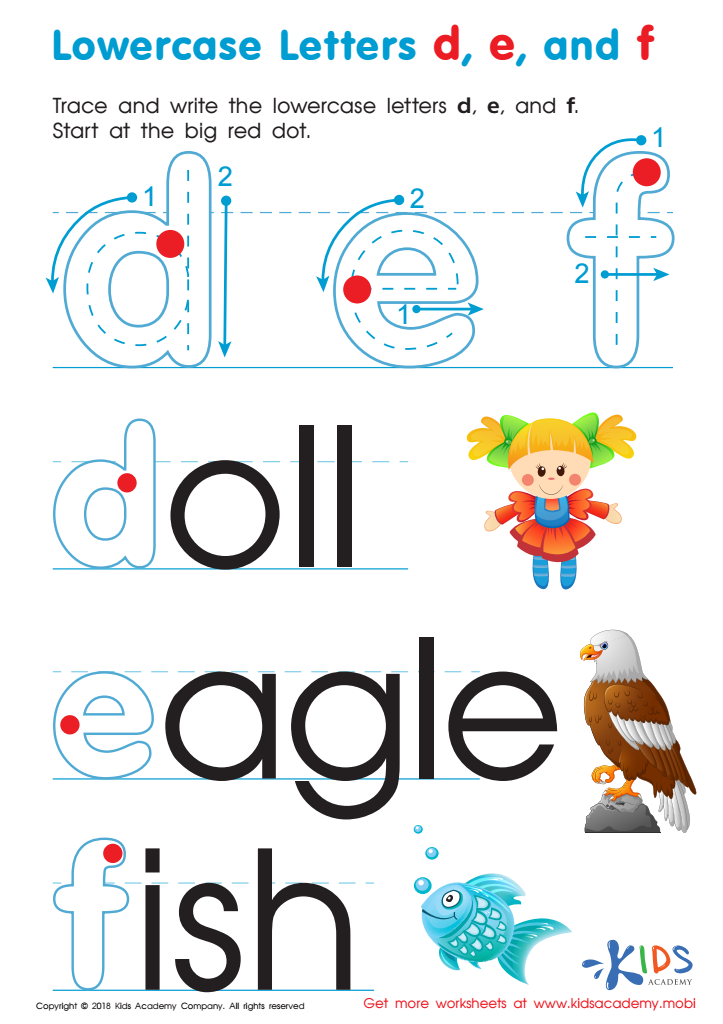
Lowercase Letters d e f Worksheet
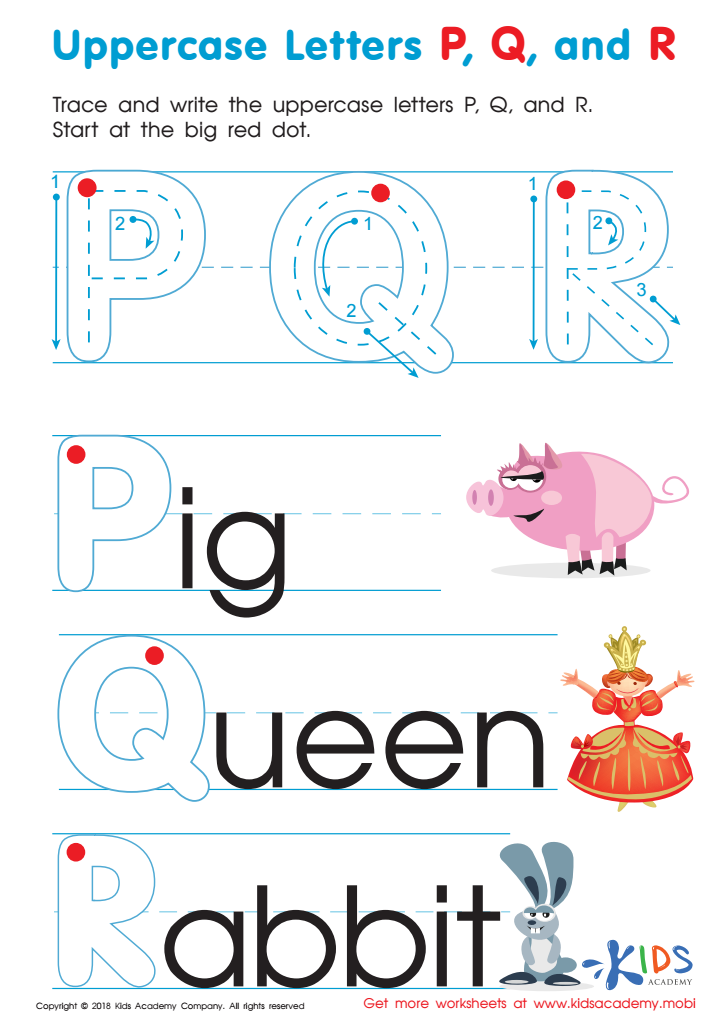
Uppercase Letters P, Q, and R Worksheet
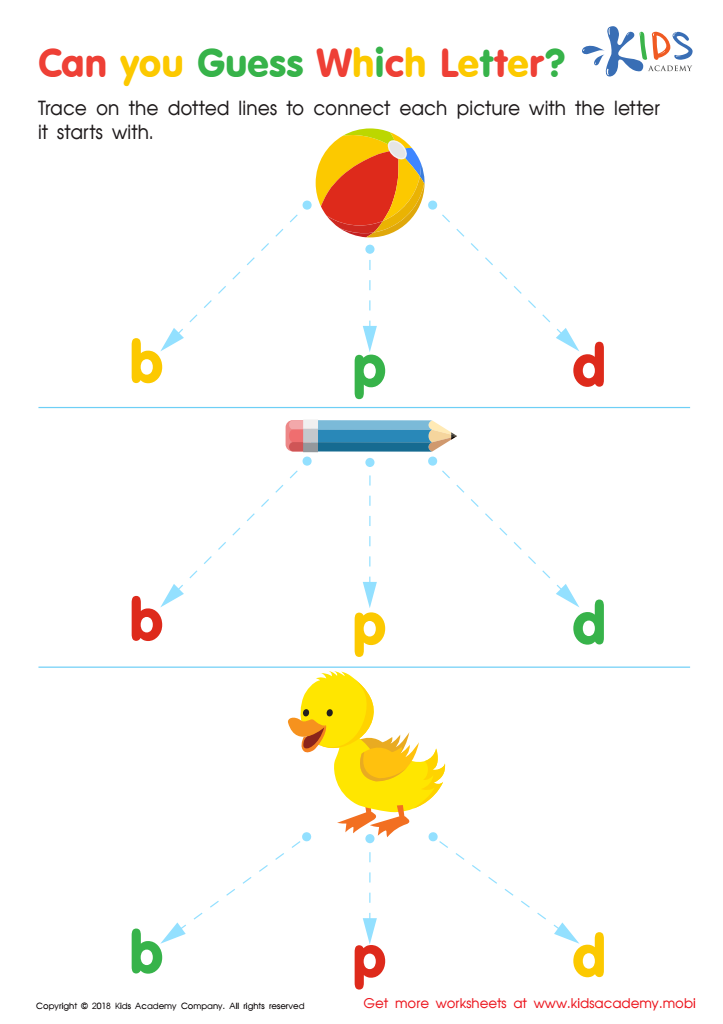
Can you Guess Which Letter? Worksheet
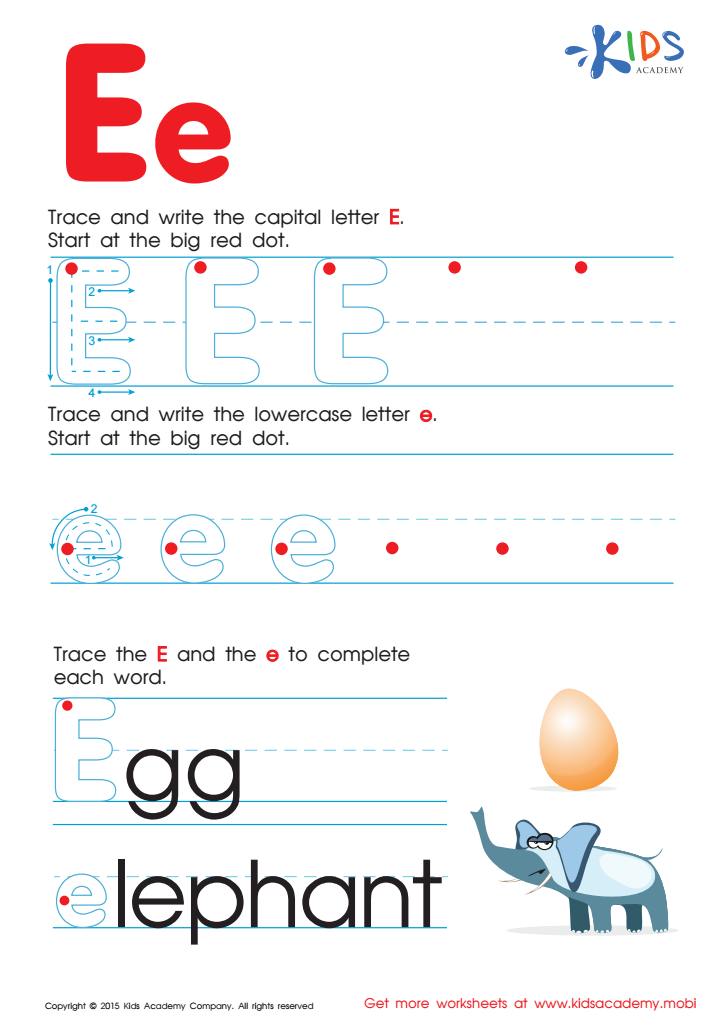
Letter E Tracing Page
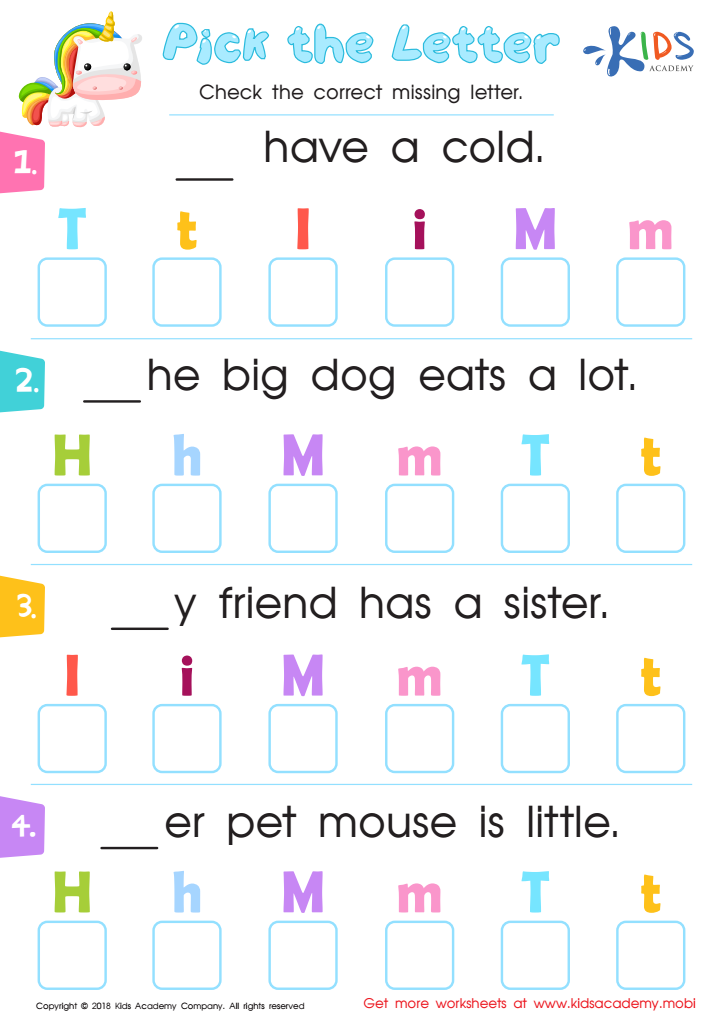
Pick the Letter Worksheet
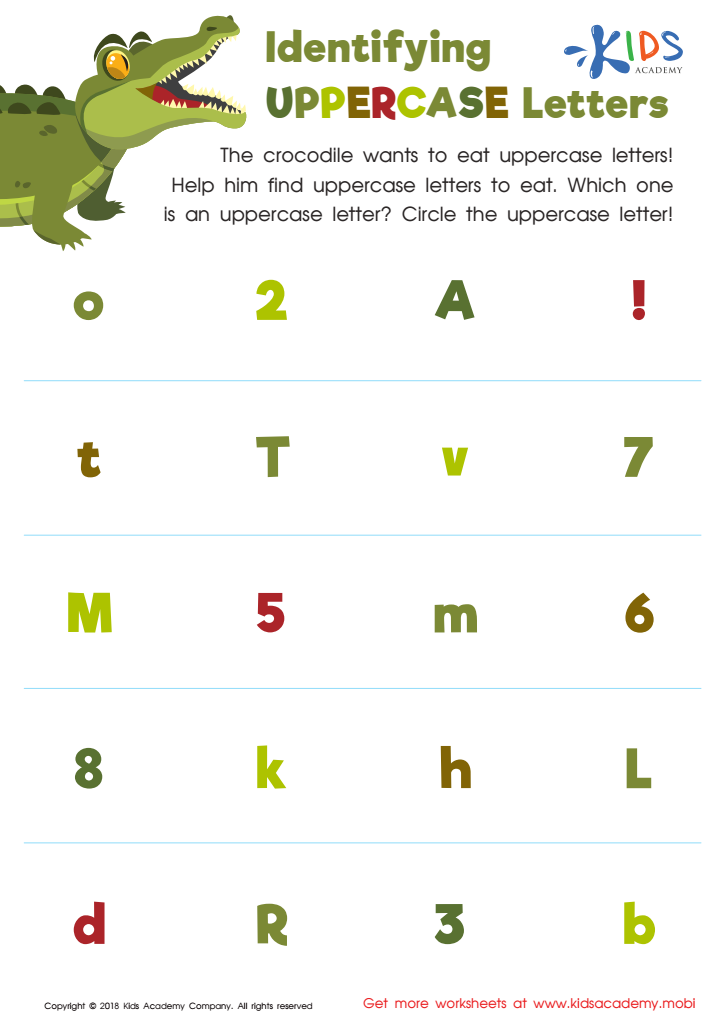
Identifying Uppercase Letters Worksheet
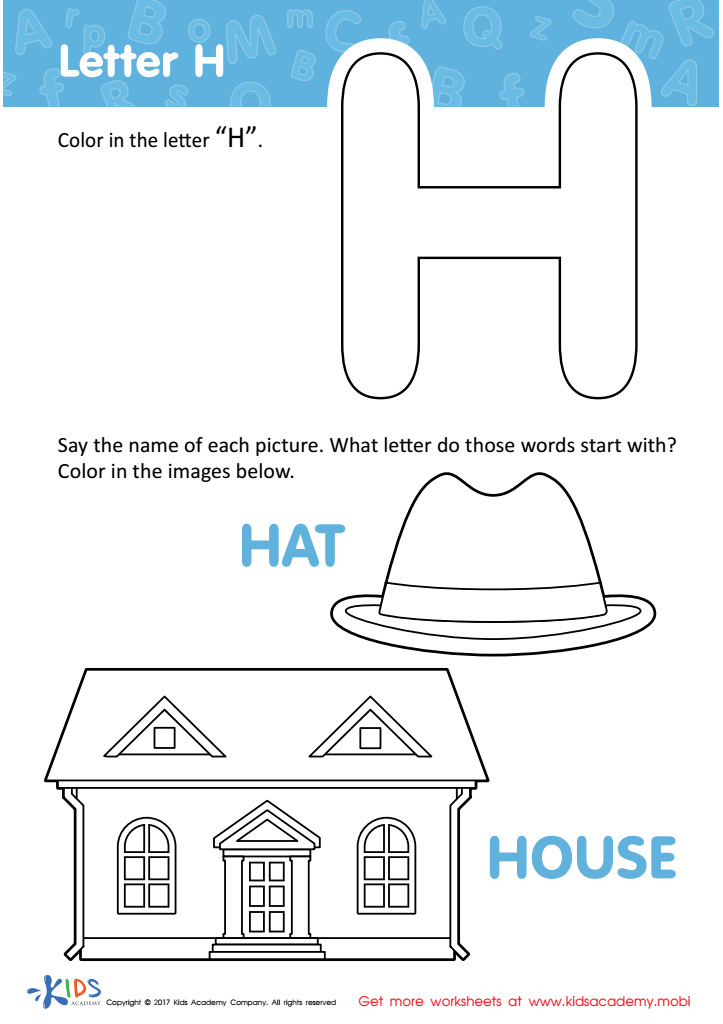
Letter H Coloring Sheet
Assign to My Students
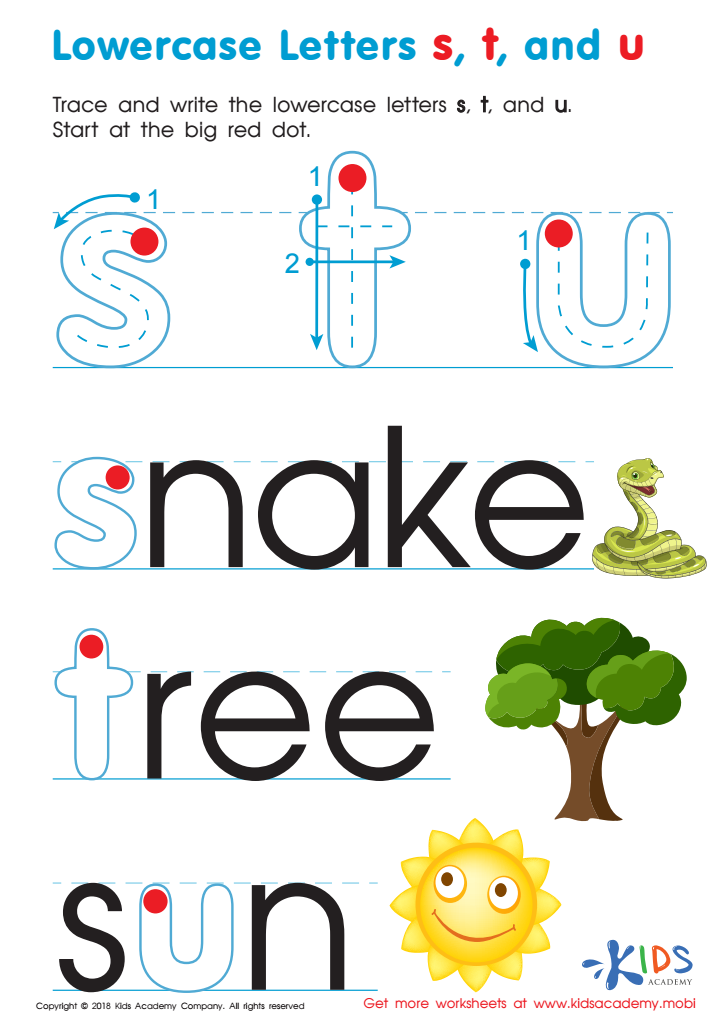
Lowercase Letters s t u Worksheet
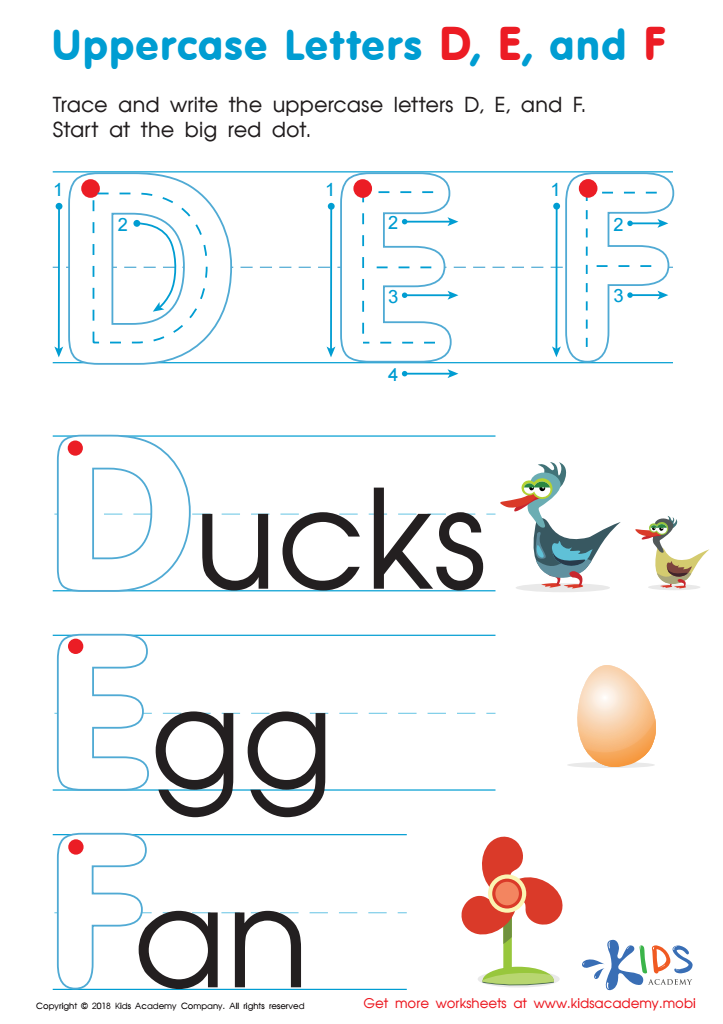
Uppercase Letters D, E, and F Worksheet
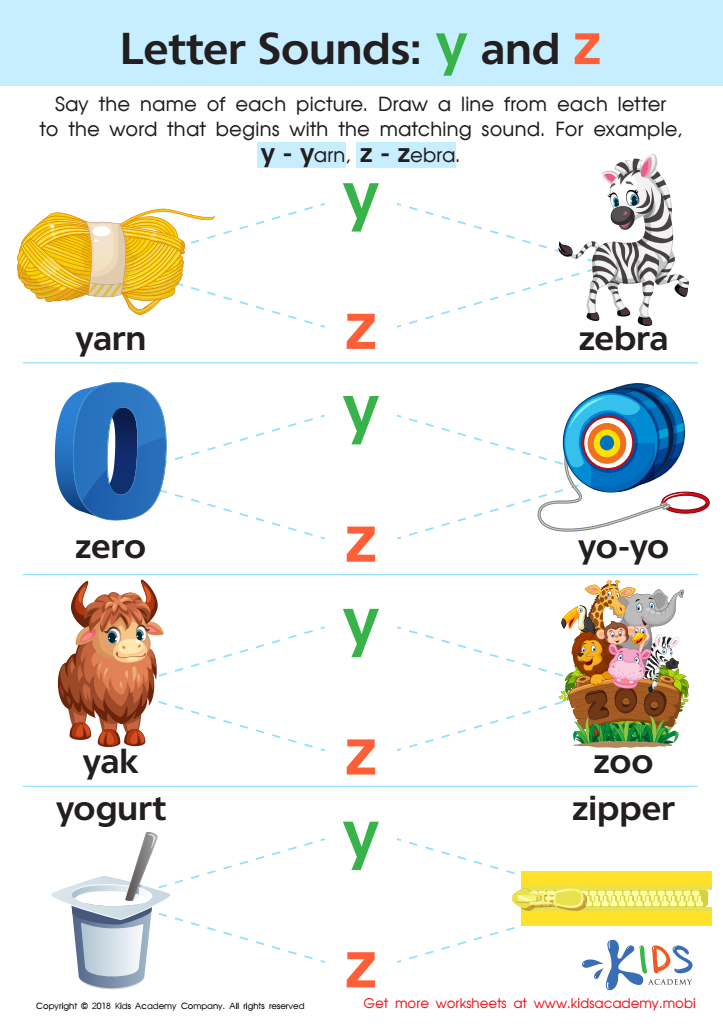
Letter Y and Z Sounds Worksheet
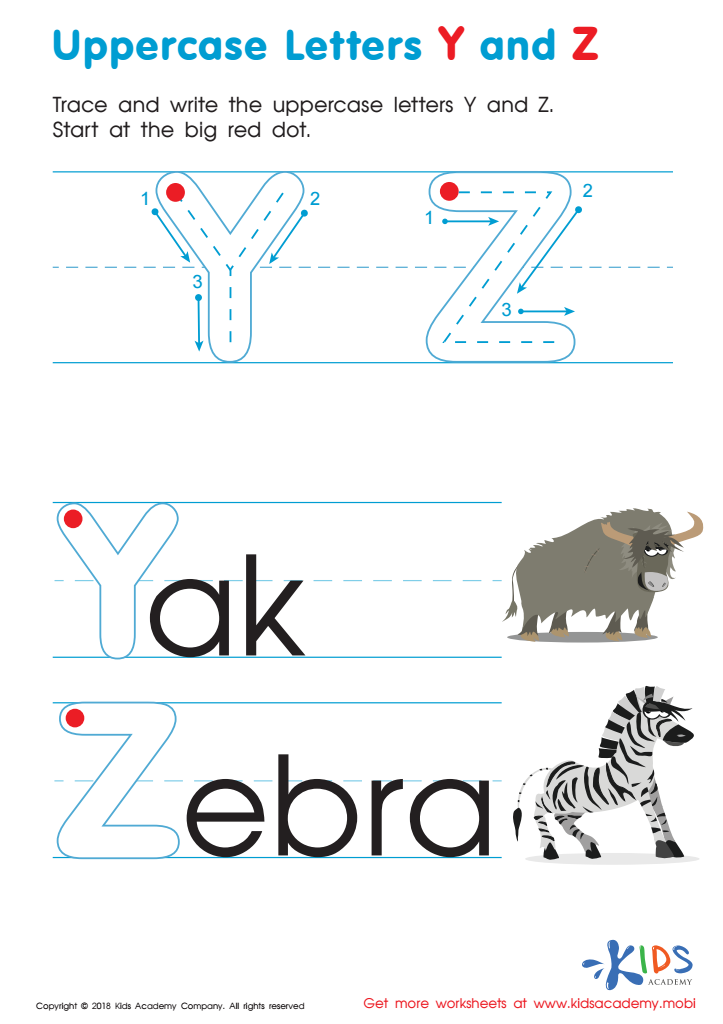
Uppercase Letters Y Z Worksheet
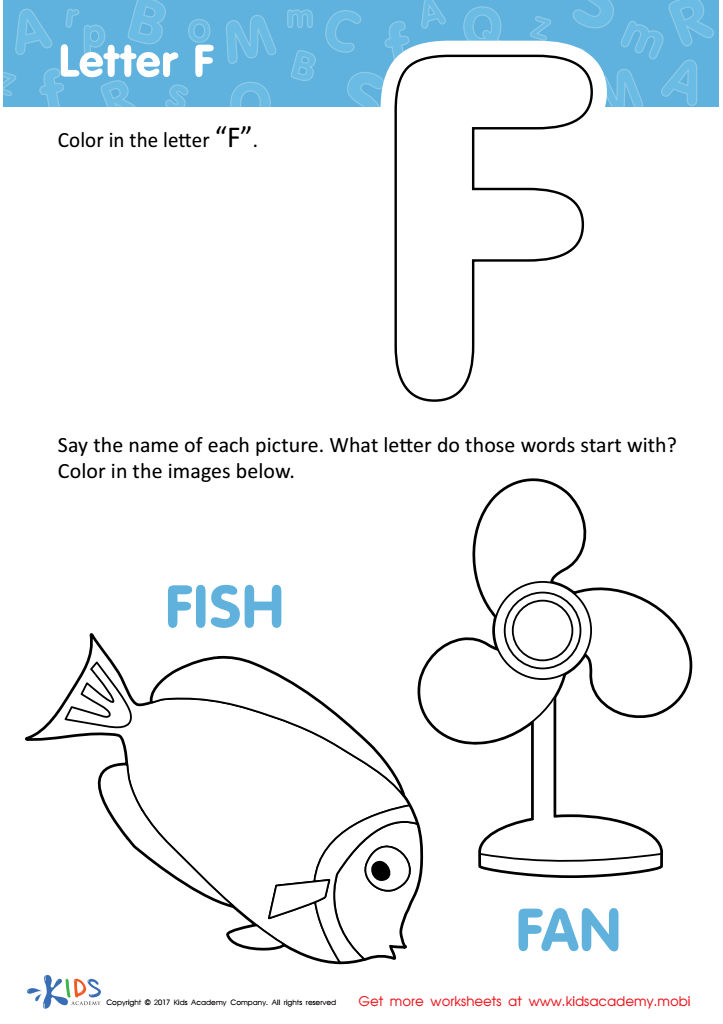
Letter F Coloring Sheet
Assign to My Students
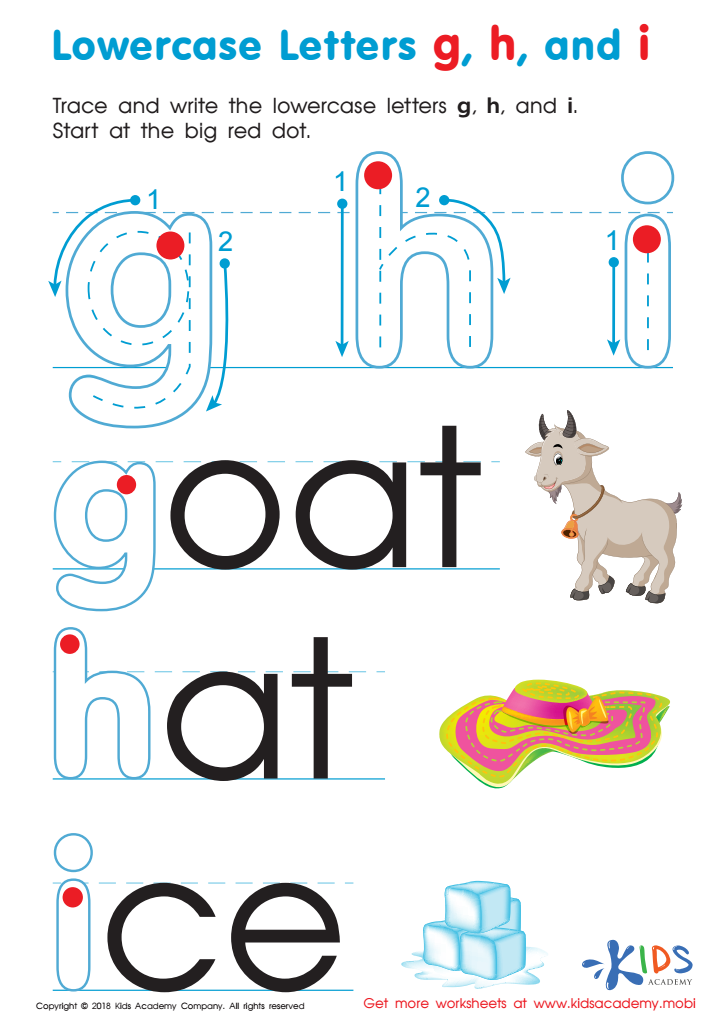
Lowercase Letters g h i Worksheet
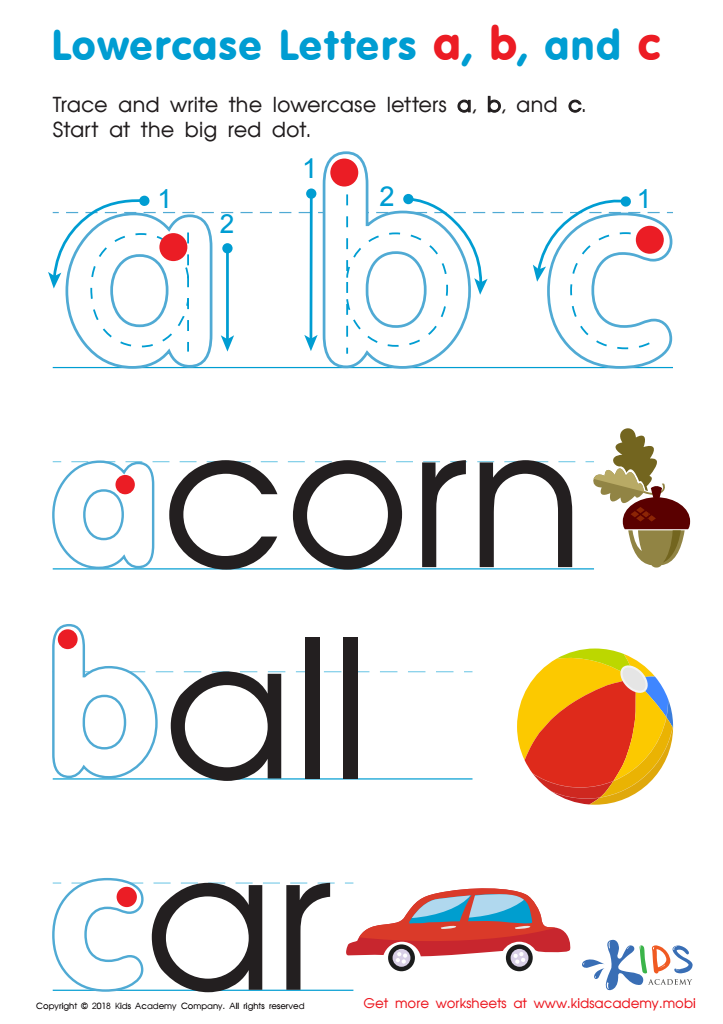
Lowercase Letters a b c Worksheet
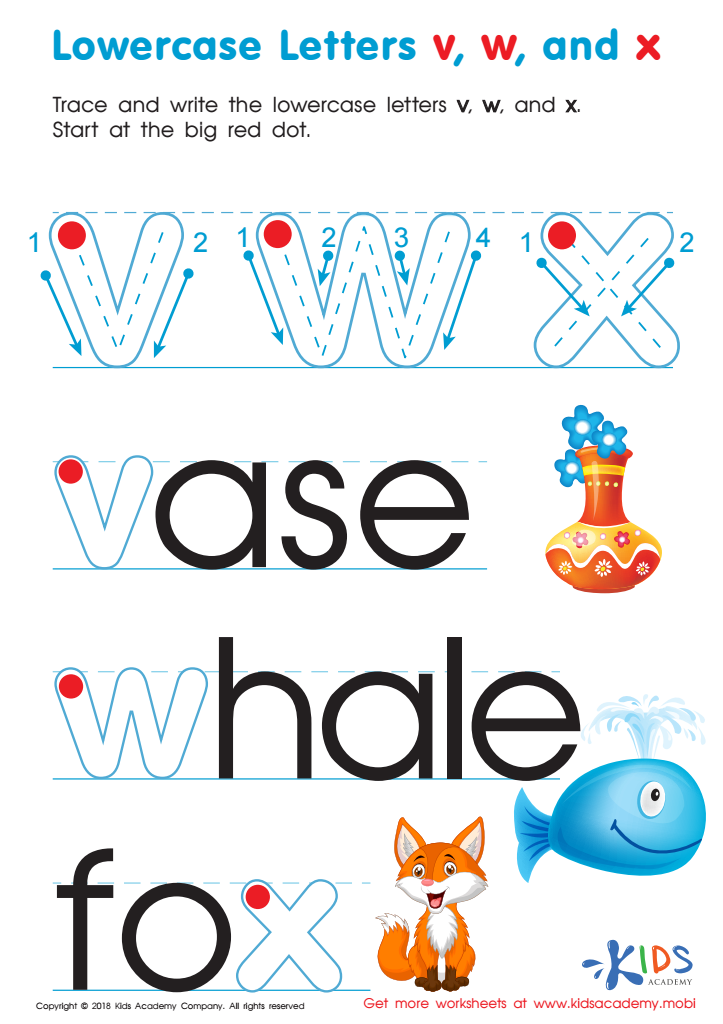
Lowercase Letters v w x Worksheet
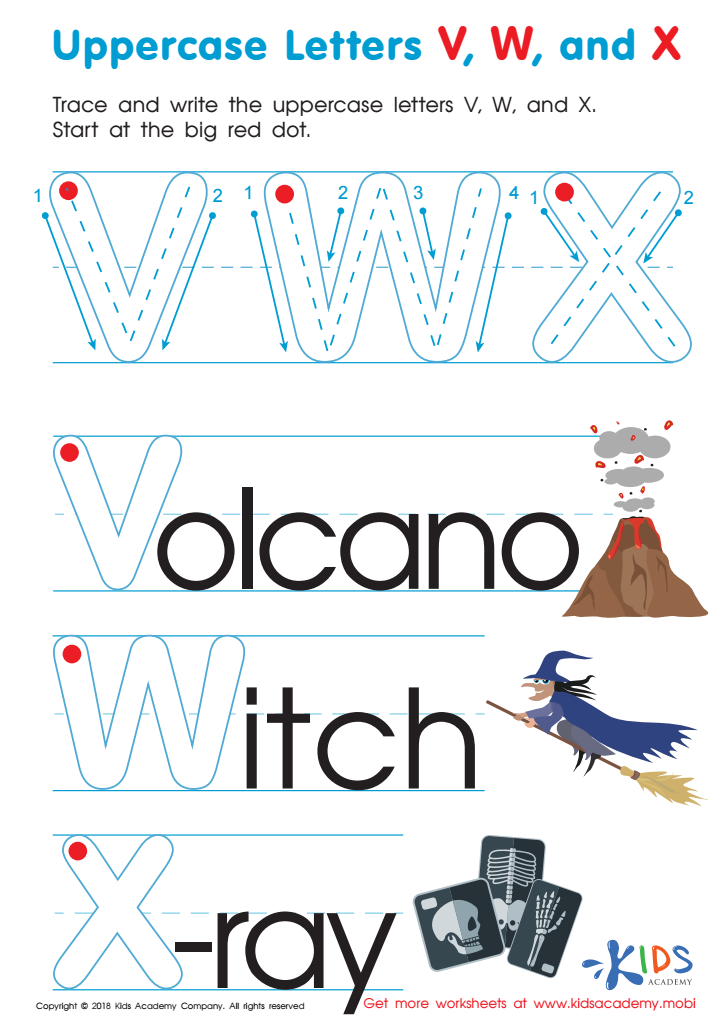
Uppercase Letters V, W, and X Worksheet








Alphabet recognition is a fundamental skill that significantly impacts a child's literacy development, especially for ages 3 to 8. For parents and teachers, understanding the normal milestones in alphabet recognition helps highlight the importance of early learning experiences. Recognizing both uppercase and lowercase letters is a precursor to reading, writing, and overall language comprehension.
At this stage, children are exploring phonics, vocabulary, and sentence structure. Early mastery of alphabet recognition reinforces their confidence and builds a solid foundation for reading. Parents and teachers can use this knowledge to provide activities that promote letter recognition, such as playing with alphabet books, singing songs, or incorporating games and visual aids.
Moreover, awareness of children’s progress can help identify those who might need additional support. Understanding the norms allows caregivers to foster a stimulating environment conducive to effective learning. For example, if a child struggles with recognizing letters compared to peers, targeted interventions can be implemented promptly. Ultimately, enhancing alphabet recognition in early years is vital for nurturing lifelong communication skills and fostering a love for reading, which remains essential for academic success throughout all schooling years.








