Artistic Expression Normal Worksheets for Ages 3-8
8 filtered results
-
From - To
Welcome to our "Artistic Expression Normal Worksheets for Ages 3-8"! Designed to nurture creativity and imagination, our worksheets focus on empowering young artists through engaging activities. Each printable is crafted to support developmental milestones, allowing children to explore colors, shapes, and forms while enhancing their fine motor skills. Whether it's through drawing, coloring, or simple crafts, these worksheets encourage self-expression and inspire a love for art. Ideal for teachers and parents, they provide an excellent resource for fostering creativity in a fun and educational way. Download today and watch your child's artistic journey thrive!
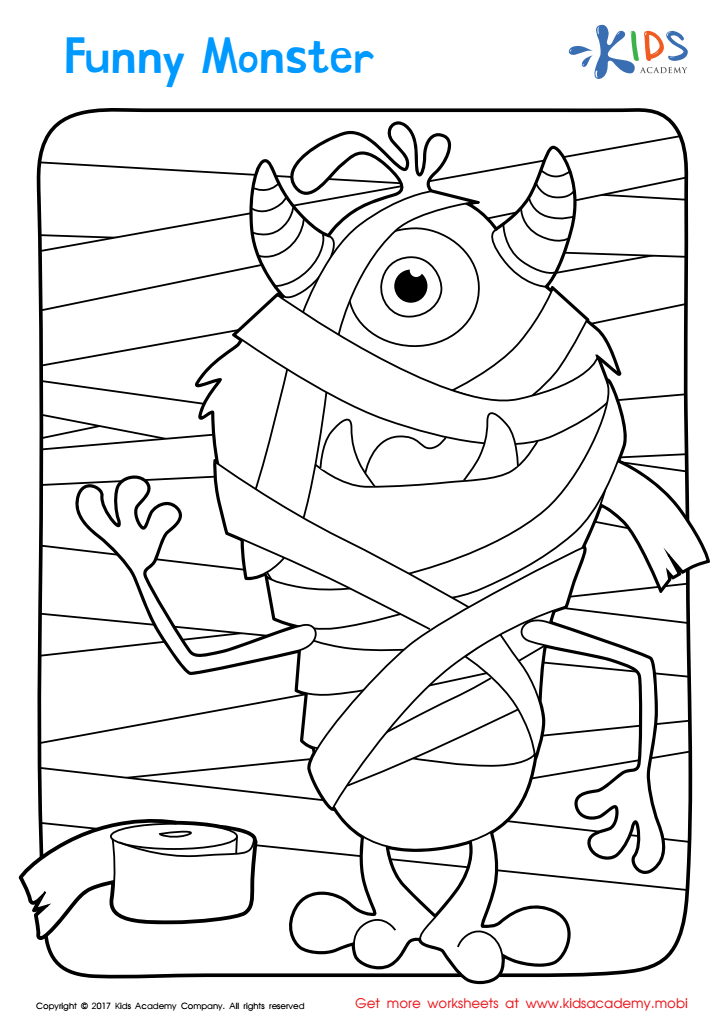
Halloween: A Funny Monster Worksheet
 Assign to My Students
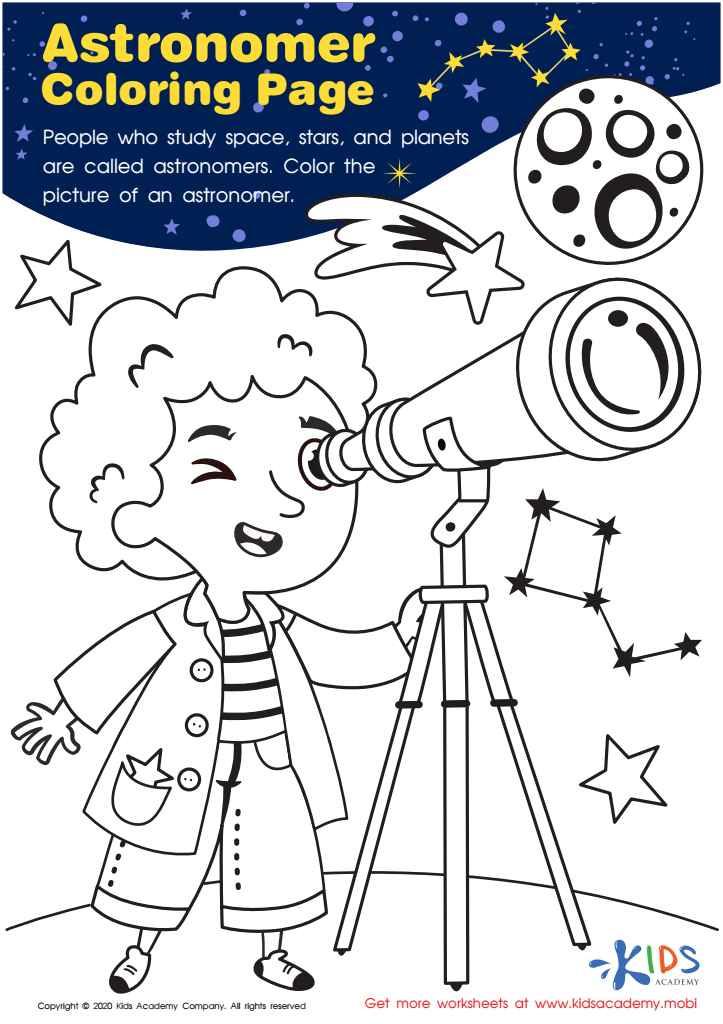
Astronomer Coloring Page Worksheet
Assign to My Students
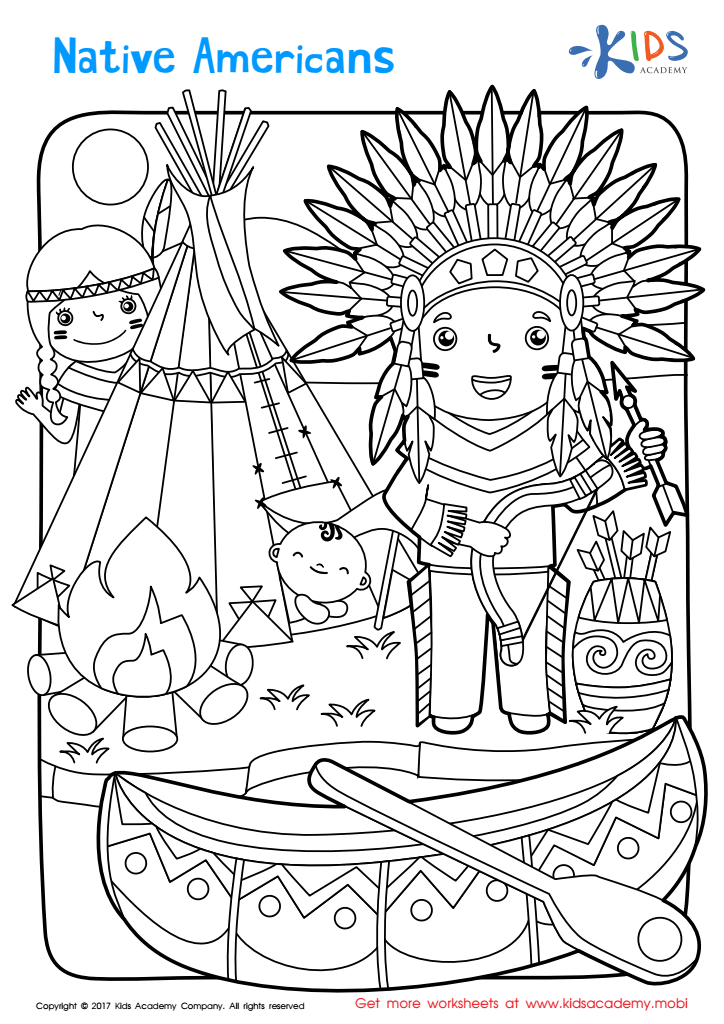
Native American Coloring Page Worksheet
Assign to My Students
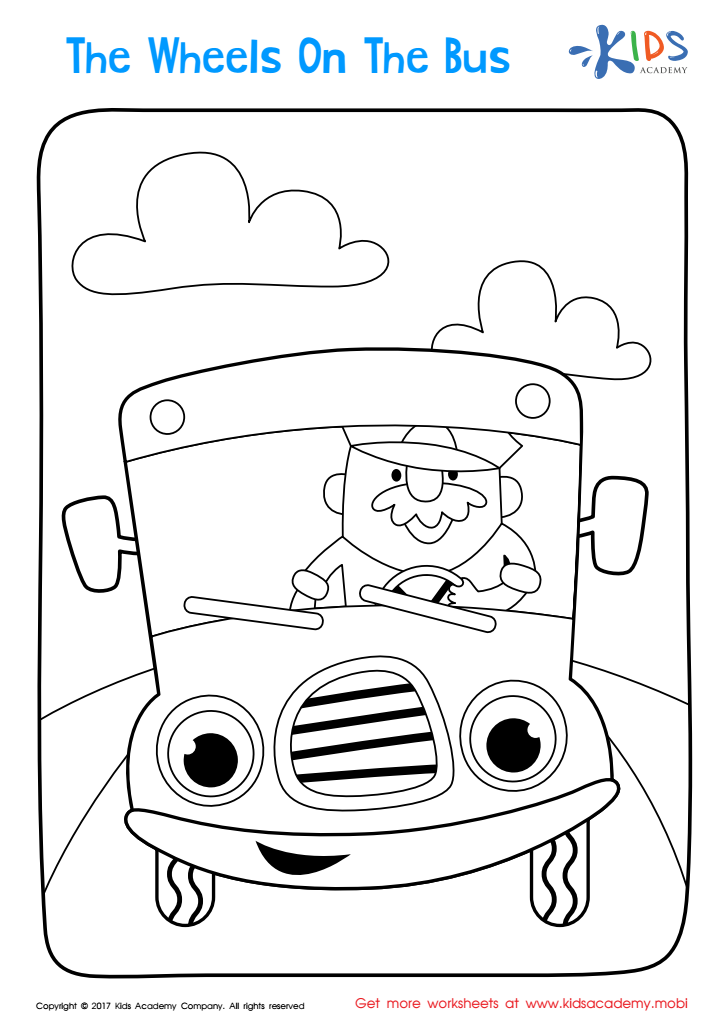
The Wheels on the Bus Coloring Page
Assign to My Students
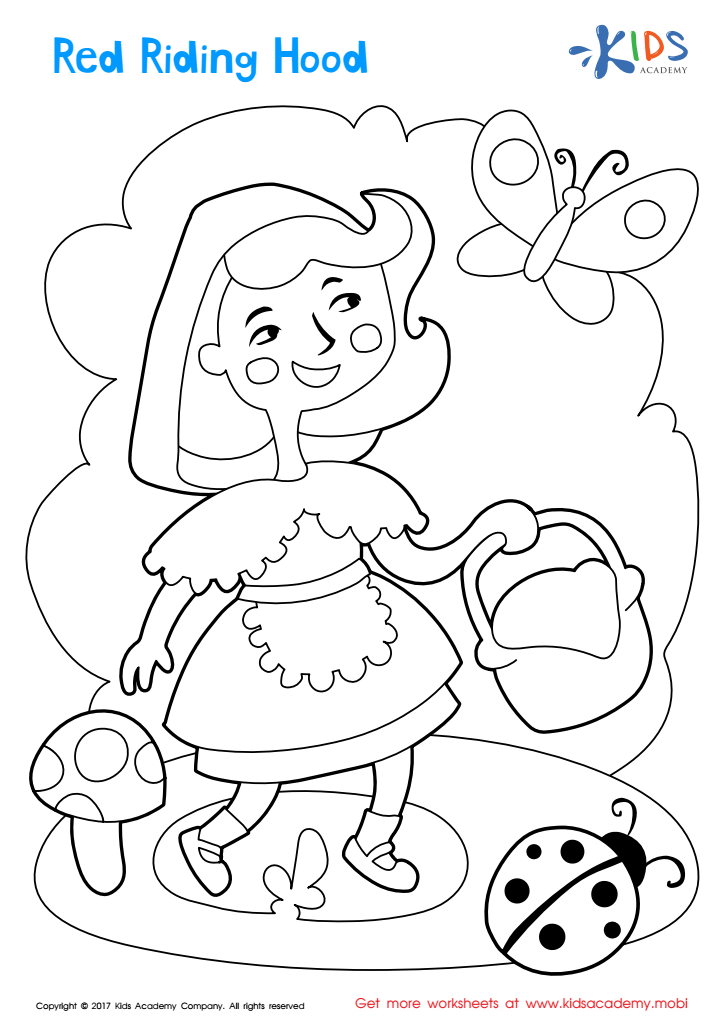
Red Riding Hood Coloring Page
Assign to My Students
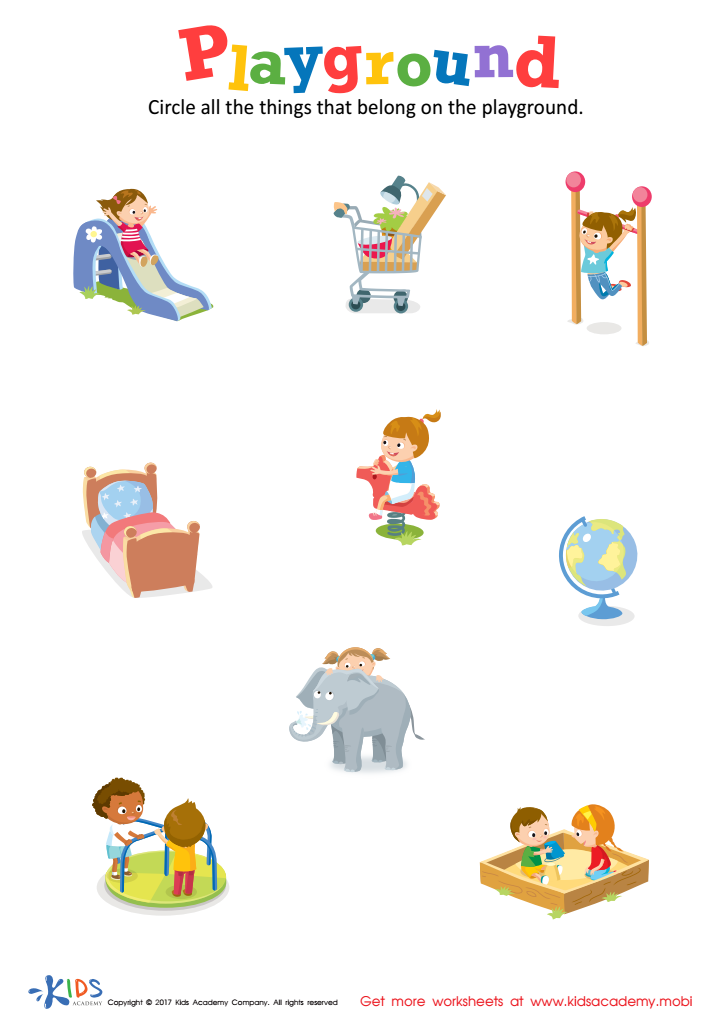
Playground Worksheet
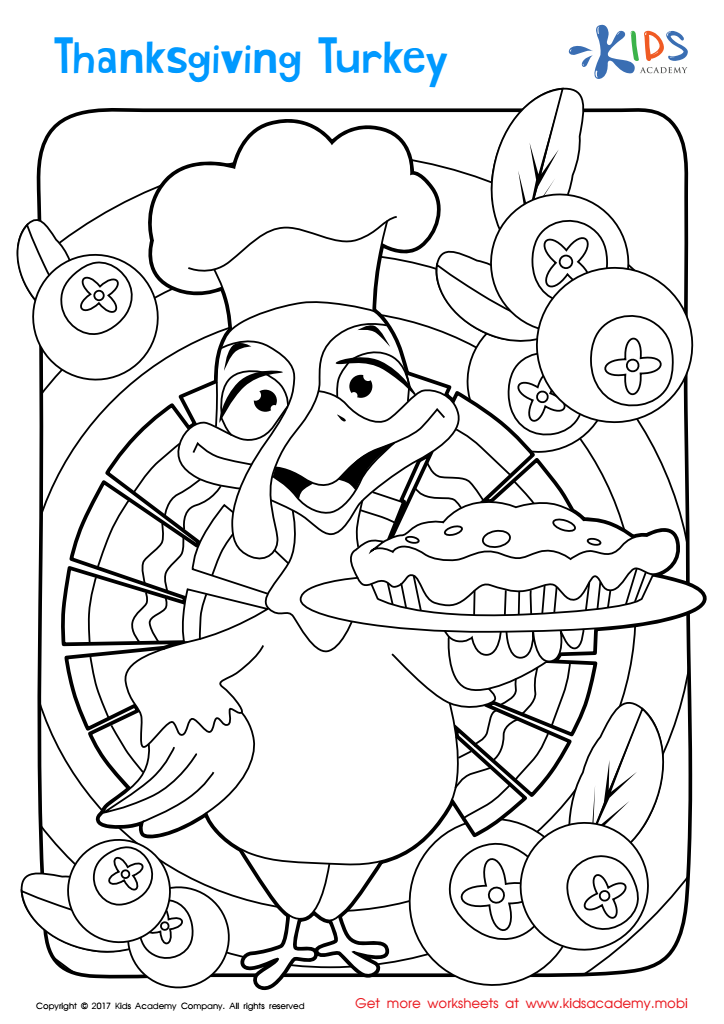
Turkey Thanksgiving Day Worksheet
Assign to My Students
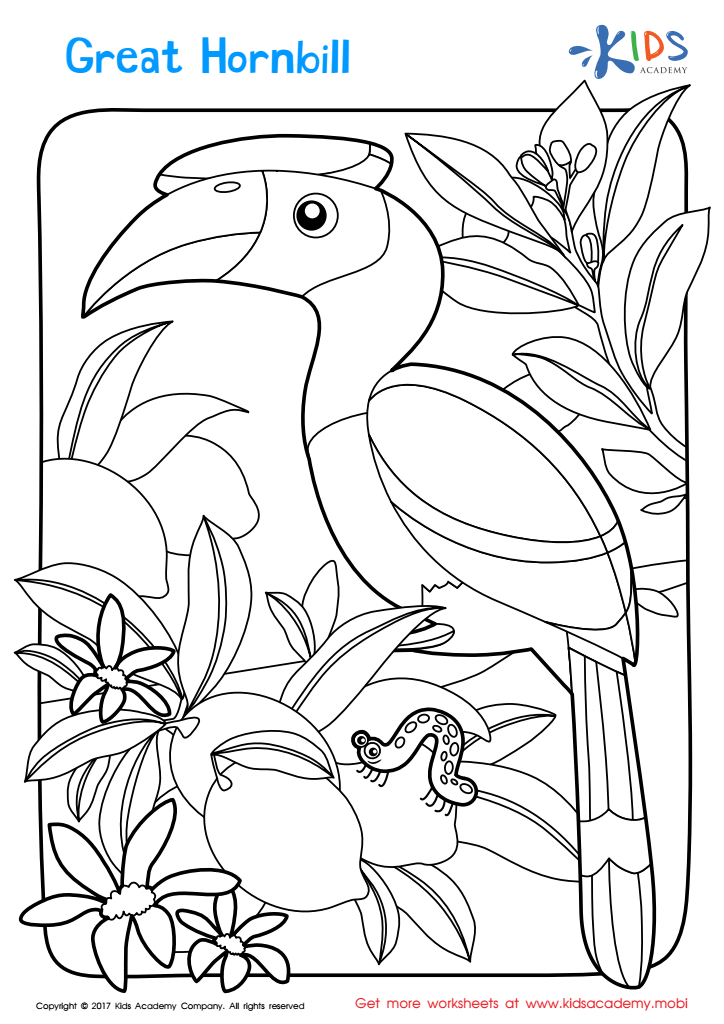
Great Hornbill Worksheet
Assign to My Students




.jpg)
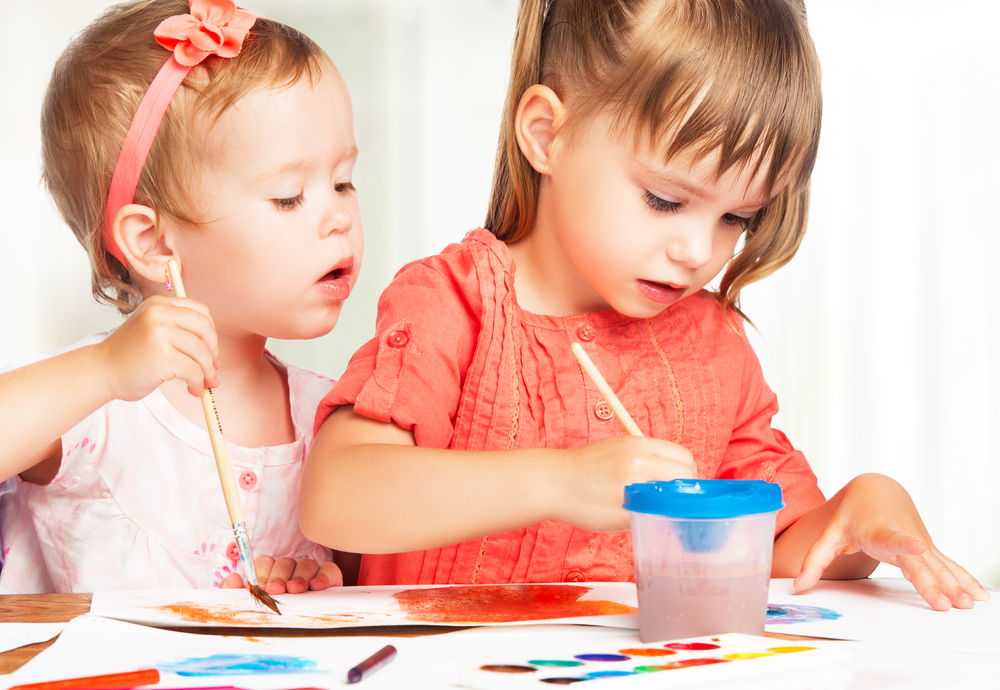
Artistic expression is crucial for children aged 3-8 as it nurtures their emotional, cognitive, and social development. At this age, children are naturally curious and eager to explore the world around them. Engaging in artistic activities like drawing, painting, and crafting fosters creativity, allowing them to express their feelings and thoughts in ways words may not capture. This expression helps to enhance their emotional intelligence, giving them tools to understand and communicate their emotions effectively.
Moreover, artistic activities boost fine motor skills and cognitive development. Manipulating various materials strengthens hand-eye coordination and fine motor skills crucial for tasks like writing and typing later on. Additionally, creating art encourages critical thinking and problem-solving as children learn to make choices, experiment with different techniques, and overcome challenges.
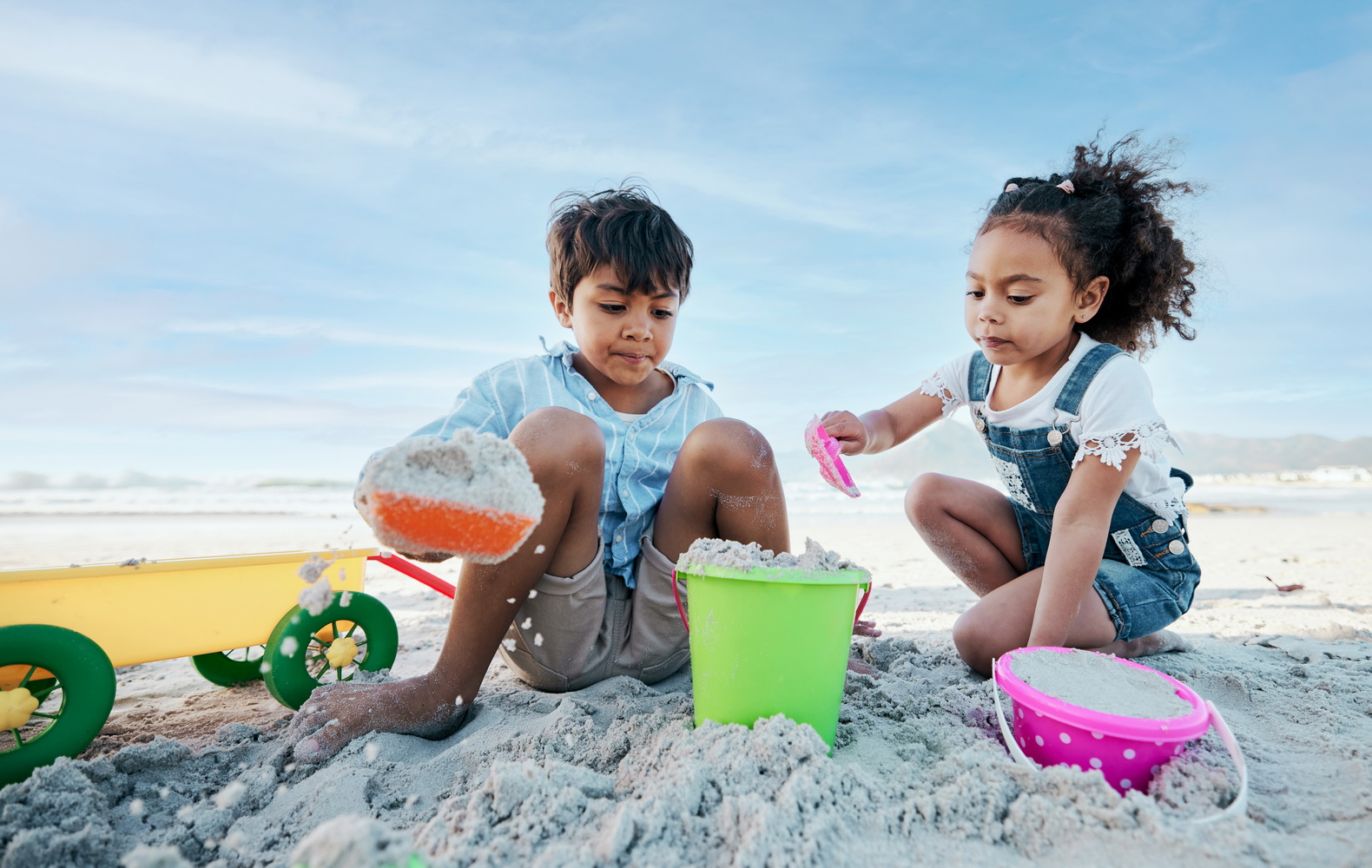
Socially, collaborative art projects promote teamwork and communication skills. Children learn to share ideas, take turns, and respect differing viewpoints, laying the groundwork for positive social interactions.
Encouraging artistic expression in early childhood also instills confidence and a sense of accomplishment, vital for their self-esteem. Thus, parents and teachers should prioritize artistic experiences as essential for holistic development in young children, shaping not only their skills but also their emotional well-being.








