Associative learning Normal Worksheets for Ages 3-8
5 filtered results
-
From - To
Welcome to our "Associative Learning Normal Worksheets" for children aged 3-8! These engaging worksheets are designed to help young learners make connections between ideas, objects, and concepts, fostering critical thinking and cognitive skills. Our materials include a variety of fun activities that promote memory retention and enhance problem-solving abilities. Kids will enjoy matching exercises, identifying patterns, and exploring relationships through colorful images and interactive tasks. Ideal for parents and educators, these worksheets support early childhood development in a playful and effective way. Start your child's journey to learning through association and watch their understanding flourish! Download now and inspire creativity!
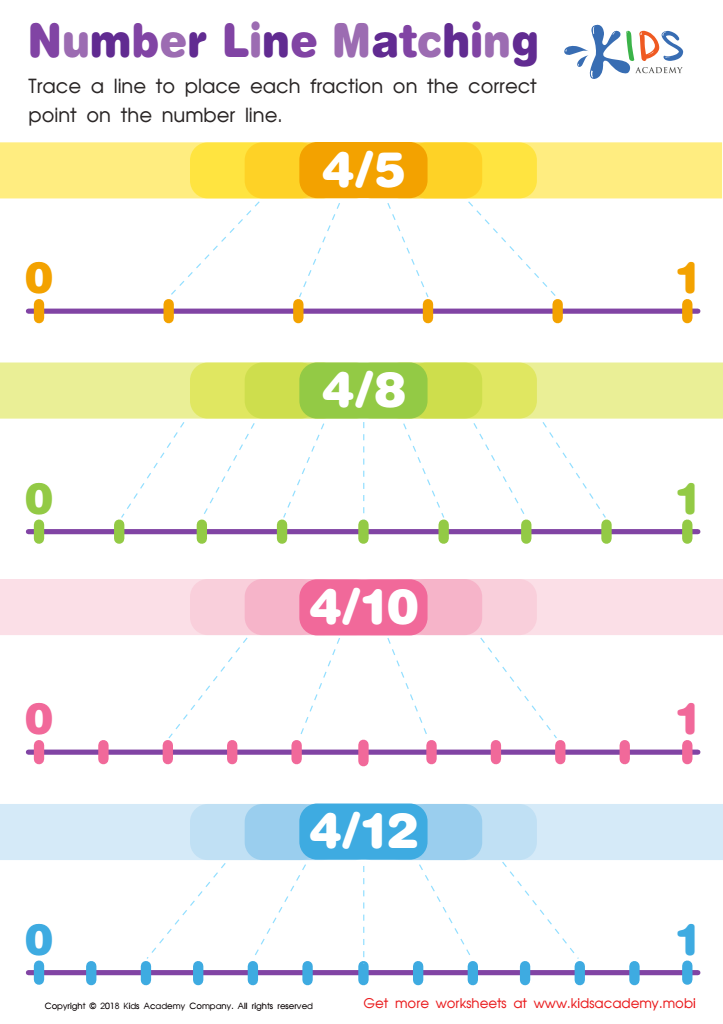
Number Line Matching Worksheet
 Assign to My Students
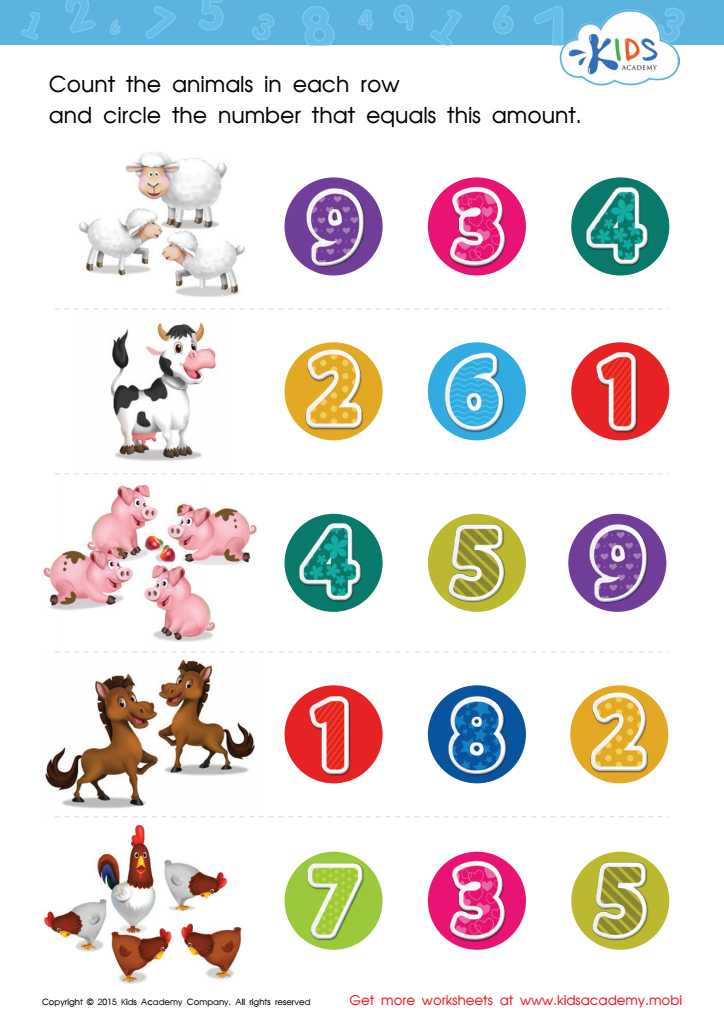
Count and Match 1 – 5 Math Worksheet
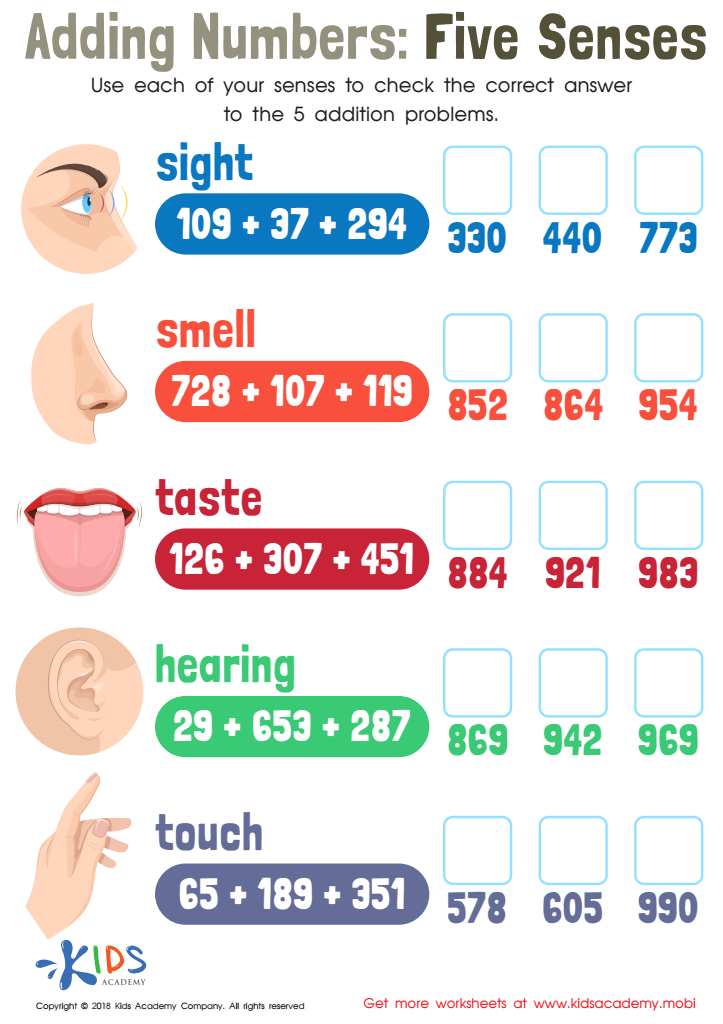
Adding Numbers: Five Senses Worksheet
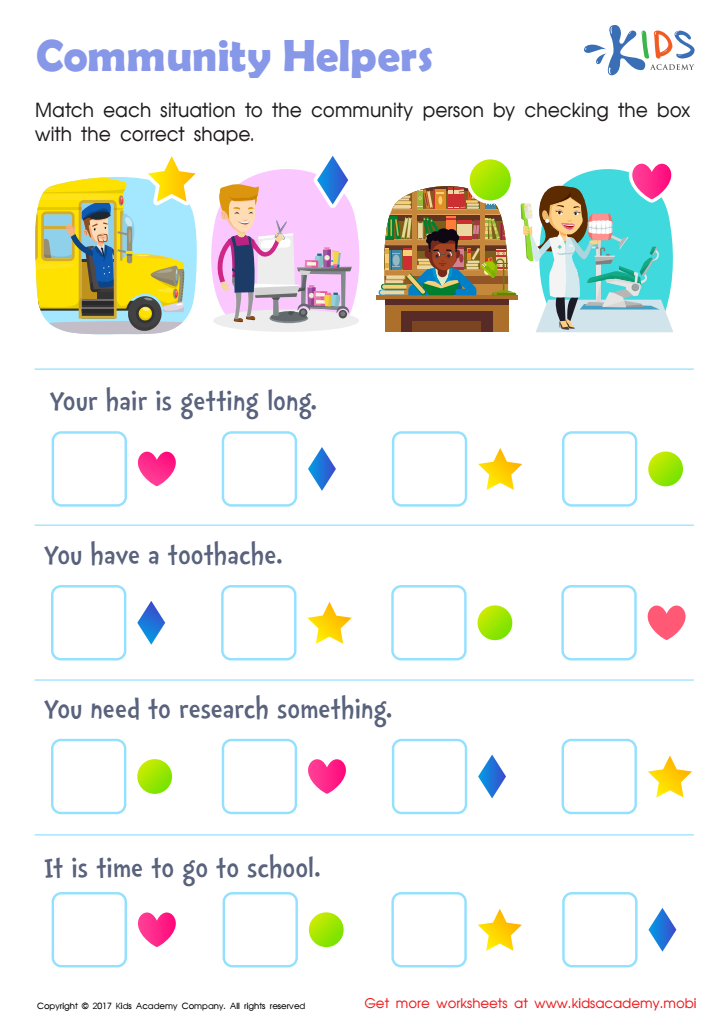







Associative learning is a crucial aspect of cognitive development for children ages 3-8, and understanding its importance can greatly benefit both parents and teachers. At this stage, children are like sponges, rapidly absorbing information and forming connections between concepts, which shapes their future learning.
Parents and teachers should care about associative learning because it lays the foundation for problem-solving skills and critical thinking. By helping children associate new ideas with existing knowledge, they become more engaged learners. This engagement fosters a positive attitude towards education, encouraging them to explore and express their curiosity.
Moreover, associative learning supports language development. Young children learn vocabulary and grammar by relating words to their meanings and experiences. When parents and teachers provide rich, meaningful interactions—such as storytelling, play, and hands-on activities—they harness associative learning potential.
Additionally, fostering a supportive environment for associative learning helps develop social skills. Through group activities and collaborative play, children learn to connect their actions with social consequences, promoting empathy and teamwork. Thus, recognizing the importance of associative learning equips parents and teachers to actively nurture children’s connected thinking, creating a vibrant foundation for lifelong learning.








