Comprehension improvement Normal Worksheets for Ages 3-8
5 filtered results
-
From - To
Boost your child's understanding with our Comprehension Improvement Normal Worksheets for Ages 3-8. Specially designed to enhance learning skills, these worksheets are perfect for early learners aiming to sharpen their reading comprehension. Each activity focuses on key comprehension strategies, helping kids understand texts and answer questions accurately. With a range of fun and interactive exercises, children will build their confidence and expand their abilities in grasping stories and information. Ideal for both classroom and at-home practice, our worksheets support and bolster early educational foundations. Begin your child's journey to better comprehension today!
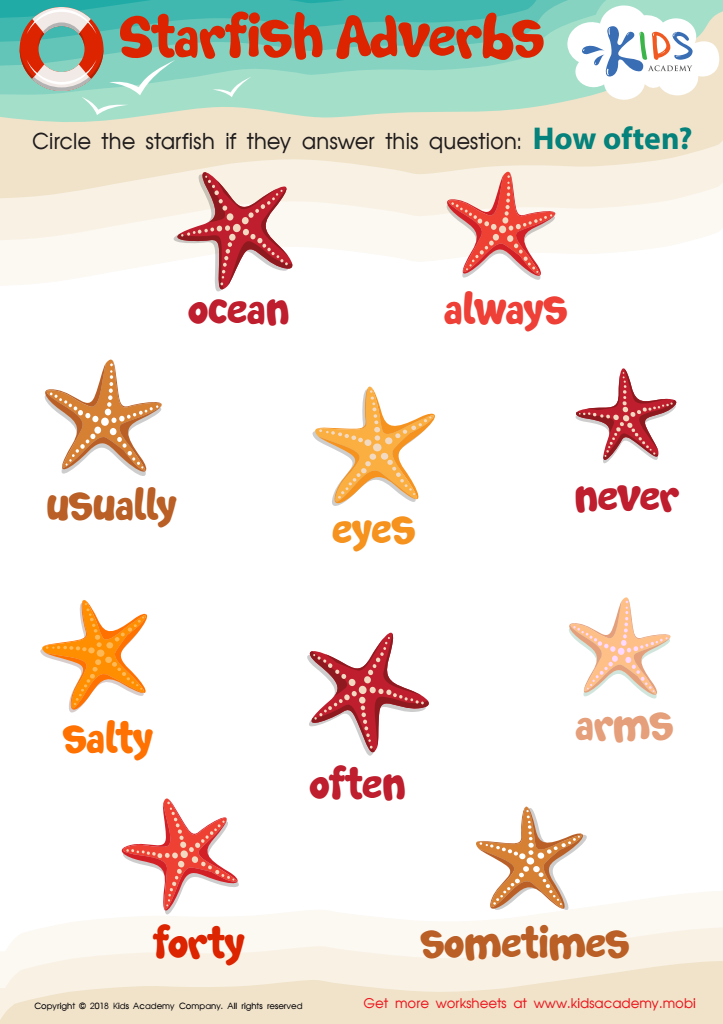
Starfish Adverbs Worksheet
 Assign to My Students
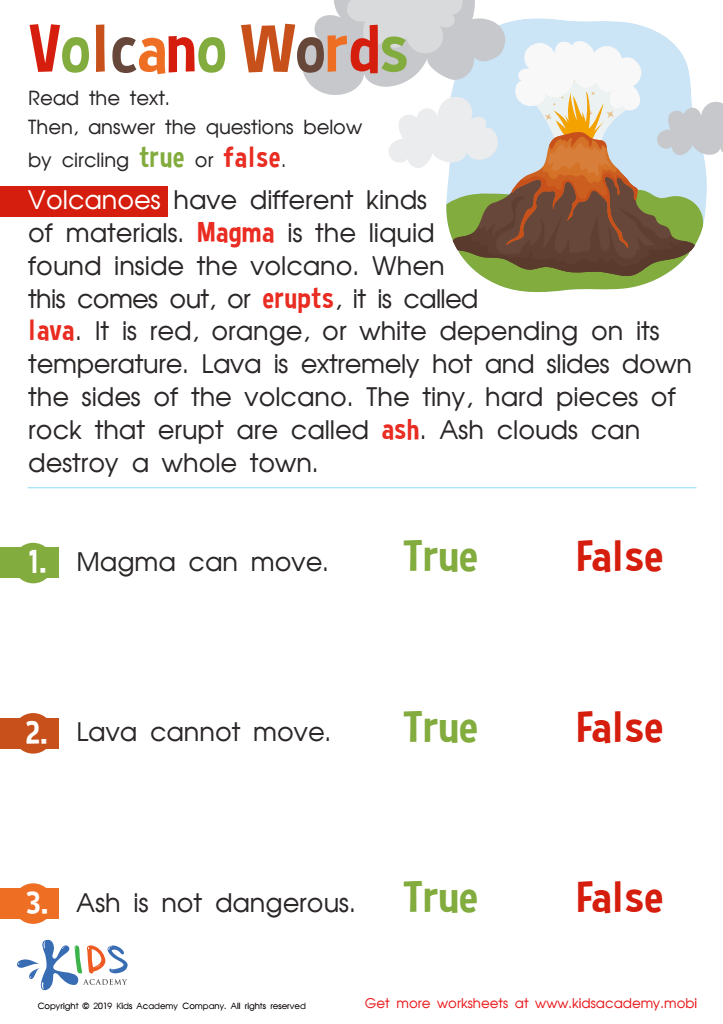
Volcano Words Worksheet
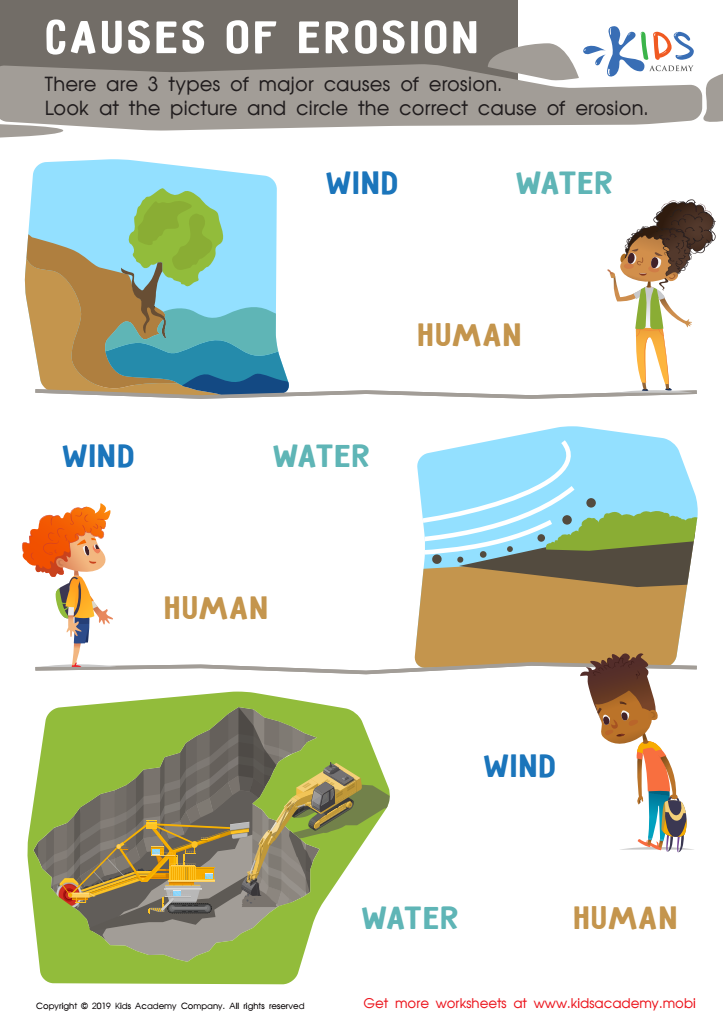
Causes of Erosion Worksheet
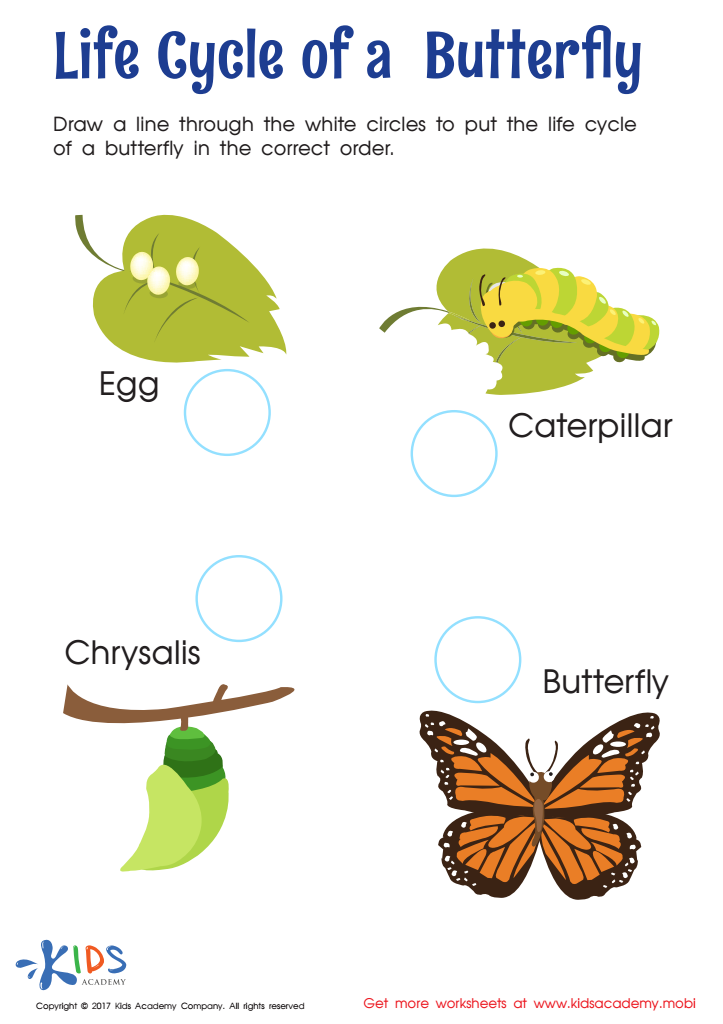
Life Cycle of Butterfly Worksheet
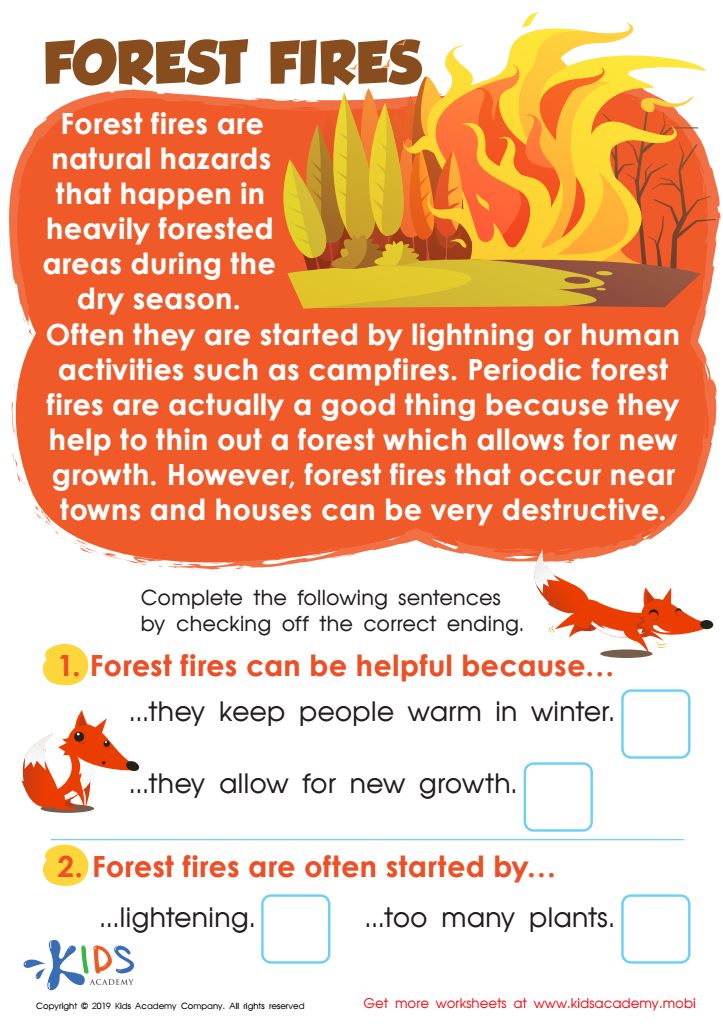
Forest Fires Worksheet




.jpg)



Comprehension development in ages 3-8 is foundational for a child’s long-term academic and life success, making it a critical focus for parents and teachers. During this period, children are in a rapid state of cognitive growth, establishing the essential skills for learning how to read, process information, and communicate effectively. Strong comprehension skills improve their ability to understand stories, instructions, and explanations, fostering a love for reading and a curiosity about the world around them.
For parents, supporting comprehension means nurturing a deeper bond with their child by engaging in joint reading activities, asking questions, and discussing stories. This not only helps in vocabulary development and sentence formation but also enhances social, emotional, and cognitive abilities, allowing children to express thoughts and understand others better.
For teachers, emphasizing comprehension improvement prepares children for more advanced learning. It enables young learners to grasp classroom material more efficiently, leading to better academic performance in all subjects. Strategies such as interactive read-alouds, visual aids, and comprehension exercises equip students with critical thinking skills early on.
Ultimately, fostering comprehension from ages 3-8 sets a strong precedent for future learning, creating a robust foundation on which children can build throughout their educational journey. Therefore, parents and teachers play an instrumental role in cultivating these essential skills, ensuring children thrive both in and out of the classroom.








