Critical thinking development Normal Worksheets for Ages 3-8
10 filtered results
-
From - To
Unlock your child's potential with our "Critical Thinking Development Normal Worksheets" for ages 3-8! Designed to engage young minds, these worksheets stimulate curiosity and promote essential problem-solving skills. Each activity encourages children to think critically, make decisions, and explore creative solutions while having fun. Our diverse range of age-appropriate tasks caters to various learning styles, ensuring that every child can thrive. Perfect for home or classroom use, these worksheets help build a strong foundation for lifelong learning. Explore our collection today and empower your child to tackle challenges with confidence and creativity! Start their journey toward critical thinking excellence!
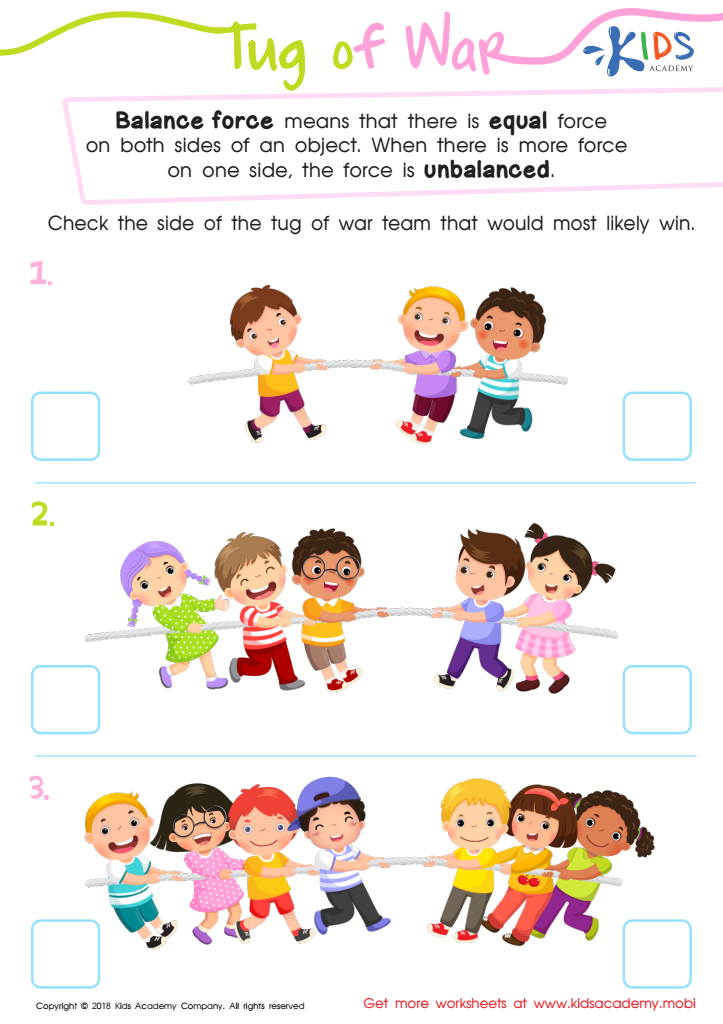
Balanced Forces Worksheet
 Assign to My Students
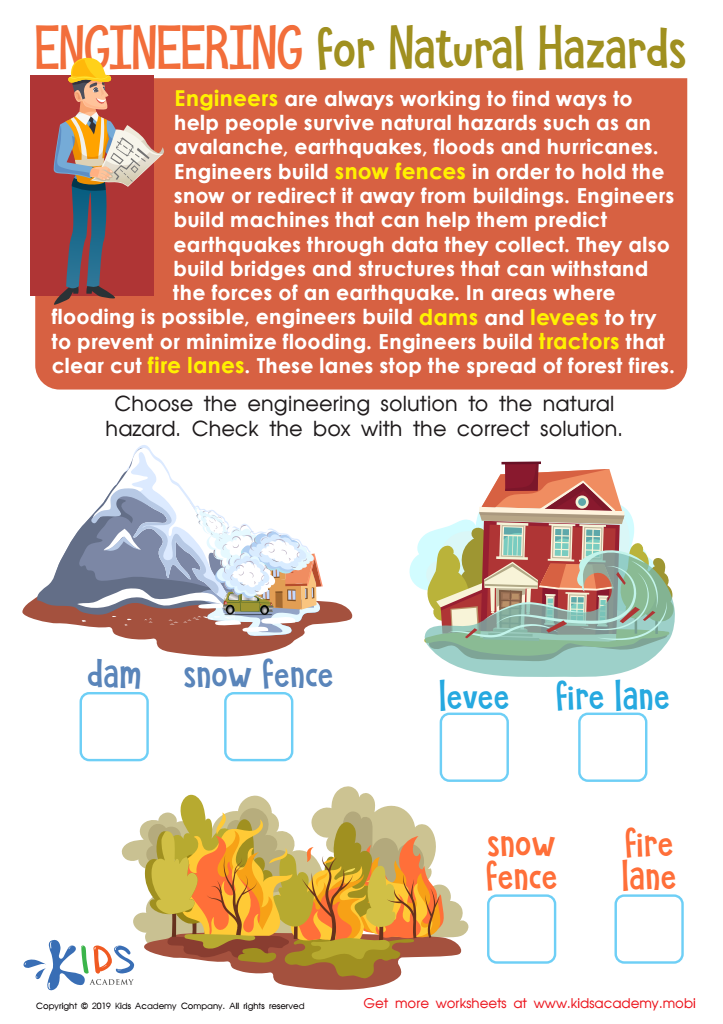
Engineering Natural Hazards Worksheet
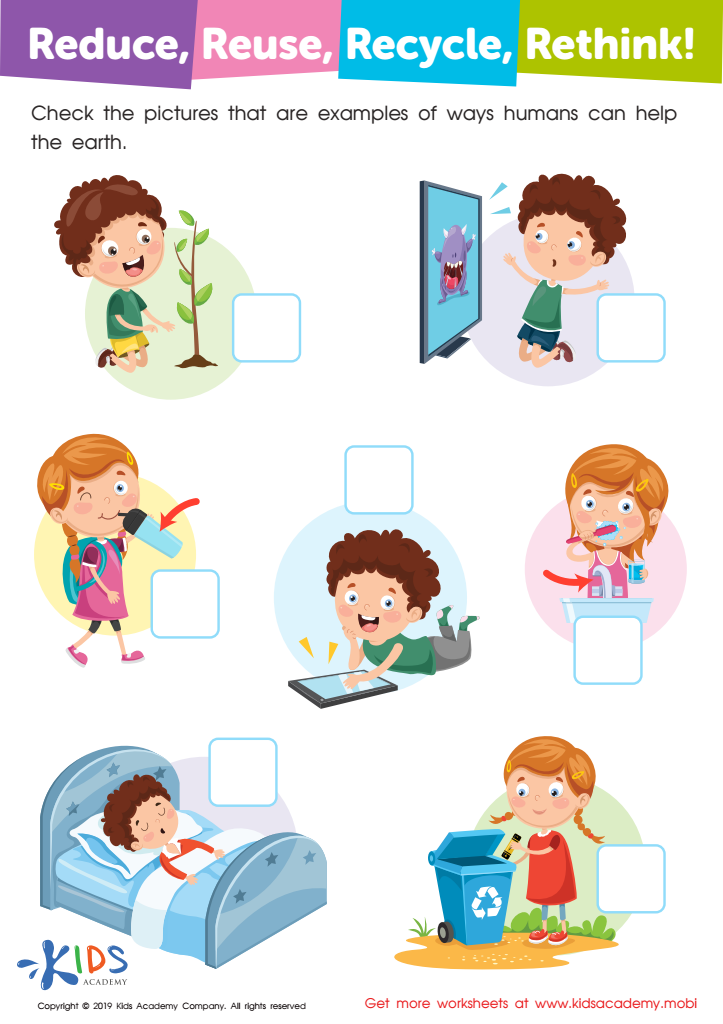
Reduce, Reuse, Recycle, Rethink Worksheet
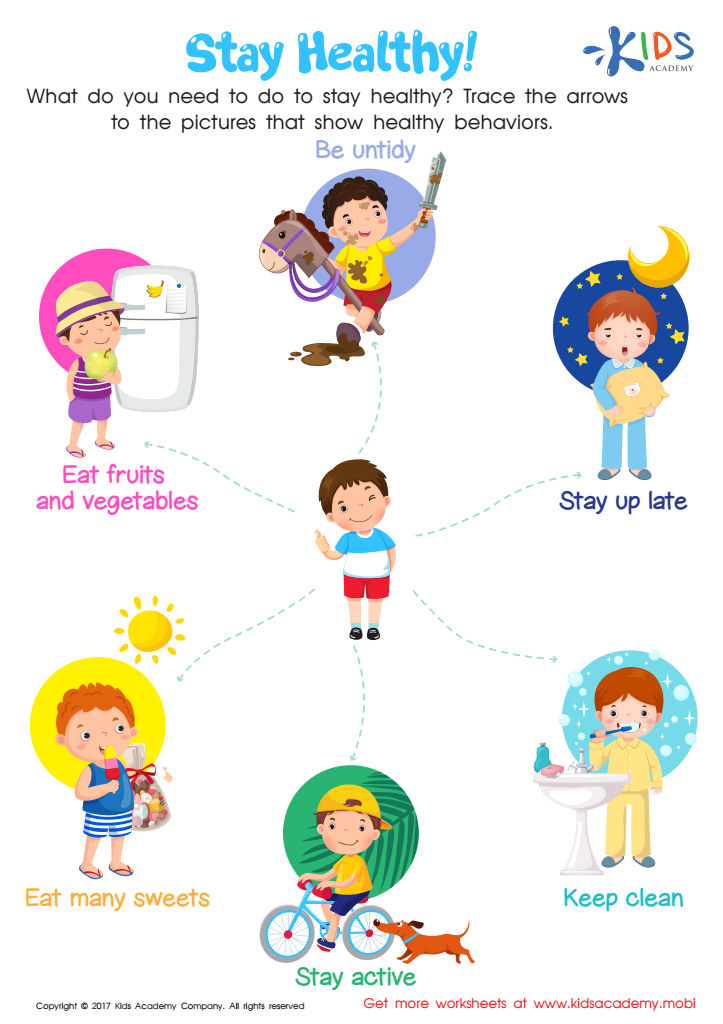
Healthy and Unhealthy Behaviors Worksheet
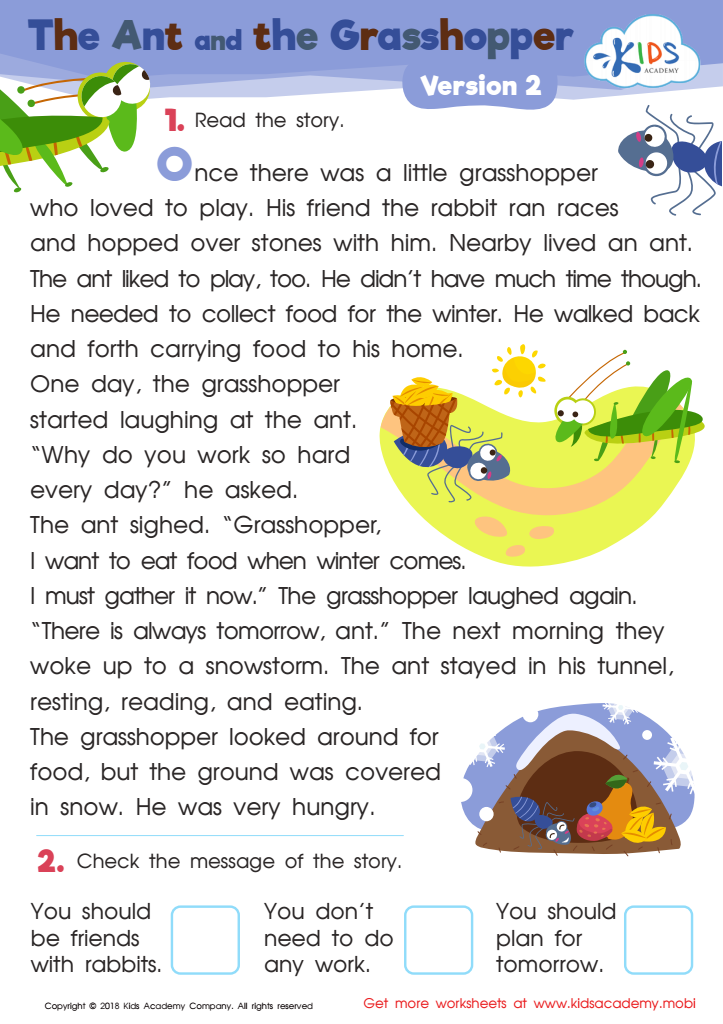
The Ant and The Grasshopper Version 2 Worksheet
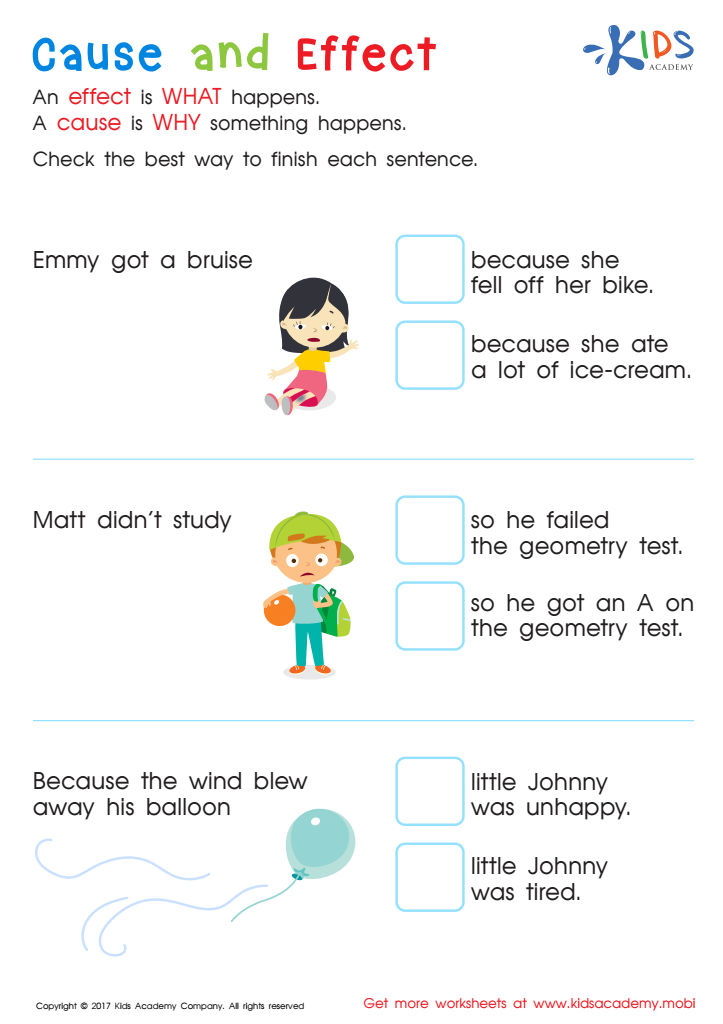
Cause and Effect Worksheet
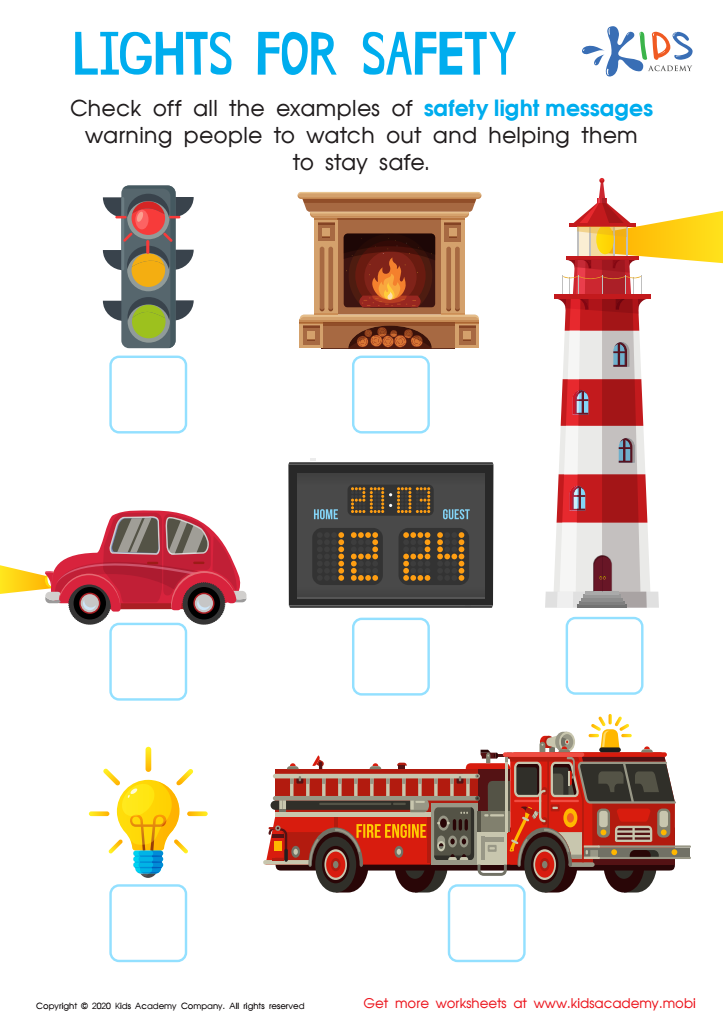
Lights for Safety Worksheet
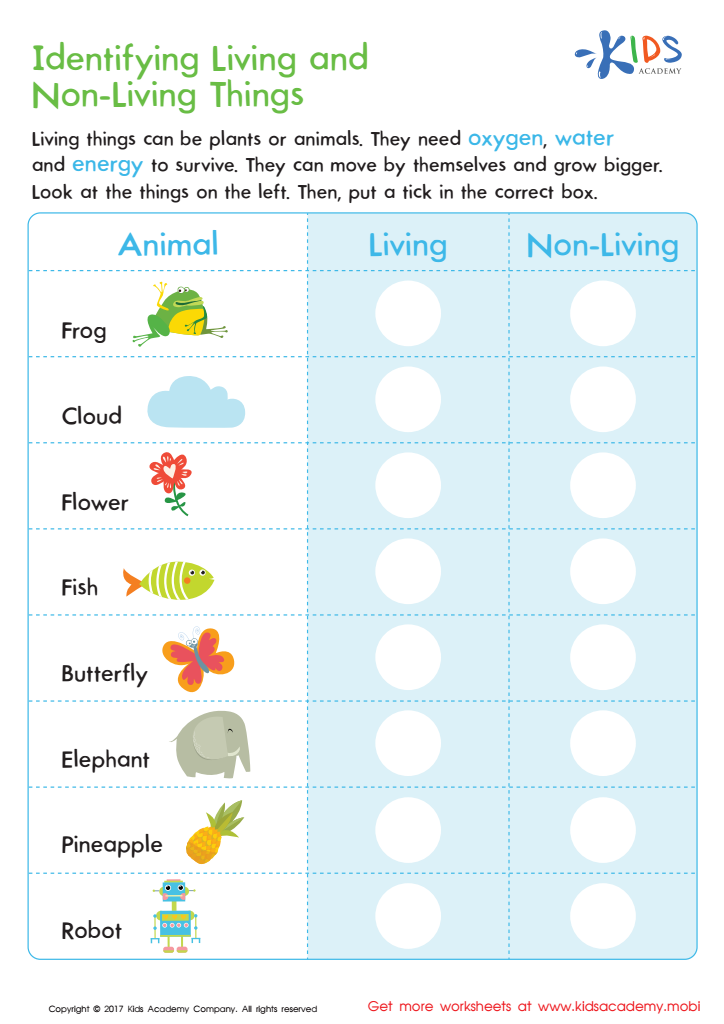
Identifying Living or Non–living Worksheet
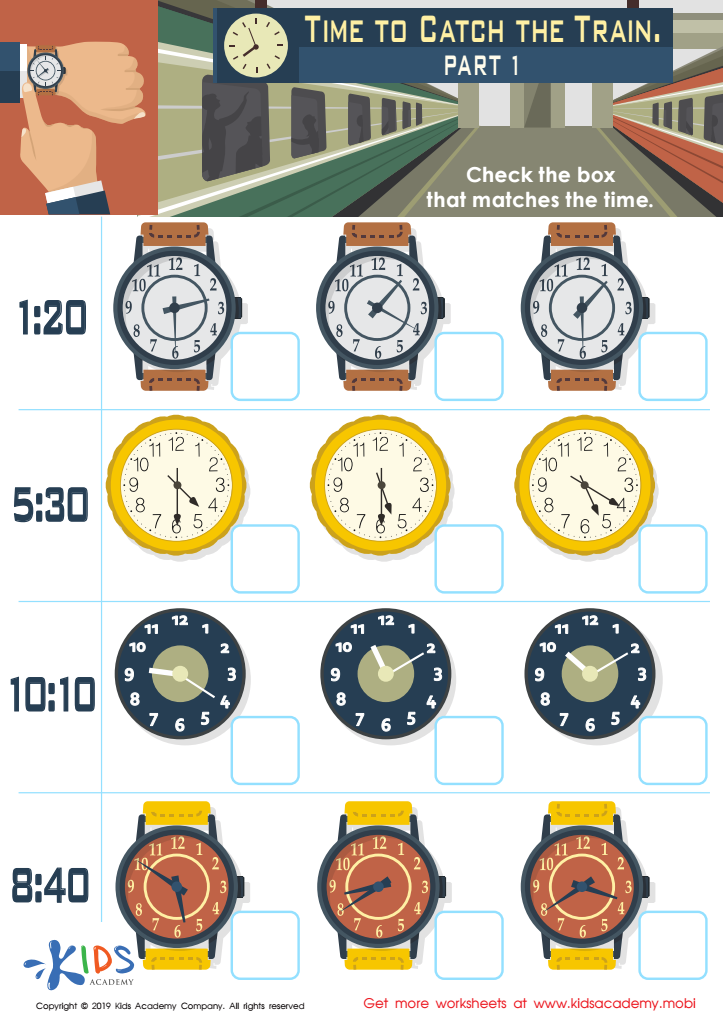
Time to Catch the Train Part 1 Worksheet
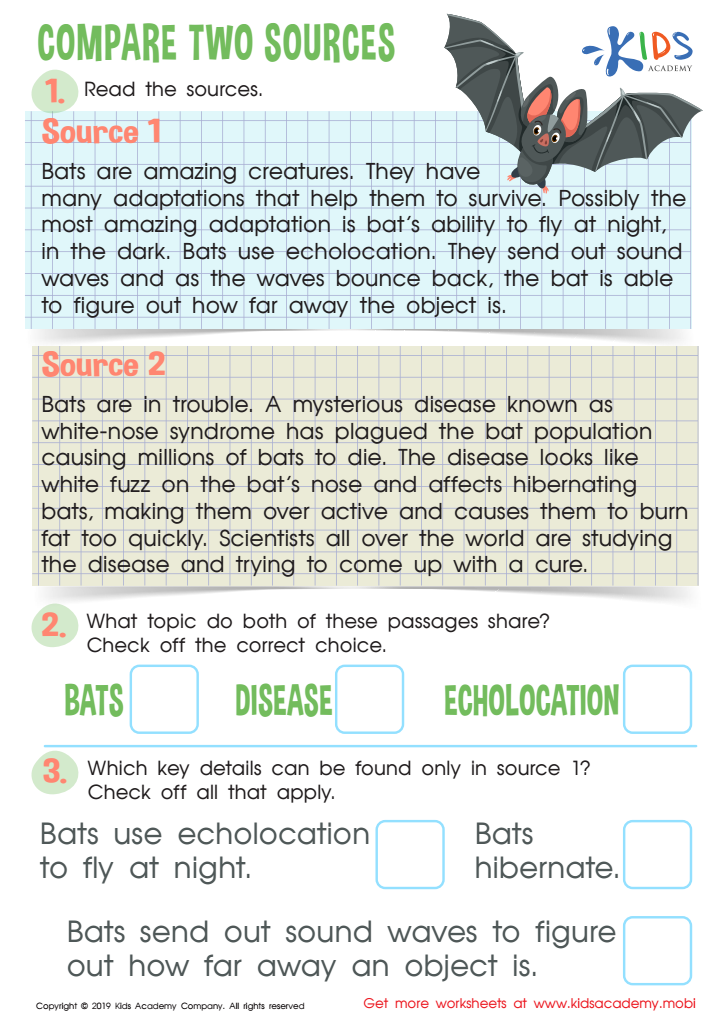
Compare Two Sources Worksheet







Parents and teachers should prioritize the development of critical thinking skills in children aged 3-8 because these formative years lay the foundation for lifelong learning. During this stage, children are naturally curious, exploring the world around them and asking questions. Encouraging critical thinking nurtures this curiosity, enabling them to analyze information, make decisions, and solve problems effectively.
Essentially, critical thinking fosters a child's ability to think independently. It empowers them to evaluate the validity of the information they encounter, differentiate fact from opinion, and develop informed insights. This skill is crucial in an age where young learners are surrounded by diverse information sources, including digital media.
Moreover, critical thinking enhances creativity and innovation, allowing children to approach challenges with an open mind. When children engage in activities that require logical reasoning, such as puzzles, storytelling, or group discussions, they learn to articulate their thoughts and consider different perspectives.
Ultimately, promoting critical thinking in early childhood not only supports academic achievement but also prepares children to be thoughtful, engaged citizens. By investing in this skill, parents and teachers ensure that children develop the ability to navigate complexities in an increasingly interconnected world.








