Developing logical thinking Normal Worksheets for Ages 3-8
4 filtered results
-
From - To
Developing Logical Thinking Normal Worksheets for Ages 3-8 are expertly designed to cultivate your child's critical thinking skills from an early age. These engaging and effective worksheets are tailored for children aged 3 to 8, blending fun with fundamental learning activities. Through puzzles, patterns, and problem-solving exercises, kids grasp essential concepts in logic and deductive reasoning. As they progress, young learners build a strong foundation for future academic success, enjoying entertaining practice that stimulates cognitive development. Foster your child's logical thinking capabilities with our carefully crafted worksheets, providing a perfect balance of challenge and enjoyment. Start unlocking potential today!
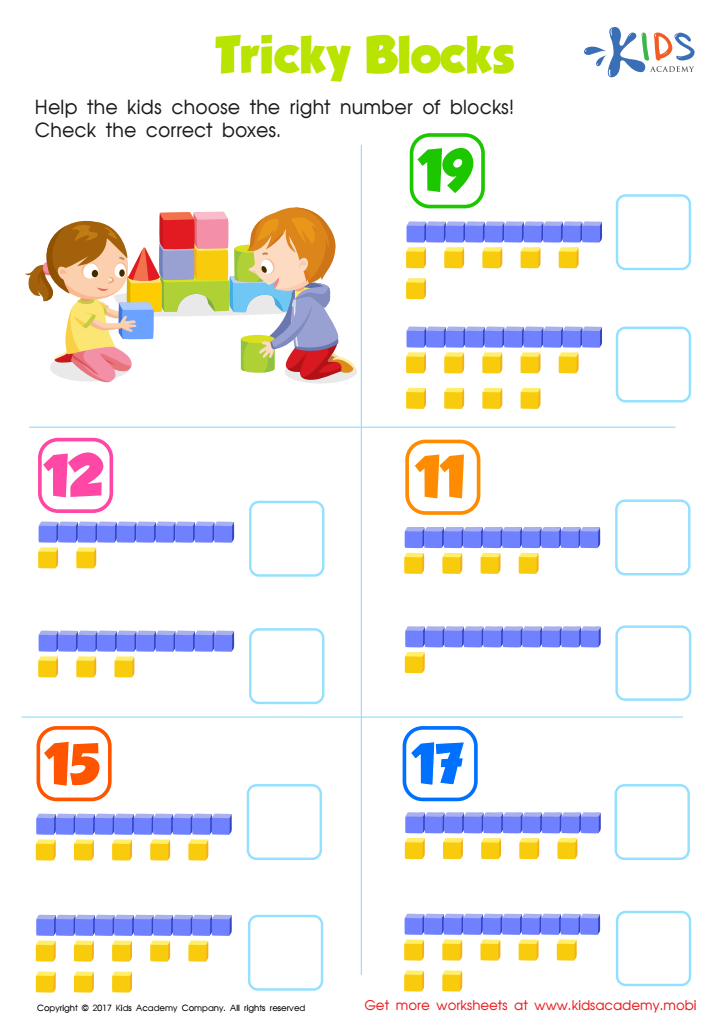
Tricky Blocks Worksheet
 Assign to My Students
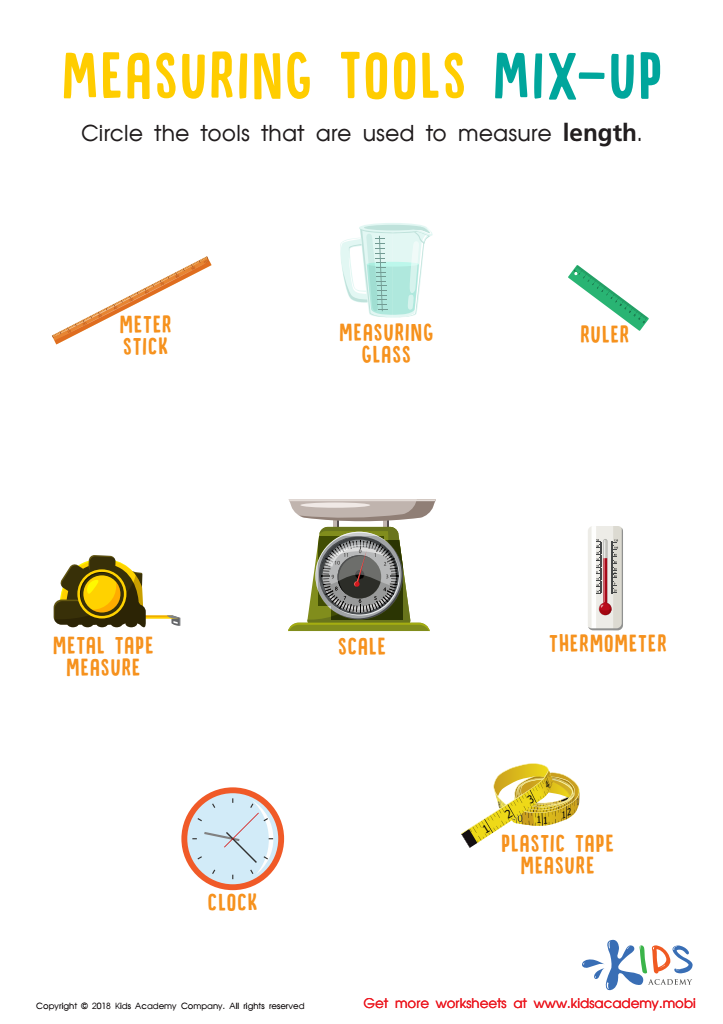
Measuring Tools Mix–up Worksheet
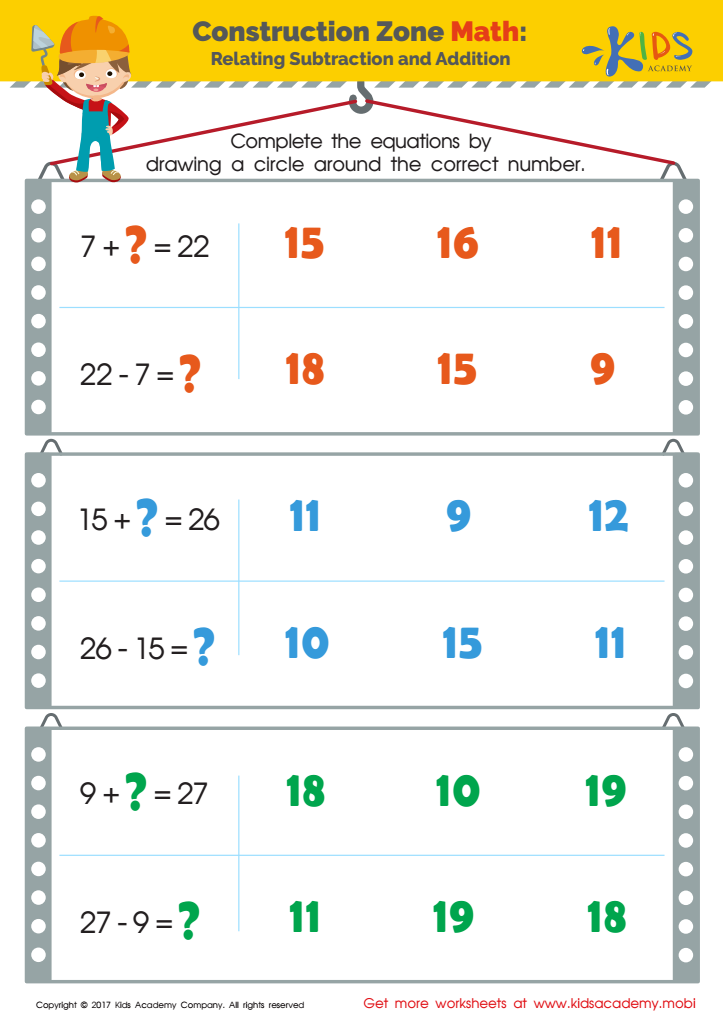
Related Addition and Subtraction Facts Worksheet
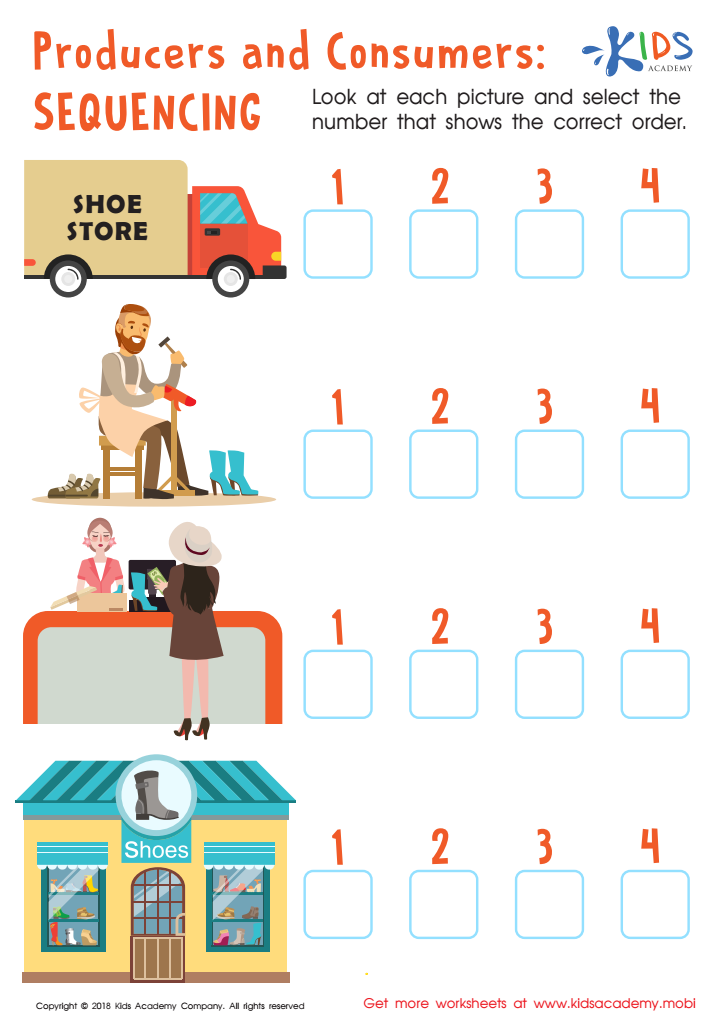
Producers and Consumers: Sequencing Worksheet








Developing logical thinking in children ages 3-8 is crucial for their overall cognitive growth and future academic success. During these formative years, young minds are highly receptive and can absorb new concepts quickly. Logical thinking lays the groundwork for problem-solving skills, which are essential in everyday life and academics.
When children learn to categorize objects, recognize patterns, and understand cause-and-effect relationships, they enhance their ability to make sense of the world around them. These skills also foster independence, as children learn to approach tasks and challenges systematically. For example, a child who can logically deduce how to assemble a puzzle or sort blocks by color and size builds confidence and enjoys learning.
Moreover, logical thinking is closely linked to literacy and numeracy. Understanding sequences in a story aids reading comprehension, while organizing numbers promotes math skills. These abilities are fundamental for success in higher education and beyond.
Equally important, logical thinking encourages curiosity and a love for learning. It teaches children to ask questions, seek answers, and think critically. By supporting logical thinking development, parents and teachers help children become more adaptable, creative, and resourceful individuals, equipping them with tools that will benefit them throughout their lives.








