Directional understanding Normal Worksheets for Ages 3-8
3 filtered results
-
From - To
Enhance your child's directional understanding with our engaging Normal Worksheets designed for ages 3-8. These printable resources focus on essential concepts such as left, right, up, down, and more, fostering foundational skills through fun activities. Tailored to various developmental stages, our worksheets utilize colorful illustrations and interactive exercises to captivate young learners. By practicing directional terms, children will improve their spatial awareness and critical thinking abilities. Perfect for home or classroom use, these worksheets make learning enjoyable and effective. Start your child's journey towards mastering direction with our thoughtfully crafted materials that promote skill development and confidence!
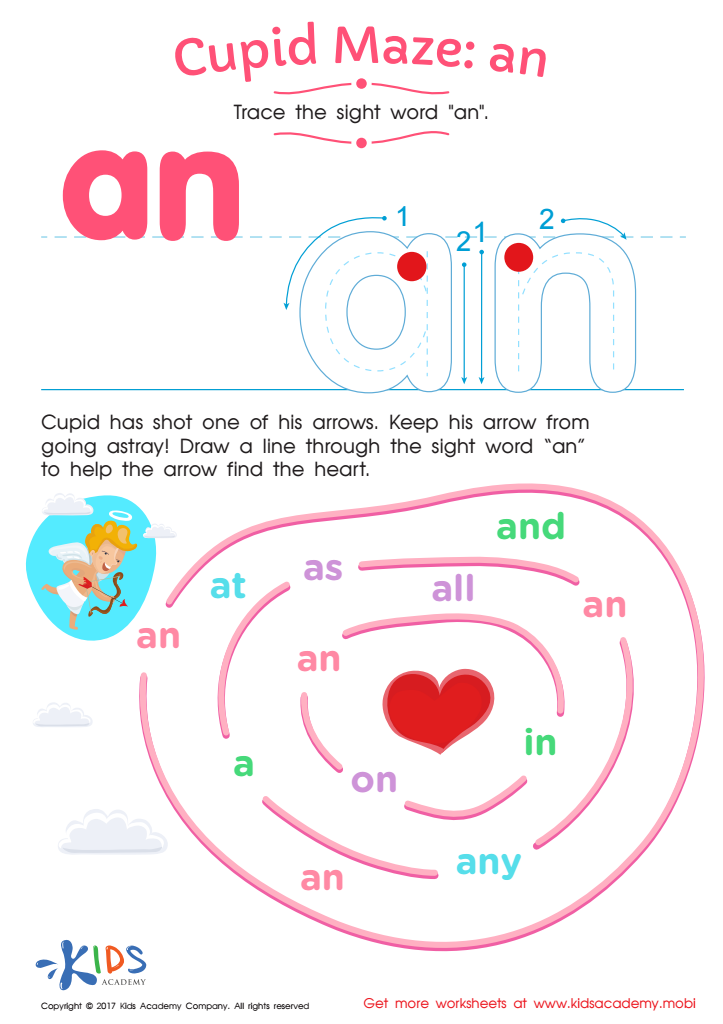
Cupid Maze: An Printable
 Assign to My Students
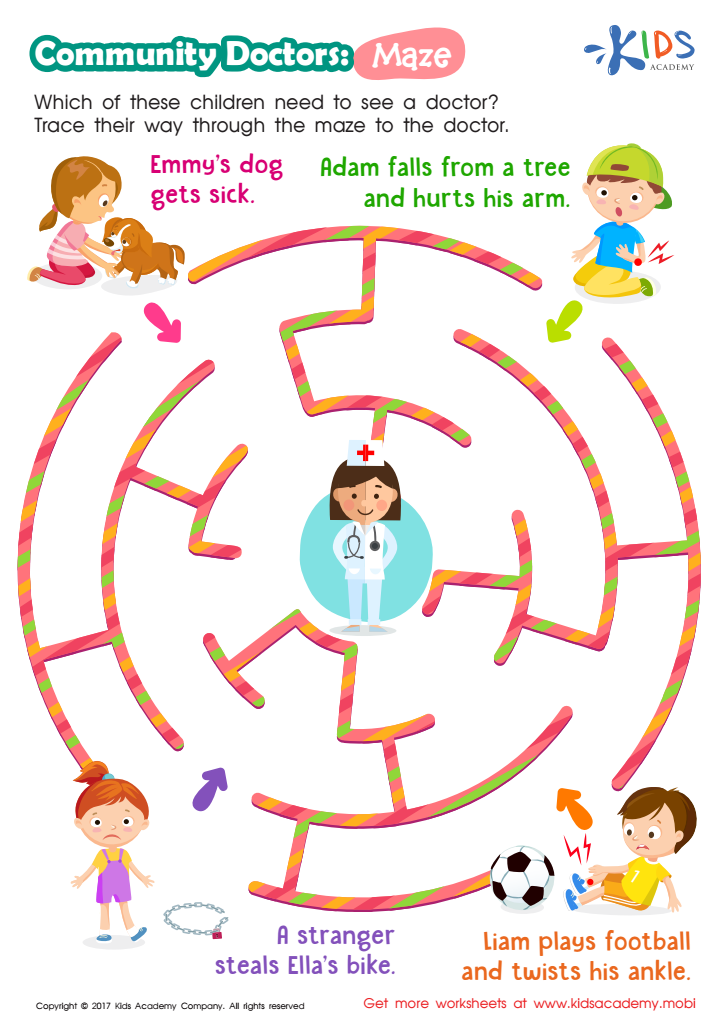
Community Doctors: Maze Printable
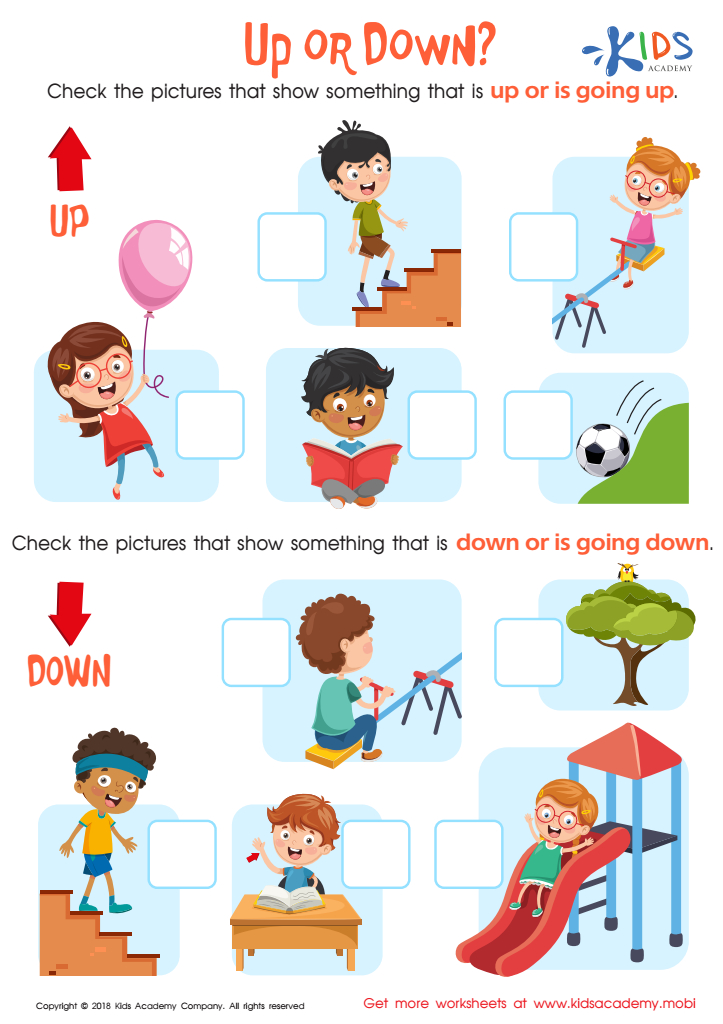
Up or Down Worksheet



.jpg)


Directional understanding is crucial for young children aged 3-8 as it forms the foundation for spatial awareness, navigation skills, and more complex cognitive functions. By mastering concepts such as "left," "right," "up," and "down," children can better understand their environment and communicate effectively with others. This foundational skill leads to greater confidence and competence in various activities, from climbing playground equipment to following multi-step directions in games and academic tasks.
For teachers, fostering directional understanding enhances curriculum delivery and promotes a more engaging learning experience. Activities involving movement, like obstacle courses or interactive storytelling, can serve to reinforce these concepts while aligning with physical development goals.
Parents also play a key role in cultivating directional understanding at home. Simple activities such as playing pretend games, using directional language in everyday conversations, or guiding them through a treasure hunt can sharpen this skill.
Ultimately, nurturing directional understanding sets the stage for critical thinking, problem-solving, and early math skills. By prioritizing this aspect of development, both parents and teachers contribute to a child’s holistic growth, ensuring they are equipped to tackle more complex tasks as they progress in their education.








