Hand-eye Coordination Normal Worksheets for Ages 3-8 - Page 2
35 filtered results
-
From - To
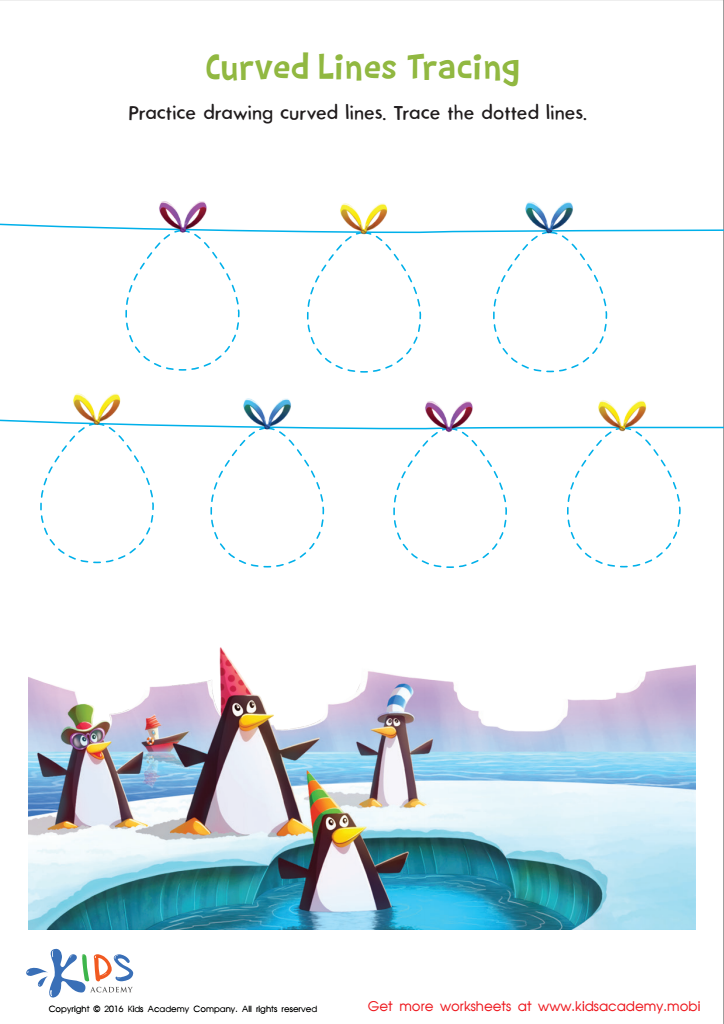
Curved Lines Tracing Worksheet
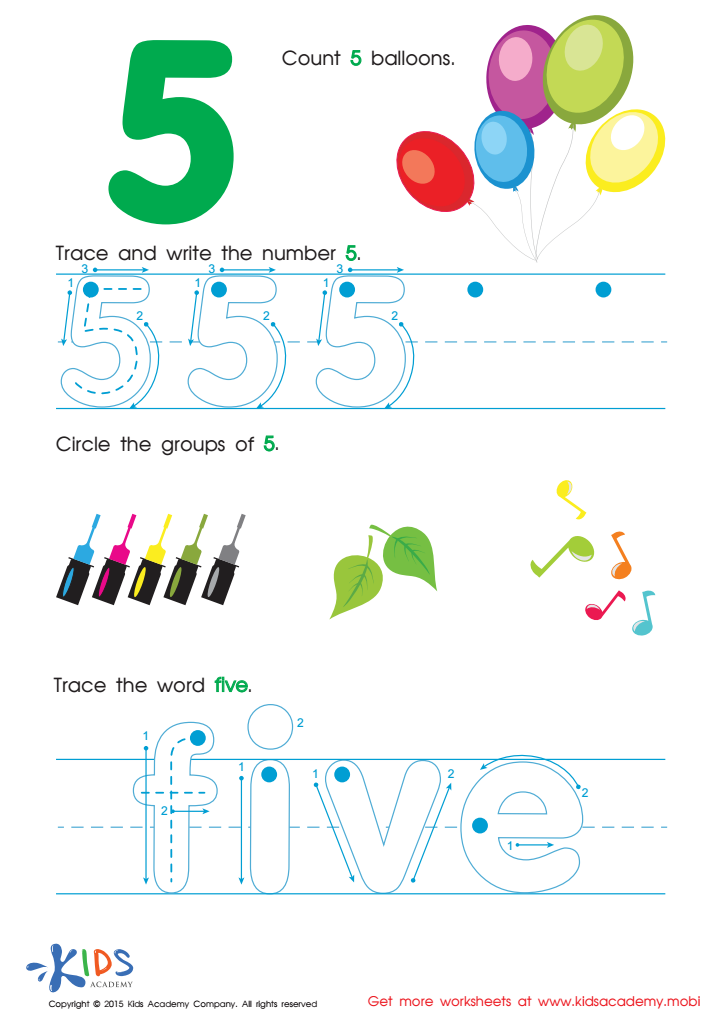
Practice Writing Number 5 Worksheet
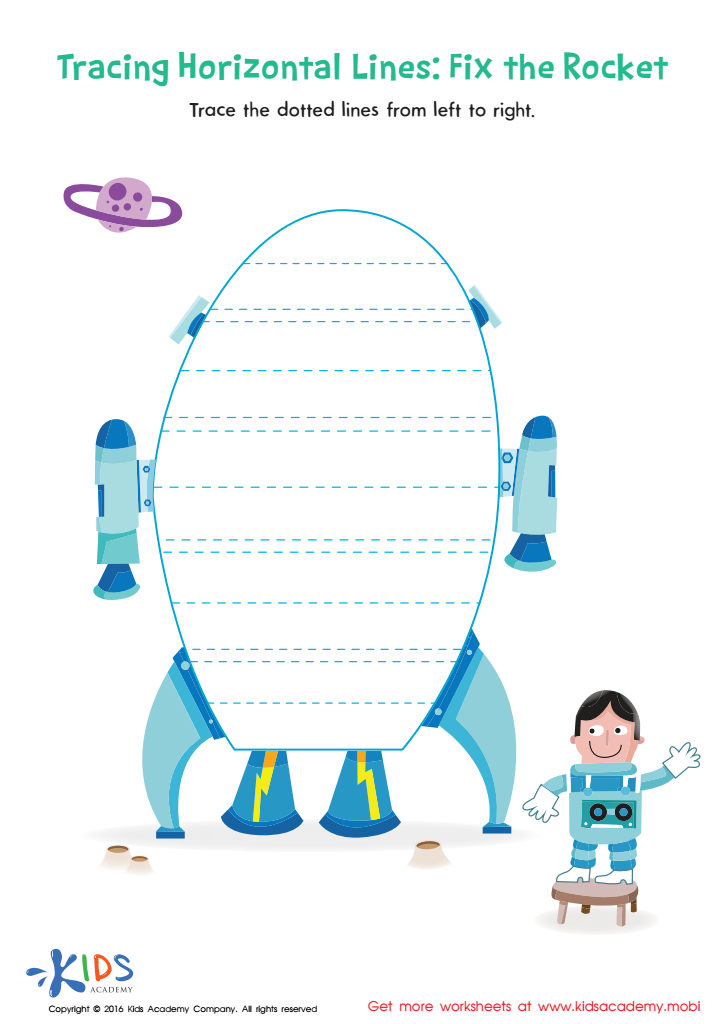
Tracing Horizontal Lines Worksheet
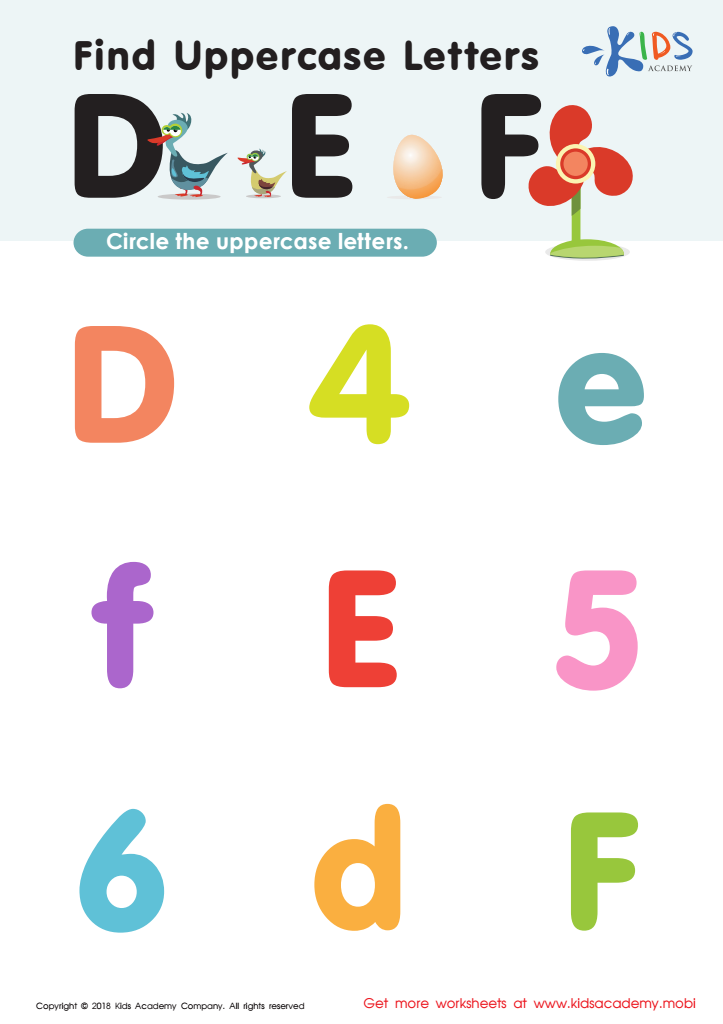
Find Uppercase Letters D, E, and F Worksheet
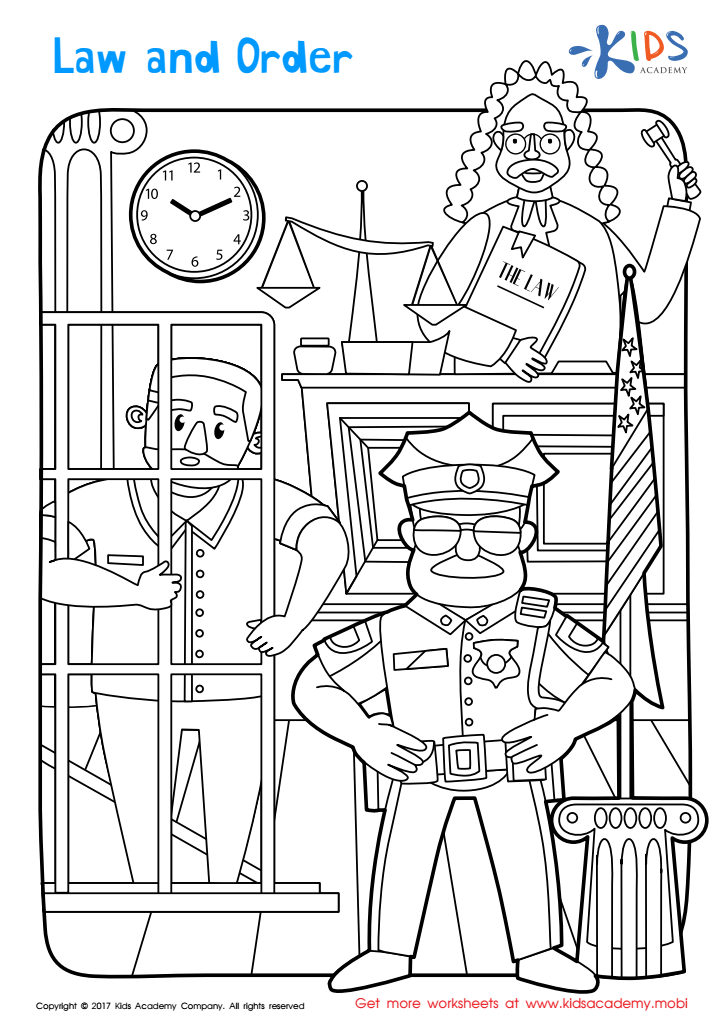
Law and Order Coloring Page Worksheet
 Assign to My Students
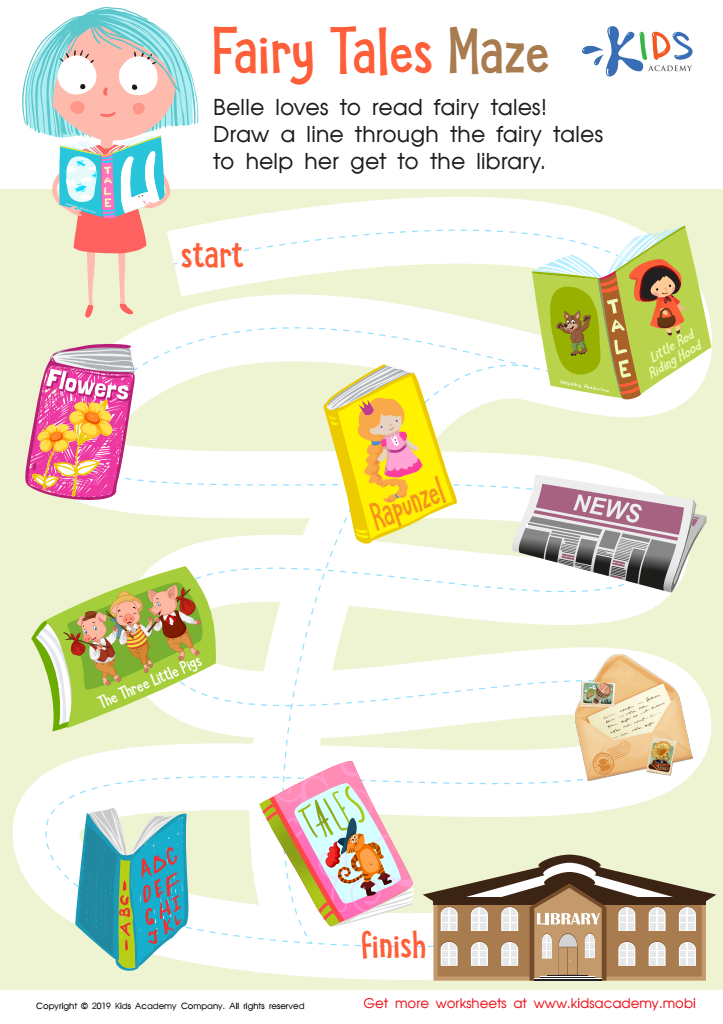
Fairy Tales Maze Worksheet
Turkey Thanksgiving Day Worksheet
Assign to My Students
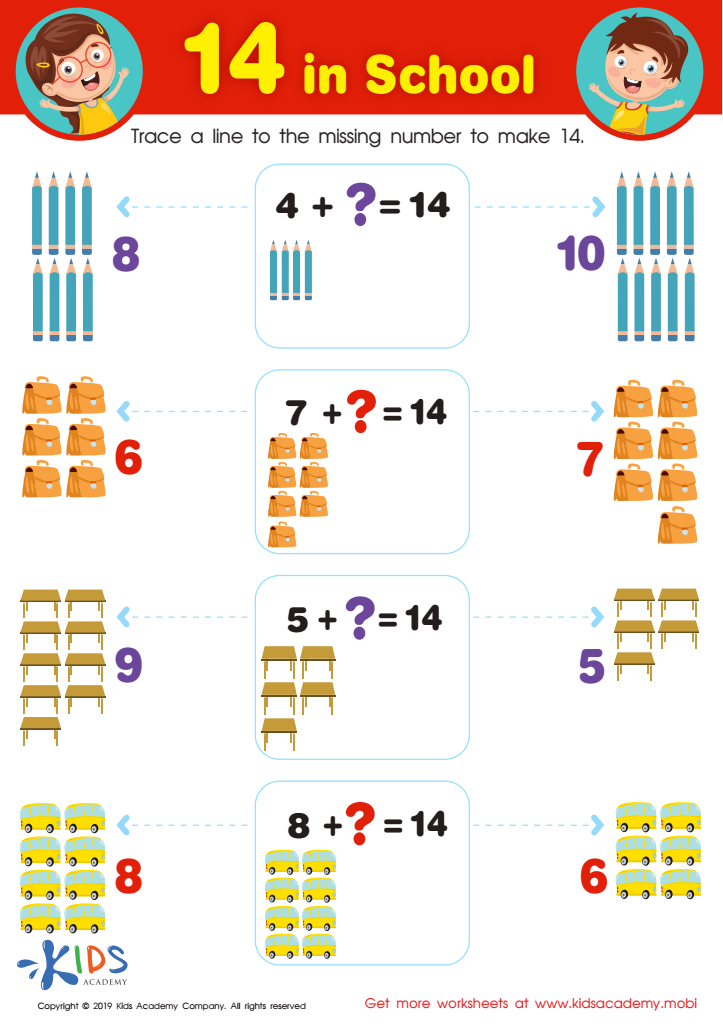
14 in School Worksheet
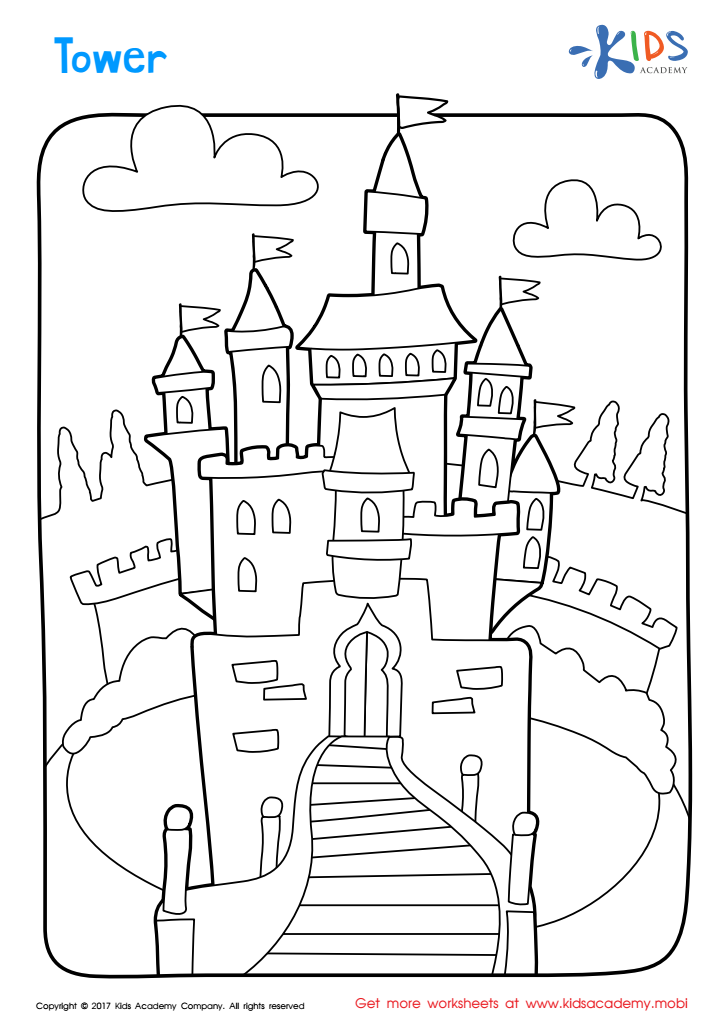
Tower Coloring Page
Assign to My Students

Long and Short E Worksheet
Assign to My Students

Letter D Tracing Page






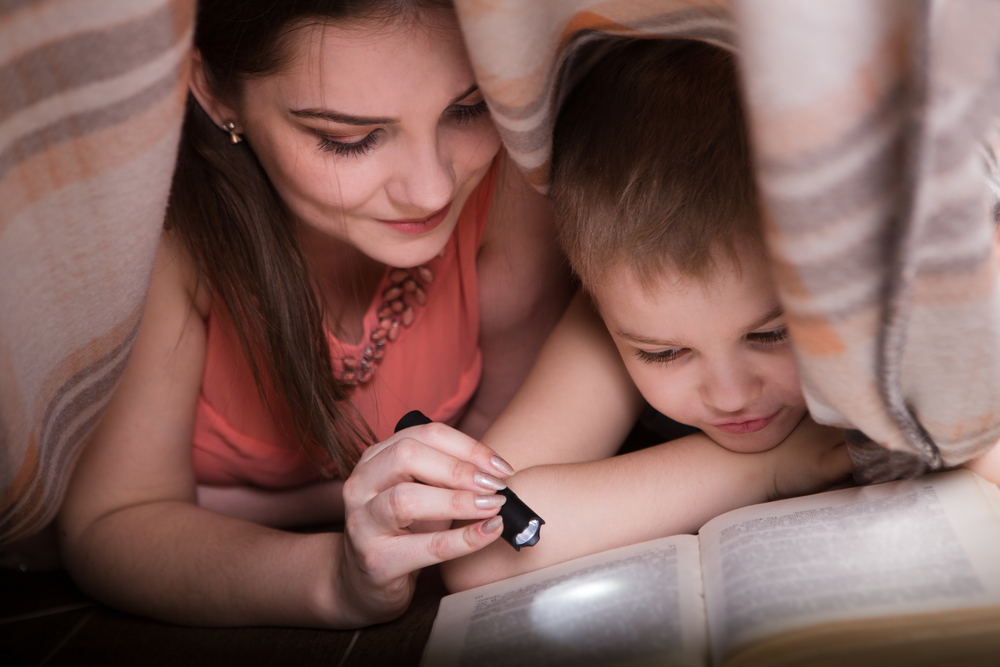
Hand-eye coordination is a crucial developmental milestone for children aged 3 to 8. This skill involves the ability to synchronize visual input with physical movement, a foundation for many everyday tasks. Parents and teachers should care about this aspect of development because it directly impacts children's ability to participate in activities such as reading, writing, and playing sports.
Good hand-eye coordination enhances fine motor skills, which are essential for tasks like holding a pencil, using scissors, or typing on a keyboard. It fosters independence and builds confidence, as children gain the capability to complete tasks autonomously. This coordination also plays a significant role in cognitive development. Engaging in activities that require hand-eye coordination, like puzzles or throwing and catching balls, can stimulate brain development and improve problem-solving abilities.
Furthermore, delays in this area might indicate other developmental issues, and early intervention can help address these challenges. By promoting activities that strengthen hand-eye coordination, parents and teachers can contribute to a child’s overall growth and readiness for future academic and life skills. Prioritizing this skill can lead to better academic performance and improve social interactions, as children gain confidence in their physical abilities.








