Handwriting practice Normal Worksheets for Ages 3-8 - Page 3
63 filtered results
-
From - To
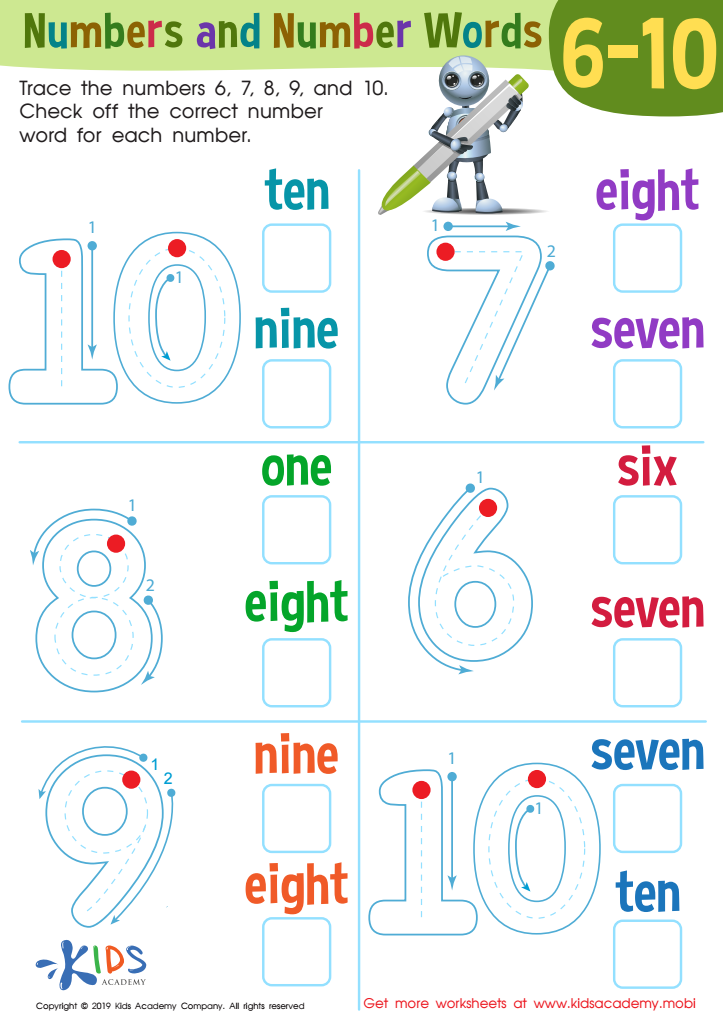
Numbers and Number Words 6–1 Worksheet
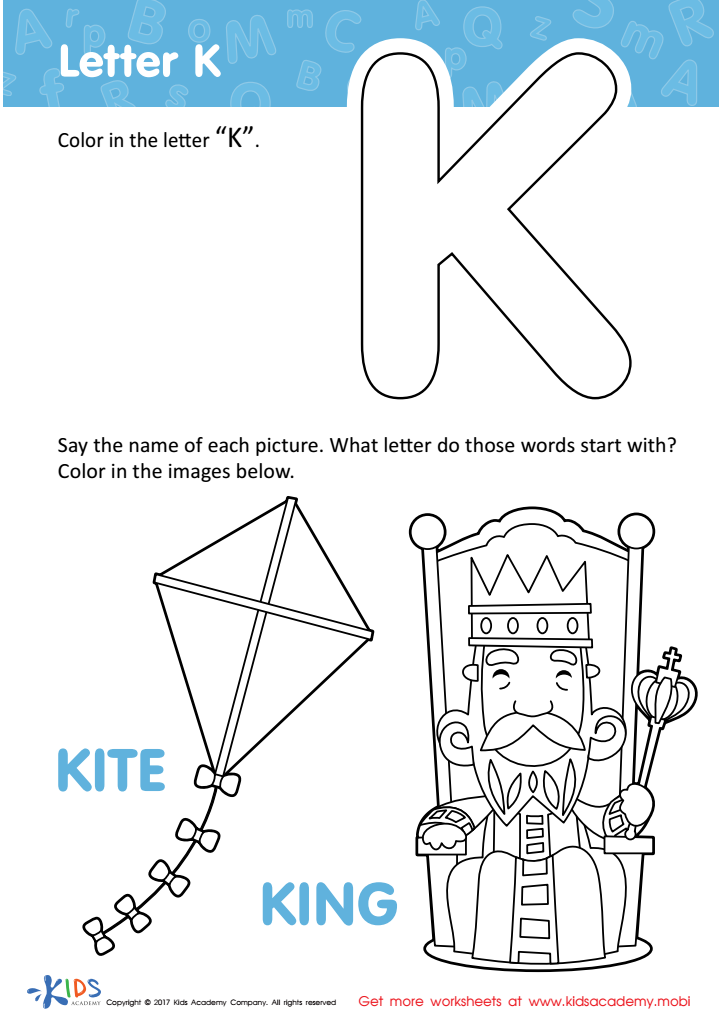
Letter K Coloring Sheet
 Assign to My Students
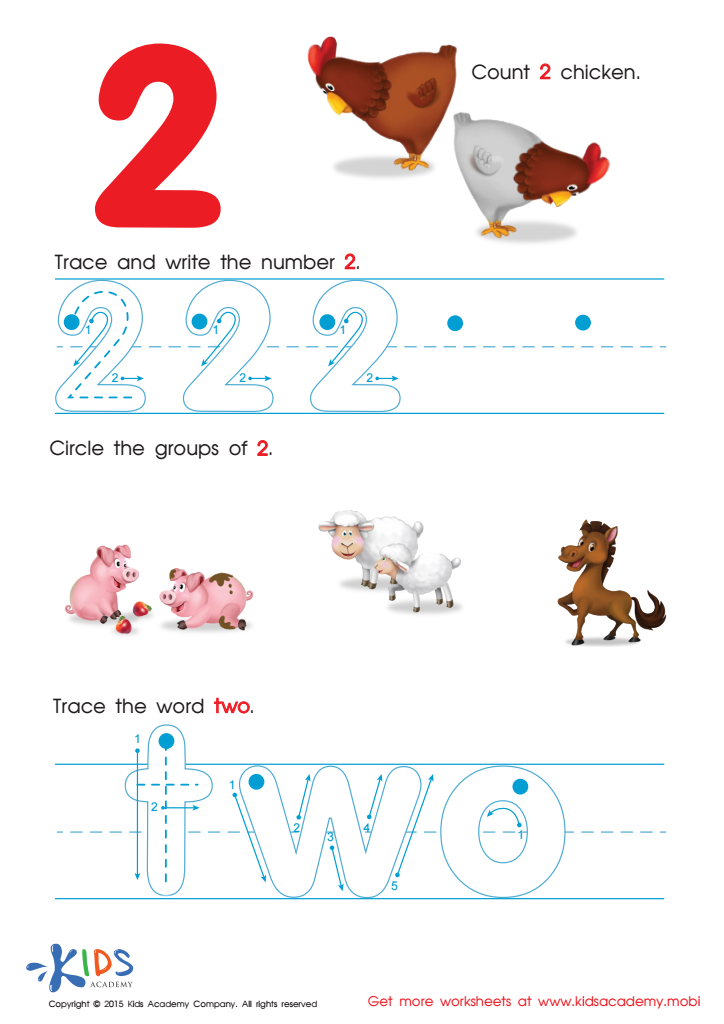
Learn to Write the Number 2 Worksheet
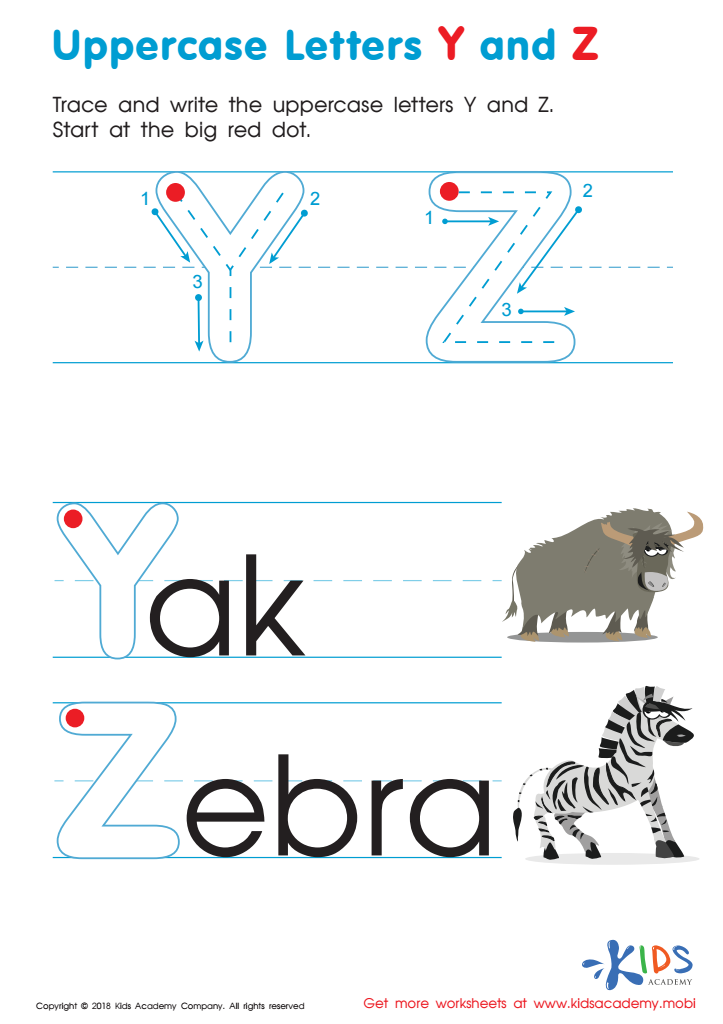
Uppercase Letters Y Z Worksheet
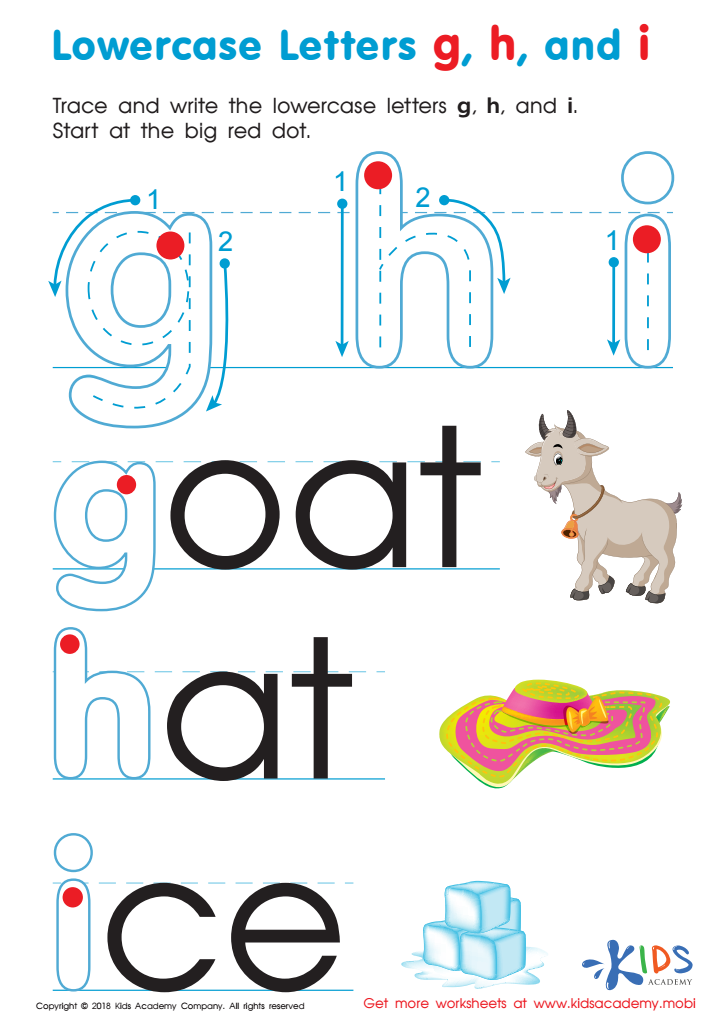
Lowercase Letters g h i Worksheet
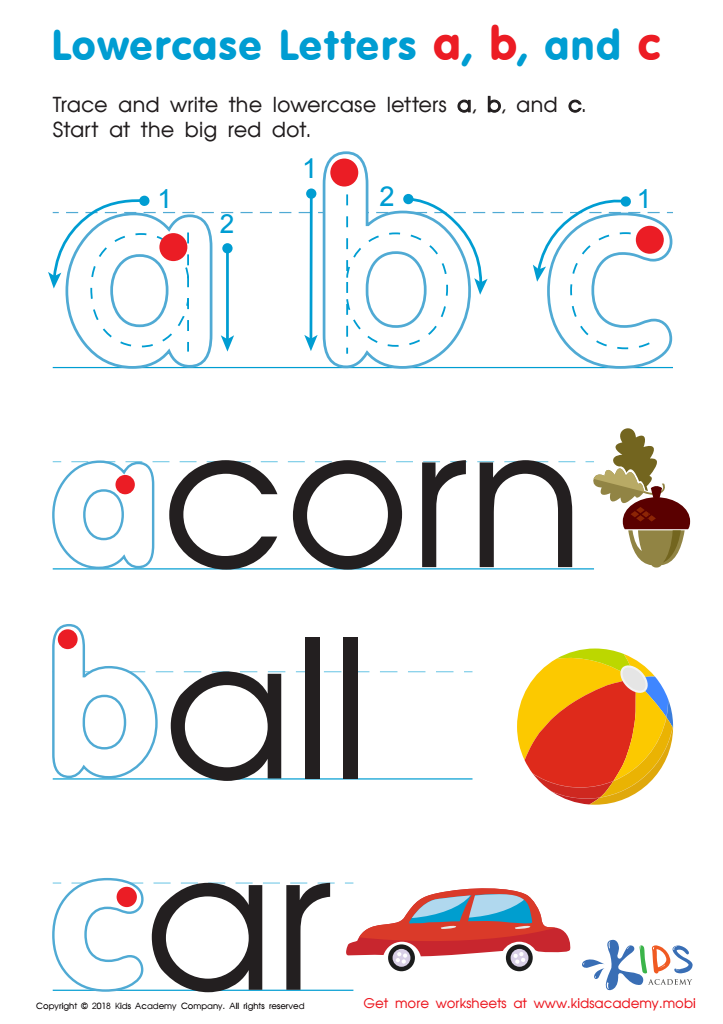
Lowercase Letters a b c Worksheet
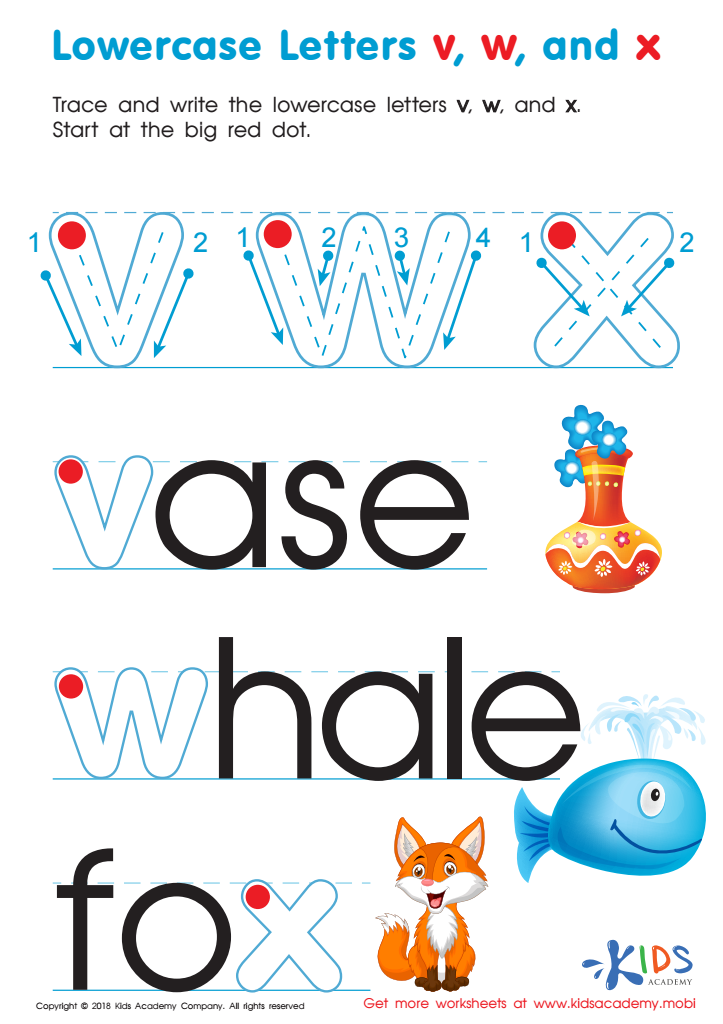
Lowercase Letters v w x Worksheet
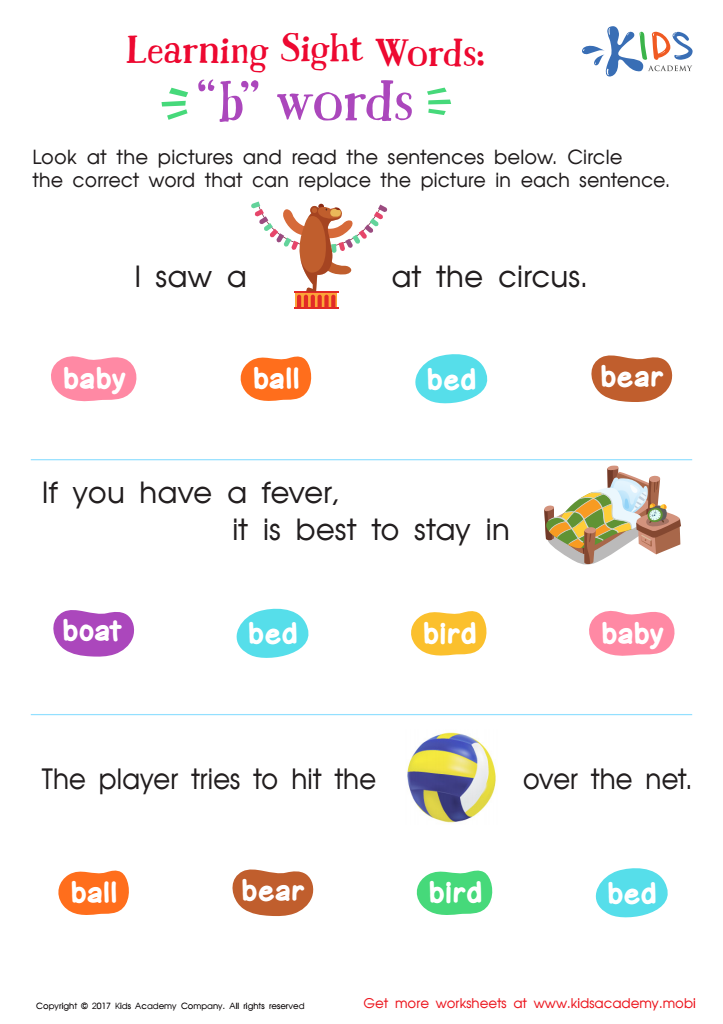
"B" Words Printable Sight Words Worksheet
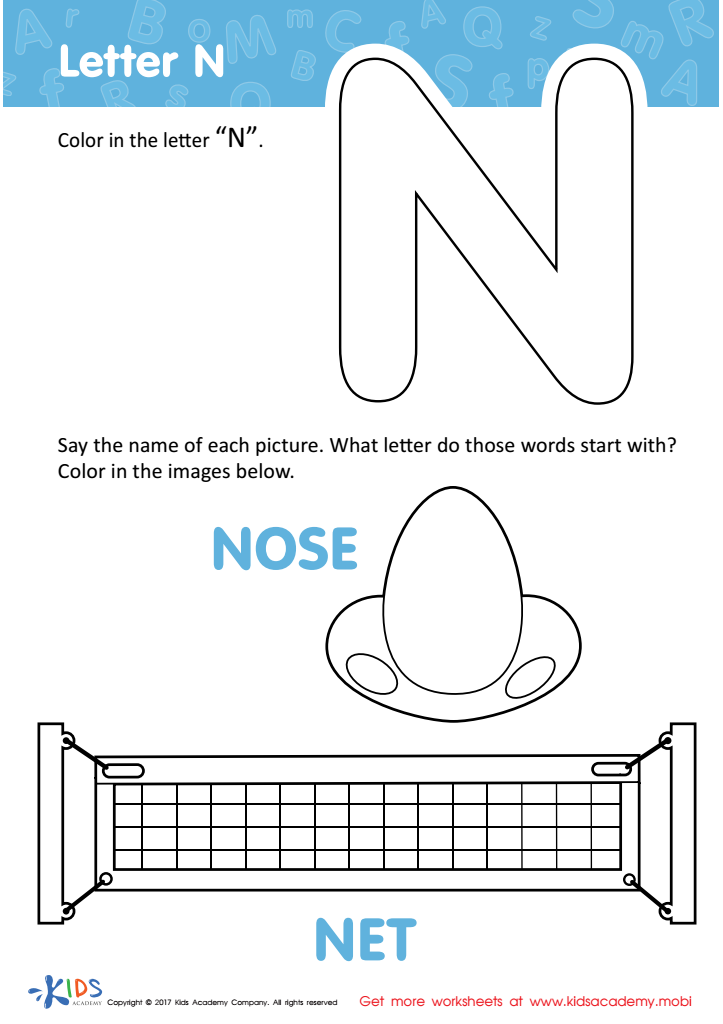
Letter N Coloring Sheet
Assign to My Students
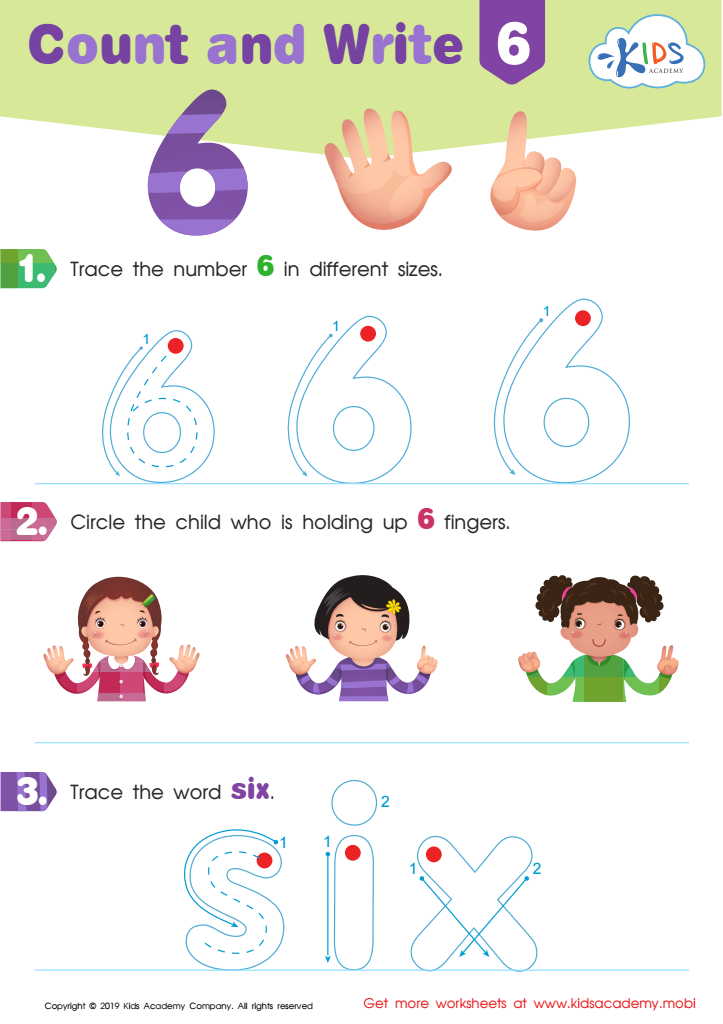
Count and Write 6 Worksheet
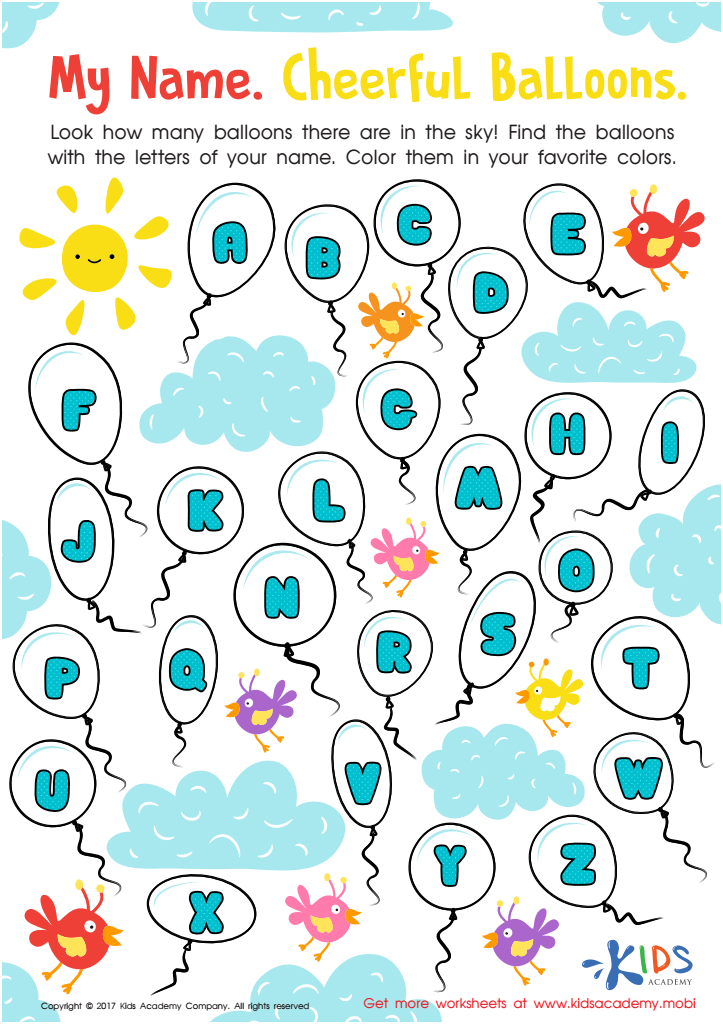
My Name: Cheerful Balloons Worksheet
Assign to My Students
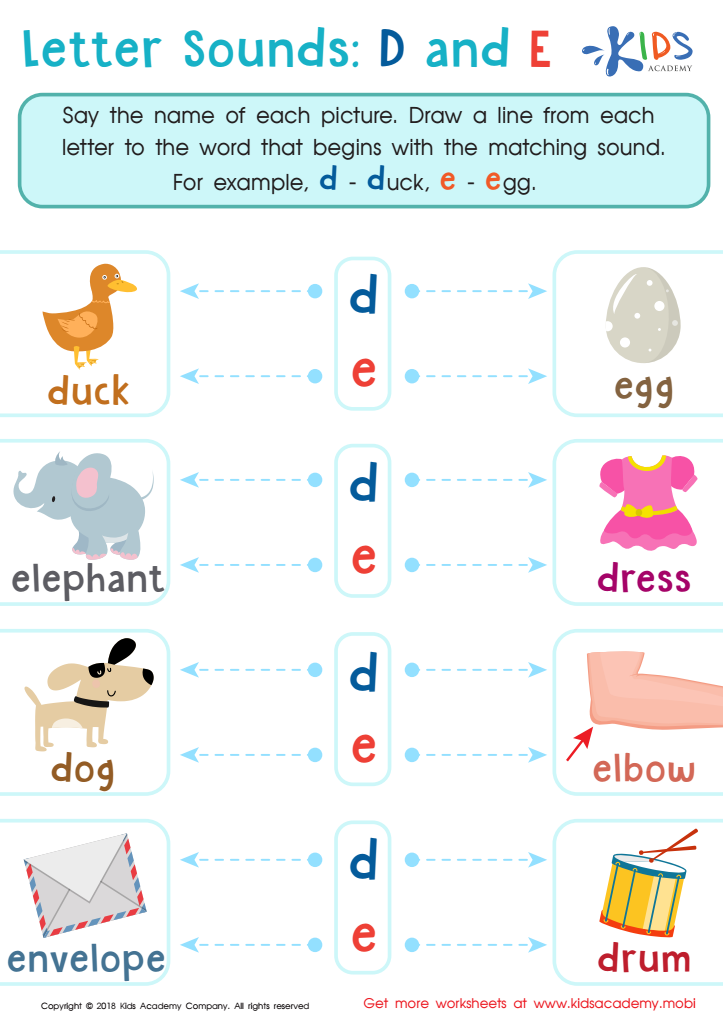
Letter D and E Sounds Worksheet
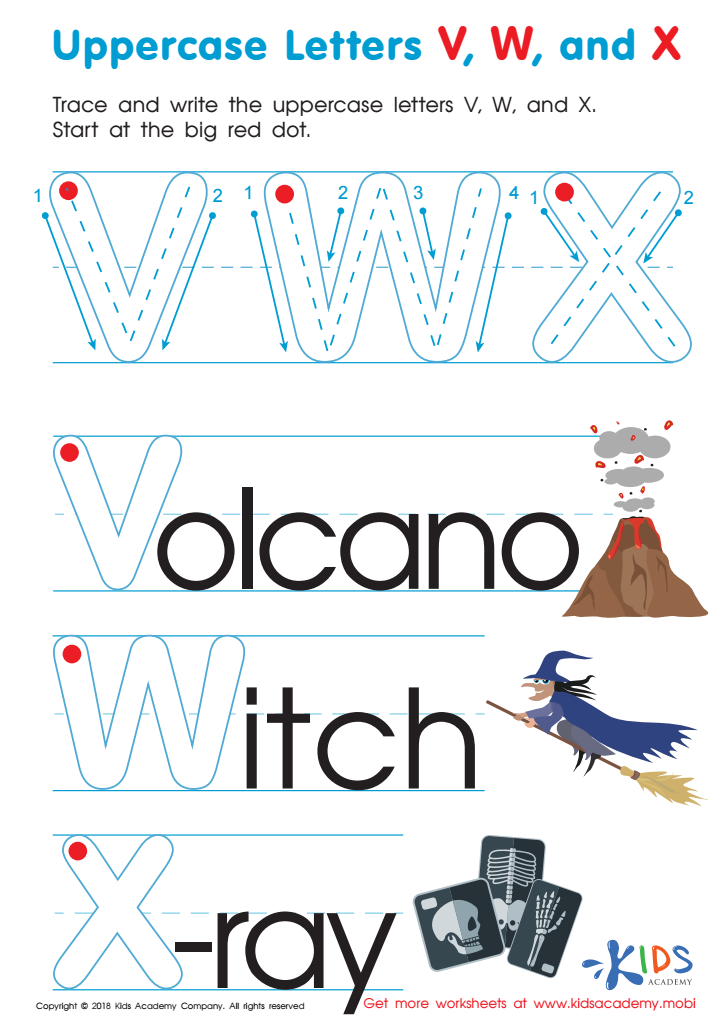
Uppercase Letters V, W, and X Worksheet
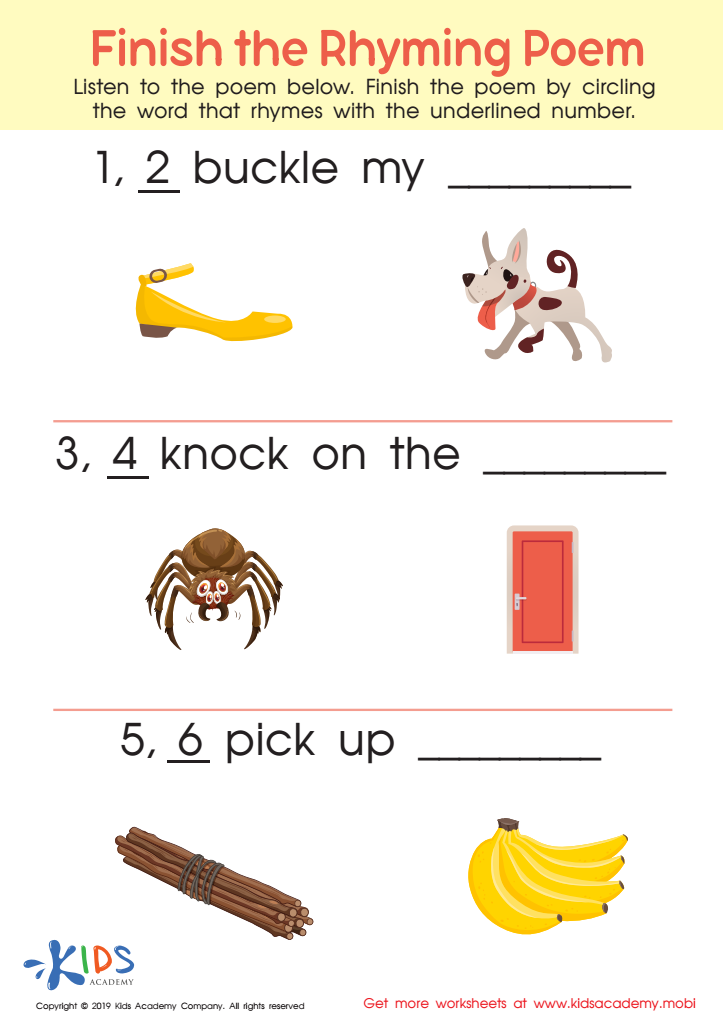
Finish Rhyming Poem Worksheet
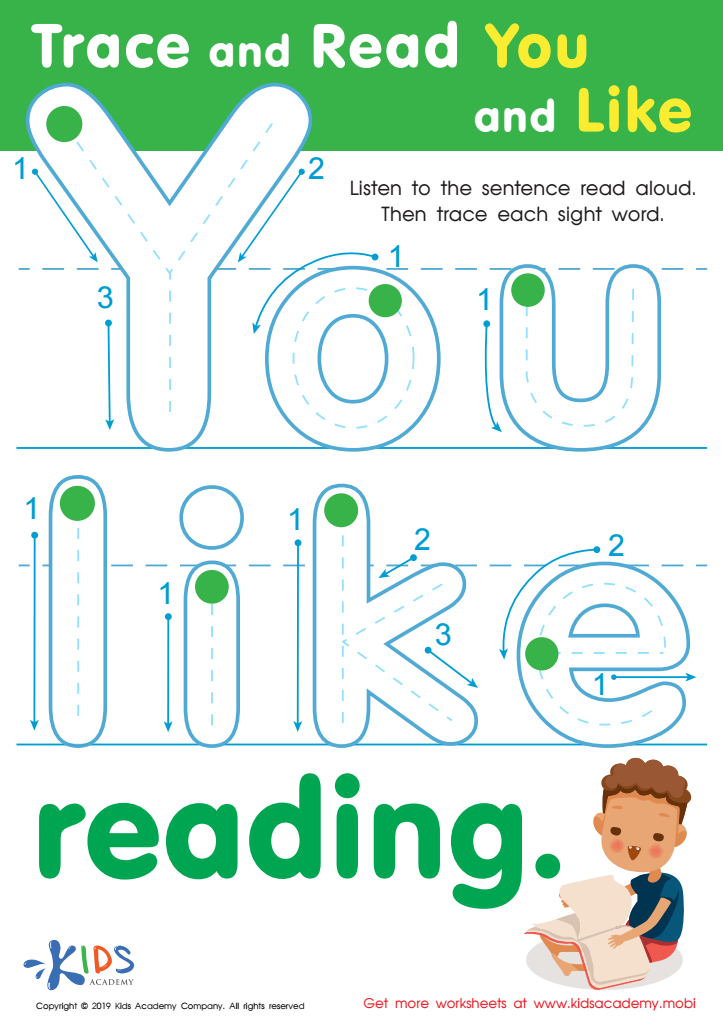
Trace Read You Like Worksheet








Handwriting practice is crucial for children aged 3-8 for several reasons. Firstly, it plays a significant role in their fine motor development. As children practice holding a pencil and forming letters, they strengthen the small muscles in their hands and fingers, setting the foundation for various tasks they will encounter in the future.
Moreover, handwriting contributes to cognitive development. The process of writing by hand has been shown to enhance memory retention and comprehension skills. As children form letters and words, they engage in a multisensory learning experience that aids in processing information more effectively.
Additionally, handwriting helps foster confidence and self-expression. As children master the skill, they feel a sense of accomplishment, boosting their self-esteem. Encouraging them to express their thoughts through writing enhances creativity and communication skills.
Finally, the emphasis on legible handwriting can facilitates effective communication with teachers and peers, ensuring that their ideas are conveyed clearly. In a digital age overwhelmed by typing, the ability to write by hand remains an essential skill. Thus, parents and teachers should prioritize handwriting practice as a vital component of a child's early education and overall development.








