Knowledge application Normal Worksheets for Ages 3-8
6 filtered results
-
From - To
Discover our engaging Knowledge Application Normal Worksheets designed for children aged 3-8. These printable resources are tailored to enhance critical thinking and problem-solving skills by encouraging young learners to apply their knowledge in fun and interactive ways. Each worksheet features vibrant illustrations and age-appropriate content, making learning enjoyable and effective. From sorting and classifying to matching and simple activities, our worksheets promote cognitive development while aligning with key educational standards. Perfect for homeschooling, classroom use, or extra practice at home, these worksheets will inspire curiosity and a love for learning in your little ones! Start fostering their growth today!
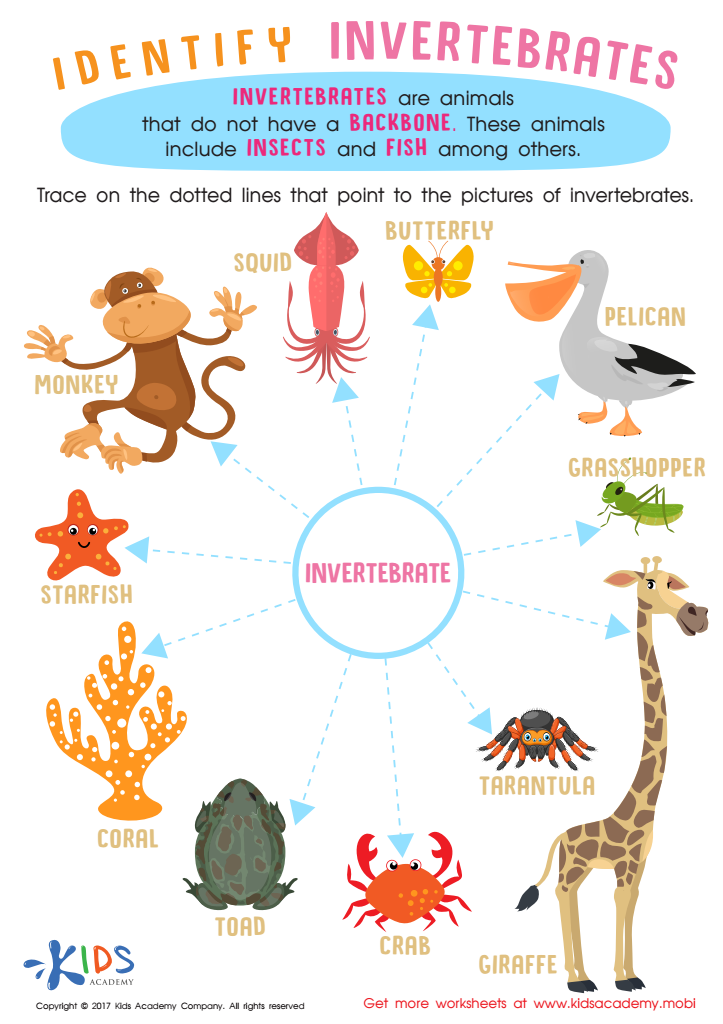
Invertebrates Worksheet for Grade 3
 Assign to My Students
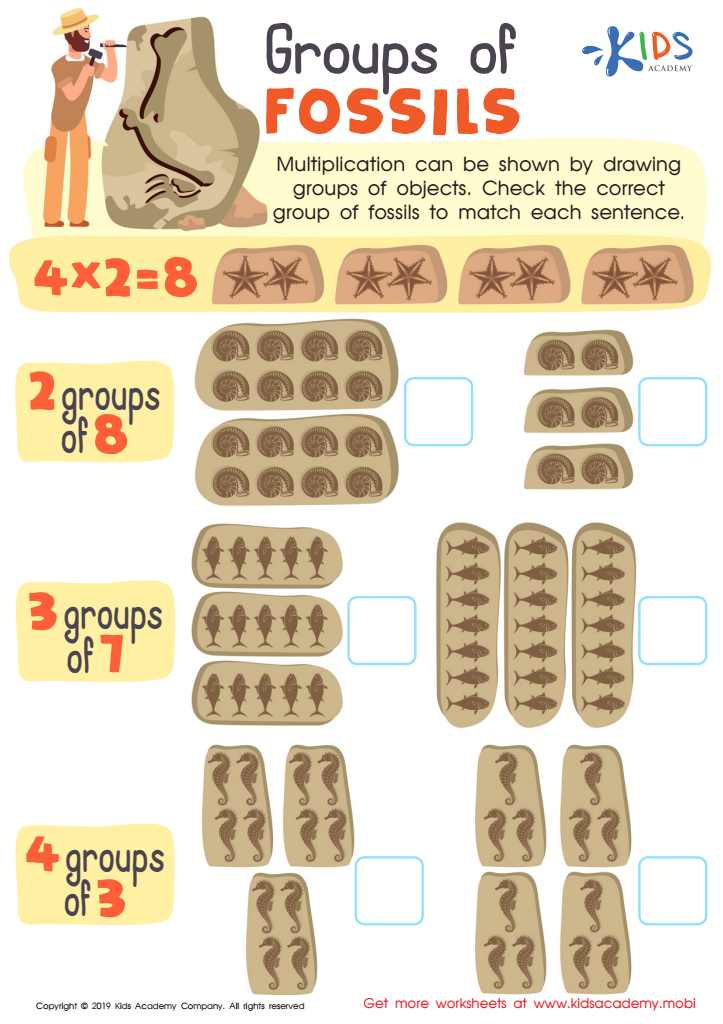
Groups of Fossils Worksheet
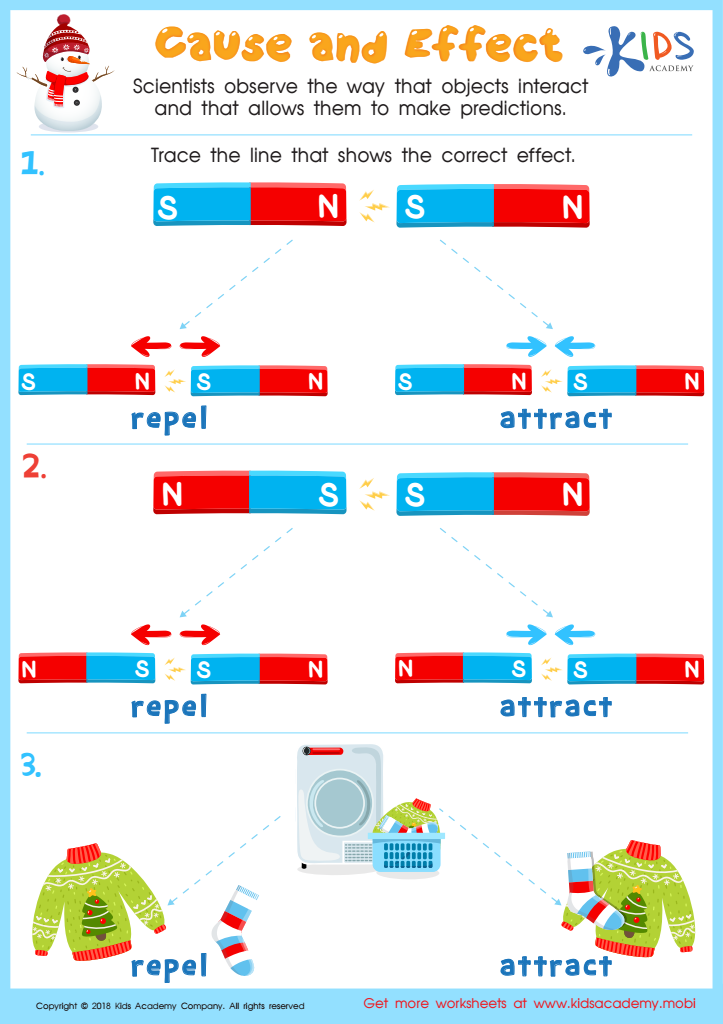
Repel and Attract Magnet Worksheet
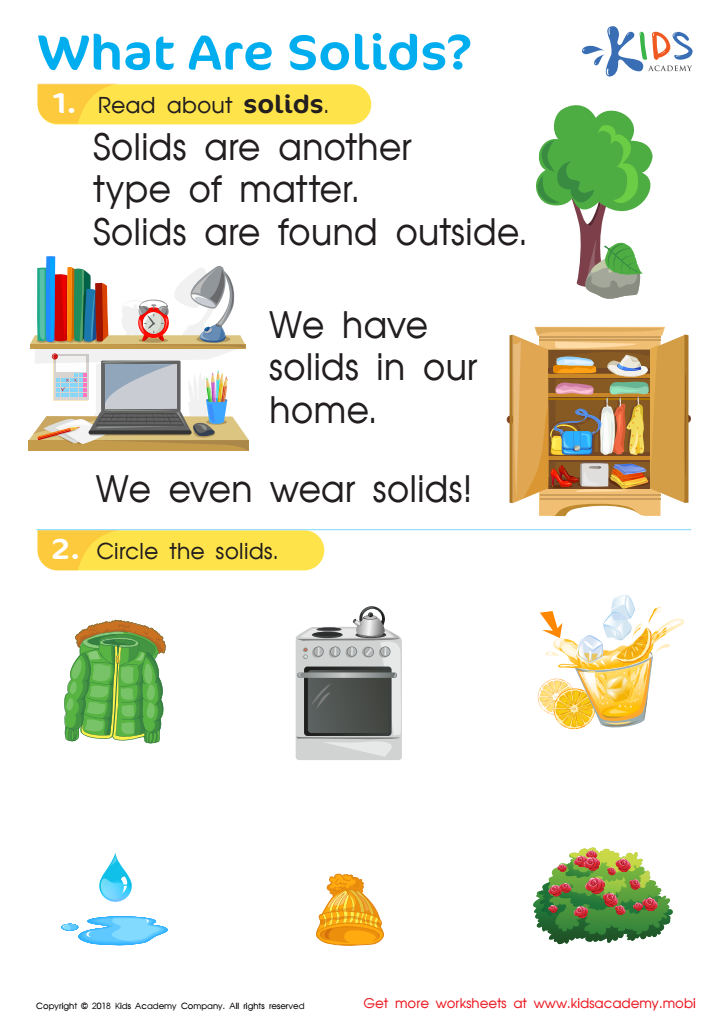
What Are Solids? Worksheet
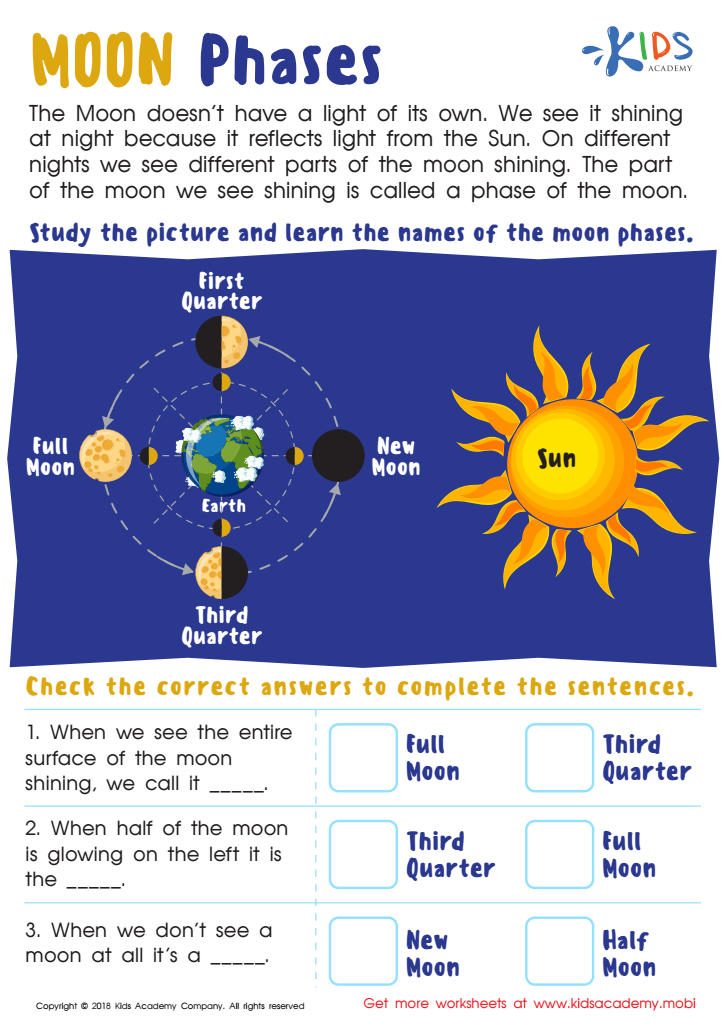
Moon Phases Worksheet
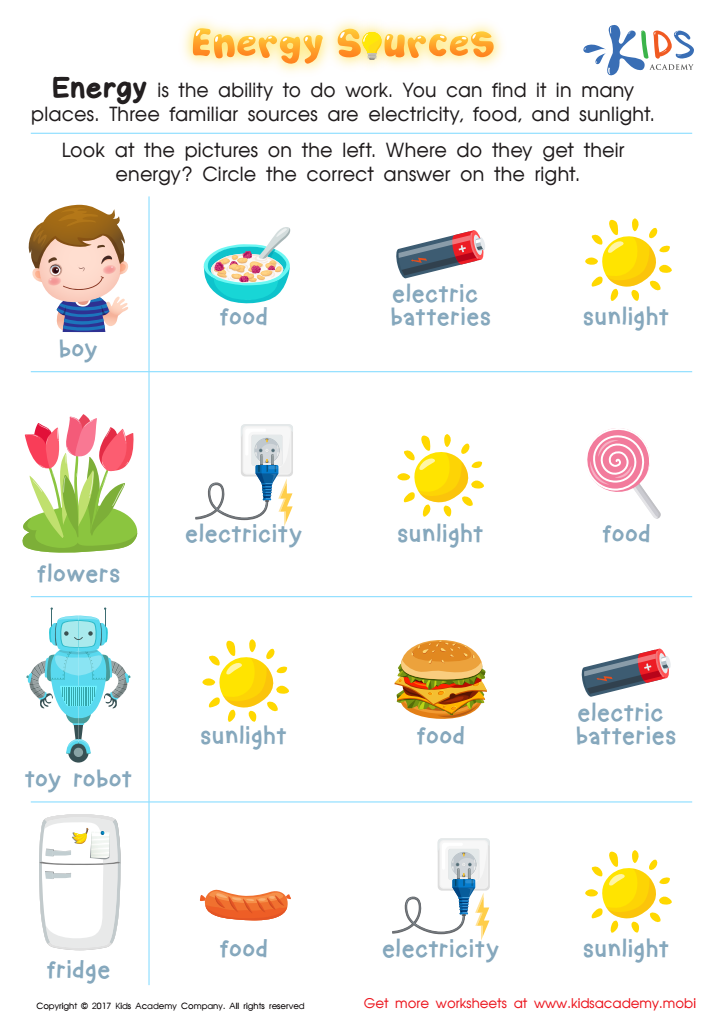
Energy Sources Printable






Knowledge application during ages 3-8 is critical for children's cognitive and social development. During these formative years, children learn to apply what they know to real-world situations, enhancing their problem-solving skills and creativity. This period marks a crucial transition from simple knowledge retention to actively using that knowledge in practical ways, laying the groundwork for critical thinking.
Parents and teachers should care about fostering knowledge application because it boosts children's confidence. When they successfully apply what they’ve learned, children feel more capable and independent, cultivating a love for learning. Furthermore, this skill promotes effective communication; children learn to express their thoughts clearly and understand others better through collaborative play and group activities.
Additionally, engaging children in meaningful, hands-on experiences bridges the gap between theoretical knowledge and everyday life. Such experiences enrich their understanding of complex concepts and help them relate to the world around them, nurturing their emotional and social skills.
By prioritizing knowledge application, educators and caregivers equip children with essential life skills, paving the way for future academic success. Investing in this area not only enhances individual growth but also aids in developing resilient, adaptive individuals ready to face the challenges of the future.








