Mental math practice Normal Worksheets for Ages 3-8
6 filtered results
-
From - To
Boost your child's math skills with our engaging Mental Math Practice worksheets tailored for ages 3-8 at Kids Academy! These printables make learning fun and effective, reinforcing addition, subtraction, counting, and number recognition through interactive and easy-to-follow exercises. Perfect for young learners, our worksheets help build a strong foundation in mathematics while enhancing critical thinking and problem-solving skills. With bright visuals and age-appropriate challenges, our mental math practice aids children in developing confidence in their abilities. Transform math drill sessions into enjoyable learning adventures, and give your child the head start they deserve!
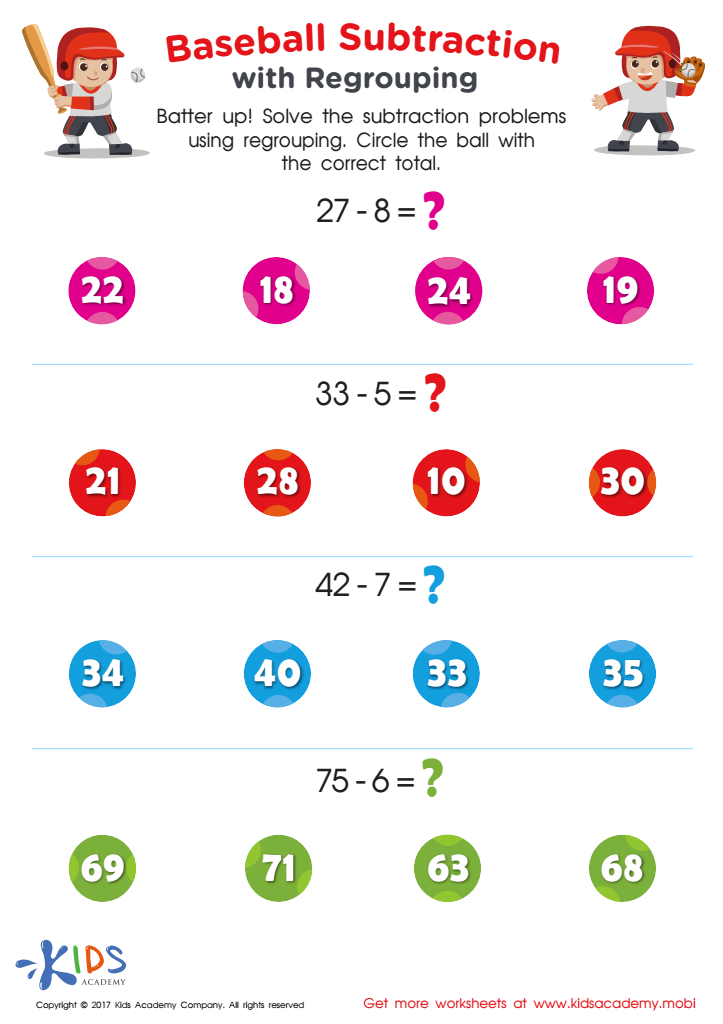
Subtraction With Regrouping for 2nd Grade Worksheet
 Assign to My Students
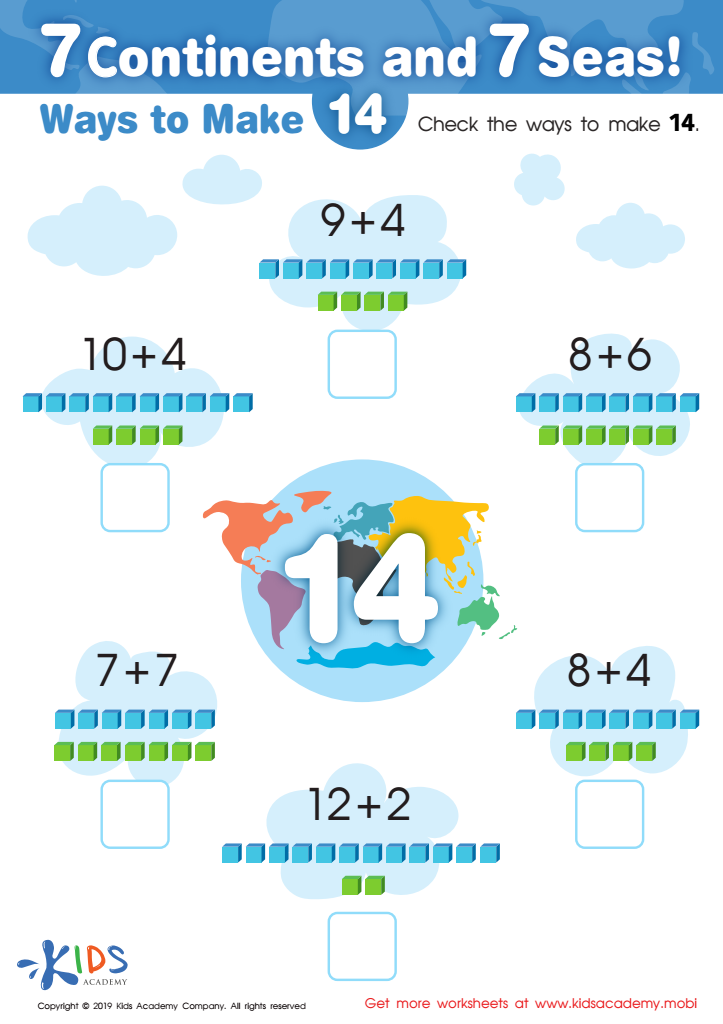
7 Continents and 7 Seas Worksheet
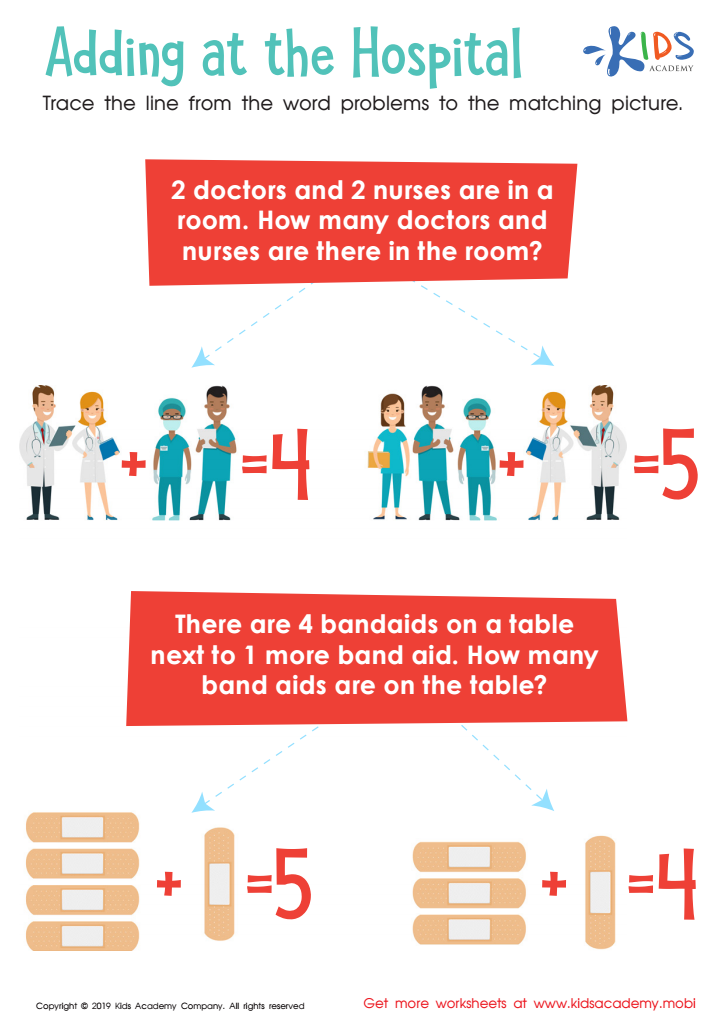
Adding at the Hospital Worksheet
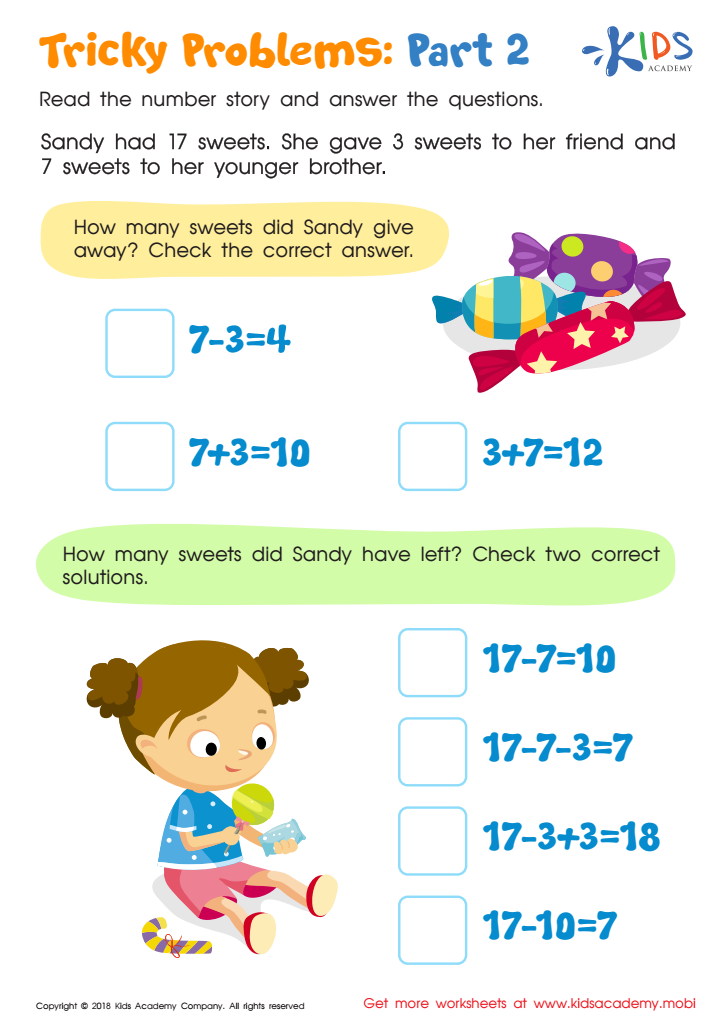
Tricky Problems Worksheet: Part 2
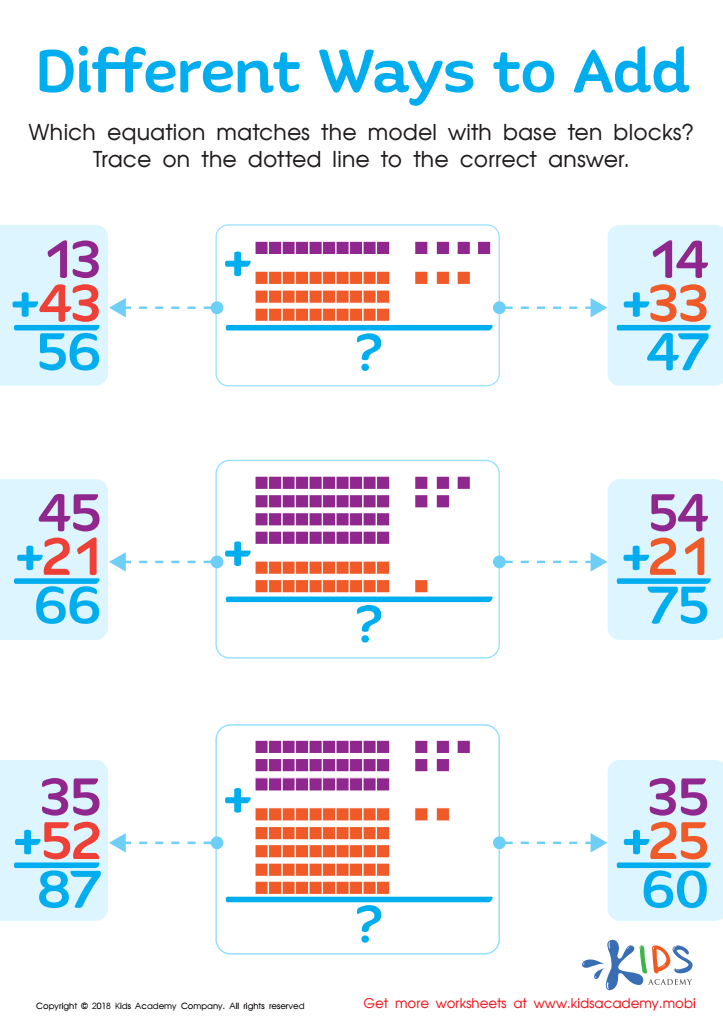
Different Ways to Add Worksheet
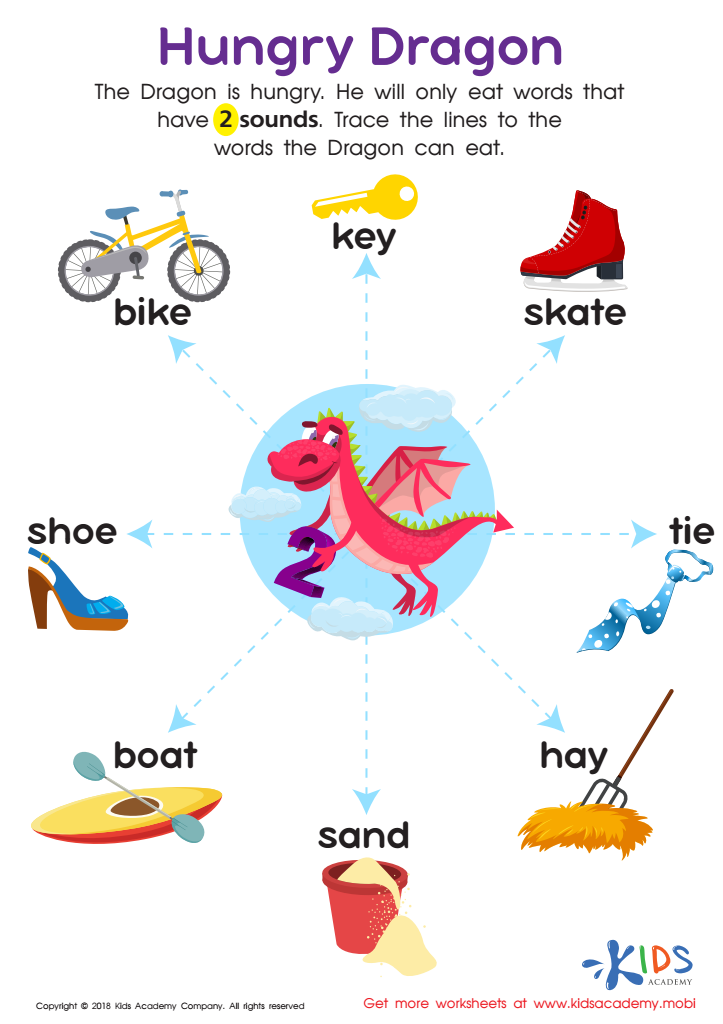
Hungry Dragon Worksheet



.jpg)



Mental math practice is crucial for children aged 3-8 because it lays the foundation for future mathematical understanding and cognitive development. Encouraging early mental math skills can help kids become comfortable with numbers, boosting their arithmetic proficiency, which is vital for everyday problem-solving tasks. These skills enhance their ability to quickly and accurately perform calculations in their heads, fostering a sense of numerical confidence and competency.
Parents and teachers should care about mental math practice because it improves critical thinking and reasoning abilities. When kids engage in mental math, they learn to approach problems from various angles, cultivating flexibility in their thinking. This mental agility is essential not just for math but for all areas of learning and real-world situations.
Moreover, mental math exercises contribute to improved memory and concentration. Regular practice enhances a child's working memory—the ability to hold and manipulate different pieces of information simultaneously—which is beneficial not just in mathematics but also in reading comprehension and other academic areas.
Early mental math practice also instills a positive attitude towards math, reducing the anxiety often associated with the subject. When children feel confident in their math abilities, they are more likely to enjoy the learning process, stay curious, and maintain a lifelong interest in mathematics and related disciplines.








